





 Portuguese
  English
  Spanish
  3 min of reading
  1 comment


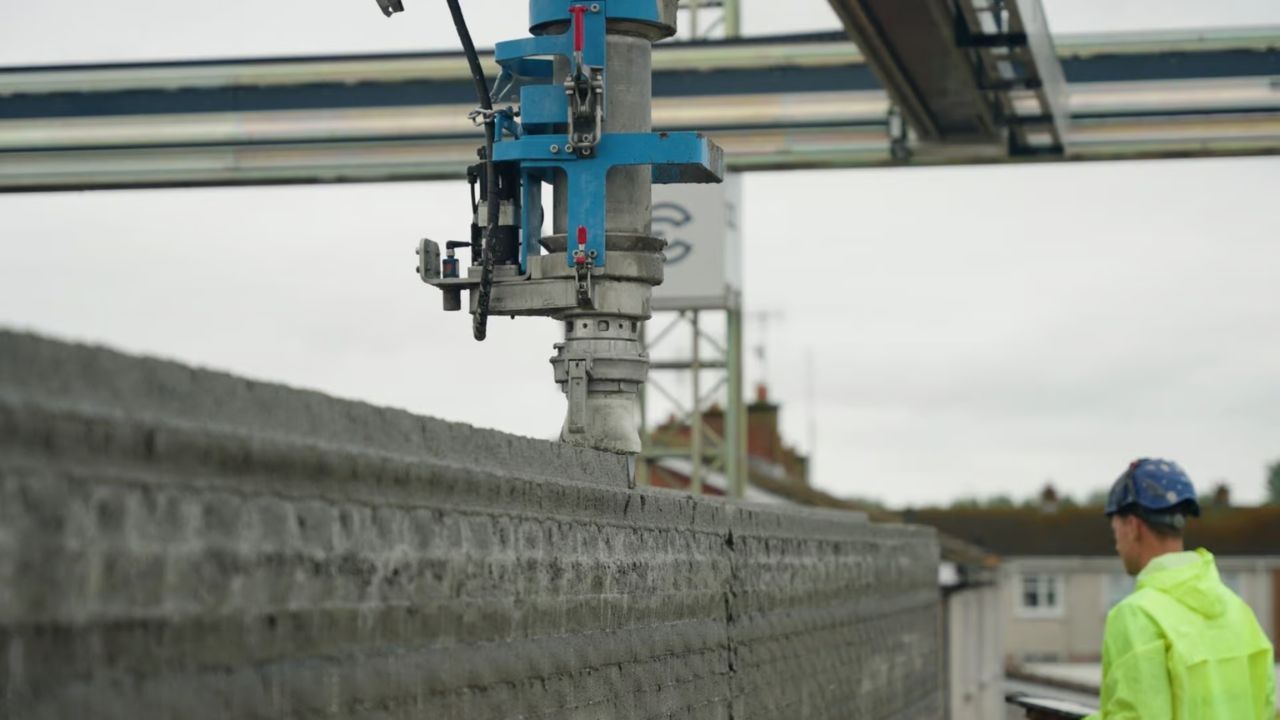


Housing Project in Ireland Uses 3D Printing Technology to Build Three Modern Homes of 330 m² in Record Time, Reducing Traditional Construction Times by 35% and Offering Affordable Social Housing.
Located in Louth, in eastern Ireland, the Grange Close project consists of three terraced housing units. Each house has two stories and a usable area of 110 m², providing enough space for families seeking comfort and functionality. In total, the development occupies 330 m² and was designed to accommodate residents of social housing.
What makes this project extraordinary is not only its proposal but the execution time. From start to finish, Grange Close was completed in just 132 working days, with the main structure printed in an amazing 12 days. This represents a 35% reduction in construction time compared to traditional methods, highlighting the efficiency of 3D technology.
Why 3D Printing Is the Future of Construction?

Half of the time savings came directly from 3D printing the walls. This is possible because the technology allows for creating precise structures ready to integrate other components, like electrical and flooring systems. The result? Less manual labor and lower labor costs.
-
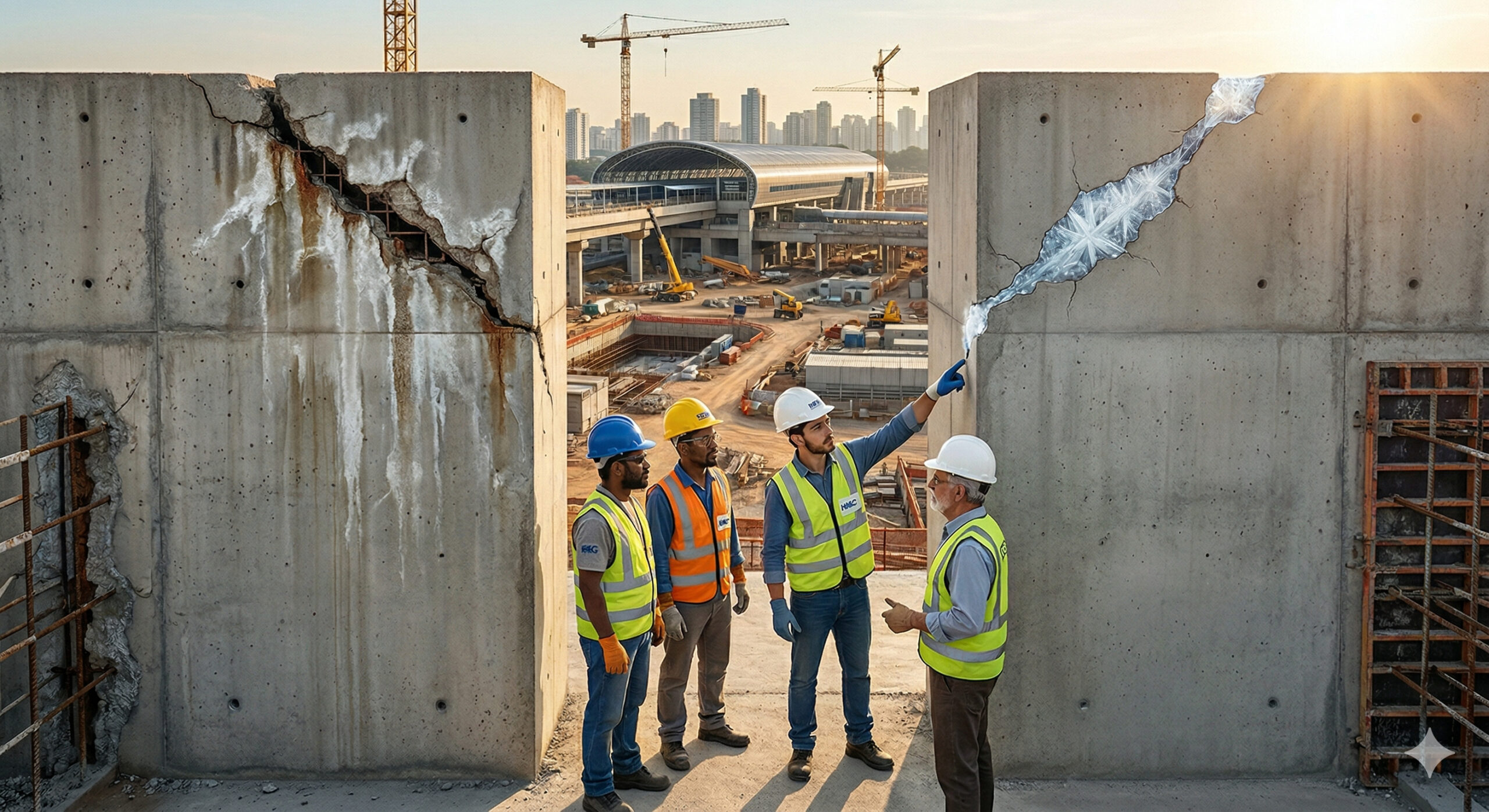
With a lifespan of up to 60 years and a cost up to 30% higher than conventional concrete, self-healing concrete is already being used in Brazil to eliminate leaks, reduce maintenance, and is changing the real cost of construction projects.
-
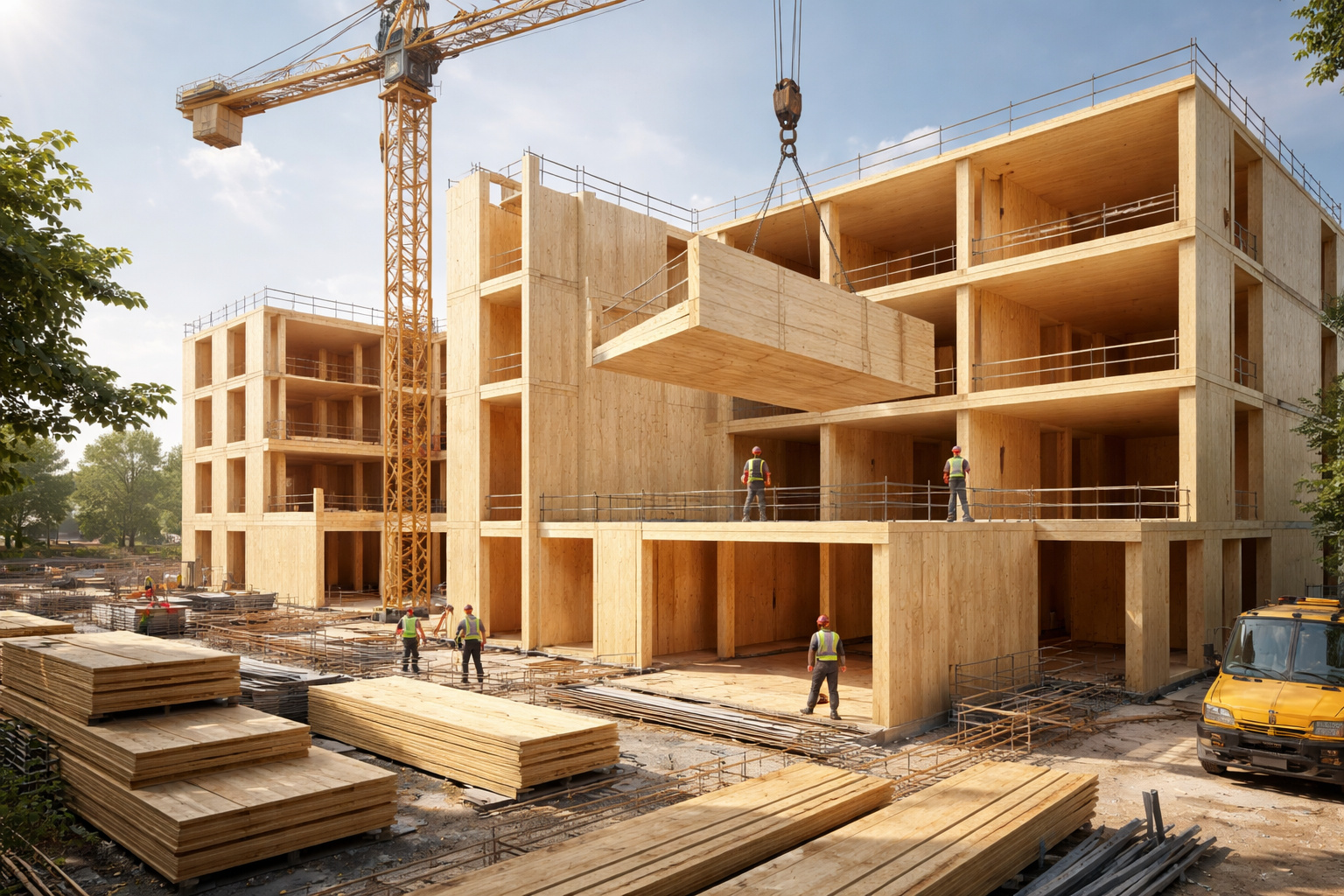
Engineered wood CLT challenges steel and concrete and promises construction that is up to 2x faster with a lower environmental impact in modern civil engineering.
-
Video: Retiree builds 26-meter Roman castle in his backyard with pieces from dozens of countries, ornamental grates from Libya, and a dragon made of recycled metal.

-
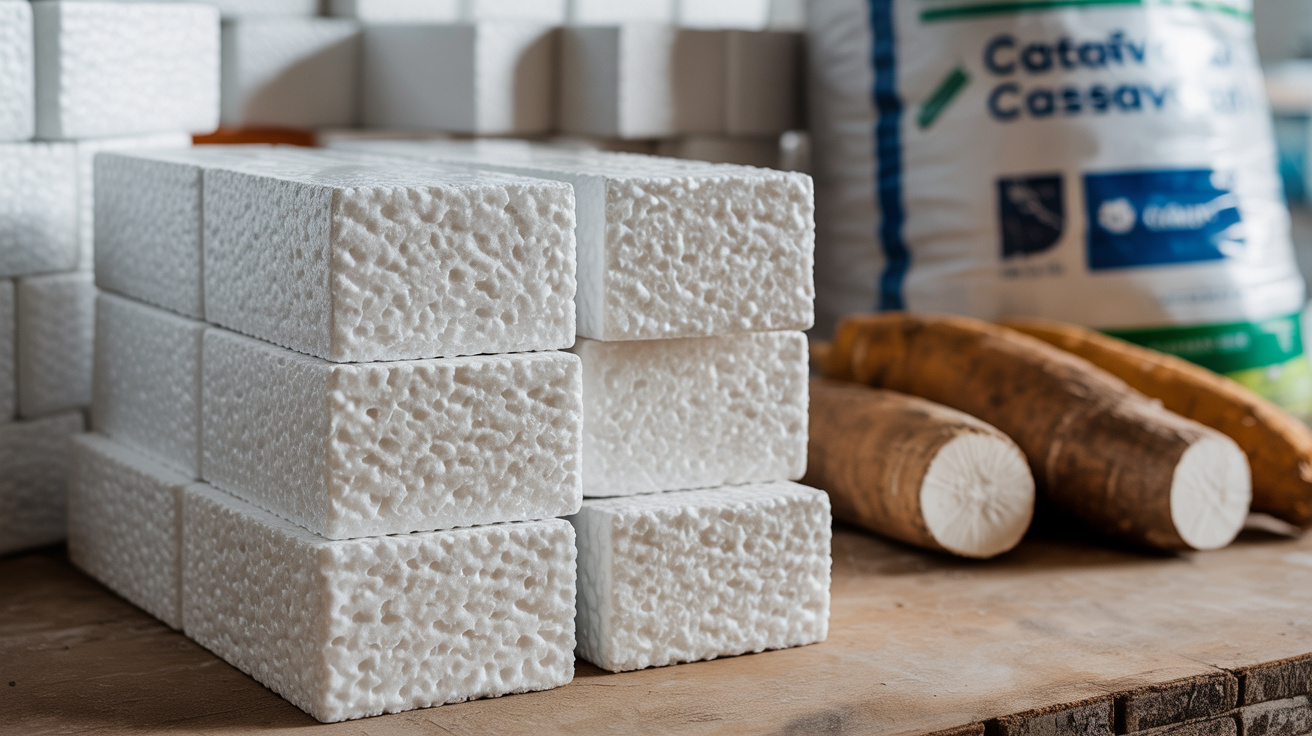
Bricks made with recycled Styrofoam and cassava glue cost R$ 0.40 and insulate walls, reducing internal temperature by 6°C using a technique that produces 50 units with just one 50 kg bag of cement.

3D printing utilizes materials efficiently, generating less waste. In addition, with technological adjustments, future projects can be completed in as little as nine days, making the process even faster and more sustainable.
How 3D Printer Works in Construction?
Grange Close was built using the BOD2 printer from COBOD. This machine extrudes a cement-like mixture, layer by layer, creating the building’s structure with millimeter precision. Each stage of the project is guided by a digital model, which reduces errors and accelerates execution.
After printing the walls, human builders finalize the project by installing roofing, electrical, and interior finishing systems. This combination of technology and human labor results in homes that are modern and functional, indistinguishable from traditional constructions.
Benefits of the Grange Close Project for the Community
The main objective of the project is to provide quality housing at affordable prices. The houses will be rented to low-income families, promoting social inclusion and improving the quality of life.
With the reduction of costs and timelines, 3D printing can become a viable solution for housing crises worldwide. Projects like Grange Close are an example of what can be done to face global challenges like the lack of housing.
3D Printing in Architecture
Imagine a world where skyscrapers or entire residential complexes can be built in weeks. This is the promise of 3D printing technology. With constant innovations, it is getting closer to transforming ambitious projects into reality.
As technology evolves, production costs continue to decline while the quality of constructions increases. This opens doors for architects and engineers to explore new possibilities, creating bolder and more accessible designs.







Casas poderiam dependendo do perfil do morador cedidas em Comodato.