





 Portuguese
  English
  Spanish
  4 min of reading
  0 comments


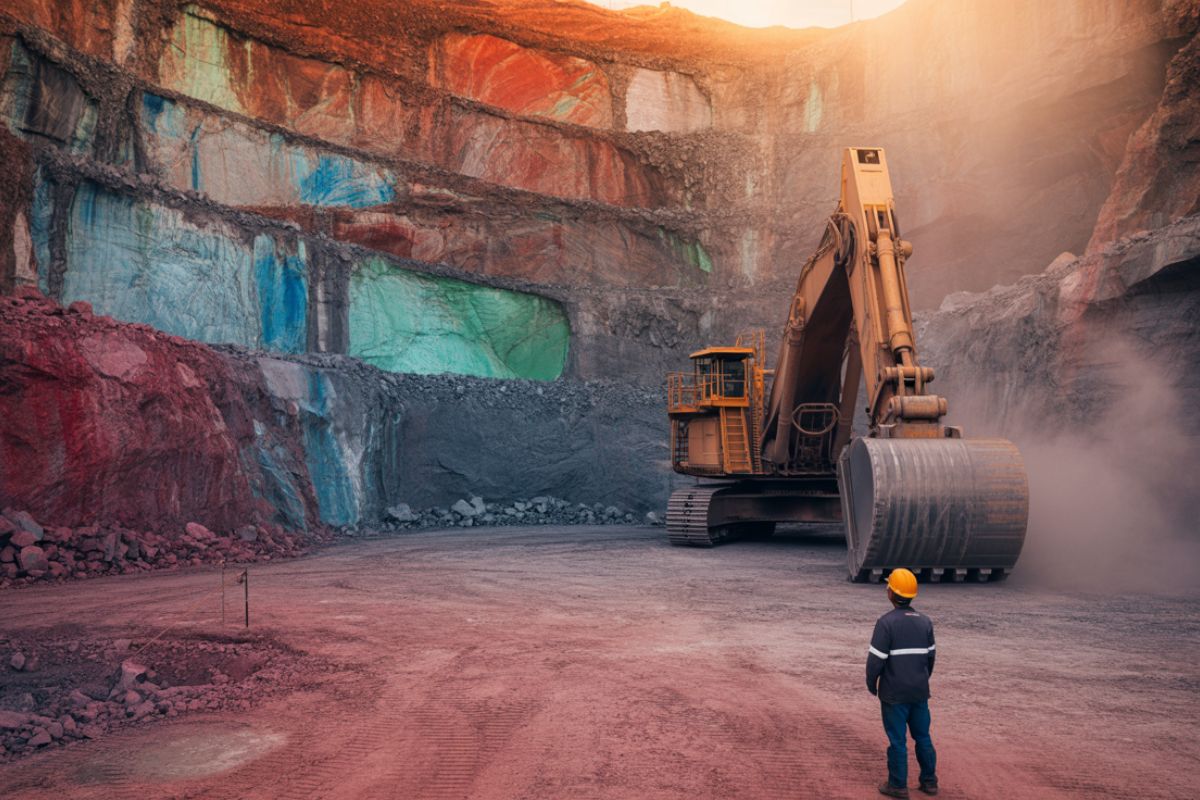
The Initiative Led by President Lula Aims to Unite the Region to Add Value to Critical Minerals Such as Lithium and Copper, but Faces Geopolitical and Environmental Challenges.
According to a proposal presented by President Luiz Inácio Lula da Silva during the 66th Mercosur Summit on July 3, 2025, Brazil is leading an effort to create a regional agreement for the management of critical minerals. The initiative aims to unite South American countries to harmonize policies for the extraction, processing, and trade of essential elements for the global energy transition, such as lithium and copper, ensuring that the economic benefits remain in the region.
The “global race” for these resources “has already begun,” Lula stated, and South America needs to position itself unitedly to avoid repeating the historical mistake of being merely an exporter of raw materials. The proposal to revive discussions through the Latin American Energy Organization (OLADE) seeks to create a common foundation for developing a high-value-added industry, generating jobs and technology on the continent.
What Are Critical Minerals and Why Are They So Important?
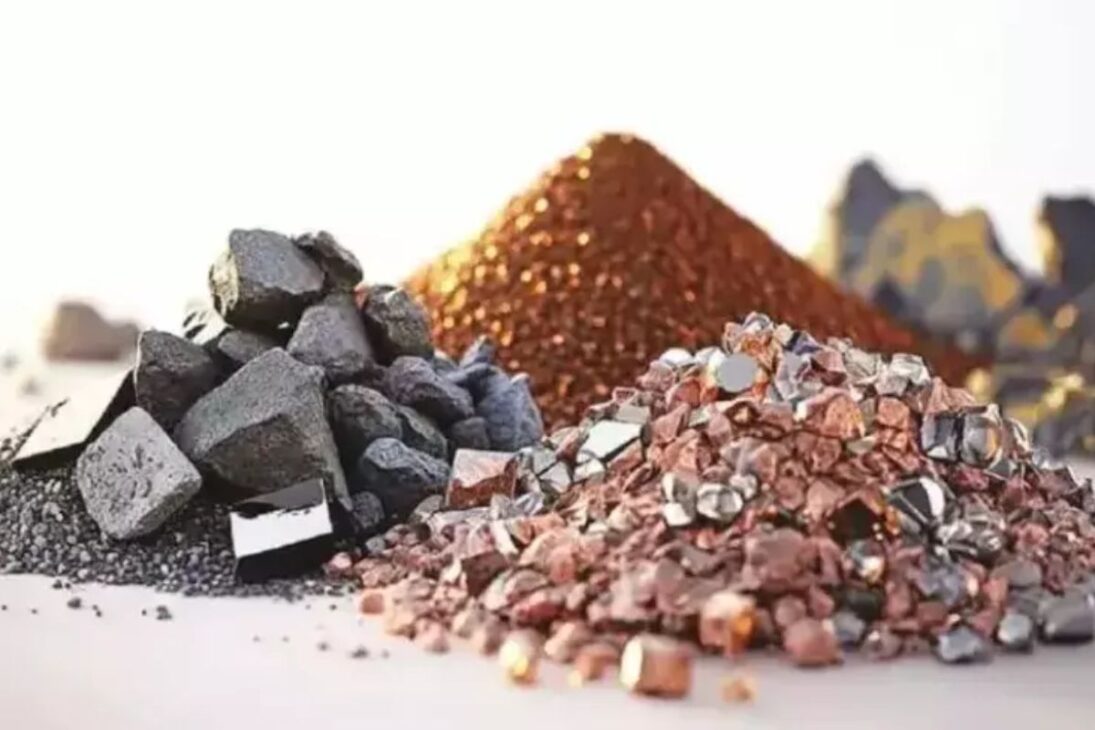
Critical minerals are essential elements for the clean energy technologies that define the 21st-century economy. Lithium, for instance, is the fundamental raw material for electric vehicle batteries, while copper is indispensable for building solar panels, wind turbines, and expanding electrical grids.
-
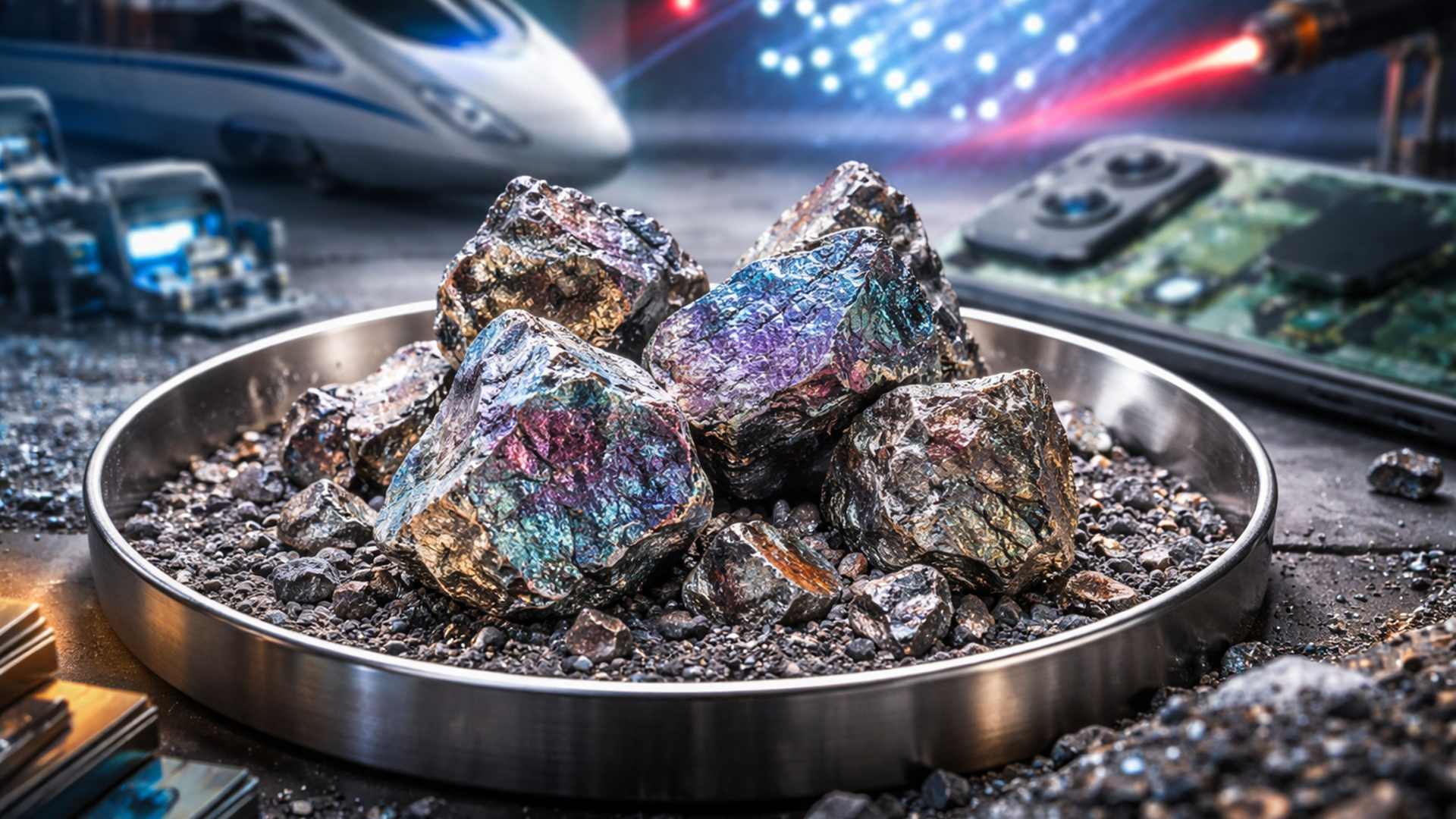
Rare earths are in everything, from cell phones to bullet trains, and what almost no one realizes is why they have become the target of such a delicate global war.
-
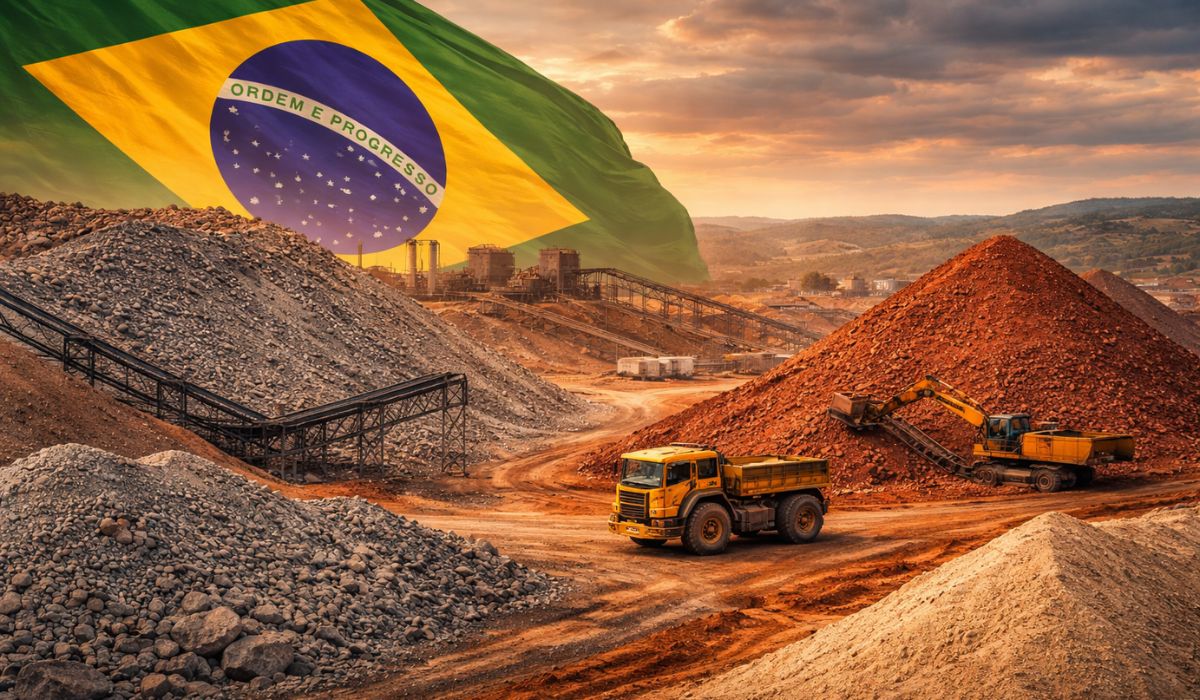
Brazil extracts 26.3 million tons of ore from what was previously treated as waste, transforming residues into wealth, producing over 3 million tons of sand, and demonstrating how national mining is relearning to generate value.
-
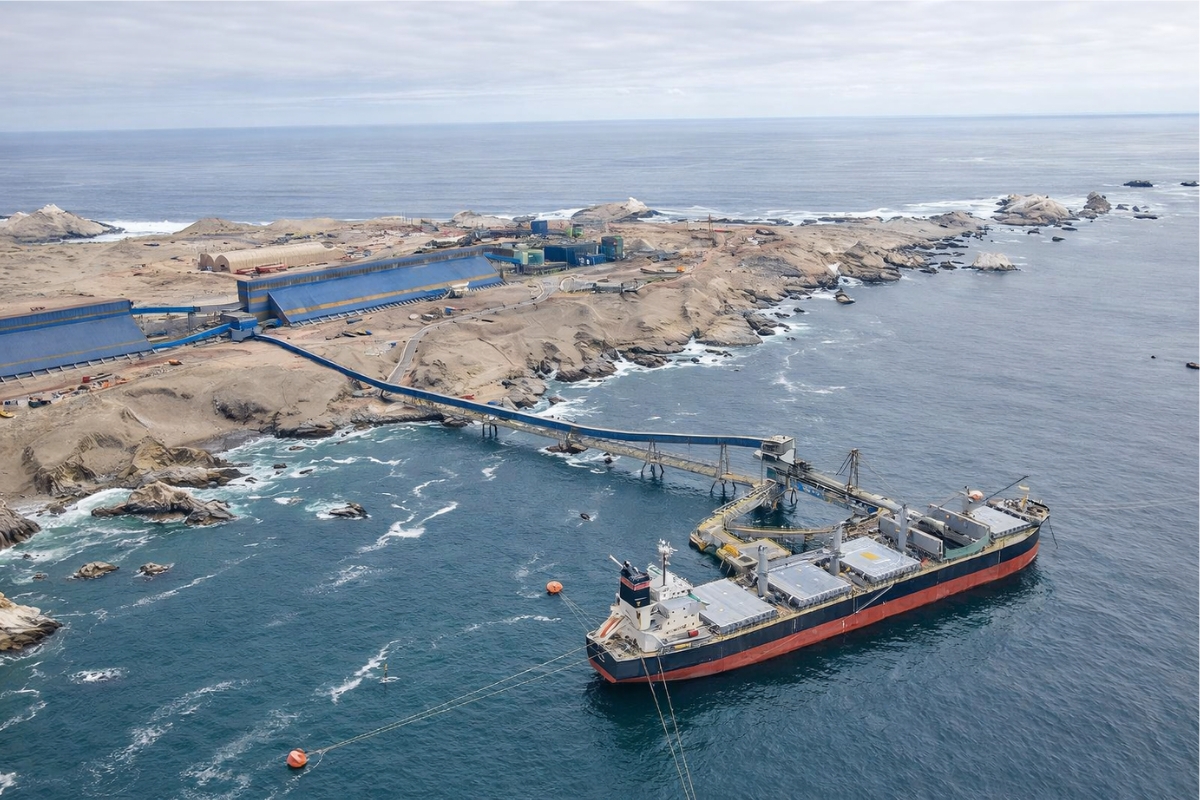
A $3.5 billion megaproject in Latin America pumps desalinated seawater at 1,050 liters per second over 194 km to keep a copper supermine in the Andes operational for another 20 years.
-
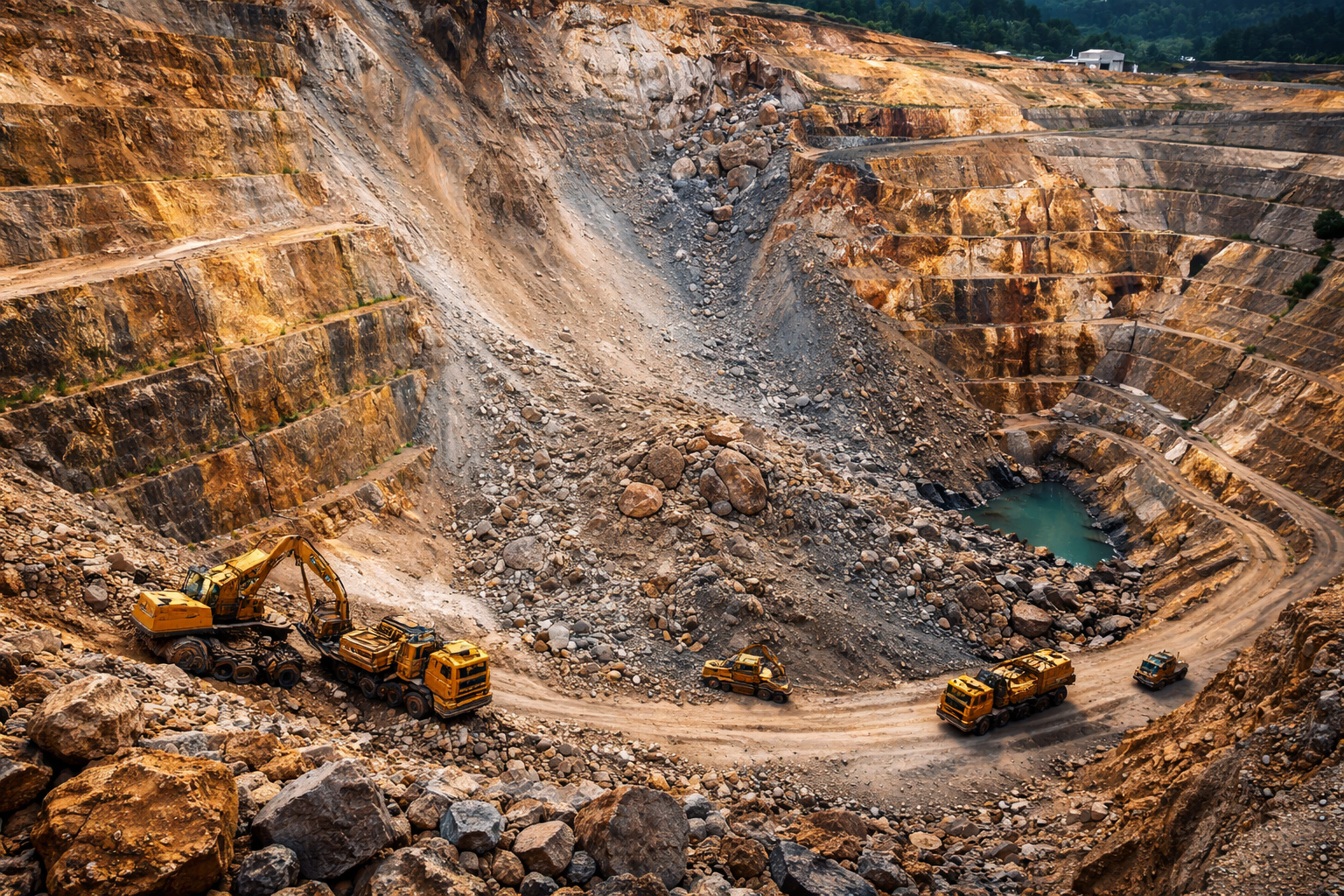
A hidden mine in the Andes valued at nearly R$ 1 trillion is starting to attract global attention, containing copper, gold, and silver, and raises an intriguing question: why do Argentina and Chile need to act together to exploit this gigantic wealth?

The global energy transition, driven by agreements like the Paris Accord (2015), is creating an unprecedented demand for these materials. According to estimates from the International Energy Agency (IEA) in 2023, demand for lithium is expected to increase by 500% by 2030 for the world to meet its net-zero emissions targets.
South America’s Potential: A “Latent Treasure” of Critical Minerals
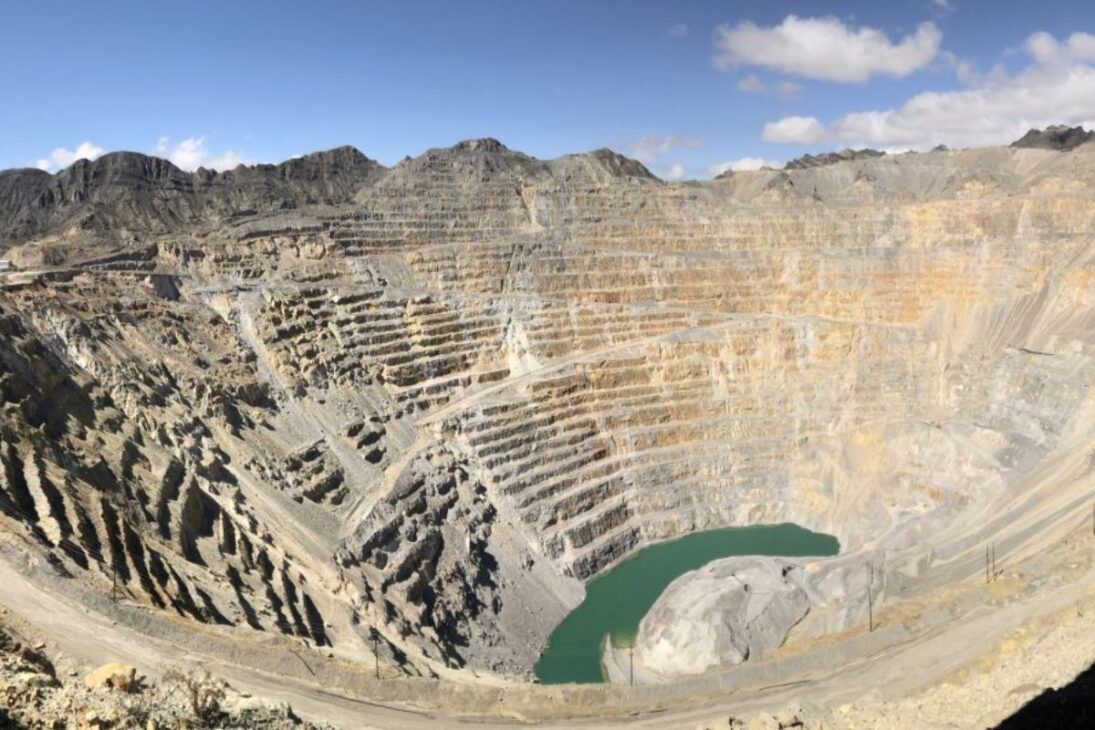
Latin America is at the center of this new resource geopolitics. According to a study by OLADE in January 2024, the region holds 61% of global lithium reserves and 45% of copper reserves. The so-called “Lithium Triangle,” formed by Argentina, Bolivia, and Chile, alone contains half of the world’s reserves of the mineral.
Brazil is emerging as an increasingly relevant player in this scenario. According to the United States Geological Survey (USGS), in 2024 the country already held 5% of global lithium reserves, mainly located in the Jequitinhonha Valley in Minas Gerais. In copper production, led by Vale in Carajás (PA), Brazil is also an important player, with an annual production of 1.5 million tons.
| Country | % of Global Lithium Reserves (2024) | % of Global Copper Reserves (2024) |
| Brazil | 5% | 7% |
| Chile | 40% | 23% |
| Argentina | 10% | 3% |
| Bolivia | 21% | 1% |
The Brazilian Proposal
The Brazilian initiative, presented by Lula at the Mercosur Summit in Asunción, Paraguay, seeks to change the paradigm of exploitation of critical minerals. The proposal is to create a regional policy that encourages local processing, which means processing the raw material to produce higher value products, such as batteries and electronic components.
This strategy aims to avoid “predatory extraction,” a model that historically exports mineral wealth while leaving behind environmental and social impacts. By adding value locally, the region can generate more skilled jobs, attract investments in technology, and strengthen its economic sovereignty.
The Mining Giants in Brazil
Brazil already has major companies operating in the extraction of critical minerals, which would be key players in a potential regional agreement.
Vale S.A.: led by CEO Eduardo Bartolomeo, is the country’s largest copper producer, with massive operations such as the Salobo mine in Pará.
Sigma Lithium: led by CEO Ana Cabral-Gardner, the company has become a global reference in sustainable lithium production at its project in Grota do Cirilo, in the Jequitinhonha Valley, exporting to giants like Tesla and LG.
AMG Critical Materials: also operating in Minas Gerais, the company has a joint venture with Japanese partners for the processing of extracted lithium.
Challenges and the Future of the Agreement for Critical Minerals
Despite the enormous potential, creating a unified policy for critical minerals in South America faces significant challenges. The primary one is the geopolitical landscape. The rivalry between the United States and China for influence in the region and control of supply chains for strategic minerals places South American countries in a delicate position.
Furthermore, the extraction of these minerals poses serious environmental risks, such as the high water consumption in lithium production and the impacts of mining on sensitive biomes like the Amazon. A regional agreement would need to establish stringent sustainability rules and ensure consultation and respect for the rights of indigenous and local communities. The success of the initiative will depend on the ability of South American leaders, like Lula, Gabriel Boric (Chile), and Javier Milei (Argentina), to overcome political differences and build consensus around a fairer and more sustainable development model.
Do you believe that an agreement for the management of critical minerals could strengthen South America’s economy? Leave your opinion in the comments.





-

Uma pessoa reagiu a isso.