





 Portuguese
  English
  Spanish
  5 min of reading
  0 comments


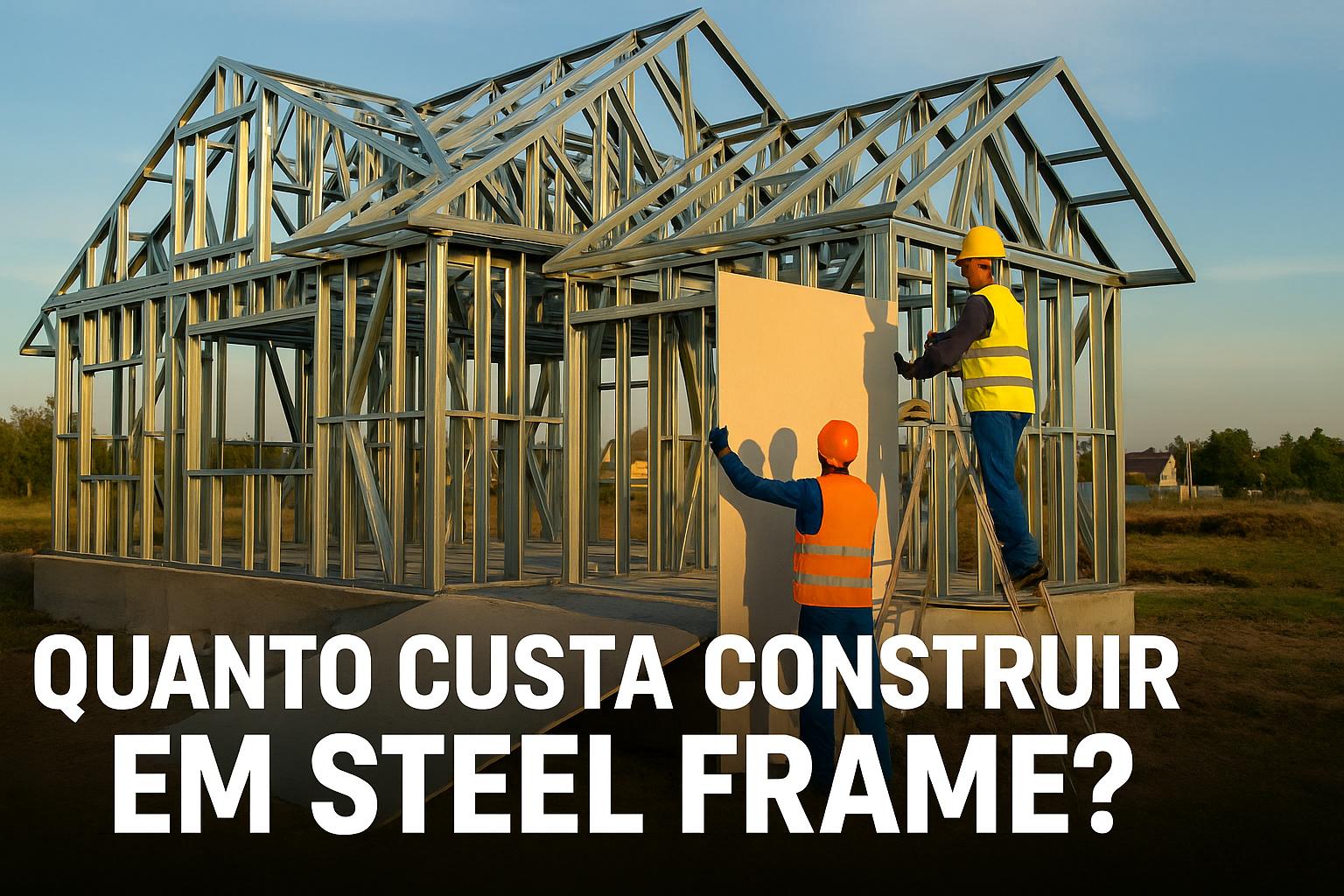
How Much Does It Cost to Build a Steel Frame House in 30 Days? See Real Values, Materials Used, Durability, and Why the System Is Replacing Brick and Concrete in Brazil.
The steel frame has ceased to be an imported trend and has become a concrete reality — and often cheaper on Brazilian construction sites. The system, widely used for decades in the United States, Canada, Japan, and parts of Europe, is now gaining traction in the country thanks to speed, precision, and reduced waste. The question that circulates among those considering building is straightforward: how much does it cost to raise an entire steel frame house in just 30 days?
The answer involves technology, different materials, and a profound change in the logic of traditional construction.
The steel frame is an industrialized construction method that uses lightweight galvanized steel profiles, cement boards or OSB, mineral wool for insulation, and a series of standardized components. Since everything is pre-measured, the construction progresses continuously, without wasted time on concrete curing, excessive labor, or common rework in conventional masonry.
-
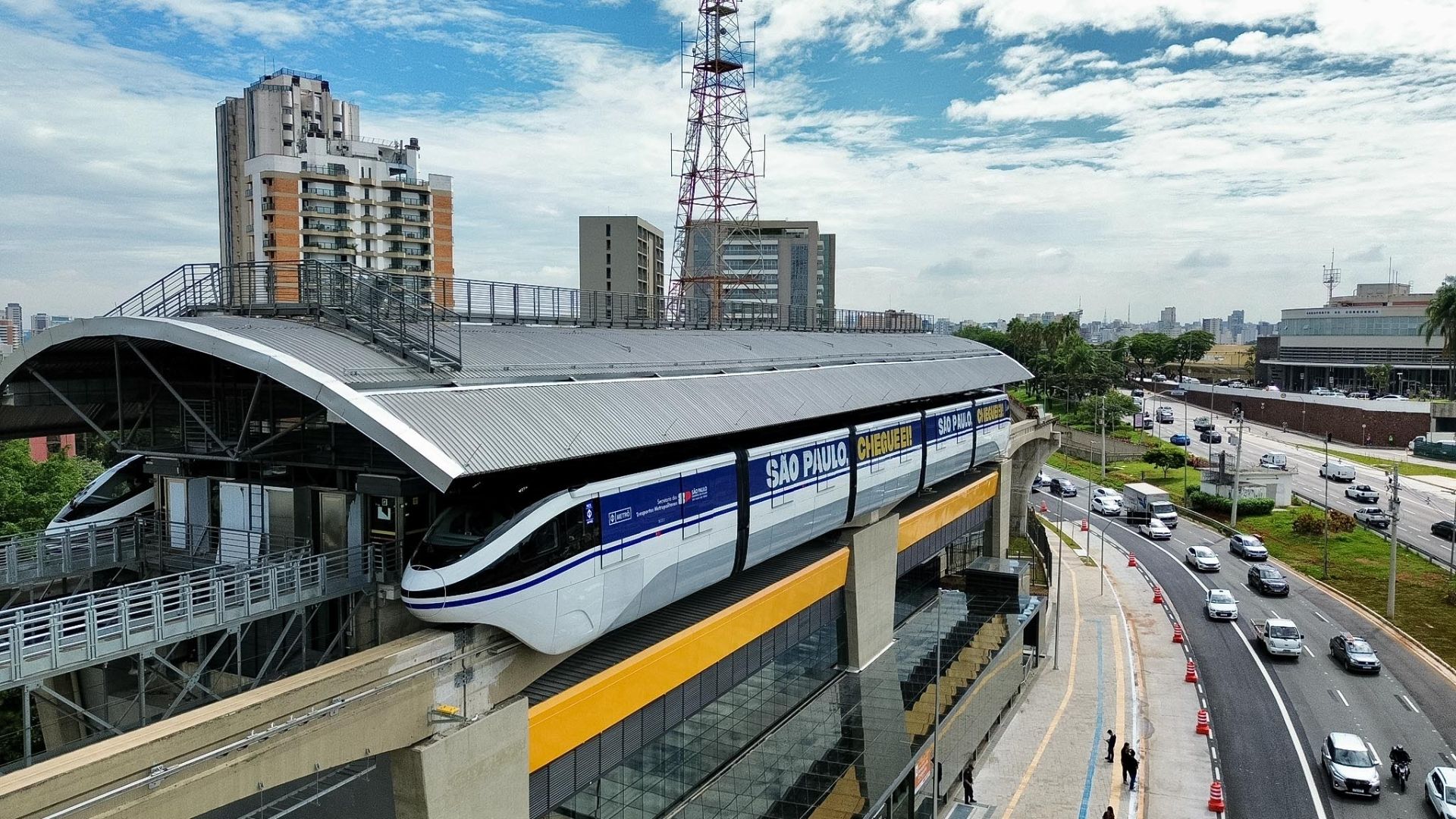
Congonhas receives the monorail promised for the 2014 World Cup after more than a decade of delays and becomes the first airport in Brazil with integrated subway.
-
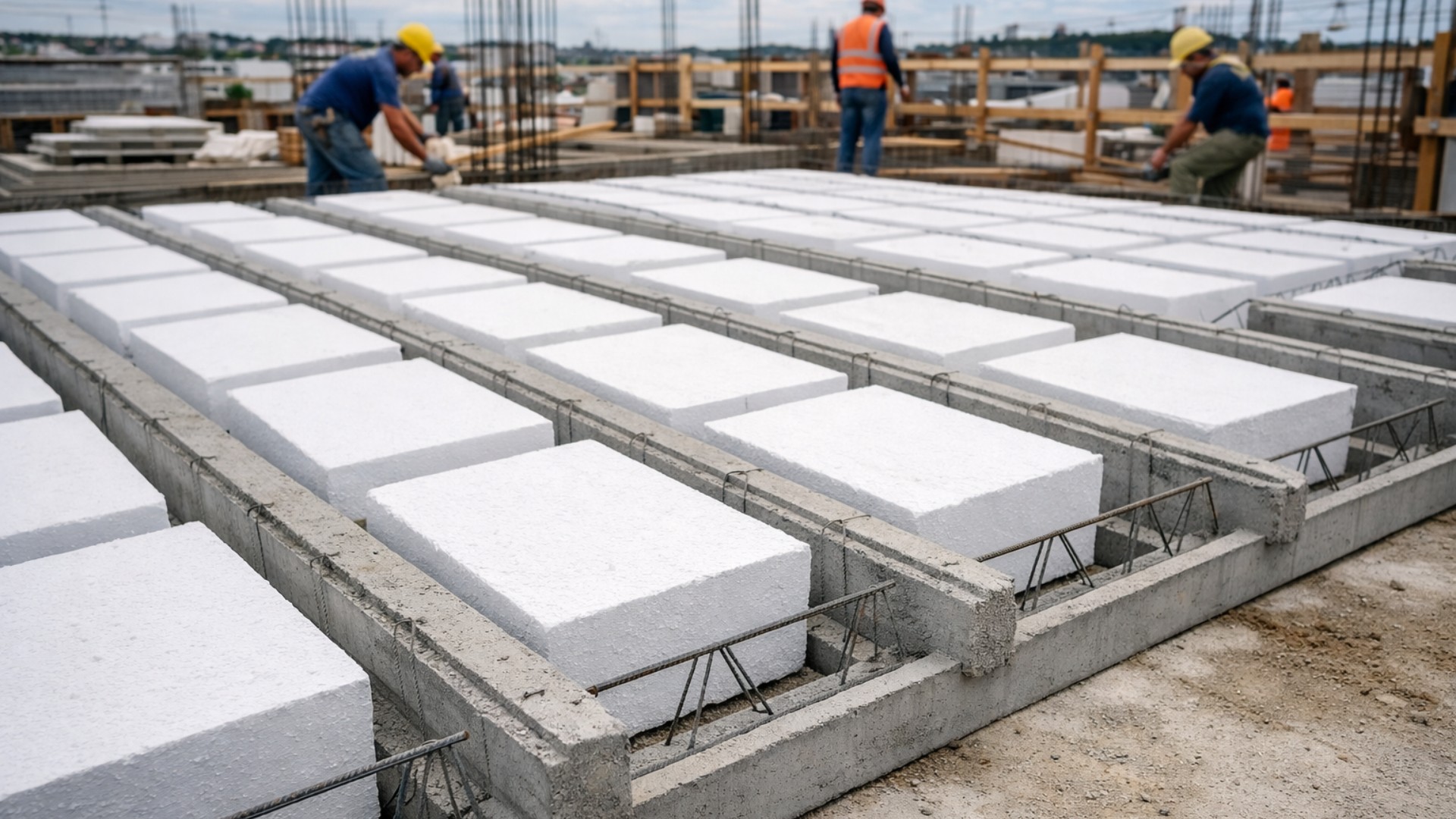
Goodbye, concrete: a new trend in civil construction reduces the weight of the structure by up to 30%, accelerates projects by up to 40%, cuts costs on steel and labor, and improves thermal insulation with EPS.
-
Russian engineers create an innovative propeller blade for aircraft that could completely change the way airplanes and helicopters operate.

-
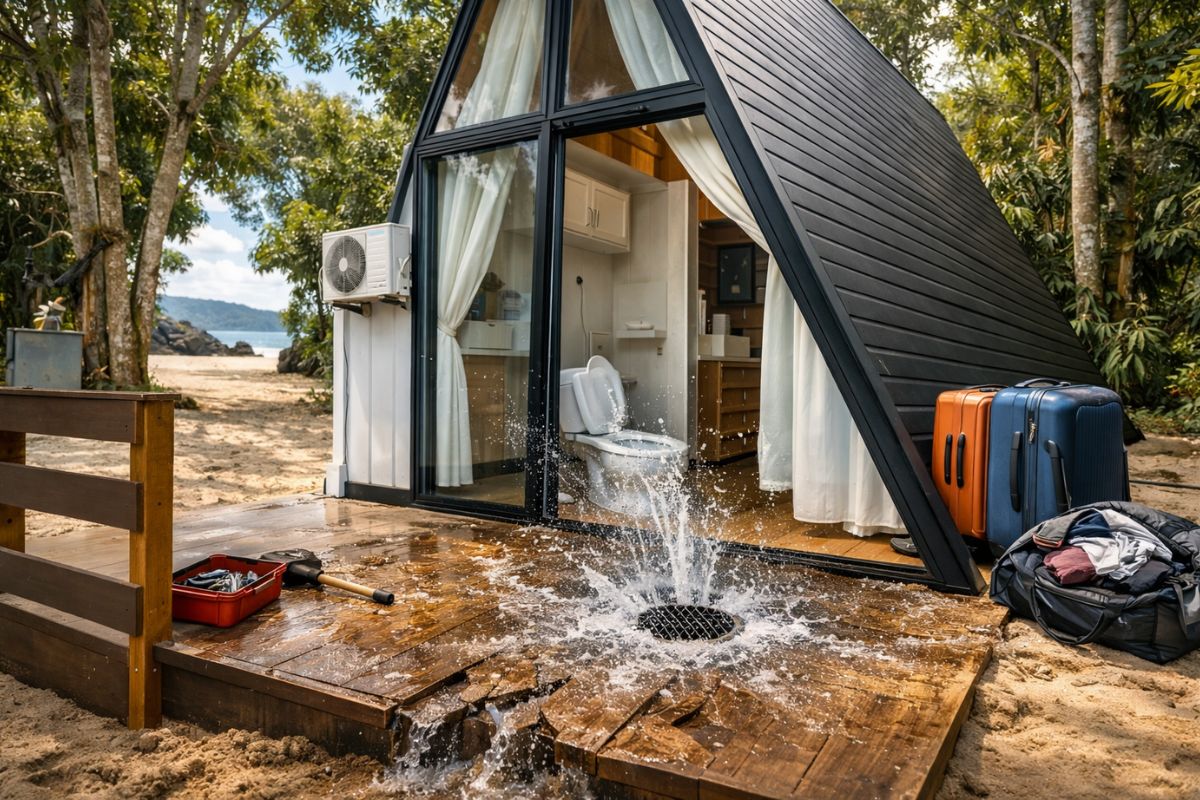
Couple finishes building PVC chalet on the beach on the last day, with air conditioning and curtains, but discovers the bathroom drain is inverted: water escapes from the drain, risking breaking the floor, and the rush continues before the trip.

The Change That Begins in the Structure
The main difference in cost appears right at the beginning. While traditional construction requires larger foundations due to the weight of bricks, the steel frame allows the use of lighter rafts or footings.
This reduces the consumption of concrete and steel by up to 40%, according to companies in the sector and technical publications from the Brazilian Institute of Dry Construction (IBRACON and IBS).
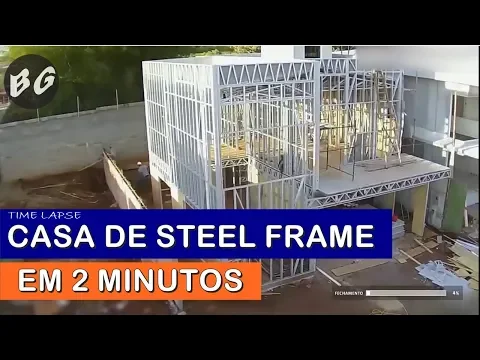

With the land prepared, the assembly of the metal structure is quick. Profiles are cut and fixed with millimeter precision. There is no improvisation, no last-minute adjustments. The construction works like a large industrial kit.
This process allows houses of 50 to 100 m² to be completed in 20 to 40 days, depending on the finishing, the weather, and the team.
How Much Does It Really Cost to Build a Steel Frame House
Prices vary according to region, finishing, and labor, but it is possible to present values widely practiced in Brazil in 2024 and 2025, according to specialized construction companies, panel manufacturers, and data gathered by the Dry Construction Brazil portal.
A medium-standard steel frame house costs between:
R$ 2,000 and R$ 3,200 per square meter (considering structure, enclosure, insulation, plumbing and electrical installation, frames, and basic finishes)
This means that:
• 40 m² house → R$ 80,000 to R$ 128,000
• 60 m² house → R$ 120,000 to R$ 192,000
• 80 m² house → R$ 160,000 to R$ 256,000
• 100 m² house → R$ 200,000 to R$ 320,000
In traditional masonry, these values typically rise to R$ 2,800 to R$ 4,500 per m², depending on the region, because the process is slower, requires more labor, and involves significant waste of materials.
Thus, even if it is not always the cheapest method, the steel frame delivers a more predictable final cost, without surprises or budget overruns — one of the biggest problems in Brazilian construction.
Why the Work Takes So Little Time
The secret lies in the fact that the steel frame is a dry system. There is no waiting for concrete curing, no need to break walls to fix plumbing, no application of mortar in large volumes. What would take months in conventional construction transforms into weeks.
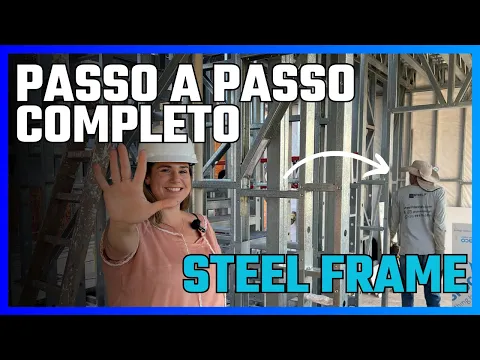
The typical schedule for a house between 50 and 100 m² follows a well-defined line:
• 5 to 7 days for foundation and raft
• 10 to 12 days for assembling the metal profile structure
• 7 to 10 days for dry floors, electrical and plumbing installations
• 7 to 12 days for closures, panels, painting, and finishing
The result is that with a trained team, 30 working days are enough to deliver a functional house, without rework and already with superior thermal comfort compared to masonry.
Thermal Comfort: One of the Major Differentiators
One of the most common myths is that steel frame houses would be “hot” or “fragile.” The reality is the opposite.
Since the system uses rock wool, fiberglass, or EPS inside the walls, the thermal performance is superior to that of conventional blocks. In tests conducted by IPT and the Brazilian Association of Drywall, the internal variation can be up to 5 ºC lower on intensely hot days.
Acoustic insulation also surprises. Double walls with mineral wool achieve certified indexes of 48 to 55 decibels, comparable to high-quality brick walls.
Durability and Resistance
The galvanized steel used in the structures has protection against corrosion and aging. When well executed, a steel frame house has a lifespan equivalent to that of traditional constructions. In countries like the USA, Canada, and Australia, there are steel frame buildings over 60 years old.
The system also shows excellent performance against termites, fungi, and infiltrations when installed correctly. Since it does not use structural wood, it eliminates one of the most common problems in humid regions of Brazil.
Cost Savings on Maintenance Over the Years
After completion, the house requires fewer repairs. Since the walls are modular, any modifications like running new cables or expanding rooms are much simpler. This reduces costs and prevents the need for the “breaking” of the construction as in traditional masonry.
Additionally, the steel frame generates up to 70% less debris, according to sector data, and uses less water, making the process more sustainable and economical.
What Can Increase the Cost of a Steel Frame Project
Although the system is quick, precise, and controlled, some factors can elevate the total cost:
• poorly skilled labor in some areas
• premium finishes (porcelain, noble stones, and high-standard frames)
• lots requiring deep foundations
• transportation of materials in remote areas
Even so, even with additional costs, the time saved and the reduction in waste usually compensate.
Why Steel Frame Is Replacing Traditional Masonry in Brazil
The expansion of this method in the country reflects profound transformations in the construction industry. The modern consumer wants predictability, quick work, and less bureaucracy. Builders want standardization, scale, and less waste. And engineers seek energy efficiency and lower environmental impact.
The steel frame combines all of this into one system. It is quick, technical, safe, sustainable, and compatible with the future of construction.
In the end, what once seemed like a distant foreign method has now become a concrete path for those looking to build with quality, economy, and a short timeline without sacrificing comfort and durability.






-

Uma pessoa reagiu a isso.