





 Portuguese
  English
  Spanish
  5 min of reading
  0 comments


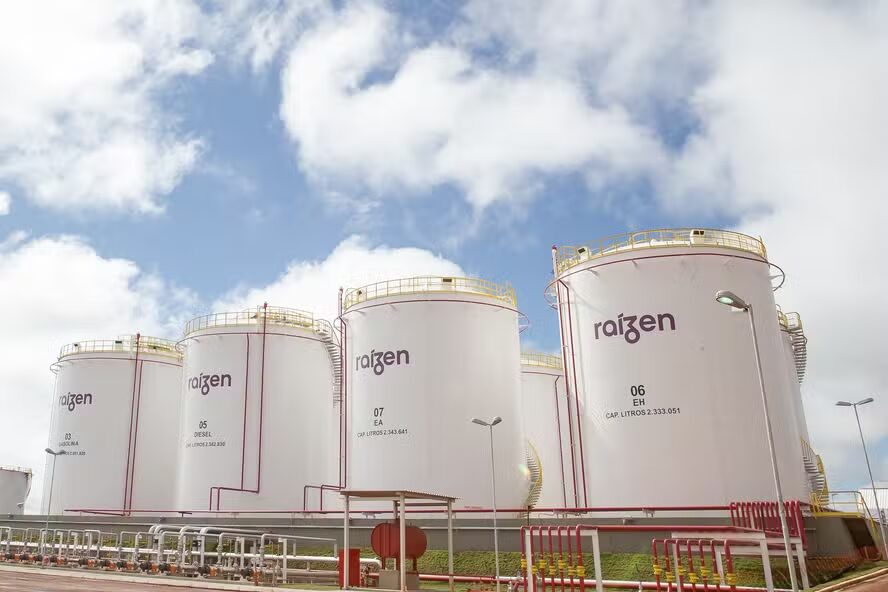
The Sale Of The Leme Plant By Raízen May Represent A Turning Point For The Brazilian Sugar-Energy Sector, Directly Affecting The Bioenergy Market And Local Players, As Well As Generating Repercussions On The Regional And National Economy.
Raízen, one of the largest companies in the energy and bioenergy sector in Brazil, announced the sale of its Leme sugar cane plant for R$ 425 million.
This move is part of a divestiture package by the company, aimed at optimizing its portfolio and reducing debt.
The transaction was carried out between Raízen and the companies Ferrari Agroindústria S.A. and Agromen Sementes Agrícolas, which take over control of the plant located in the Piracicaba hub in São Paulo.
-
Weak dollar or strong real? The American currency plummets for the third day, approaching R$ 5 and surprising the market with global inflation and tensions in the Middle East that continue to create global uncertainty.

-
China’s investments in Brazil in factories, energy, oil, electric cars, and new industrial projects double to $4.2 billion, making the country the 3rd largest global destination for Chinese capital.

-
Lula announced that 160,000 students in debt with FIES will be included in the federal government’s renegotiation package and compared the cost of an inmate to that of a student by saying that Brazil invests in criminals when it does not invest in education.

-
Young people are leaving college in the United States and competing for jobs in construction with salaries of R$ 500,000 per year.

The decision to sell the unit had already been anticipated in December 2024, when Raízen informed the market of its intent to divest approximately R$ 1 billion.
The sale of the Leme plant reflects Raízen’s strategy of recycling its asset portfolio, with the aim of capturing greater agro-industrial efficiency and reducing financial leverage.
The unit that was negotiated has an installed production capacity of 1.8 million tonnes of sugar cane per harvest, making the Leme plant one of the major producers in the sector.
In addition to the industrial plant, the operation includes the transfer of approximately 1.5 million tonnes of sugar cane that will be used by the new management.
Transaction Reflects The New Directions Of Raízen And The Sugar-Energy Sector
The sugar-energy sector has undergone transformations in recent years, focusing on greater operational efficiency and adapting to the new demands of the renewable energy and bioenergy market.
By making this sale, Raízen signals the continuation of its portfolio adjustment strategy, adopting measures to optimize its assets with the highest profitability potential while divesting non-essential operations.
Raízen, a joint venture between Cosan and Shell, has established itself as one of the leading producers of ethanol, sugar, and electricity from sugarcane biomass.
The company has focused on a more robust asset portfolio aligned with its sustainable growth goals.
However, the sale of the Leme plant is only part of a broader strategy, which also includes reducing debt and strengthening its cash flow.

The Importance Of The Piracicaba Hub For The Paulista Economy
The Piracicaba hub, located in the interior of São Paulo, is one of the largest centers for sugar cane and ethanol production in Brazil.
The region is of great importance for the national economy, as it concentrates a significant portion of sugar, alcohol, and bioenergy production, essential products for domestic supply and exports.
The transaction involving the Leme plant strengthens the presence of the Ferrari Agroindústria S.A. and Agromen Sementes Agrícolas, which from now on will play a fundamental role in developing agribusiness in the region, managing a large-scale production unit.
Ferrari Agroindústria, in partnership with Agromen Sementes Agrícolas, brings a history of excellence in agricultural production and in the sugar cane sector to the operation.
The synergy between the two companies may result in improvements in operational efficiency and increased competitiveness of the Leme unit, contributing to the expansion of the bioenergy and ethanol market in Brazil, which are increasingly demanded renewable energy sources, especially to supply the country’s energy matrix.
Raízen’s Divestment Strategy: Focus On The Future Of The Energy Sector
Raízen, as one of the leaders in the sugar-energy sector, has adapted to the market’s global transformations, which demand greater efficiency and innovation in the use of natural resources.
The company’s asset portfolio reflects its commitment to sustainability, one of the pillars of its business strategy.
The sale of the Leme plant is just one of several divestment decisions that Raízen has been making to ensure a more sustainable and financially solid future.
The company, in addition to producing ethanol, sugar, and bioelectricity, is also investing in renewable energy, focusing on expanding its biofuel portfolio and producing electricity from renewable sources.
This transformation aligns with global trends of decarbonization and the adoption of cleaner and more sustainable energy sources.
By divesting assets that are no longer part of its strategy, Raízen is repositioning itself to concentrate its efforts in areas with greater growth potential and in line with the growing demand for more efficient energy solutions.
The sale of the Leme plant also aims to reduce Raízen’s debt, a move that can positively impact the financial health of the company, allowing it to reinvest in its strategic areas and strengthen its position in the bioenergy and renewable energy market.
The Role Of The Sale In The Context Of Changes In The Brazilian Agro-Industrial Sector
Brazil, one of the largest producers of sugar and ethanol in the world, is undergoing a transition in the agro-industrial sector.
The search for greater efficiency in the use of land and sugar cane is driving technological innovations, as well as fostering new business models in the bioenergy sector.
The operation involving Raízen and the companies Ferrari Agroindústria and Agromen Sementes Agrícolas represents a significant change for the market, focusing on the expansion of production potential and strengthening regional operations.
The sale of plants and industrial assets is not new in the sector, but it is increasingly common to see large agribusiness companies adopting a more strategic posture aimed at maximizing the use of existing resources.
Raízen, with its sale, places the focus on innovation and its adaptation to the future of bioenergy.


The Future Of The Operation And Its Impacts On The Sugar Cane Market
After the completion of the operation, which is still subject to approval from the Administrative Council for Economic Defense (Cade), the companies Ferrari Agroindústria S.A. and Agromen Sementes Agrícolas are expected to take over the management of the Leme plant, maintaining its production capacity and operational efficiency.
It is expected that with the new management, the plant will continue to play an important role in the production of ethanol and sugar, in addition to contributing to the bioenergy market.
With the increasing demand for renewable energy solutions, the bioenergy market, led by sugar cane, becomes increasingly relevant for Brazil and the world.
The transaction by Raízen reflects this paradigm shift, where companies need to constantly adapt to ensure economic and environmental sustainability.
And you, how do you see the impact of this transaction on the future of the sugar-energy sector? Comment below!









Seja o primeiro a reagir!