





 Portuguese
  English
  Spanish
  3 min of reading
  1 comment




Electric Mobility Revolutionizes the Asian Market with Microcars Priced Like Bicycles. Understand Why This Model Is Going Viral.
Imagine buying a brand new electric car for less than an entry-level motorcycle in Brazil. Sounds impossible? In China, this reality already exists. Compact models, with reasonable range and extremely affordable cost, are hitting the streets and attracting global attention — including from Brazilians.
A Revolution That Starts Small
One of the main exponents of this new category of ultracompact vehicles is the ChangLi Nemeca, currently considered the cheapest electric car in the world. Manufactured by a small Chinese company called Changzhou Xili Vehicle, the model can be purchased online for approximately US$ 1,000, a price that, when converted to Brazilian reais with fees, hovers around R$ 6,000 to R$ 9,000, depending on the exchange rate and shipping.
With a simple and functional design, the ChangLi is aimed at short urban commutes, especially in smaller cities or suburban areas. It has a capacity for two or three people, depending on the version, and its structure resembles more a reinforced golf cart than a conventional automobile. Still, it meets the basic personal mobility needs at a nearly symbolic cost.
-
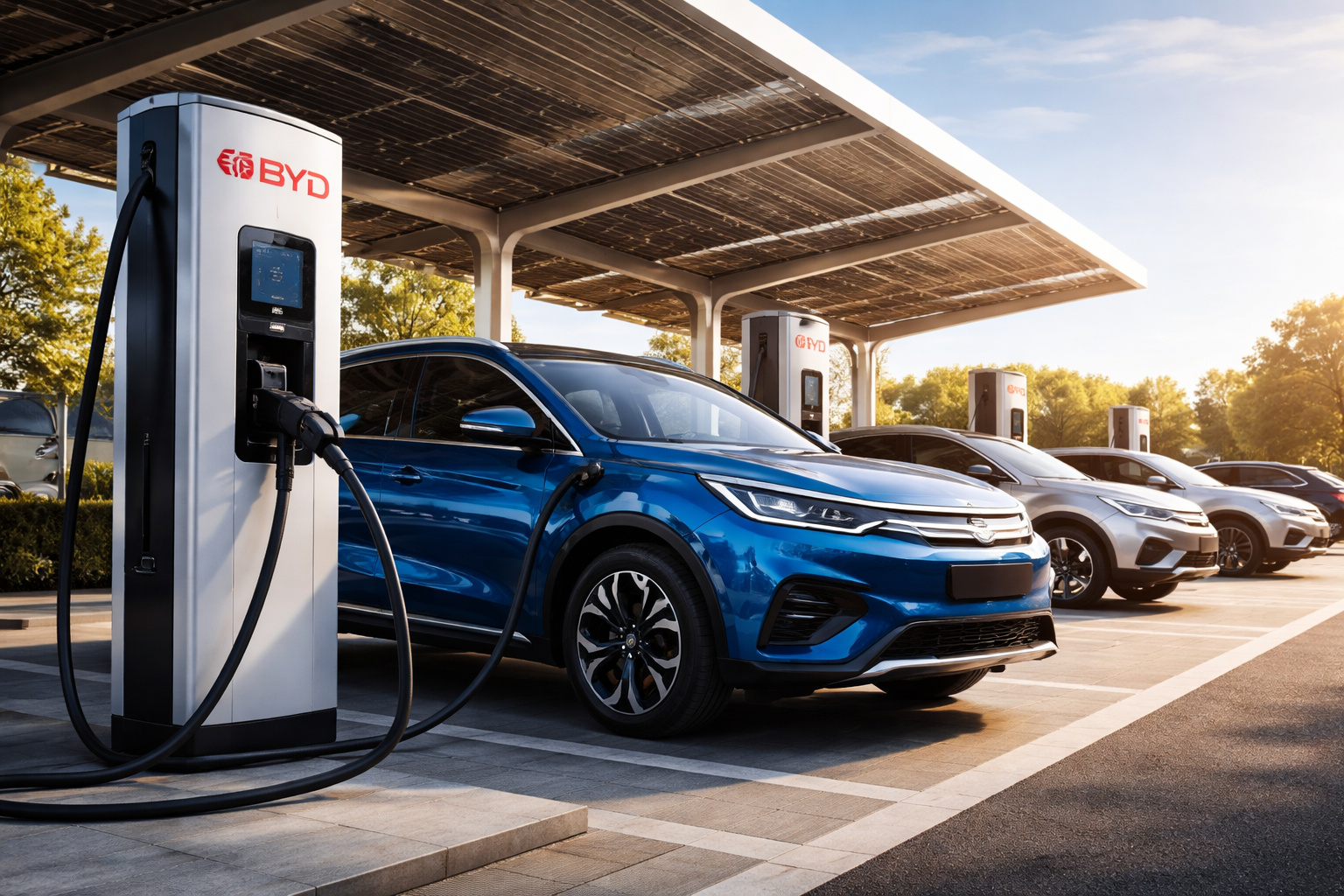
Largest public charging network in Brazil: BYD reaches 125 fast chargers and accelerates national expansion of electric mobility.
-
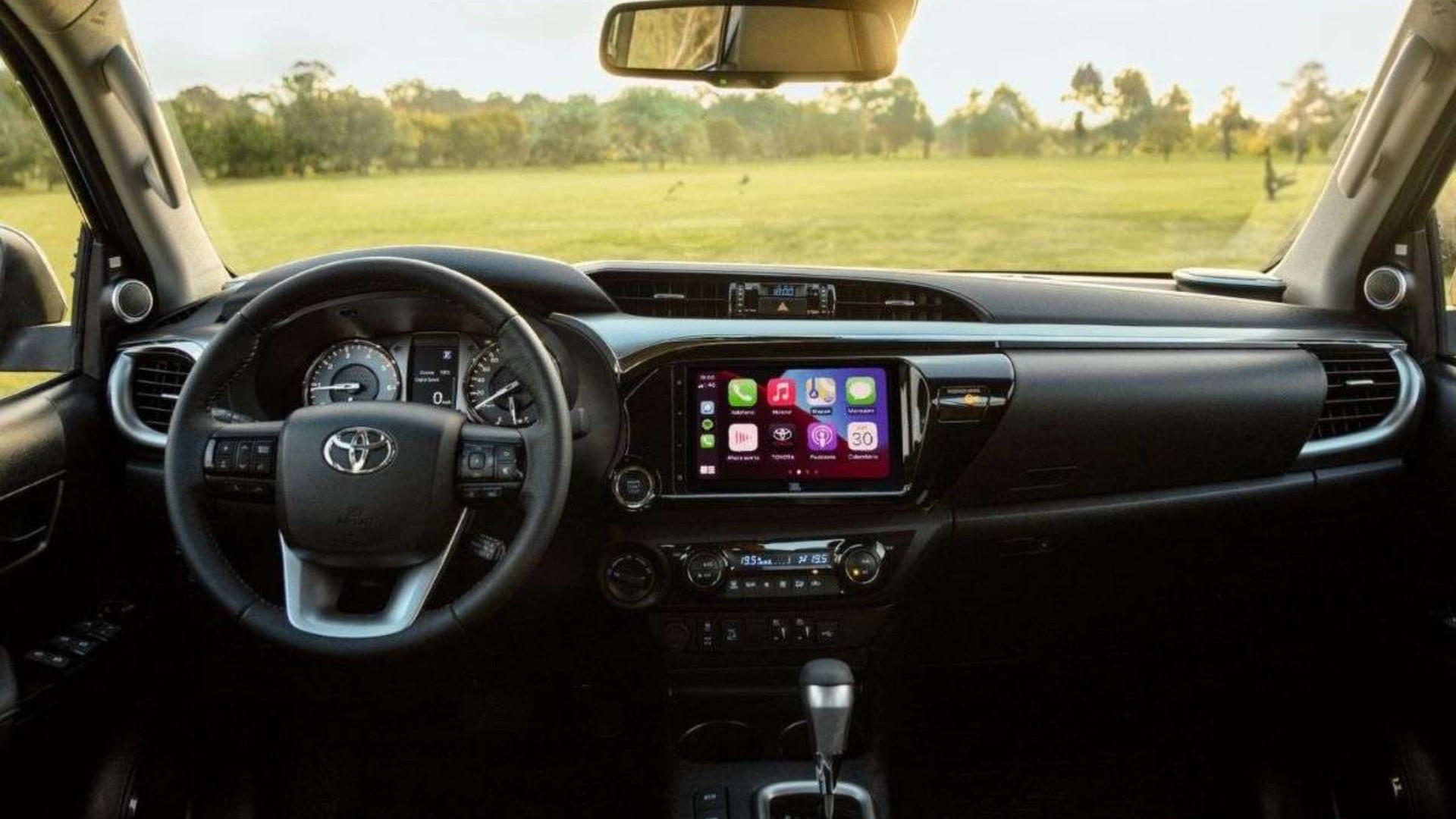
The Toyota Hilux is R$ 75.5 thousand cheaper and bets on the 2.8 turbodiesel engine with up to 204 hp and 50.9 kgfm to catch up with the VW Saveiro, which leads with 4,472 sales.
-
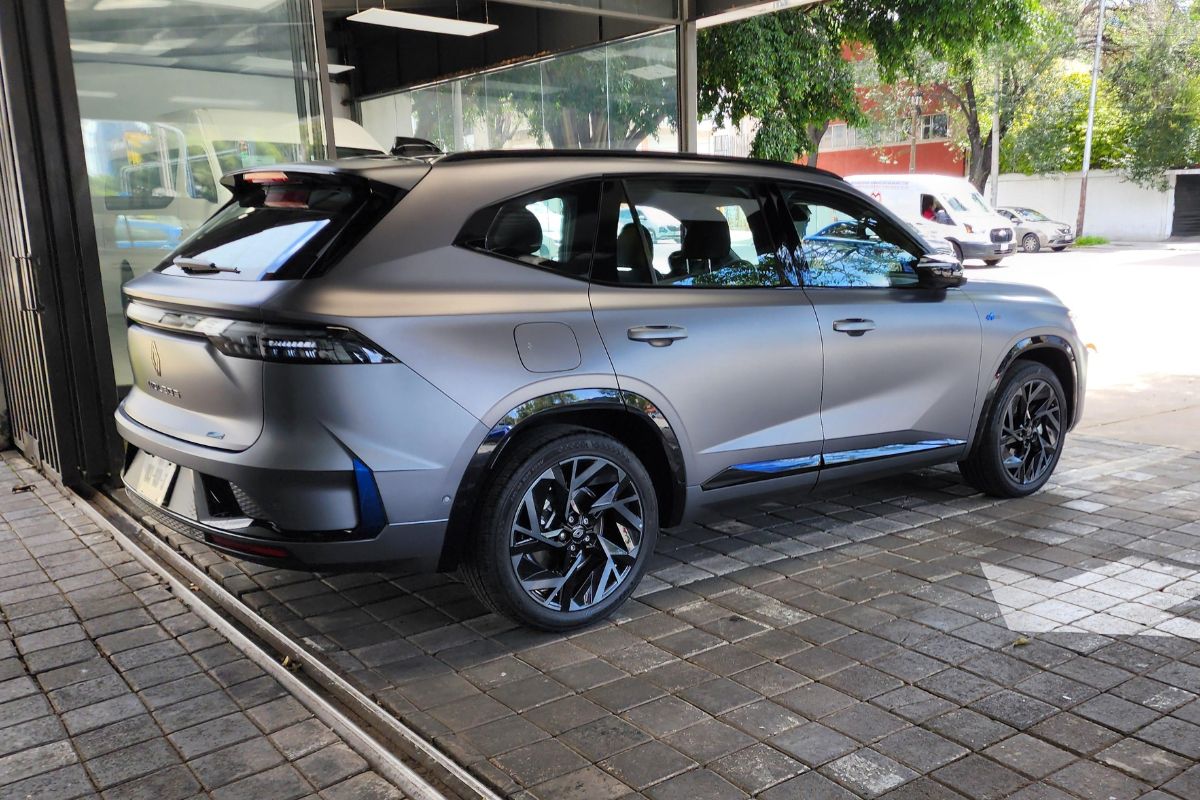
The new Renault Koleos has a screen exclusively for the passenger that is invisible to the driver, heated rear seats, and 29 assistance systems, but its Chinese competitors cost R$ 40,000 less and deliver more power.
-
The car stored for 38 years: when opening the barn door, what appears is breathtaking and looks like a scene from a movie!



Surprising Specifications for the Price
Despite the extremely low price, the ChangLi Nemeca offers features that are impressive. Here are some highlights:
- Range: up to 40 km per charge
- Top Speed: between 30 and 45 km/h
- Charging Time: about 7 to 10 hours on a conventional outlet
- USB Port and simple digital dashboard
- Dimensions: 2.5 meters long and less than 1.3 meters wide
The vehicle is powered by a small set of lead-acid batteries or, in more expensive versions, lithium-ion batteries. Being extremely lightweight, with a weight below 300 kg, it can move efficiently even with low power.
A Success on Social Media — and in Warehouses
The popularity of the ChangLi has grown considerably in recent years, especially after viral videos on YouTube and TikTok showed the car being delivered in boxes, as if it were an appliance. Many buyers import it through platforms like Alibaba, where they can customize the model with paint jobs, sunroofs, radios, and other perks.
However, it is important to highlight that these vehicles are not approved for use on public roads in Brazil. Here, the National Traffic Department (Denatran) requires that any motor vehicle follow strict safety standards, including airbags, ABS brakes, and crash testing.
Potential for Brazil?
The arrival of similar models in the national market still faces barriers, but experts point out that interest in affordable electric mobility is only expected to grow. Cities with flatter urban structures and less intense traffic could benefit from adapted versions, provided they are properly regulated.
In an interview with the portal Electrek, mobility engineer Michael Goldsmith stated:
“These cars are a direct response to the accessibility crisis in transportation. If adapted to local standards, they could transform urban mobility in developing countries.”
Brazilian companies are already beginning to study similar projects, such as Movi, a startup in São Paulo testing an electric microcar with an estimated price of R$ 25,000. While still expensive by ChangLi standards, it represents an emerging trend.
Is the Future Minimalist and Electric?
While many Brazilians still see cars as a status symbol, a new generation of consumers is starting to value autonomy, practicality, and cost-effectiveness. Models like the ChangLi show that the mobility revolution can come in a small package at a price that fits the budget.
For now, importing such a car requires technical knowledge, extra shipping costs, and, in many cases, restricted use to private properties or rural areas. However, the seed has already been planted. And the future of mobility — especially in times of expensive fuel — could be smaller than one might imagine.









Lembra mais um tuc-tuc do que um carro de golfe 😕😅 mas gostei 😏 pra quem tem pouco espaço e pouca verba, parece muito interessante ☺