





 Portuguese
  English
  Spanish
  4 min of reading
  5 comments


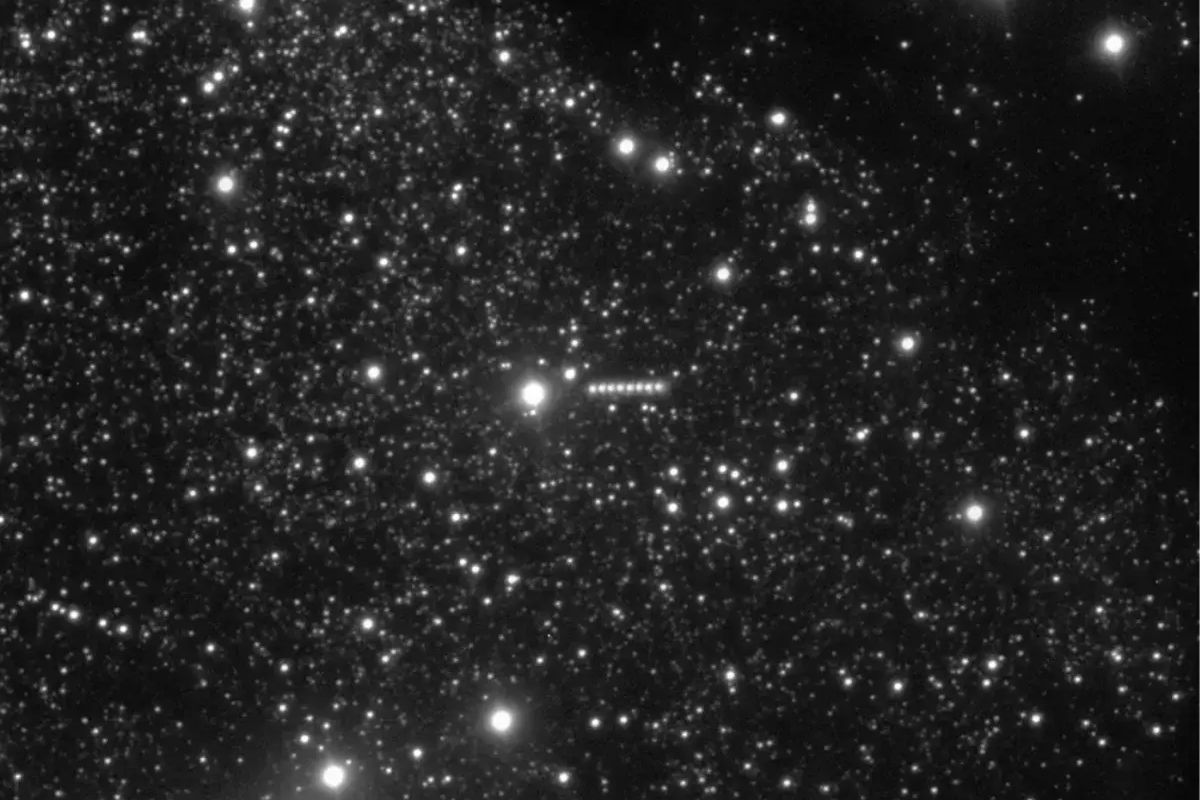


When NASA Fell Silent, It Was India That Kept Space Alive and Tracked the Comet at the Most Critical Moment of the Interstellar Mystery
When NASA’s automatic transmissions were interrupted by a temporary U.S. government shutdown, a void opened up in deep space monitoring. The 3I/ATLAS, a rare interstellar visitor, was following its enigmatic course, and the scientific community lost contact just as it reached the peak of its observation.
While the West faced a data blackout, the East kept its eyes on the sky. India, with its network of interconnected observatories and teams of astrophysicists on alert, took on the responsibility of continuing the tracking. It was this collective effort that prevented the 3I/ATLAS from disappearing into darkness, preserving essential data about its trajectory and composition.
The Silence of the West
At the end of October, the U.S. government shutdown directly affected NASA’s communication channels.
-
A Brazilian recounted how a sudden malaise triggered the entire hospital machinery in the United States, with emergency protocols, tests to rule out a heart attack, and a bill that could reach $40,000.

-
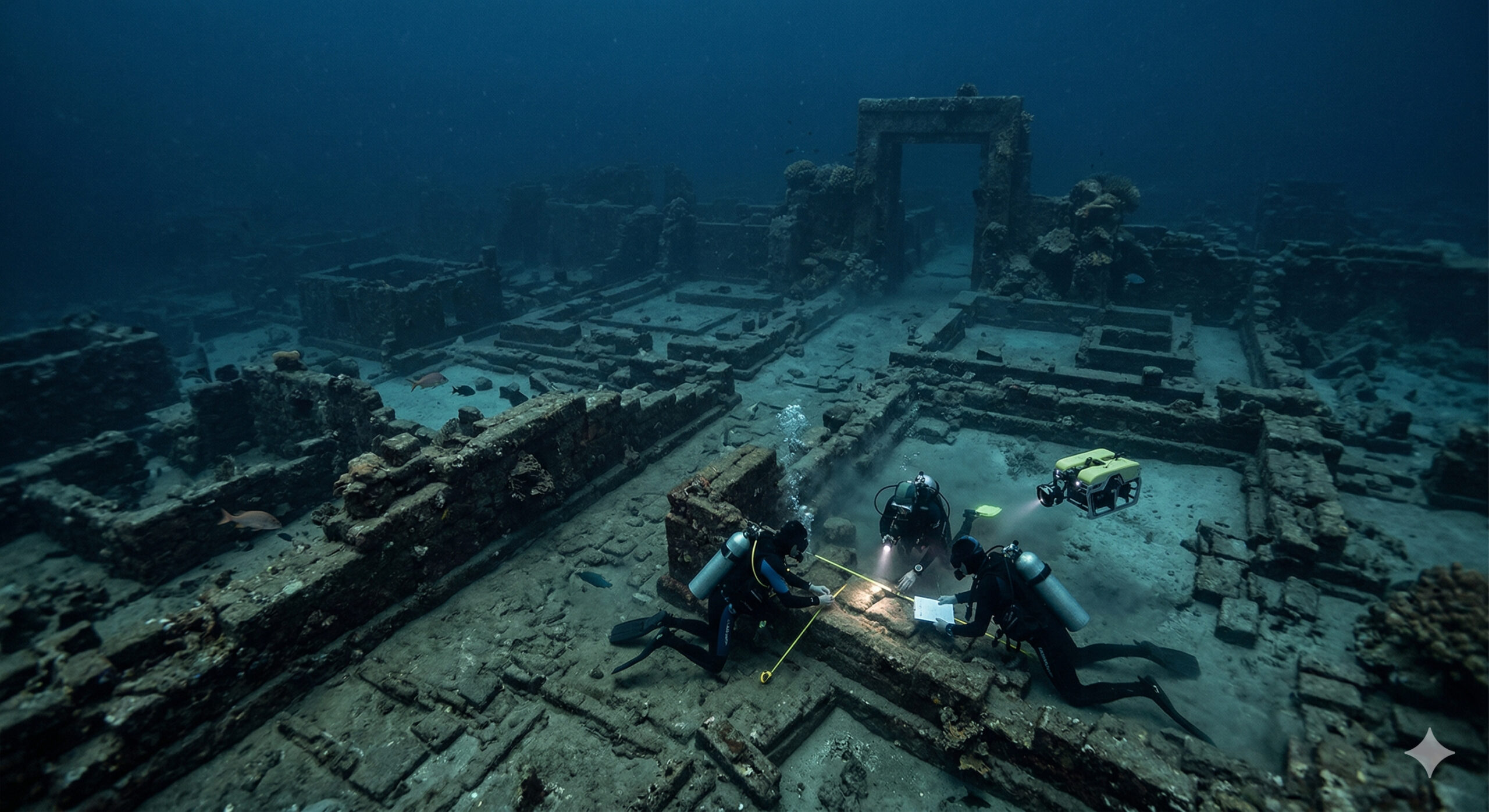
Discovered just 4 meters deep, a 5,000-year-old submerged city with streets, tombs, and trade signs with Crete reveals how one of the oldest civilizations in the world lived before disappearing beneath the sea.

-
The new “monster” submarine of the United States Navy weighs nearly 8,000 tons, is 115 meters long, does not require fuel, and can operate for long periods submerged; meet the USS Massachusetts (SSN-798), which arrives to strengthen the military power of the U.S. amid global tensions.
-
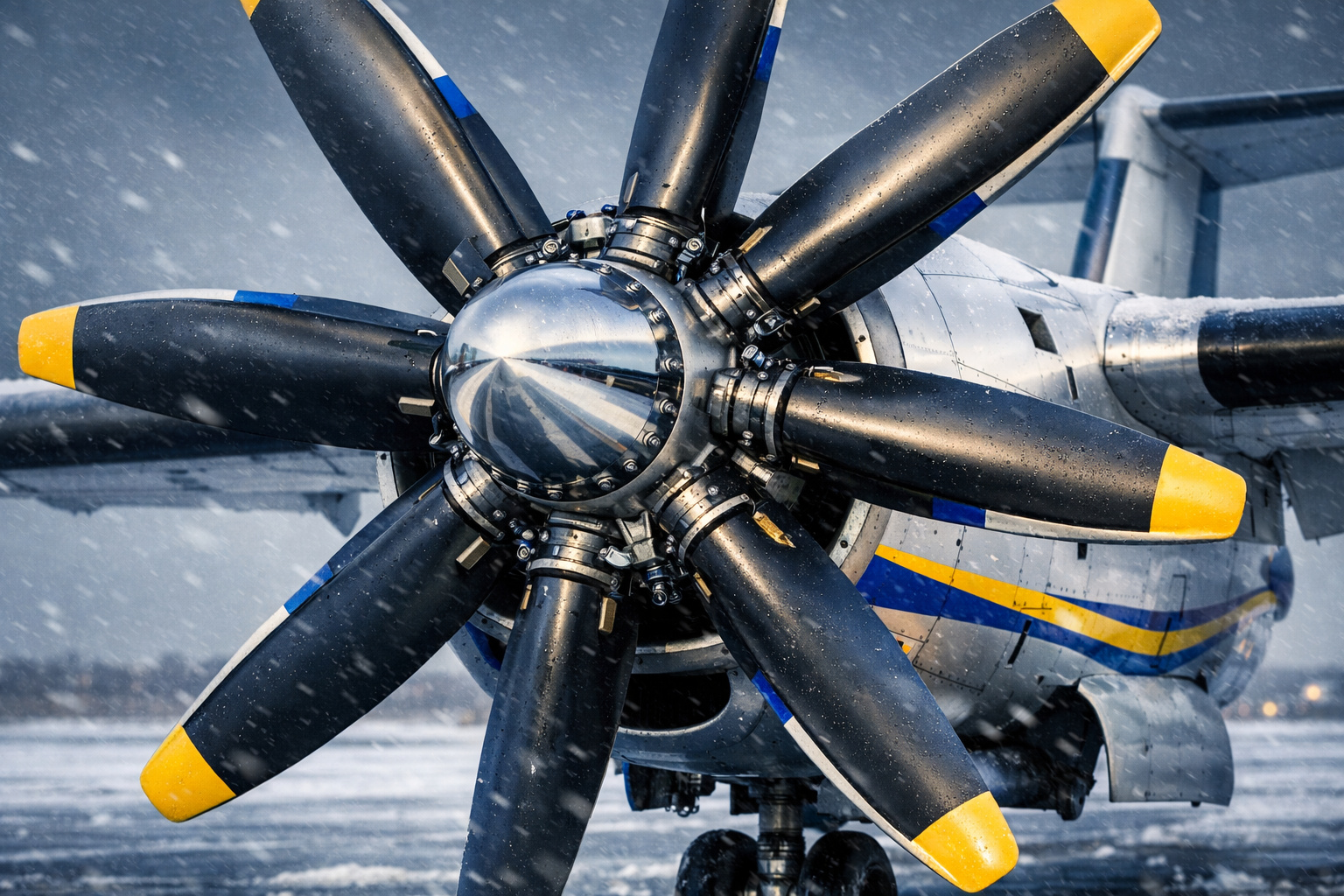
In Sweden, Embraer subjects the KC-390 to rigorous testing in extreme cold, conducts operations in the snow with 100% success, and expands its presence among NATO countries.

Without access to monitoring platforms, astronomers around the world were left without updates on the 3I/ATLAS, the third interstellar object ever identified in history.
The information vacuum turned a simple administrative pause into a global collapse of astronomical data.
During critical hours, research networks relying on NASA’s servers became isolated.
The delay in coordinates not only hindered synchronized observations but also threatened to compromise the complete record of an event that occurs perhaps once in a generation.
India Enters the Darkness
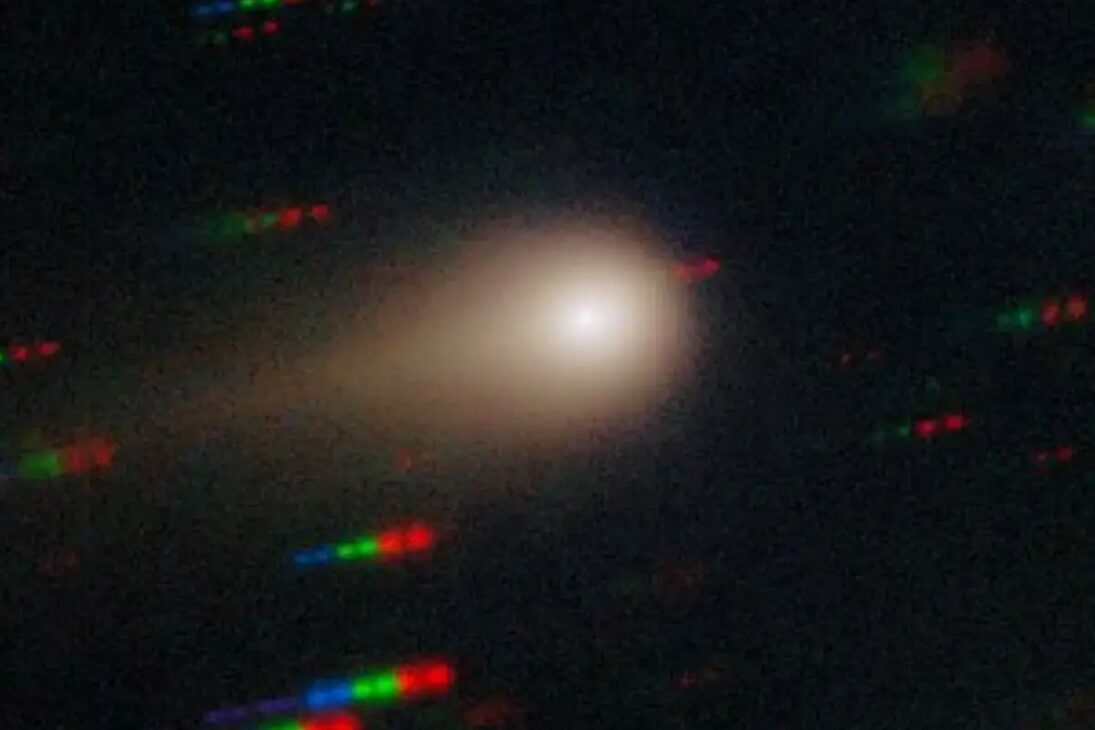
With the ongoing American blackout, India’s scientific infrastructure reacted quickly.
Observatories linked to the Indian Institute of Astrophysics (IIA), ARIES Nainital, and IUCAA Pune reorganized their observation shifts and opened emergency windows to continue tracking the 3I/ATLAS.
These institutions, operating under different altitudes and atmospheric conditions, managed to capture complementary image series.
While American telescopes remained silent, the Indian ones kept space alive.
The Devasthal Telescope Takes Center Stage
In the heart of the Himalayas, the ARIES Devasthal Optical Telescope, with its 3.6-meter mirror, became the primary ground-based observation instrument for the 3I/ATLAS.
Teams alternated night shifts in continuous sessions, collecting data on position and brightness.
Even with the slow international network, ARIES continued to send information to the Minor Planet Center (MPC), ensuring the continuity of global triangulation.
Every data packet transmitted reduced the risk of losing the complete orbital trajectory.
The Longest Night at IIA
At the Vainu Bappu Observatory in Tamil Nadu, astronomers faced a night of manual observations.
Automated routines were suspended, and tracking relied on real-time calculations.
“It was one of those nights when the stars felt like a responsibility,” reported a researcher.
The fear was losing the last opportunity to record the celestial body before its permanent escape from the terrestrial visual field.
Every minute of visibility counted, and each record was treated as a scientific relic.
From India to the World
With dawn breaking, the teams from IUCAA and IIA consolidated their measurements and sent them to European partners.
The process, mediated by cloud servers, served as a bridge between continents and allowed the European Space Agency (ESA) to recalibrate its own orbital models.
This improvised retransmission system, from Bengaluru to Europe, kept the global database active and enabled telescopes in the western hemisphere to resume observation hours later.
The End of the Window
The 3I/ATLAS was already approaching the visibility limit, obscured by sunlight. With each dawn, the object became fainter and harder to track.
The last observable nights were critical for fixing parameters that today support models about its origin and behavior.
Without the data collected by India, reconstructing the orbit would have blind spots, gaps that would compromise the entire timeline of the event.
While NASA remained silent, Indian reports circulated discreetly among research centers in Europe, South America, and Asia.
In a matter of hours, the subcontinent had become the nucleus of a global network for interstellar observation.
The episode solidified a technical and symbolic lesson: modern science depends less on borders and more on the persistence of those who keep the sky open when systems fail.
And you, do you believe that international cooperation can ensure the future of space exploration, even in the face of silence from major powers?





Creio que isso foi uma invenção inexistente para colocar todos em pânicos. Na verdade, d vê ter um sentido. Pois o homem vive buscando os mistérios do hemisfério e procurando ser o primeiro descobridor de tudo. Digo isso, por todas as situações atuais. Parece que querem uma catástrofe e provar que o mundo acabou. Pânico é o que querem sempre. Deus está aí presente. Não precisa provar nada. Só observando. Tudo passa. Só Deus não passa. Gratidão 🙏🏻❤️
A Índia não foi covarde feito a Nasa Americana ,mostrou tudo pro povo
Realmente,a Nasa decepcionou a todos nós, é isso jamais será esquecido. Mas o protagonismos de outros países em especial da Índia tambem ficara na historia.