





 Portuguese
  English
  Spanish
  3 min of reading
  1 comment


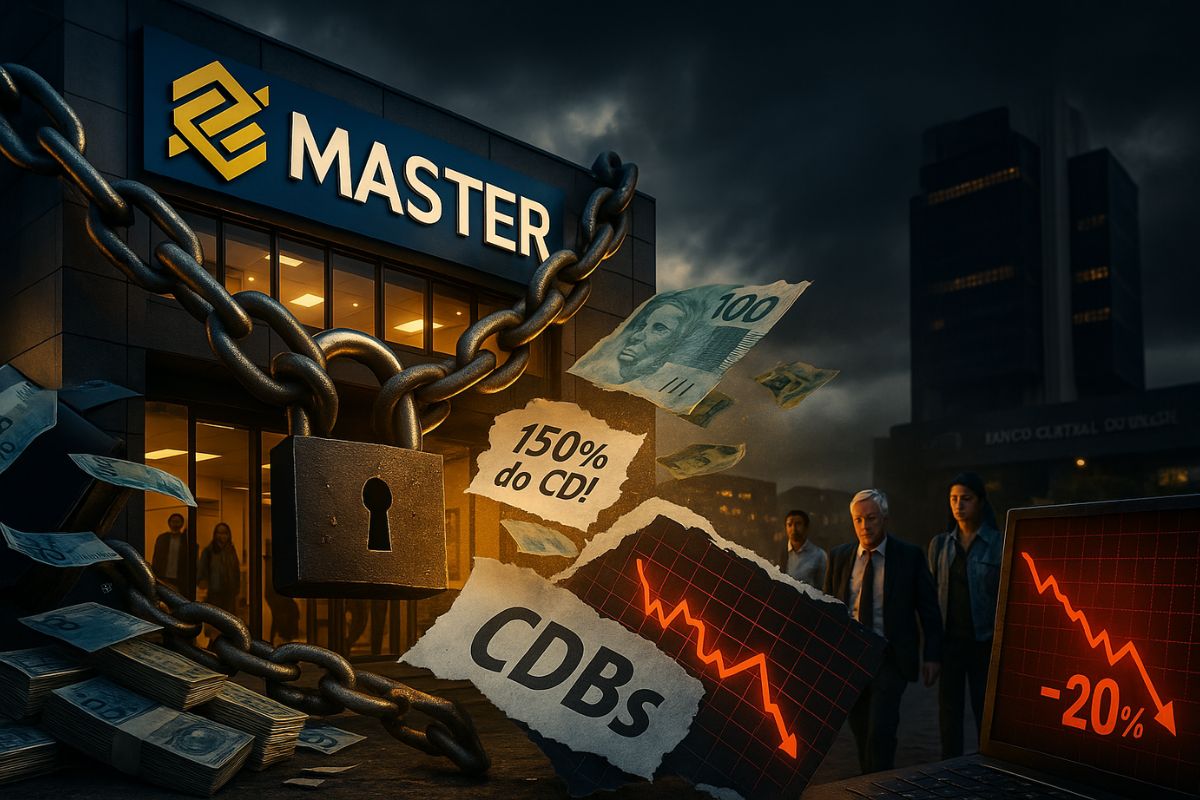


Banco Master Faces Crisis After Central Bank’s Veto, Decline in Investor Confidence and CDBs Negotiated at 20% Per Annum
The Banco Master became known for offering CDBs with returns well above average, reaching 150% of the CDI in short terms. In 2025, this strategy, once seen as aggressive, turned into a symbol of fragility in light of the risk of intervention by the Central Bank. According to specialist Raul Sena, the issue lies not only in the “turbocharged” papers, but also in the veto of R$ 2 billion from BRB, signaling regulatory distrust.
Despite having reported a profit of R$ 57.7 million in the 1st quarter of 2025, a 3% decrease compared to 2024, the bank faces an impasse. The BC’s veto on the sale to the Banco de Brasília (BRB) amplified doubts about its financial health and put pressure on investors who now see Banco Master’s papers as extremely risky.
Why the Central Bank Blocked the Sale
The central episode of the crisis was the failed attempt to sell to BRB.
-
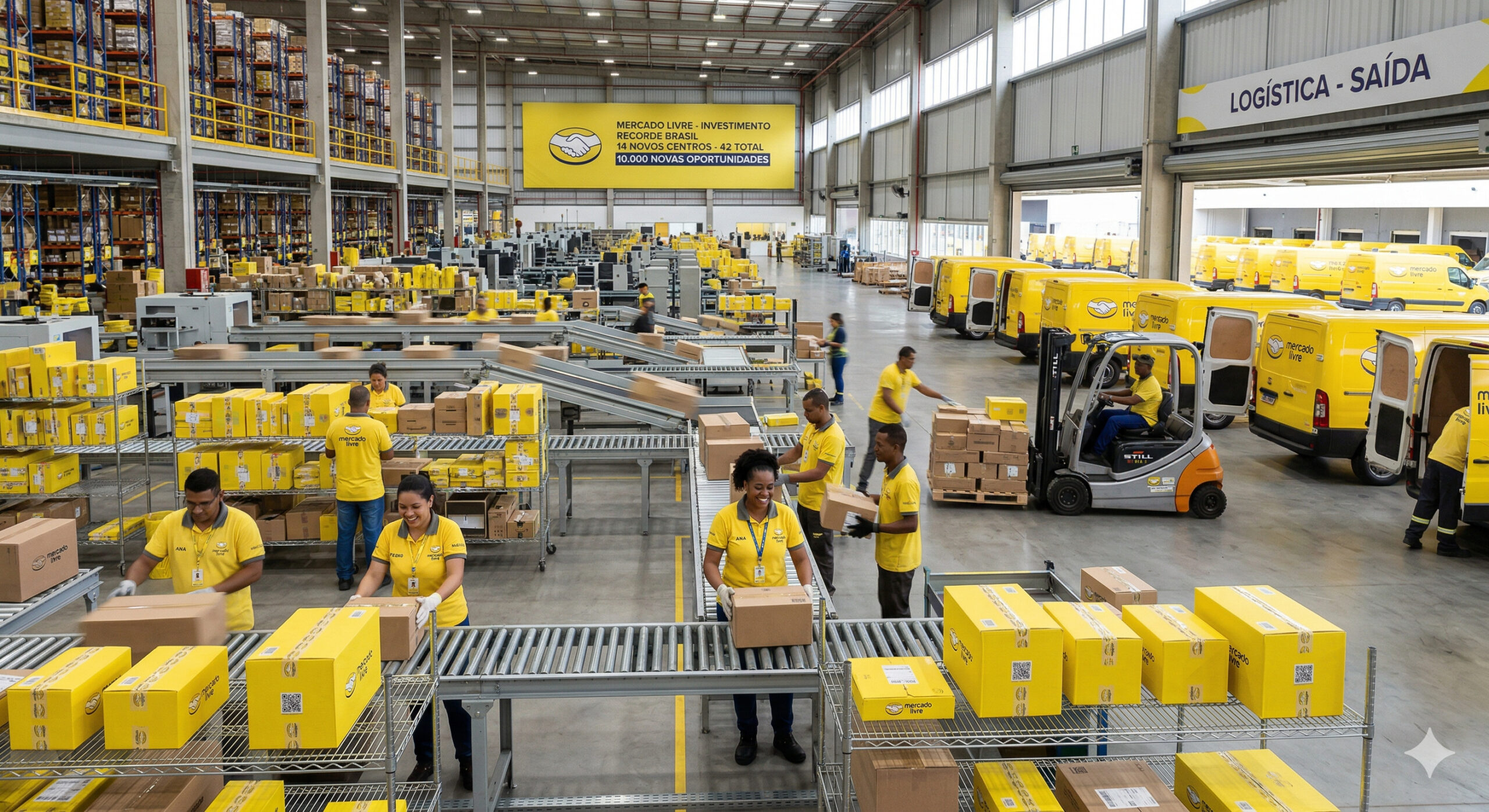
Mercado Livre “opens the vault” and announces a record investment of R$ 57 billion in Brazil in 2026, a value 50% higher than the previous year, with an expansion plan that includes 14 new logistics centers, totaling 42 units in the country and hiring an additional 10,000 employees.
-
How investment in technology can revolutionize the national economy and enhance industrial gains, according to a study that highlights the direct impact on productivity, innovation, and wealth retention within Brazil.

-
The largest food company on the planet, JBS, has just opened a 4,000 square meter laboratory in Florianópolis to develop customized proteins that modulate muscle mass gain, immune response, and metabolic performance.

-
After nearly 30 bids and competition among industry giants, a Spanish company purchases one of the largest airports in Brazil for almost R$ 3 billion and takes over the management of Galeão in a concession that will last until 2039.


The deal, valued at R$ 2 billion, would have allowed Banco Master to bolster its capital and dispel solvency fears.
The Central Bank, however, vetoed the operation, citing flaws in asset evaluation and clauses that would keep controller Daniel Vorcaro in charge after the sale.
For Raul Sena, the BC’s decision was a turning point: by rejecting the transaction, the monetary authority sent a clear message of regulatory distrust.
From then on, investors began to price in the risk of bankruptcy as something real and immediate.
CDBs Negotiated at 20% Per Annum
After the veto, Banco Master’s CDBs began to be traded in the secondary market at rates of up to 20% per annum.
This return does not represent a gain, but rather a red alert: the higher the return, the greater the perception of default risk.
Investors are rushing to sell the papers, which further pressures the institution.
The most affected are those who invested above the FGC limit (R$ 250,000 per CPF and institution).
Amounts above this do not have a guarantee of compensation in case of liquidation.
The Role of FGC and Investor Exposure
The Credit Guarantee Fund (FGC) covers up to R$ 250,000 per CPF in the event of a financial institution’s bankruptcy.
In recent crises, such as the BRK Financeira case, the refund period varied between 48 hours and 15 days, with a legal limit of up to 5 years.
This means that small investors are relatively protected, but those who invested above this amount face a high risk of loss.
For Raul Sena, this case is a warning that fixed income is not synonymous with absolute safety.
Is There a Way Out for Banco Master?
Despite the gravity of the situation, analysts note that Banco Master’s credit portfolio is considered attractive.
Rumors suggest interest from BTG Pactual and even insurers like JF in purchasing parts of this portfolio.
In this scenario, a reorganization could save part of the business.
Experts emphasize that Banco Master is not a financial pyramid.
The issue lies in the operating model: raising expensive funds to lend cheaply is unfeasible against larger competitors.
In stronger hands, some of the assets may be utilized, but the short-term uncertainty is creating increasing instability.
The Real Risk of Intervention in 2025

In light of the sequence of events — falling profits, blocked sale, CDBs negotiated at 20% per annum, and investors exposed above the FGC limit — Banco Master has entered the Central Bank’s intervention radar in 2025.
Raul Sena warns that, if the scenario does not change, the monetary authority may decree liquidation or force a piecemeal sale to protect the financial system.
Do you believe the Central Bank should intervene in Banco Master or is there still room for a negotiated recovery? Share your opinion in the comments — we want to hear from those experiencing it firsthand.








Que interessante essa matéria que acabei de ler, até compartilhei no meu Facebook. Gracyanne Barbosa Idade