





 Portuguese
  English
  Spanish
  3 min of reading
  0 comments


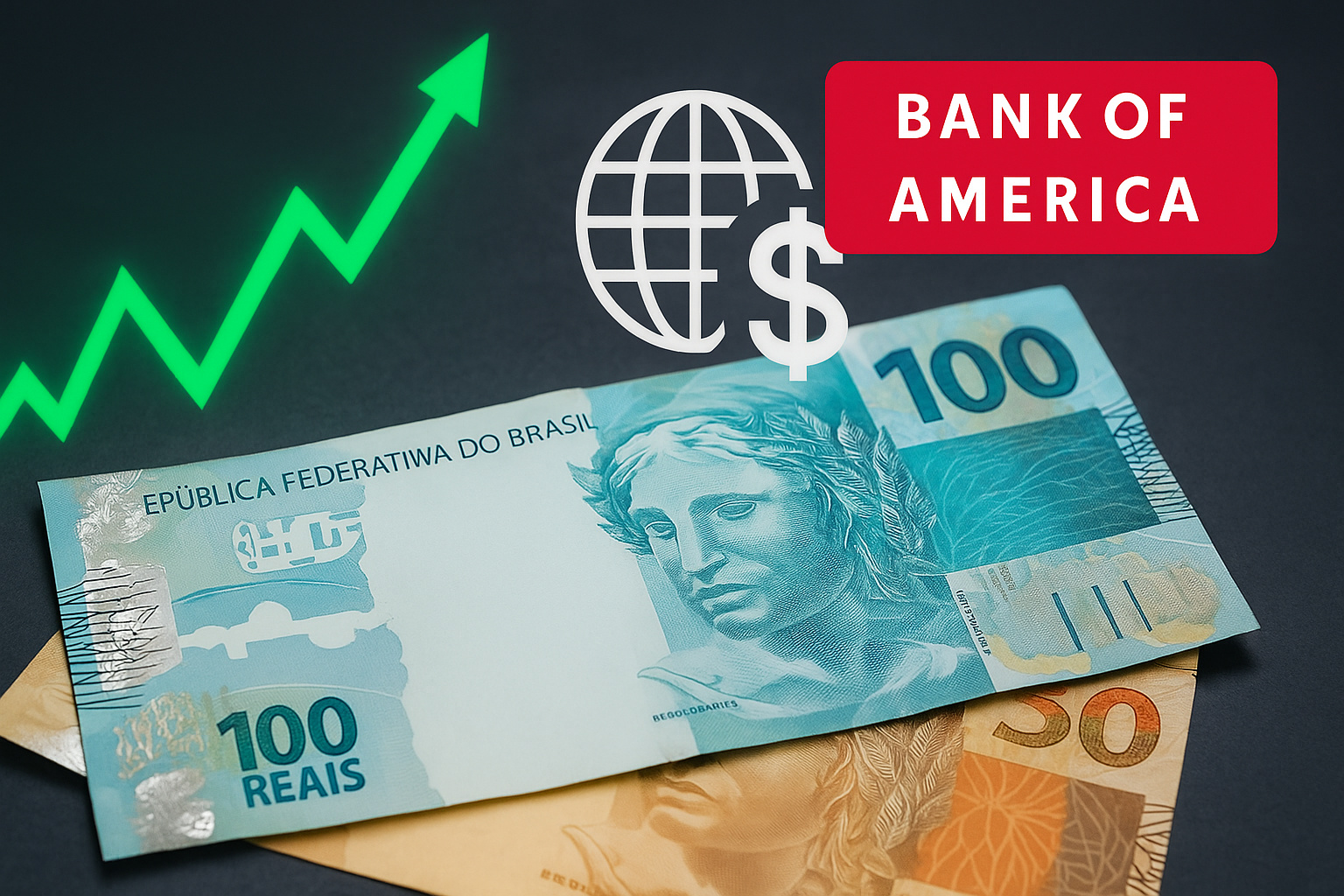
Bank of America Points Out That the Real Is Undervalued and Sees Room for Appreciation Despite Trade Tensions with the U.S. Understand the Brazilian Exchange Rate Scenario.
The Brazilian real continues to be among the cheapest currencies in the world, according to a recent report from Bank of America (BofA). The analysis indicates that, even after the appreciation observed in early 2025, the Brazilian currency remains over 15% below its long-term average when adjusted for trade. According to the bank, there is room for a new appreciation of the real in 2025, supported by positive economic fundamentals and a relatively favorable international scenario.
Undervalued Real 2024: Why Bank of America Sees Appreciation Potential
The study from Bank of America exchange indicates that Latin American currencies, in general, shifted from an undervaluation of 3.2% to an overvaluation of 2.2% relative to post-2015 averages. However, Brazil and Chile still remain in the undervaluation range.
According to BofA analysts, Brazil offers strong real returns — i.e., inflation-adjusted gains — while Chile is likely to benefit from potential corporate investments following its elections. This set of factors underpins the bank’s constructive view for the appreciation of the real in the coming months.
-
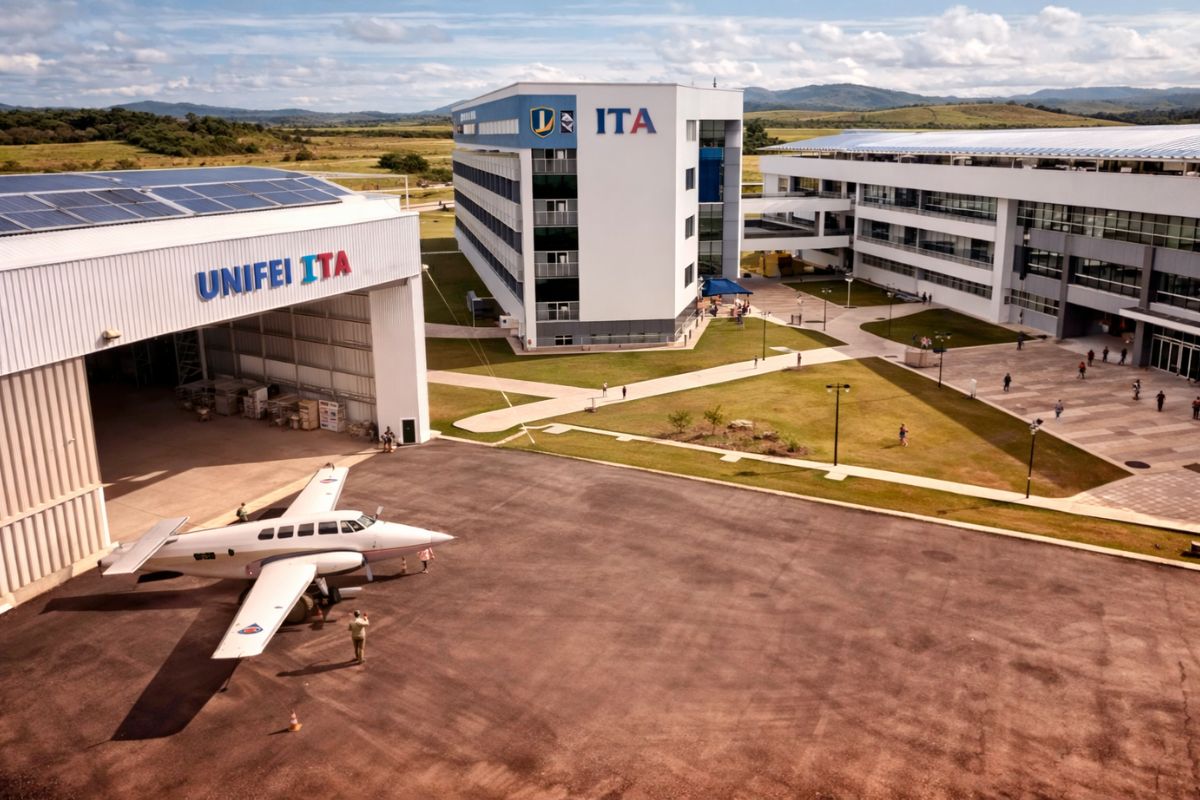
The institute that trained the greatest aerospace engineers in Brazil has just opened its first campus outside São Paulo after 75 years: ITA Ceará will have R$ 445 million, new courses in energy and systems, and classes are expected to start in 2027.
-
Luciano Hang, owner of Havan, goes to Juiz de Fora after the tragedy in February, brings R$ 1 million, hands out R$ 2,000 cards, and donates up to R$ 15,000 to victims in the region.

-
The Brazilian passport allows legal residence in dozens of countries without the need for a prior visa, and most Brazilians are unaware that they can apply for residency directly upon arriving in nations in South America, Africa, and even Europe.

-
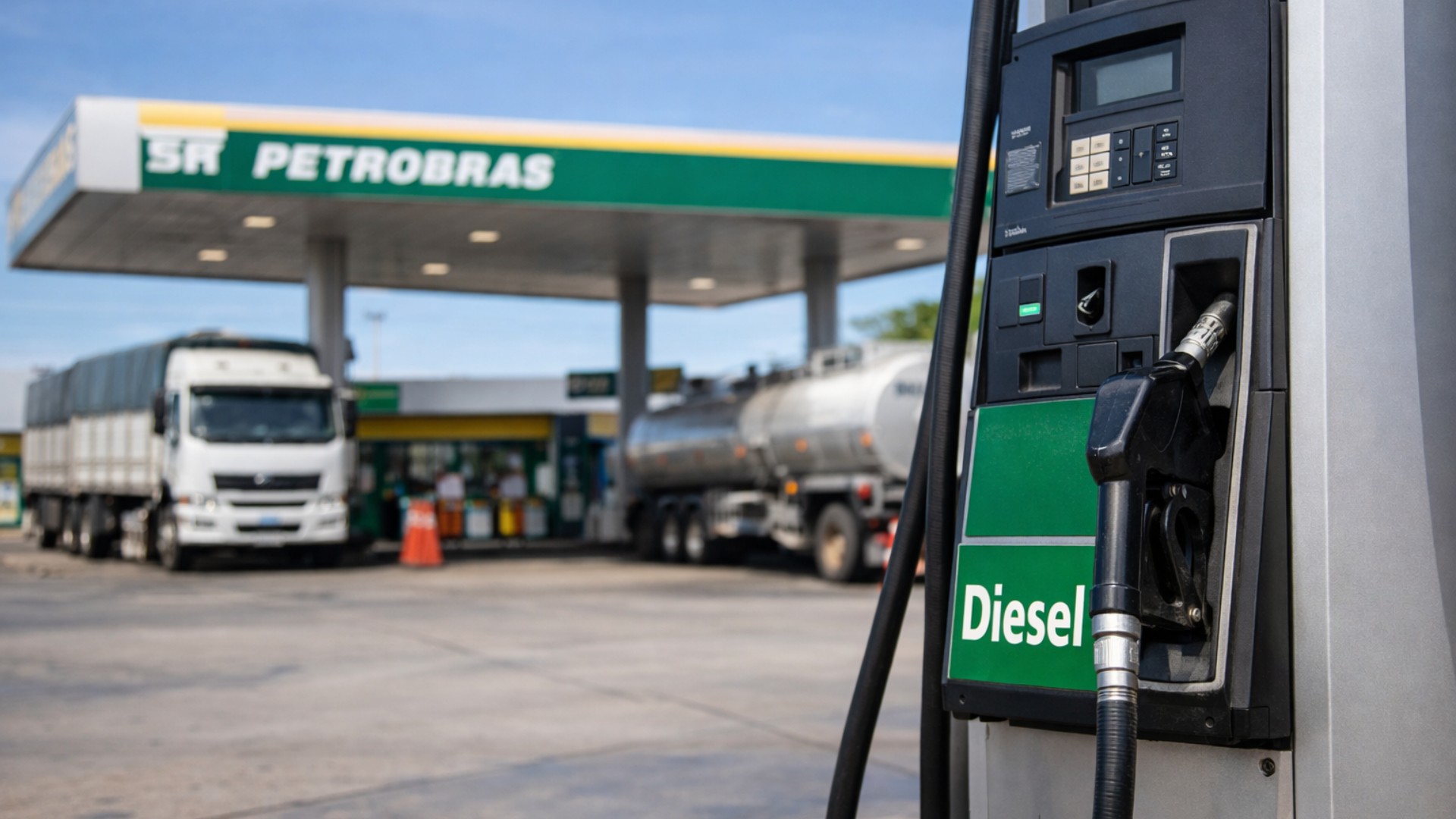
Petrobras sends a message to Brazilian truck drivers after fuel collapse and reveals plan to have 100% domestic diesel.

Brazilian Currency: Recent Behavior and Perspectives
In 2024 and early 2025, the dollar surpassed R$ 6.29, but currently hovers around R$ 5.42, reflecting both the global weakening of the American currency and internal adjustments in the Brazilian economy. Despite this decline, Bank of America exchange assesses that the real has not yet reached its fair long-term value and may continue to gain strength against the dollar throughout 2025.
This potential appreciation of the Brazilian currency would rely on factors such as:
- High real interest rates in Brazil, attracting foreign capital;
- Relative macroeconomic stability, even with political noise;
- Diversified exports benefiting from favorable international prices in some commodities.
U.S. Tariffs and Exchange Rate Impact
The recent 50% tariffs announced by American President Donald Trump on Brazil, while significant, bring around 700 exceptions for strategic exports such as orange juice, iron ore, and aircraft. This, according to BofA, reduces the immediate impact on growth and foreign trade.
Still, some analysts, such as those from Oxford Economics, warn that long-term negative effects could be relevant. Estimates from the consultancy point to a decline of up to 5% in Brazil’s real exports and a 10% drop in trade competitiveness by 2040 if the tariff scenario remains.
Real Appreciation 2025: Factors That May Influence
According to Bank of America exchange, the appreciation of the real in 2025 will depend on the balance between opportunities and risks:
- Positives: attractive real interest rates, relative inflation control, and foreign capital flow.
- Negatives: trade tensions with the U.S., internal political volatility, and global economic slowdown.
For the bank, Brazil remains an appealing market for investors, especially in the short and medium term, while the real remains undervalued.
The diagnosis from Bank of America exchange reinforces that the undervalued real 2024 still has room to gain ground in 2025. Despite the uncertainties brought by American tariffs and the political scenario, the Brazilian currency continues to be supported by economic fundamentals that favor its appreciation.
If projections are confirmed, the appreciation of the real could reduce internal inflationary pressures and improve purchasing power, but it will also require attention to the long-term side effects of trade disputes.








-

Uma pessoa reagiu a isso.