





 Portuguese
  English
  Spanish
  3 min of reading
  0 comments


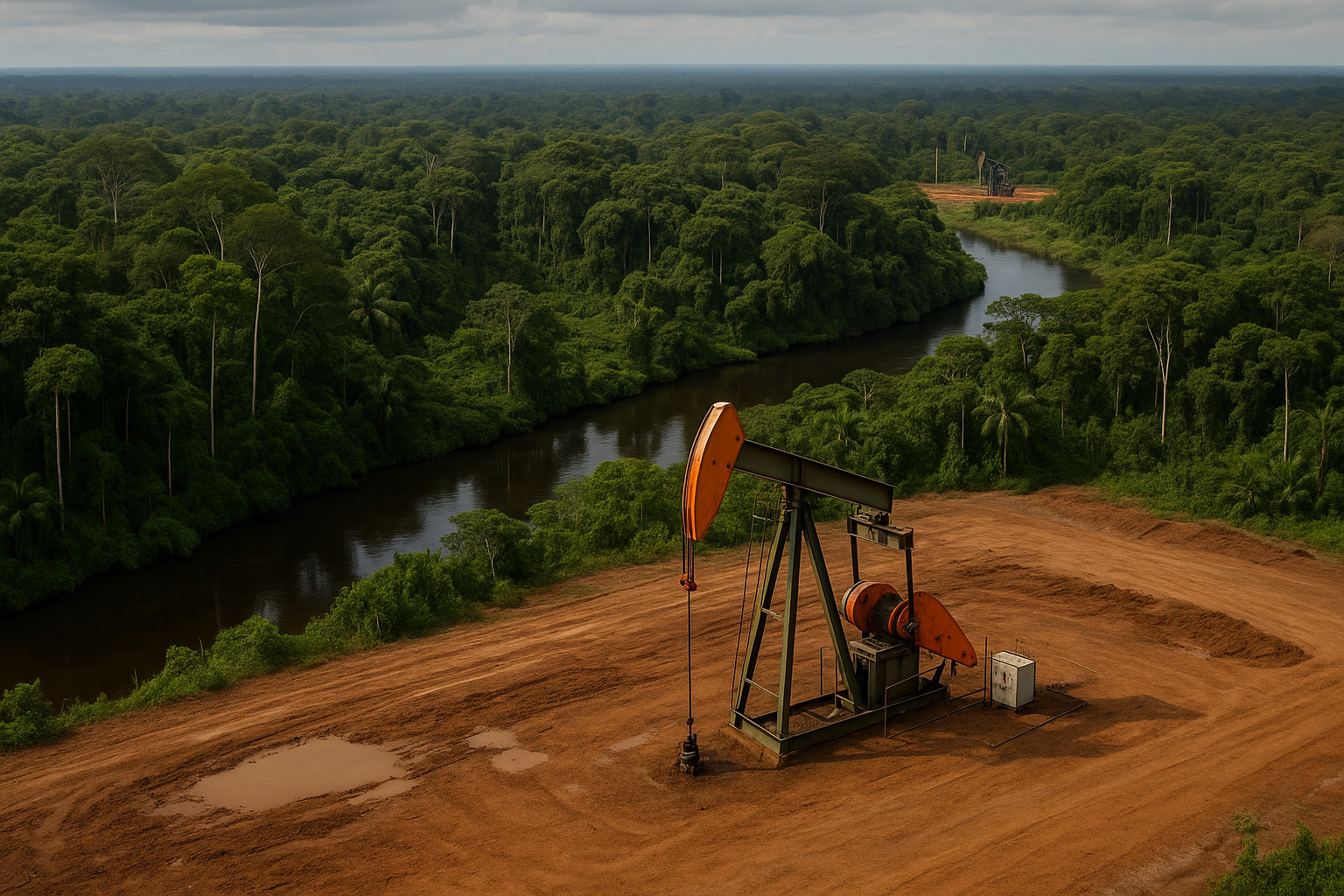
International Report Reveals Direct Impact of Global Banks and Expands Alert on Amazon’s Point of No Return
First, a report released on September 29, 2024 exposed billion-dollar fossil fuel financing in Latin America and the Caribbean. Additionally, the publication “The Money Trail Behind Fossil Fuel Expansion in Latin America and the Caribbean” brought together organizations from Germany, Argentina, Brazil, Mexico, and Peru. Thus, the document showed that 290 banks funded new oil and gas projects between 2022 and 2024, putting ecosystems and communities under pressure.
Banks at the Center of Fossil Financing
Initially, Santander leads with US$ 9.9 billion in fossil fuels. Following are JPMorgan Chase (US$ 8.1 billion), Citigroup (US$ 7.9 billion), and Scotiabank (US$ 7.1 billion). Furthermore, although it publishes sustainability reports, Santander remains a key player in fossil expansion. Moreover, in 2023, the bank announced € 220 billion in green financing by 2030. However, this announcement contrasts with its support for exploration in the region.
Petrobras as the Largest Beneficiary in Brazil
In Brazil, Petrobras accounts for 29% of regional exploratory expansion. Additionally, the Brazilian chapter, prepared by the International Institute Arayara, used data from the Amazon Free Oil and Gas Monitor and the Ocean Monitor. In this way, the analysis pointed out risks to 78% of Amazonian biodiversity. Moreover, the advancement threatens 2.7 million indigenous people who depend on the forest. Finally, 10 million hectares are at risk, equivalent to 1 million soccer fields.
-
Revolution in the Northeast: Ceará accelerates investments in environmental technology and inaugurates an innovative plant that uses waste to promote sustainable sanitation.

-
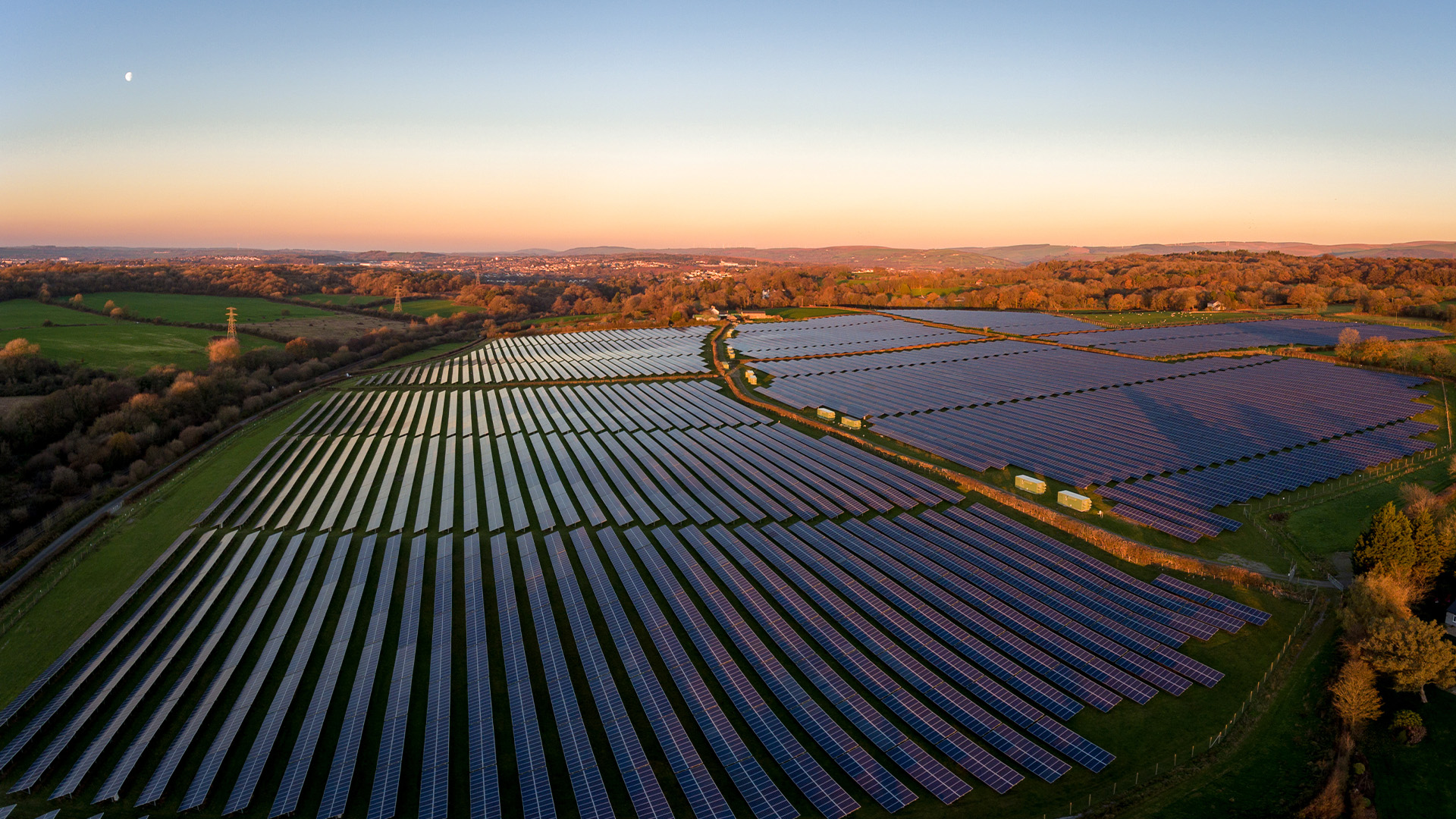
Brazilian state reaches historic milestone in sustainability: Study reveals that nearly all the energy produced comes from clean sources and boosts the electric matrix of Minas Gerais.
-
Chinese startup expands sustainable mobility with a fleet of 11,000 hydrogen bicycles and reaches millions of trips.

-
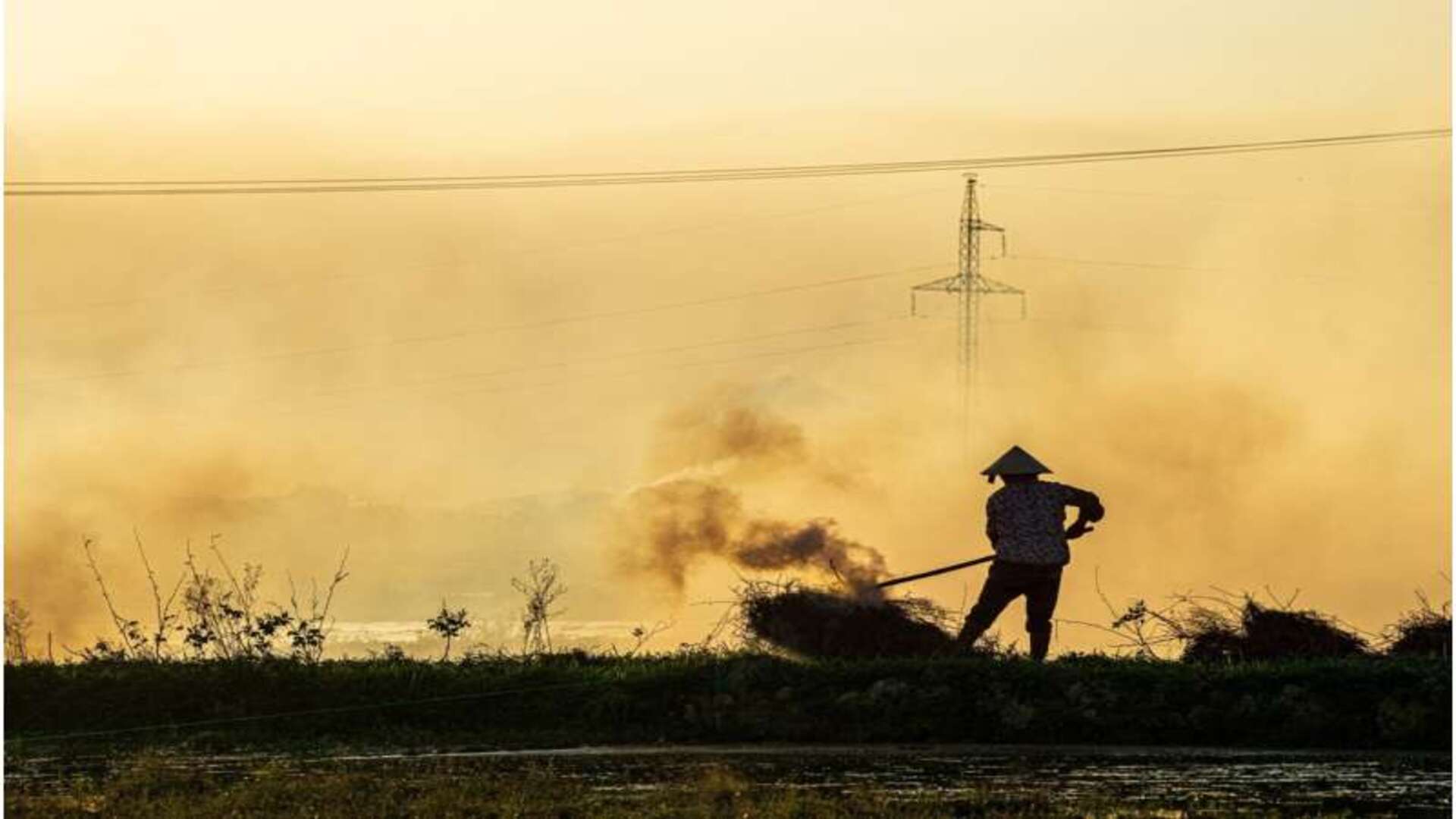
Extreme heat and drought waves are expected to afflict billions of people with a frequency five times greater by the end of the century!
Expert Statements Expose Contradictions
According to Nicole Figueirêdo, CEO of the International Institute Arayara, Petrobras bets on ultra-deep drilling. Additionally, the executive claims that the narrative about pre-salt exhaustion is unfounded. Thus, at least two major reserves remain available for exploration. However, the state-owned company is expanding operations in Guyana and the Amazon Coast, claiming, without evidence, superior quality of the oil. Therefore, according to Nicole, energy transition actions remain minimal and insufficient in the face of the climate crisis.
Amazon Nearing the Point of No Return
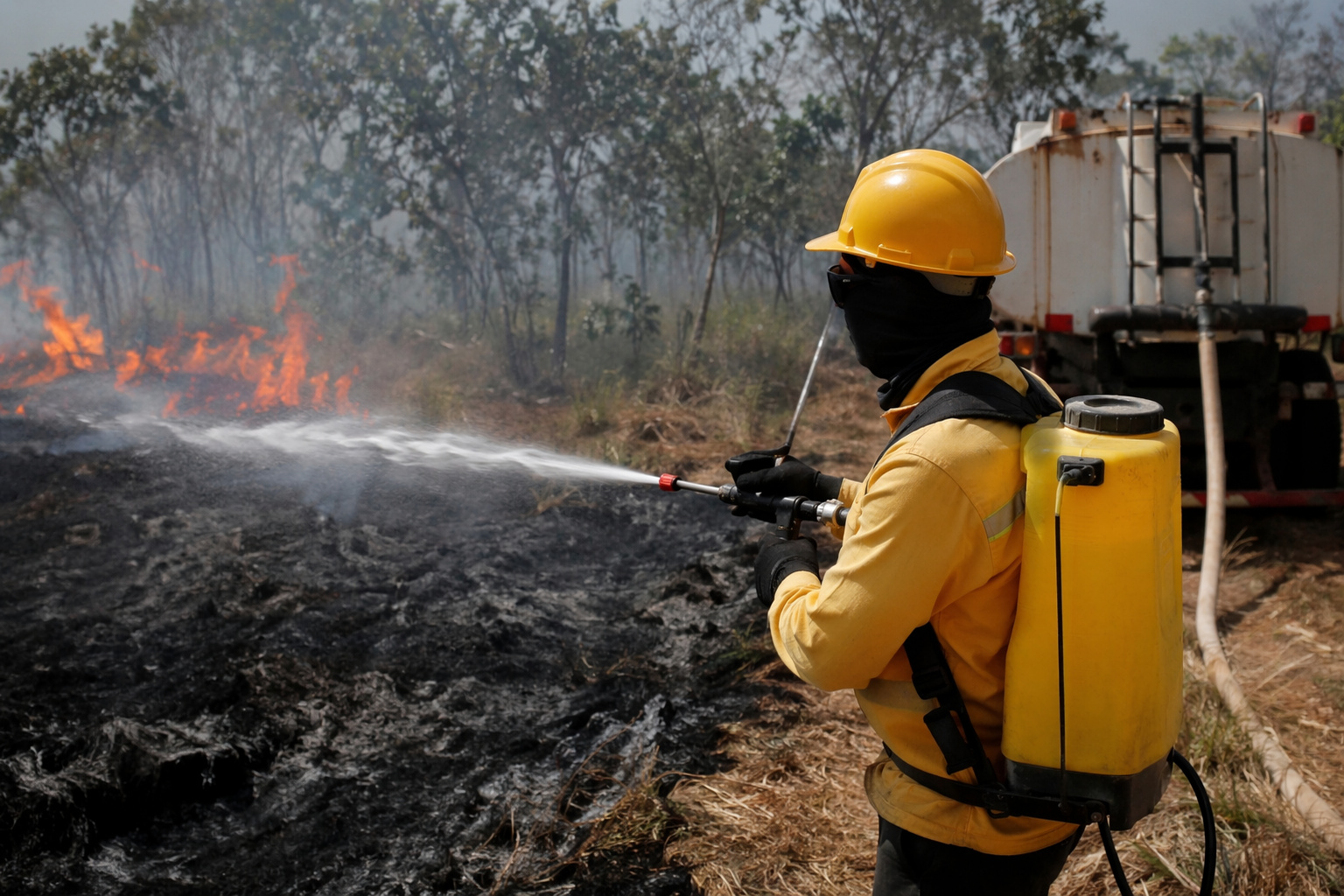
Mostly, the report warns about the point of no return for the Amazon. Between 1980 and 2030, Brazil will lose 81% of 55 million hectares to deforestation. Additionally, projections indicate a loss of up to 25% of coverage soon. Thus, the biome will compromise its capacity for regeneration. Moreover, the forest absorbs between 20% and 30% of the world’s CO₂. Therefore, the loss of this function will affect rainfall, agriculture, and water security on a continental scale. Consequently, the climate impact will reach millions of people in the region.
Interactive Tool Increases Transparency
Meanwhile, an interactive monitor will be available starting October 1, 2024. Additionally, the tool will allow for inquiries into funders, amounts by country, and benefiting companies. Thus, journalists and researchers will access centralized data for public monitoring. In this way, society will gain more transparency regarding oil and gas expansion.
The Dilemma Between Profit and Preservation
On one hand, international banks strengthen public commitments to the green transition. On the other hand, the numbers still direct billions to fossil fuels. Therefore, energy change will be delayed and pressure on communities will increase. Additionally, the current model strengthens external economies and weakens local sustainability.
Thus, the central debate remains: accelerate exploration for immediate profits or invest in responsible transition to preserve the Amazon and ensure climate security?








Seja o primeiro a reagir!