





 Portuguese
  English
  Spanish
  4 min of reading
  0 comments


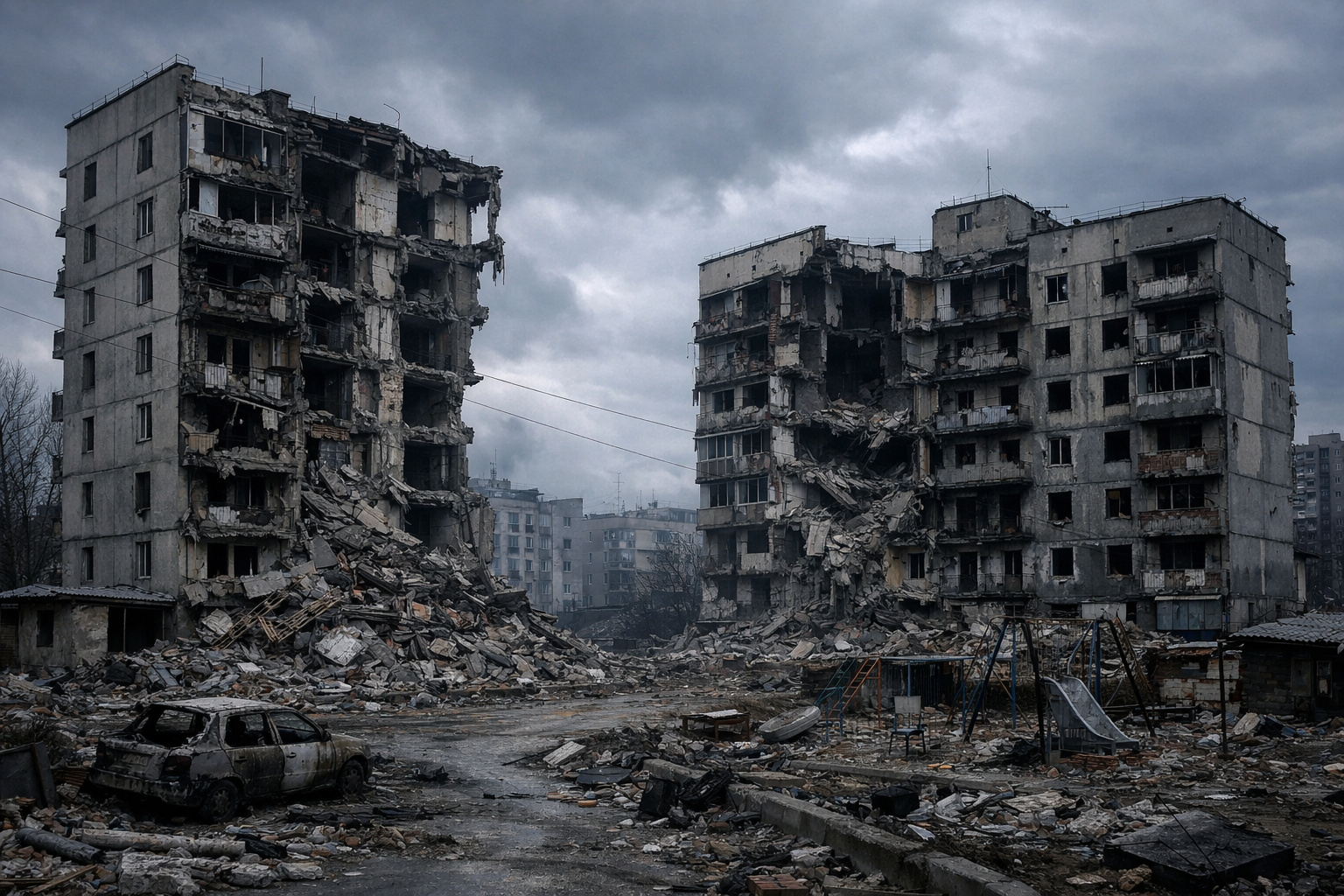
International Report Indicates That Russian Deaths, Injuries, and Missing Since 2022 Outnumber Losses of Any Great Power Since 1945, While Territorial Gains Fall Well Below Initial Kremlin Goals
Since the onset of the war in Ukraine in February 2022, Russia has accumulated an unprecedented number of military casualties in recent history. Estimates indicate that around 1.2 million Russian soldiers have been killed, wounded, or are missing, a figure that surpasses all conflicts waged by great powers since the end of World War II in 1945. This data exposes the high human cost of the conflict and calls into question the narrative of military success sustained by Moscow.
The information was disclosed by the Center for Strategic and International Studies (CSIS), according to a report published on January 28, 2026, based on field analyses, open intelligence data, and historical comparisons. According to the document, even after almost four years of intense fighting, the results obtained by Russia on Ukrainian territory are far below the initial expectations of Vladimir Putin’s government.
In addition, the study indicates that Ukrainian losses range between 500,000 and 600,000 soldiers, considering killed, wounded, and missing in the same period. Nevertheless, the absolute volume of Russian casualties draws attention due to its magnitude and lacks precedent in modern wars involving large state armies.
-
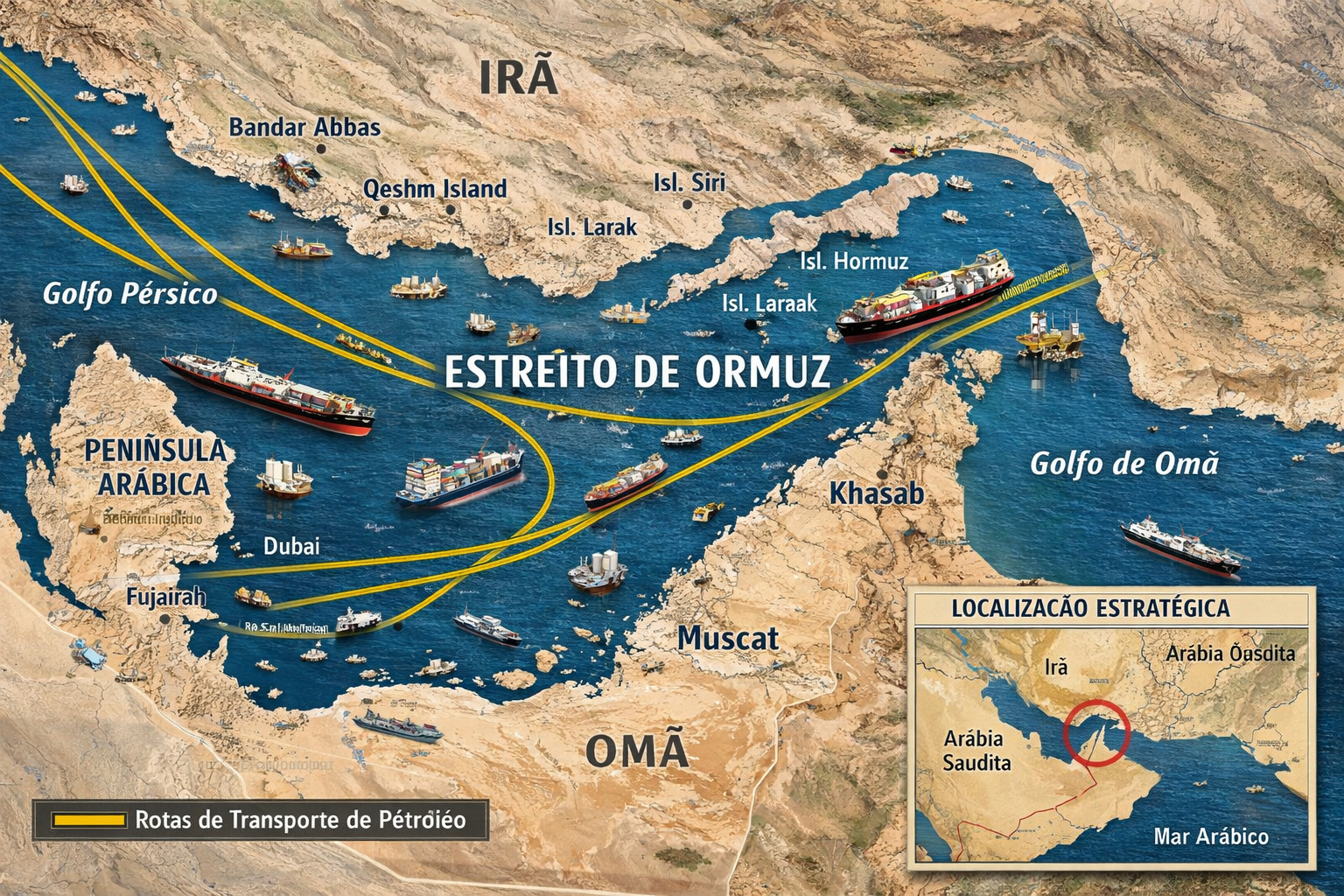
Global summit with over 40 countries pressures Iran for a blockade in the Strait of Hormuz and warns of direct impact on oil, food, and the global economy.
-
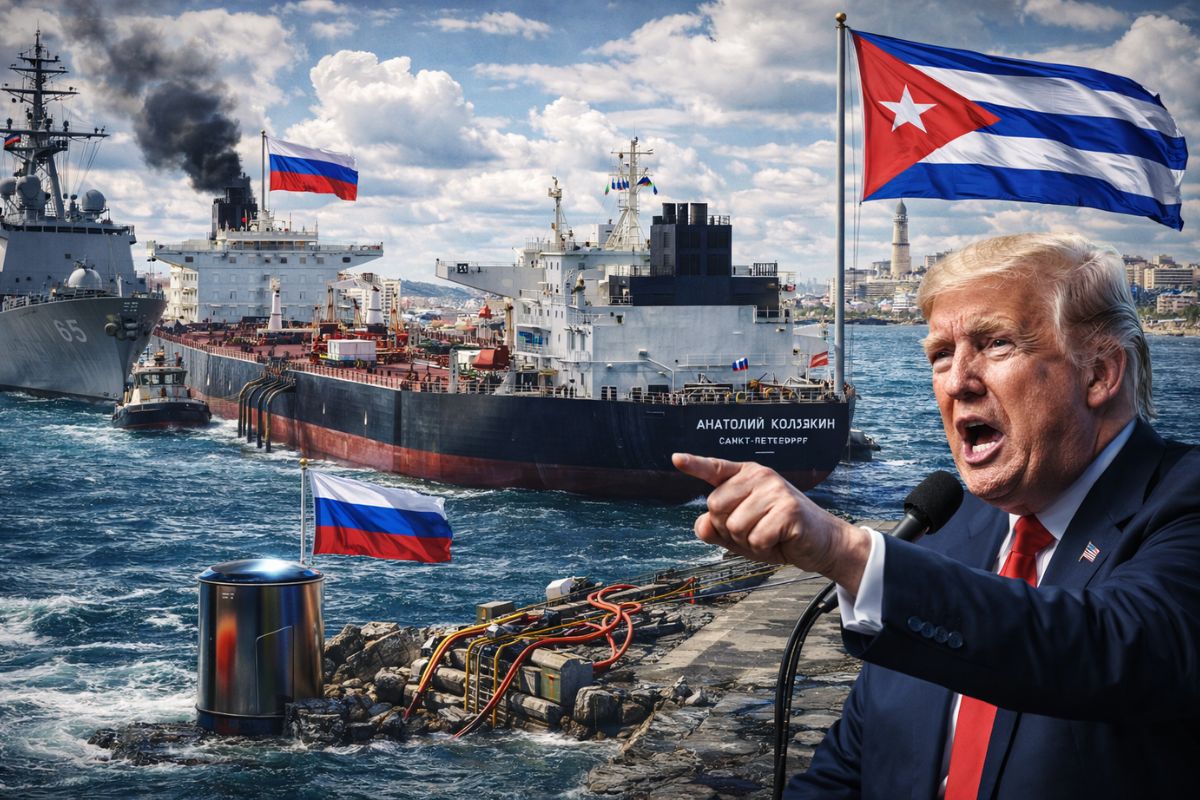
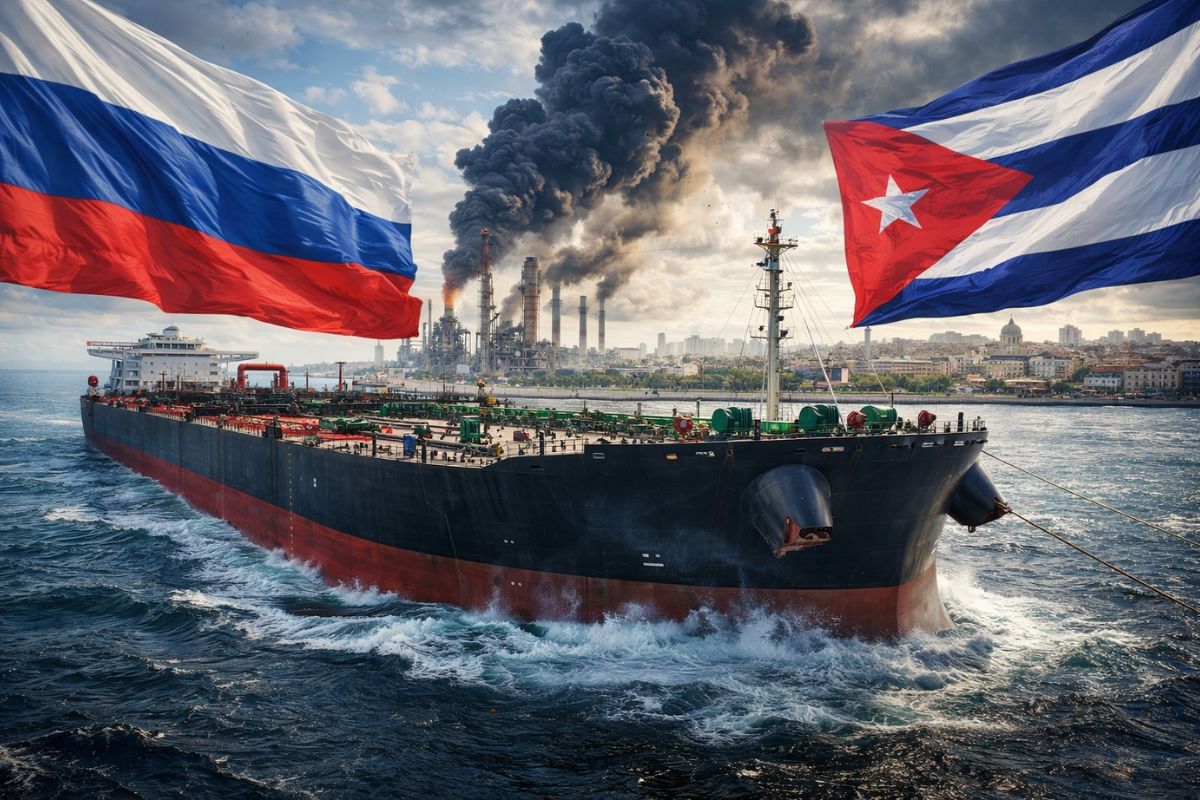
Russia has broken the U.S. maritime blockade to send oil to Cuba and is now loading a second ship while Trump says that “Cuba is next” in a possible military action against the island.
-
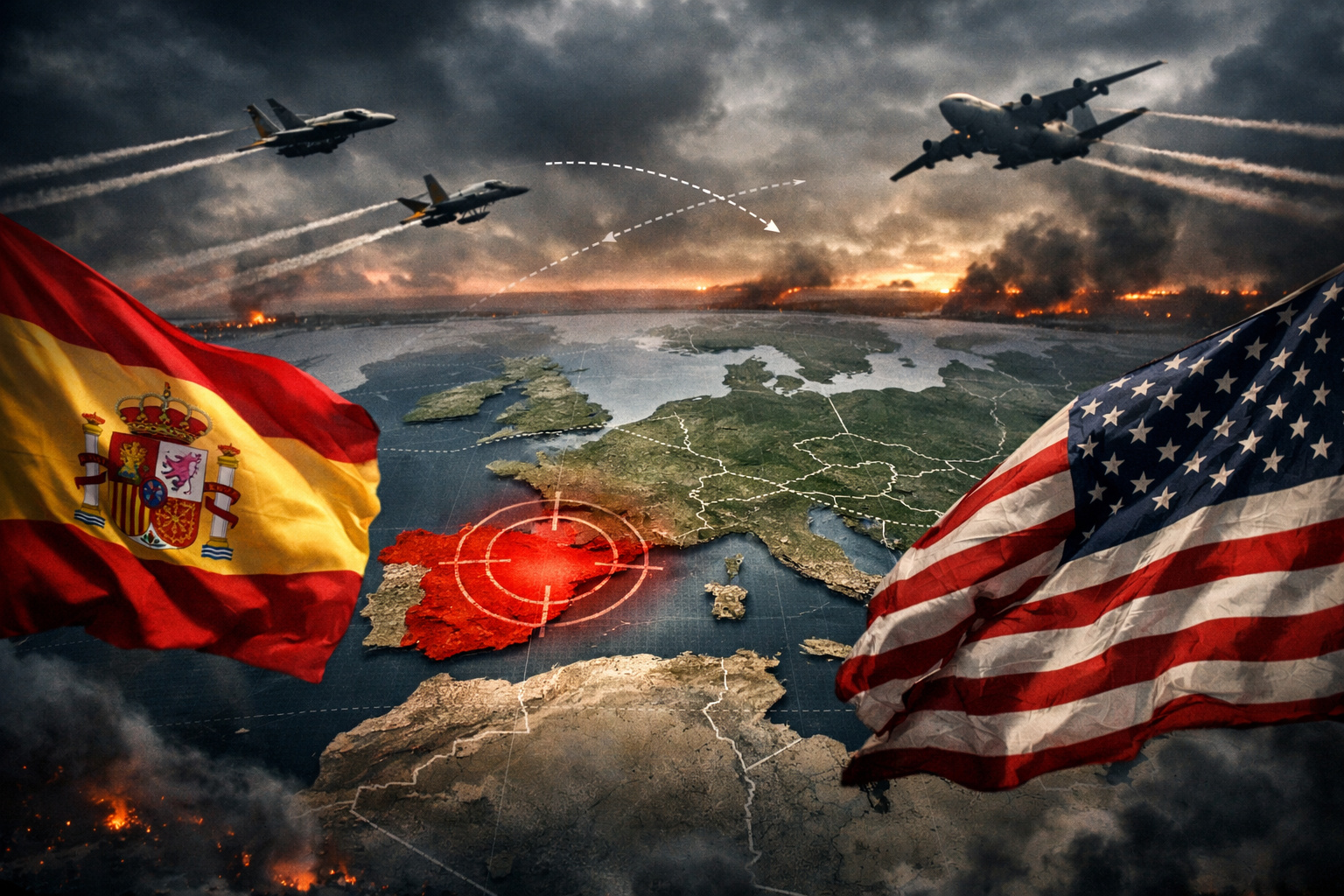
Spain challenges the USA and closes its airspace for operations against Iran, raising global tension and provoking the threat of a trade rupture.
-
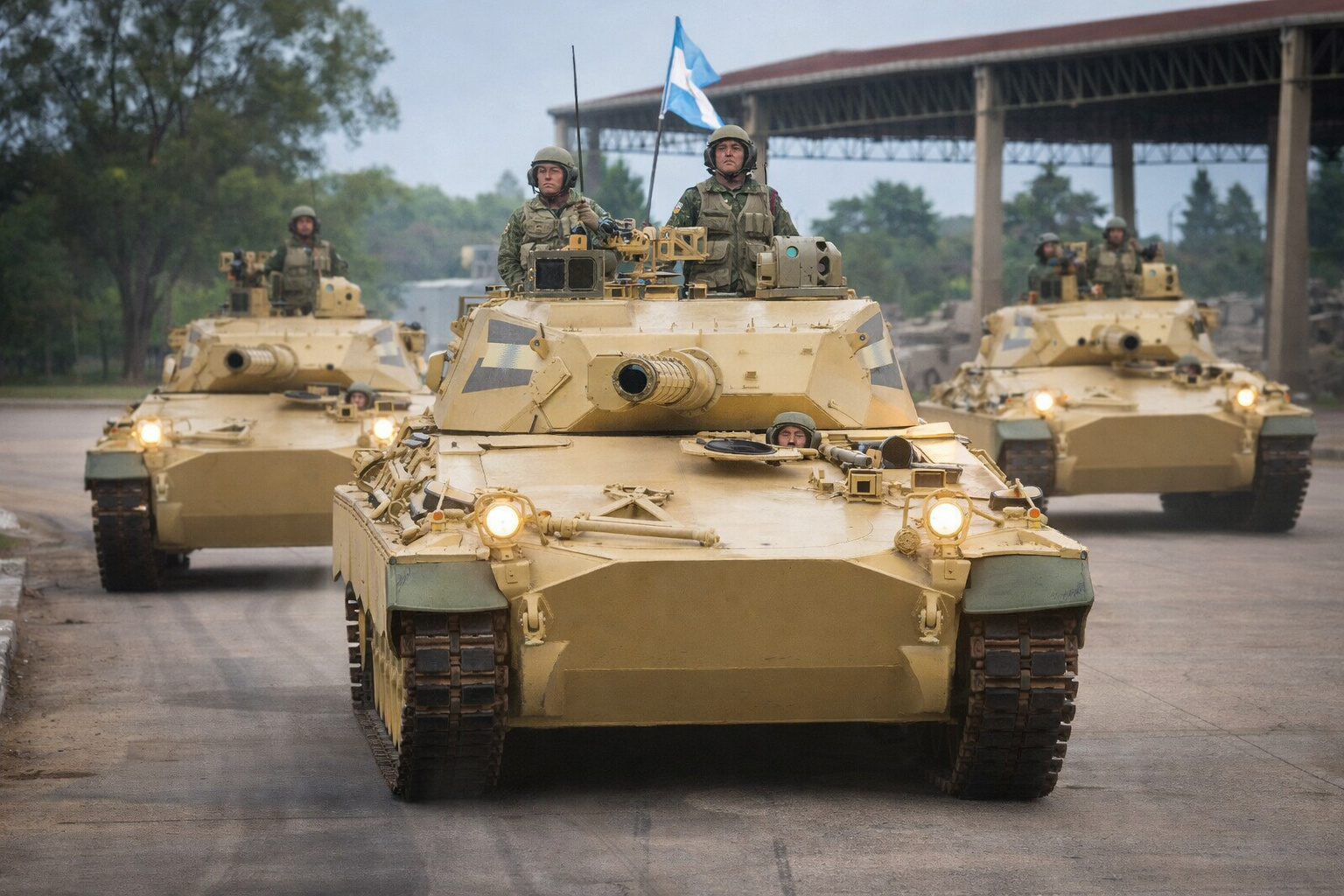
While no other country manufactures tanks in Latin America, Argentina activates the TAM 2C-A2 and raises a curiosity about the technological lag in the region.
The Highest Number of Military Casualties Since 1945
According to the report, Russian forces have already suffered more human losses than any other great power in any war since World War II. For historical comparison, the document recalls that the United States lost 54,487 soldiers in the Korean War (1950–1953) and 47,434 in the Vietnam War (1955–1975). In more recent conflicts, the numbers were even lower: 149 deaths in the Gulf War (1990–1991), 2,465 soldiers killed in two operations in Afghanistan launched in 2001 and 2015, and 4,432 casualties in the Iraq War, launched in 2003.
In direct comparison, the combined casualties of Russia and Ukraine are already five times greater than all losses recorded in Russian and Soviet wars since 1945. The survey warns that, if the current pace continues, the total number of casualties on both sides could reach 2 million by spring 2026, reinforcing the prolonged and highly exhausting nature of the conflict.
According to analysts, the data contradicts the perception that Russia is close to a decisive victory. On the contrary, the report indicates that the country faces a progressive decline in its effective military capacity, even while maintaining a high level of mobilization and military production.
Slow Progress and Territorial Gains Below Expectations
Another central point of the study is the slow pace of advancement of Russian troops on the battlefield. Despite multiple offensives launched in the past two years, territorial gains remain limited. The CSIS estimates that, since the invasion in 2022, Russia has taken about 75,000 square kilometers, equivalent to approximately 12% of Ukrainian territory.
Currently, according to the report, Russian forces control about 120,000 square kilometers, around 20% of Ukraine, an area comparable in size to the state of Pennsylvania in the United States. Nevertheless, the document emphasizes that this advance falls well short of the initial strategic goal of militarily conquering the entire country or forcing its political capitulation.
The analysis points out that Russia’s main difficulty lies in its inability to break through the so-called “defense in depth” adopted by Kyiv. This strategy combines extensive trenches, anti-tank obstacles, minefields, surveillance and attack drones, as well as precision artillery, creating successive layers of resistance that impose a high cost on any ground offensive.
As a result, each territorial advance comes at a high price in human lives, equipment, and time, transforming the war into a prolonged war of attrition, with no clear signs of a resolution in the short term.
Aerial Escalation and Impacts on Civilians
While the ground advance faces limitations, Moscow maintains a constant aerial offensive. On January 28, a Russian drone strike hit a civilian train in northeastern Ukraine, resulting in the deaths of at least five people, according to Ukrainian President Volodymyr Zelensky. The incident was classified by Kyiv as a “terrorist act”.
Reports from international media describe scenes of extreme destruction, with debris scattered and initial difficulties in identifying all the victims. These attacks reinforce the impact of the conflict on the civilian population and increase international pressure for diplomatic solutions, even though, thus far, there are no concrete signs of negotiations capable of ending the war.






-

-

2 pessoas reagiram a isso.