





 Portuguese
  English
  Spanish
  4 min of reading
  0 comments


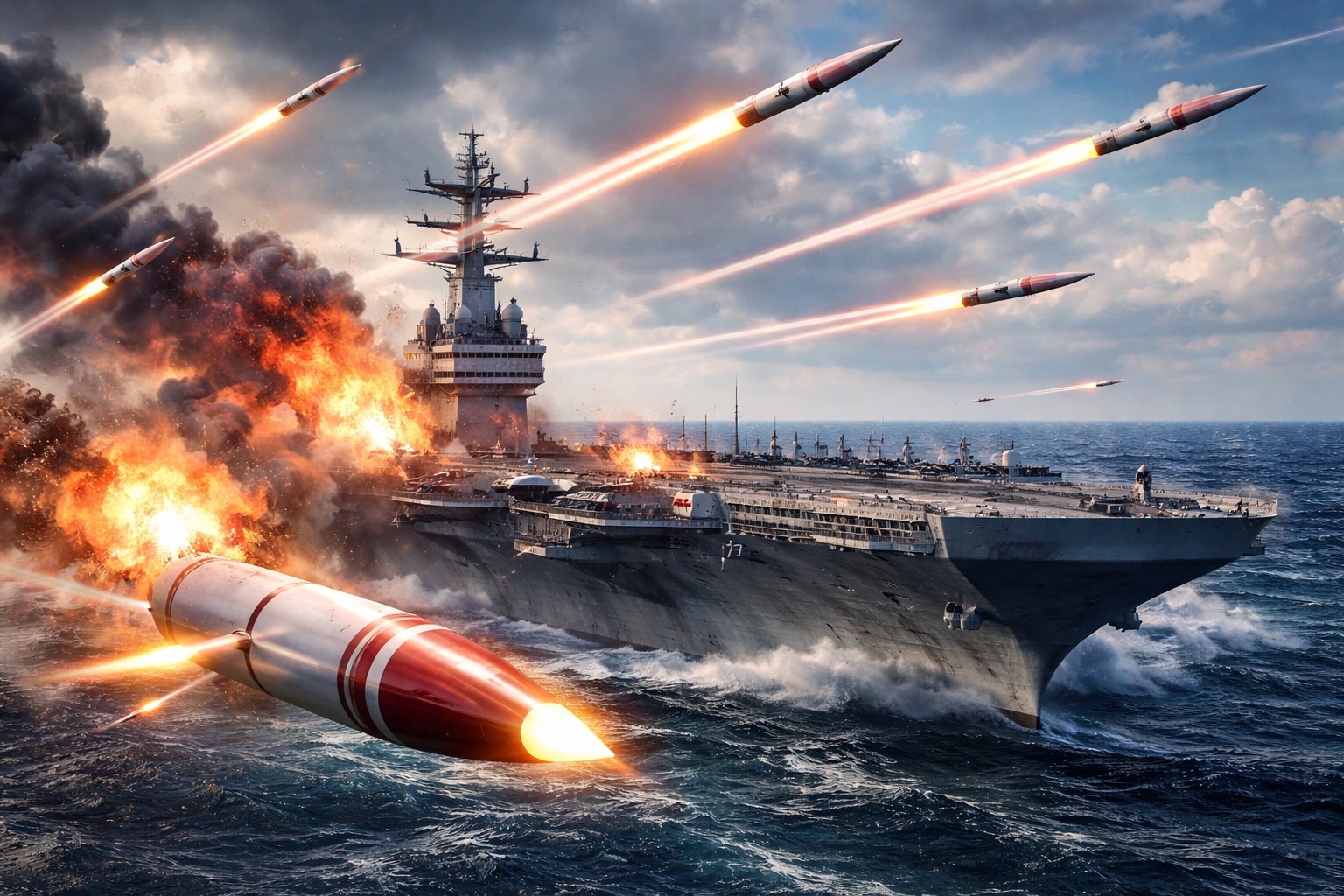
Pentagon Internal Report Assesses That China Could Neutralize Gerald R. Ford-Class Aircraft Carriers Using Hypersonic Missiles, Cyber Attacks, and Anti-Satellite Actions, Increasing Risks to U.S. Naval Projection
The Pentagon has released new information on scenarios in which the Chinese armed forces could neutralize or sink Gerald R. Ford-class aircraft carriers, valued at US$ 12.8 billion, according to internal simulations analyzing strategic impacts on the U.S. Navy.
The conclusions are part of a leaked internal assessment known as the Overmatch Report, based on computational simulations of multiple conflict scenarios involving U.S. aircraft carrier strike groups and Chinese forces.
According to the report, the People’s Liberation Army could, under a wide variety of operational conditions, neutralize or sink even the most advanced aircraft carriers of the U.S. Navy, compromising naval missions in large-scale conflicts.
-
Starlink Mini antenna reaches the lowest price ever seen in April: Elon Musk’s internet hits speeds of up to 280 Mbps and promises to work even in completely remote areas.

-
The most consumed fruit in the world is under pressure: the fusarium fungus tr4 is spreading through Cavendish banana crops, weakening plants, threatening harvests, and prompting experts to intensify research for resistant varieties.

-
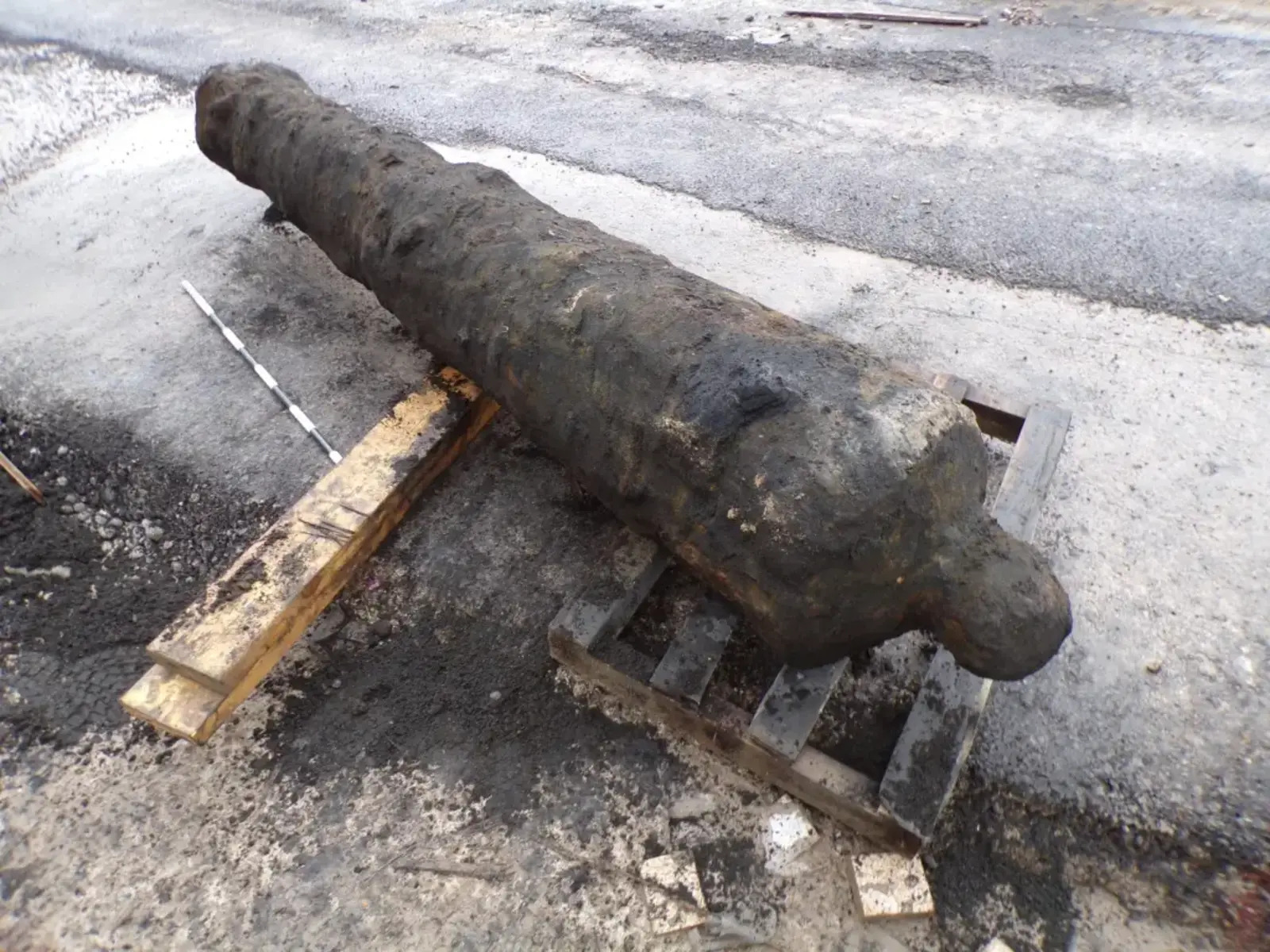
Workers were digging normally and came across a 300-year-old cannon, nearly 3 meters long and weighing over a ton, buried in an old dock area in the United Kingdom.
-
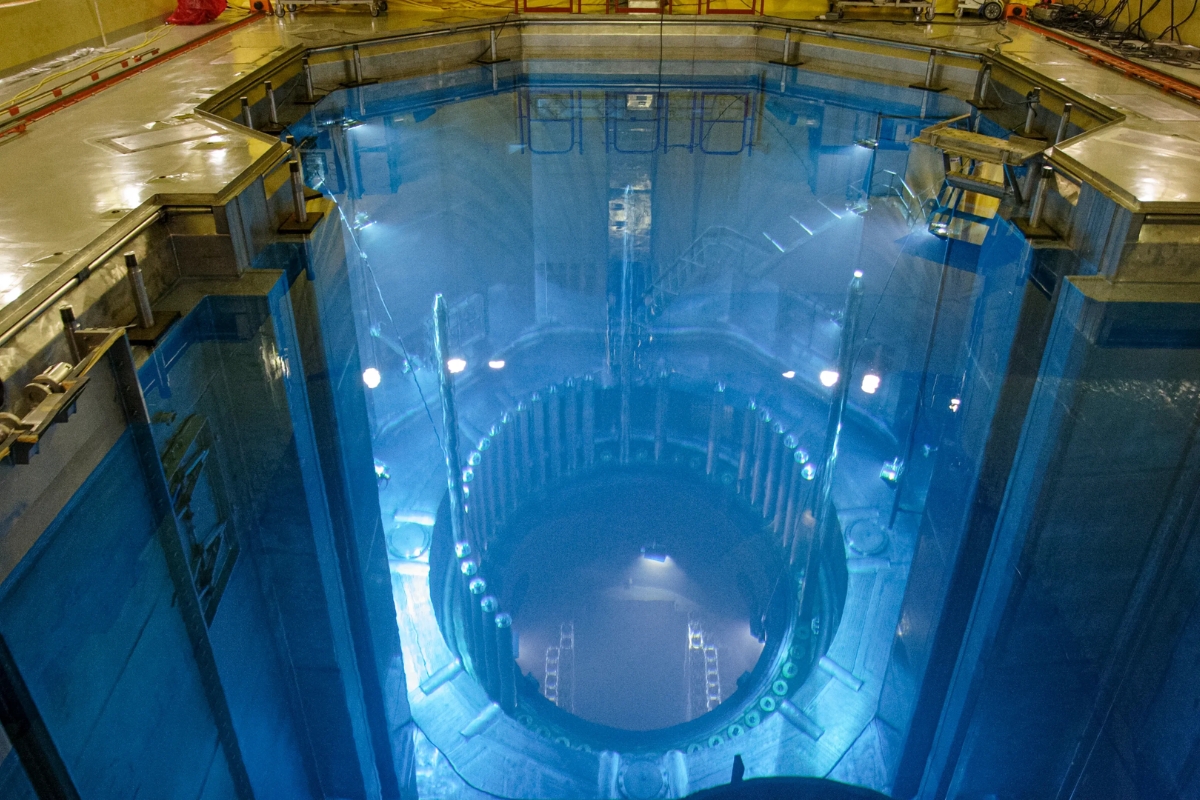
The water cooling system of the nuclear fuel pool in Fukushima has resumed operation.
Multi-Faceted Strategy to Overwhelm Naval Defenses
The Pentagon’s assessment indicates that China would not rely on a single weapon or tactic, but would employ a multi-faceted campaign combining missiles, cyber operations, and attacks on U.S. space assets.
According to the study, coordinated actions would aim to overwhelm American defenses, exploiting vulnerabilities in command, control, communication, and surveillance systems used by aircraft carrier strike groups in maritime operations.
One of the key findings involves the decisive role of cyber and anti-satellite operations against U.S. space systems employed for surveillance, communication, and navigation in combat environments at sea.
According to the report, Chinese attacks on these satellites significantly reduced U.S. forces’ ability to track targets, coordinate movements, and manage naval battles effectively.
Without reliable space support, the strike groups faced difficulties in targeting, route planning, and conducting air operations, becoming vulnerable to subsequent coordinated attacks.
Anti-Ship and Hypersonic Missile Arsenal
The report highlights China’s growing anti-ship weapons arsenal, emphasizing ballistic and hypersonic missiles specifically designed to threaten large surface combat ships.
Among the systems mentioned are the land-based anti-ship ballistic missiles DF-21D and DF-26, the YJ-21 missile deployed on destroyers and submarines, as well as variants carried by H-6 bombers.
The study emphasizes the complementary nature of these forces, combining low-cost anti-ship missiles launched in large numbers to saturate defenses with advanced systems capable of penetrating them and delivering decisive strikes.
Analysts estimate that the People’s Liberation Army currently possesses up to 600 hypersonic missiles, capable of traveling at more than five times the speed of sound while maneuvering in flight.
These characteristics make the missiles extremely difficult to intercept by the current defense systems employed by U.S. aircraft carrier strike groups.
According to the simulations, Chinese forces could coordinate salvos of different types of missiles using location data provided by satellites, long-range radars, and unmanned aircraft.
These systems would create overlapping engagement zones around a strike group, drastically increasing the likelihood of neutralizing ships before they could complete their missions.
Structural Vulnerabilities of Naval Power Projection
The Overmatch Brief also points out broader structural challenges facing the U.S. in terms of military power projection in high-intensity scenarios.
High-value assets, such as aircraft carriers, fifth-generation fighters, and large satellites, are described as increasingly vulnerable to relatively inexpensive weapons produced on a large scale by China.
According to the report, once key nodes are damaged or destroyed, the effectiveness of the entire force can degrade rapidly, affecting joint and sustained operations.
The Gerald R. Ford-class aircraft carriers are described as critical and vulnerable platforms, with significant impact if a single ship is lost in a large-scale conflict.
The assessment notes that the loss of an aircraft carrier would substantially reduce the available airpower of the U.S. Navy, making these ships priority targets in future confrontations.
The Navy plans to acquire 10 Ford-class aircraft carriers, each with an estimated cost of US$ 12.8 billion, as the backbone of its future naval fleet.
The report also raises concerns about U.S. military planning and industrial capacity, suggesting difficulties in keeping up with the scale and diversity of China’s missile forces.
The conclusions coincide with recent demonstrations of China’s military capabilities, including the showcasing of new hypersonic missiles at an October military parade and images released in November of the DF-27 missile.
The DF-27 is expected to extend the range of land-based anti-ship attacks to up to 8,000 kilometers, nearly 5,000 miles, according to the report reviewed by the Pentagon.
The Pentagon has not officially commented on the leak, but the conclusions reinforce persistent concerns within the U.S. defense community regarding China’s growing challenge to American naval power in the Pacific.







Seja o primeiro a reagir!