Portuguese
  Spanish


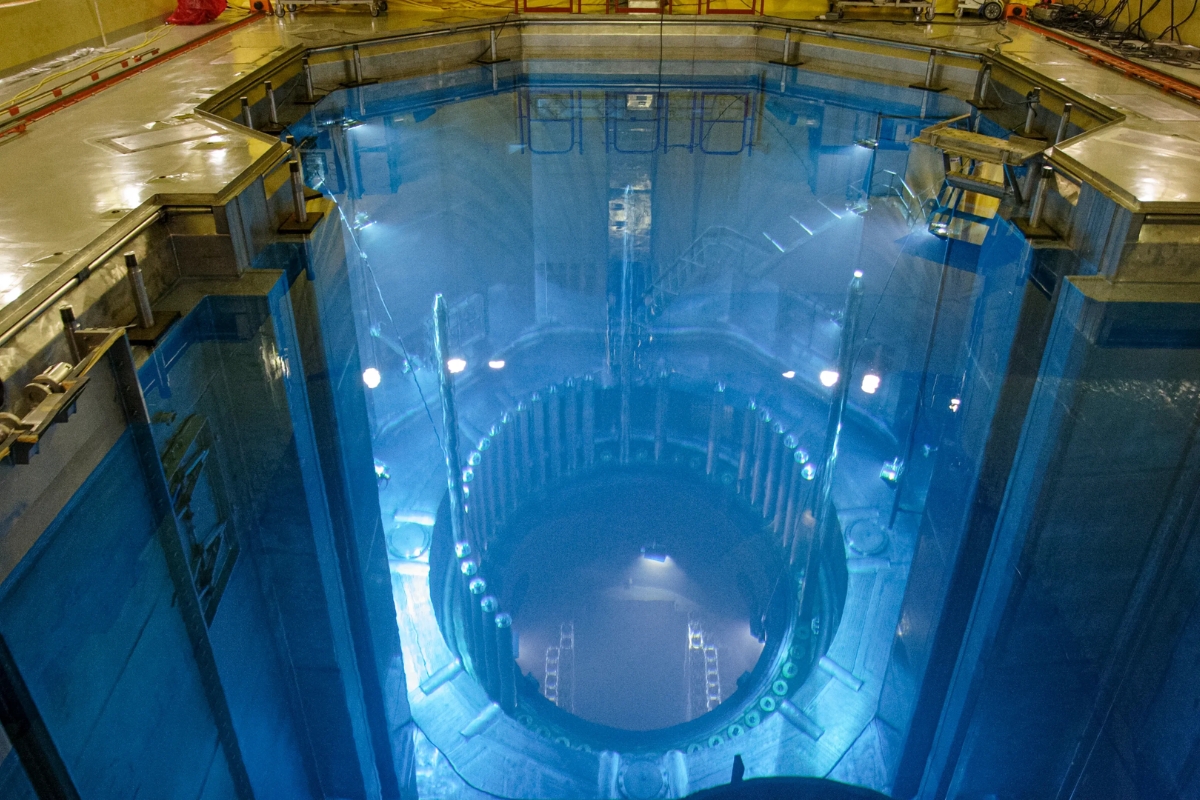


Failure of a pump interrupted the thermal control of unit 1 of Fukushima Daini, but the backup system activated, contained the water rise, and avoided extra pressure on the plant’s safety.
The resumption of the cooling system at Fukushima Daini put the Japanese plant back in the center of international attention. The temporary stop affected the fuel storage pool of unit 1, an area considered sensitive even in a plant that is already decommissioned.
The most significant point in the episode was the presence of more than 2,500 nuclear fuel assemblies inside the pool, most of which were made up of used fuel. Even without any recorded impact outside the complex, the interruption required a quick response to prevent the temperature from advancing to the control limit.
Failure affected main pump of unit 1
The problem was detected late in the afternoon of Sunday, April 5, 2026, when the pump responsible for circulating the cooling water malfunctioned. The interruption led to the suspension of active cooling of the unit 1 pool.
-
Brazilian Mechanic Wins Indian Presidential Award for Inventing Fuel-Efficient Agricultural Machine

-
Brazilian Polilaminin Reaches 100 Spinal Cord Injury Patients Through Compassionate Use, Shows Progress After 6 Months, Highlighting UFRJ’s Role in Experimental Regeneration Research

-
Electrolux Unveils New Stove with Integrated Airfryer, PerfectCook360, VaporBake, Grill, Glass Top, and Oil-Free Large Portion Cooking

-
Brazil Approves Non-Hormonal Drug to Alleviate Menopausal Hot Flashes, Potentially Transforming Treatment



The Fukushima Daini plant is located about 12 kilometers south of Fukushima Daiichi, the site marked by the nuclear disaster of 2011. Therefore, any occurrence related to cooling systems raises public alert in Japan and beyond.

Temperature risen, but stayed below management limit
When cooling was resumed, the water in the pool was at 32.5 degrees Celsius. The number drew attention, but it remained below the ceiling of 65 degrees, a value adopted by the operator as the upper management limit.
In practice, this means there was operational margin during the occurrence. The episode was treated as serious, but it did not indicate an immediate situation of loss of thermal control of the pool at that moment.
Backup system activated still on Monday night
Workers switched to a backup pump after identifying damage to a power cable connected to the main pump motor. The change allowed cooling to be restored shortly before 11 PM on Monday, April 6.
According to Tokyo Electric Power Company, the Japanese operator responsible for the plant, monitoring points around the complex did not register any changes in radiation levels during the failure. This reinforced the assessment that there was no external environmental effect during that interval.
Why the fuel pool requires constant monitoring
Even outside the reactor, nuclear fuel continues to generate heat and needs to remain submerged in water to keep the temperature under control. This water also helps reduce radiation exposure, making the pool a critical structure even in a decommissioning plant.
In the case of Fukushima Daini, the fact that the plant is in the process of permanent shutdown does not eliminate operational risk. Electrical systems, pumps, cables, and auxiliary equipment remain central to preventing larger failures.
Decommissioning of the plant does not reduce the sensitivity of the case
The Fukushima Daini plant is in the dismantling phase, but continues to store a large volume of nuclear material. This explains why a failure at a single point in the system still has the power to mobilize technical teams and generate international repercussions.
In addition to the permanent memory of 2011, there is a strong symbolic factor. Any incident related to the Fukushima region alters public perception of nuclear safety and pressures authorities and operators to respond quickly and transparently.
Investigation into the cause of the failure should gain weight
Now, the focus shifts to the exact origin of the defect that affected the main pump and the power cable. Identifying whether there was wear, isolated electrical failure, or maintenance issues will be decisive in measuring the real magnitude of the episode.
This type of investigation has a direct effect on confidence in the decommissioning process of the plant. If the cause points to broader fragility, the case may require a review of technical routines and reinforcement of backup systems.
The resumption of cooling prevented the temperature of the pool from advancing to a more delicate level and kept the storage under control. The episode showed that the response worked, but also made it clear that the safety margin depends on quick reaction and readiness for failures.
In a plant associated with one of the largest nuclear accidents in history, any interruption carries weight far beyond the technical circuit. The case at Fukushima Daini reignites the debate on safety, trust, and risk management in nuclear facilities, and this changes the strategic reading.