





 Portuguese
  English
  Spanish
  5 min of reading
  0 comments


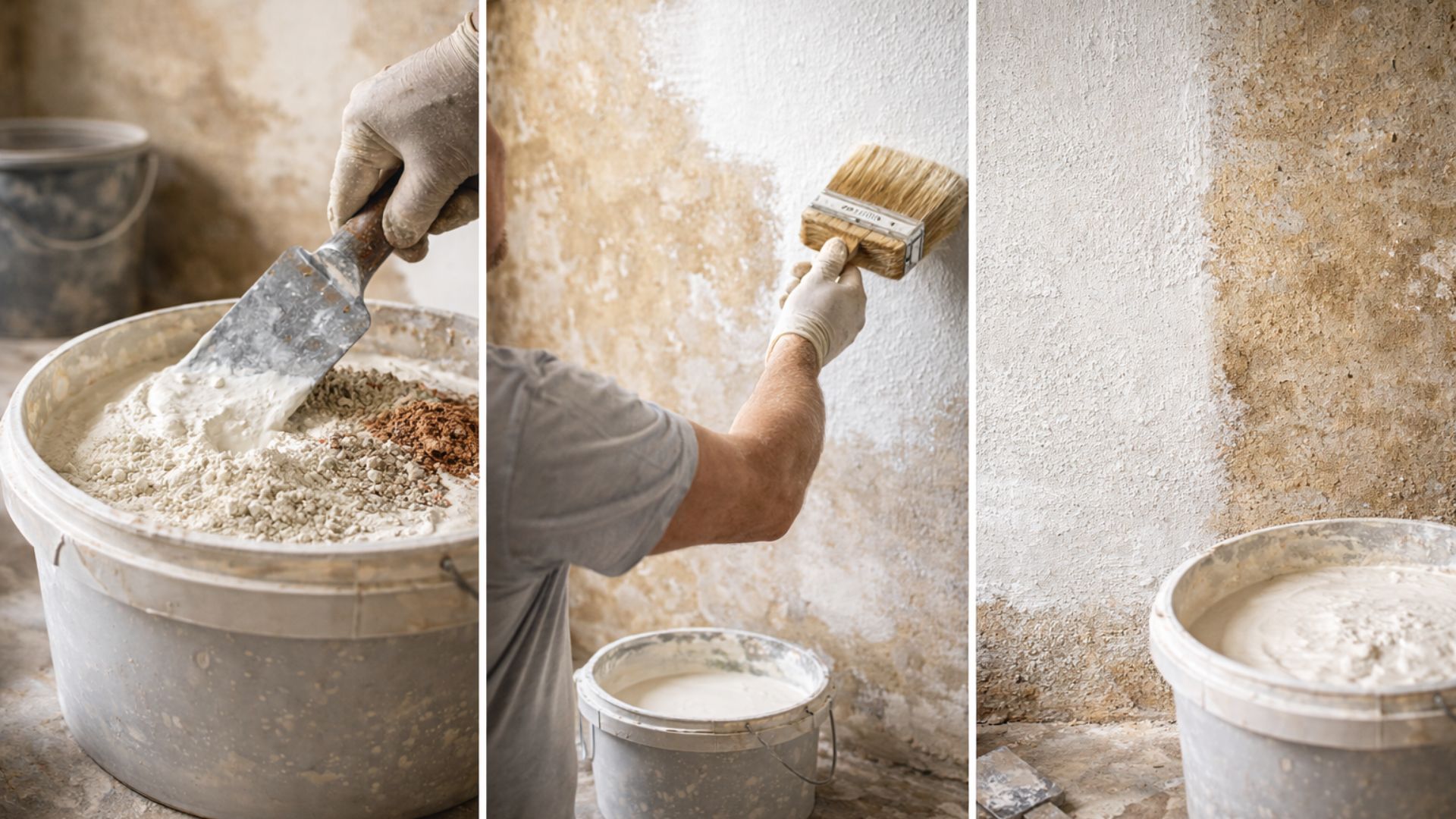
Traditional Technique With Milk And Lime Returns To The Spotlight In Renovations And Restorations Of Old Walls By Combining Low Sheen, Mineral Appearance And Compatibility With Historical Materials. Formulation Known As Casein Paint Appears In International Conservation Guides And Remains Used To Renovate Old Surfaces Without Resorting To More Closed Synthetic Films.
The mixture of milk, hydrated lime, and mineral pigment has attracted attention again in renovations and maintenance of old walls for bringing together low sheen, mineral appearance, and a connection to historical conservation practices.
Far from being just an improvised home solution, this formulation is part of the group of casein paints, also known as milk paint, recorded in technical preservation documents from the United States and the United Kingdom as coatings compatible with traditional surfaces, including in both internal and external areas.
Historical Origin Of Casein Paint
In the manuals of the National Park Service, the composition is described with milk, hydrated lime, and pigment, often accompanied by oil and other additives to enhance the durability of the film.
-
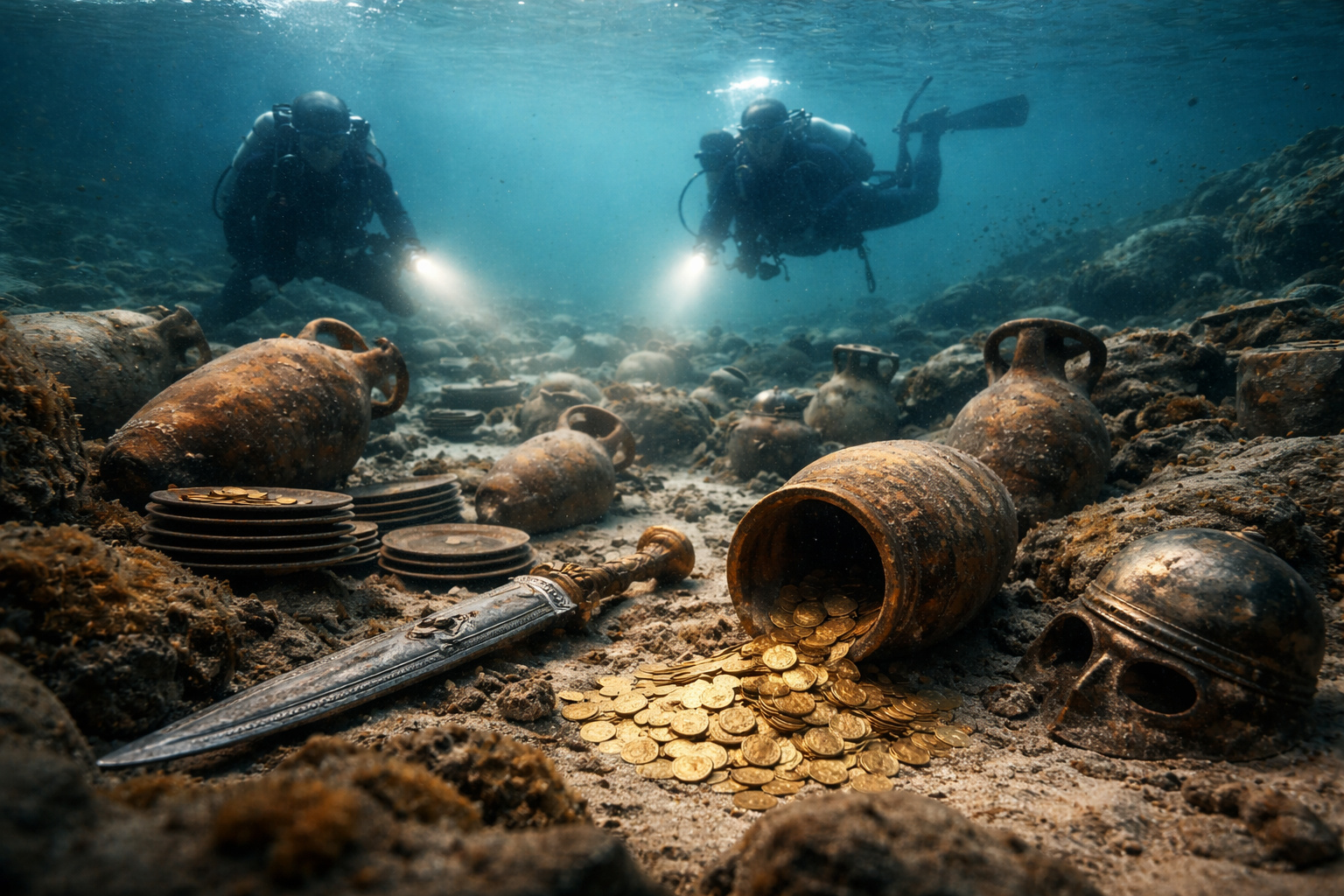
Giant Roman treasure found at the bottom of Lake Neuchâtel in Switzerland reveals an advanced trade system, circulation of goods, and armed escort in the Roman Empire about two thousand years ago.
-
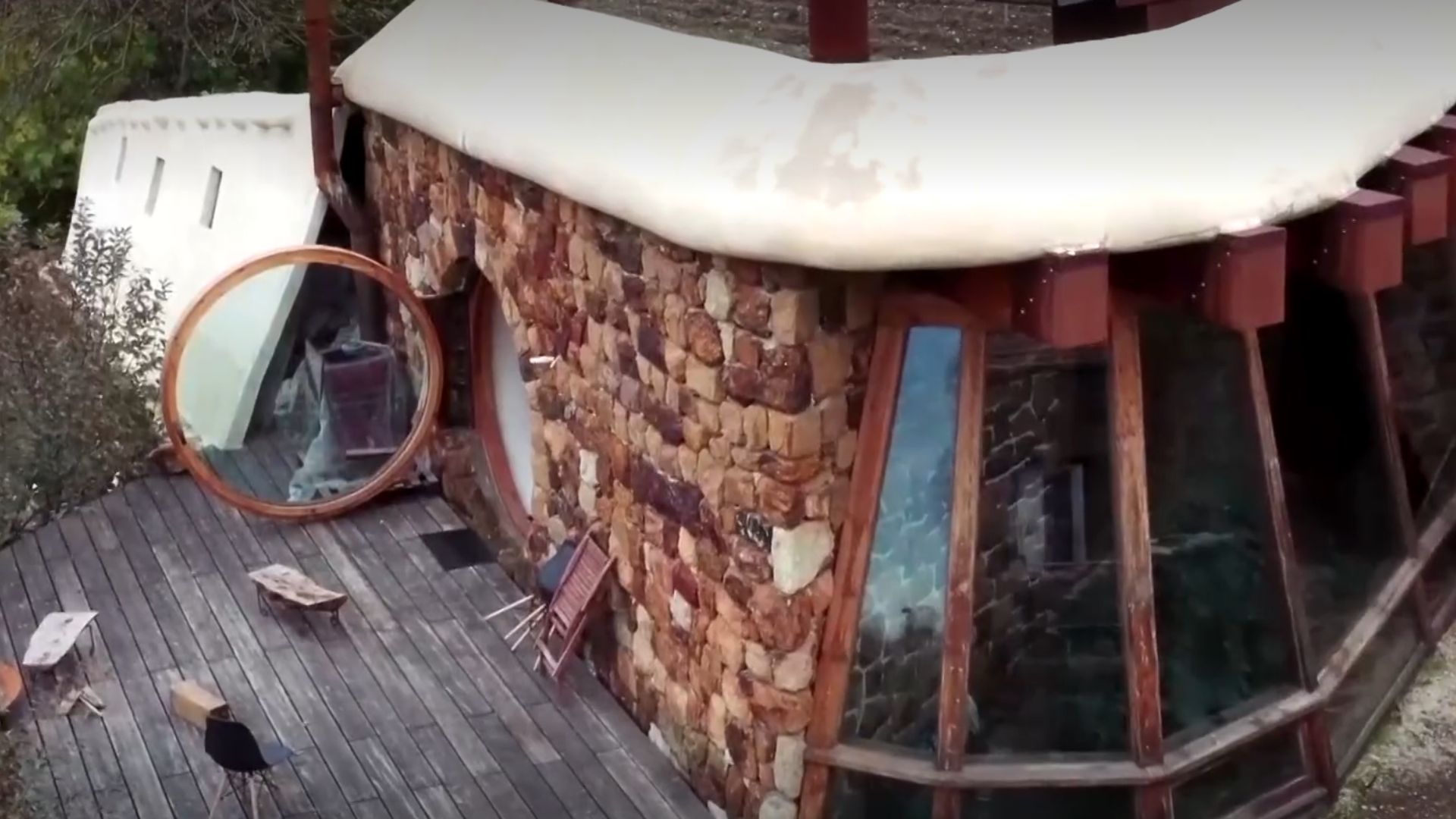
He buried 1,200 old tires in the walls to build his own self-sufficient house in the mountains with glass bottles, rainwater, and an integrated greenhouse.
-
The aircraft carrier HMS Prince of Wales is heading to the Arctic with F-35 fighters, helicopters, and warships in an operation that repositions the United Kingdom at the forefront of NATO in 2026.

-
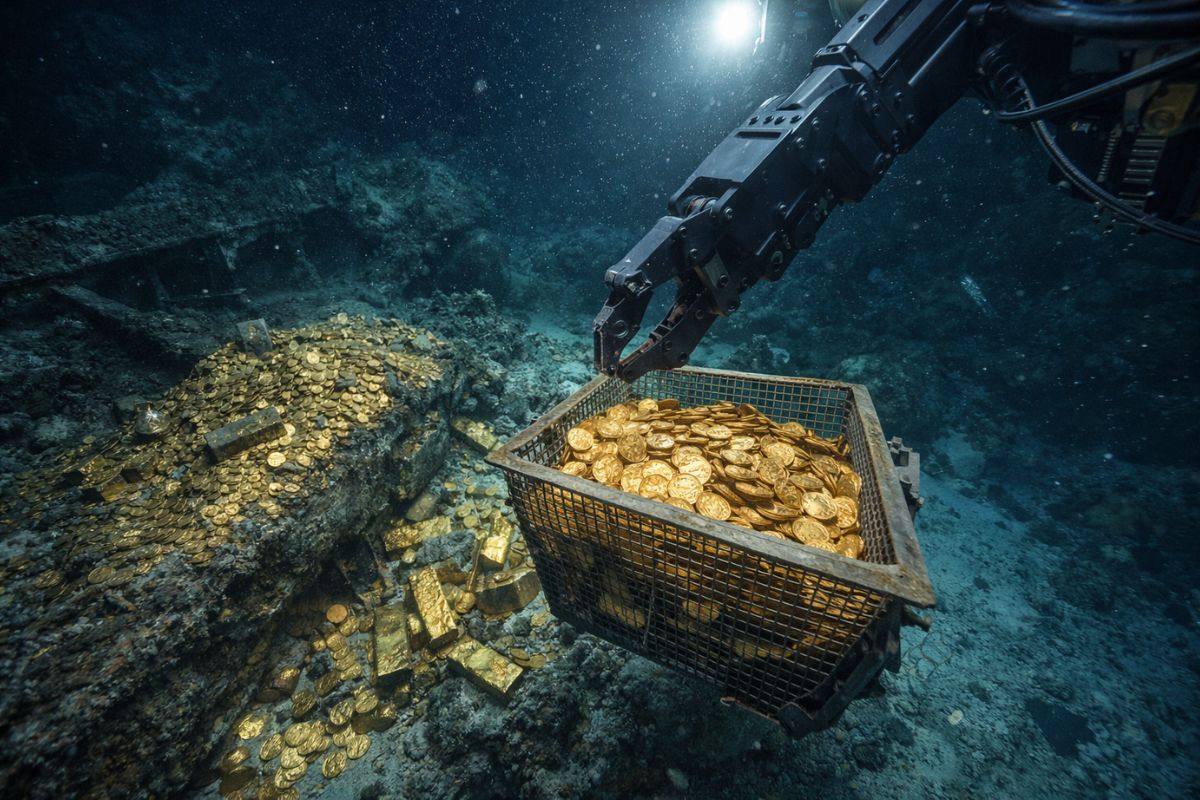
He found the largest gold shipwreck in the United States with tons of the precious metal at a depth of 2,400 meters in the Atlantic and recovered a treasure that no one thought possible to reach, but 500 gold coins disappeared without explanation.

Institutional recognition helps dispel the notion of a recent trend and reinforces that the technique has long been part of the repertoire for maintaining historic buildings, especially when the goal is to renew an aged surface without imposing a tighter synthetic layer over the original substrate.
How The Milk And Lime Mixture Works
The central element of the formula is casein, a milk protein that acts as a binder when it comes into contact with an alkaline medium.
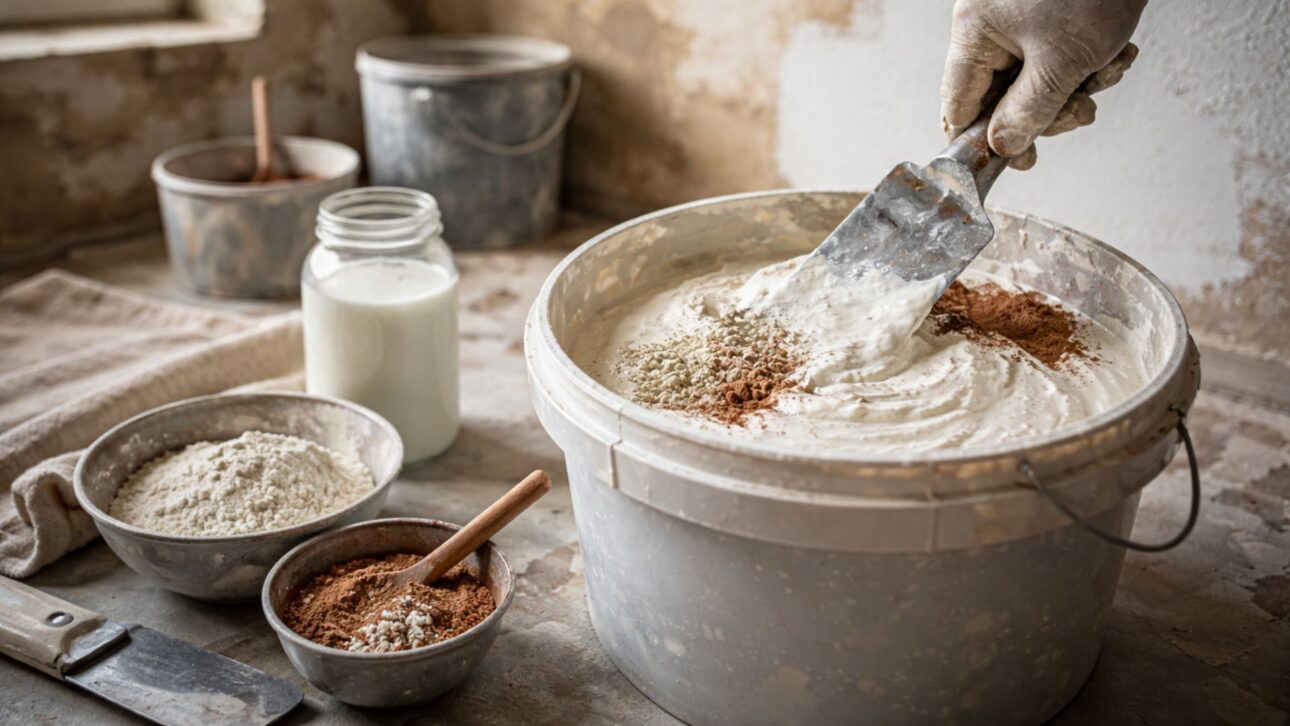
This chemical behavior produces a matte coating that is visually softer than many conventional industrial paints.
In guidance from the Canadian Conservation Institute, casein is associated with a durable and matte film, a characteristic valued in supports that require apparent texture, lower reflection, and less plastic finish.
Along with the protein binder, mineral pigments preserve the traditional logic of the system by offering color without altering the coating.
This point is significant because old facades, lime renders, and heritage surfaces tend to respond better to materials compatible with their original composition.
Instead of creating a thick film, the paint acts as a finish integrated with the behavior of the substrate, which explains its continued presence in technical guides focused on the conservation of historic renders and plasters.
Why Old Walls Need To “Breathe”
The relevance of the technique grows, especially because of a principle reiterated in preservation guidelines: traditional buildings tend to function better with permeable materials capable of absorbing and releasing moisture over time.
Historic England states that, in old houses, it is important to allow moisture present in the walls to evaporate to reduce damp problems.
In the same vein, conservation guides from Suffolk highlight that limewash protects the material while simultaneously preserving the passage of vapor, without trapping water in the structure.
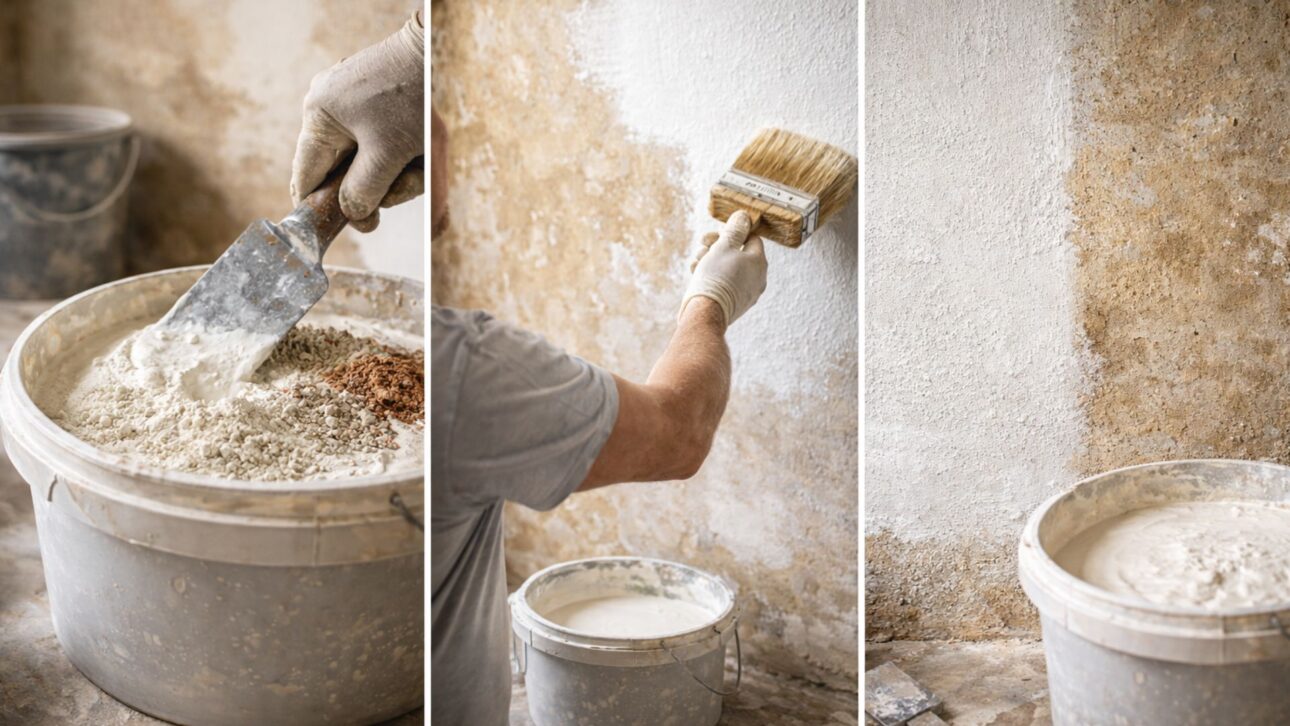
This logic helps explain why lime-based paints continue to be associated with the recovery of old walls.
In constructions made with traditional materials, the performance of the coating depends less on the promise of total waterproofing and more on the compatibility with the natural exchange of moisture.
When the surface already works with lime, old mortars, or historic plasters, solutions from this group tend to align better with the behavior of the building than plastic films aimed at completely sealing the support.
Matte Finish Highlights Old Surfaces
The visual appeal also helps sustain the renewed interest in the technique.
Finishes of this type tend to highlight subtle irregularities, soften patches, and deliver a matte aspect that complements facades and interiors with a less standardized appearance.
The National Center for Preservation Technology and Training registers limewash as a matte paint produced from slaked lime and water, with the possibility of receiving additional ingredients, including milk, to improve performance.
When The Technique Is Not Indicated
Still, the use of the mixture does not appear in technical guides as a universal solution for any wall. Preservation recommendations insist on the need to evaluate the substrate before application.
Historic England warns that improper paints over brick, stone, or concrete can create moisture problems and also be difficult to remove without damage.
In historic constructions, the greater risk lies in the incompatibility between the new finish and a substrate that already suffers from water retention, cementitious repairs, or pre-existing waterproof barriers.

Old Technique Remains Present In Architectural Conservation
Therefore, the current interest in casein paint relies less on the exoticism of milk and more on the convergence of technical performance and aesthetic result.
The material offers a matte finish, visual integration with old surfaces, and adherence to a conservation repertoire recognized by specialized bodies.
In the United Kingdom, recent guidelines from local councils on paints for historic walls continue to treat limewash and compatible coatings as renewable protective layers, applied over clean, stable bases suitable for traditional construction systems.
The relative simplicity of application also matters, provided that the wall is in a compatible condition and moisture does not arise from structural failures.
The consulted guides recommend careful surface preparation and successive thin coats to uniform the finish, without marketing the technique as a shortcut to hide building pathologies.
In other words, it is a maintenance and protection coating, not a resource capable of correcting infiltration, plaster detachment, or degradation of deeper origins.
In this context, the reappearance of the mixture in reports, videos, and discussions about renovation makes editorial sense because it combines curiosity, material memory, and technical support.
There is an unusual ingredient for the general public, but there is also consistent documentation showing that milk, lime, and pigment form a well-known technology in architectural conservation.
The most solid data is not about novelty, but rather about permanence: international preservation bodies continue to register casein paints and lime-based finishes as options used to renew and protect old surfaces with a matte appearance and behavior compatible with traditional bases.








-

Uma pessoa reagiu a isso.