





 Portuguese
  English
  Spanish
 3 min of reading


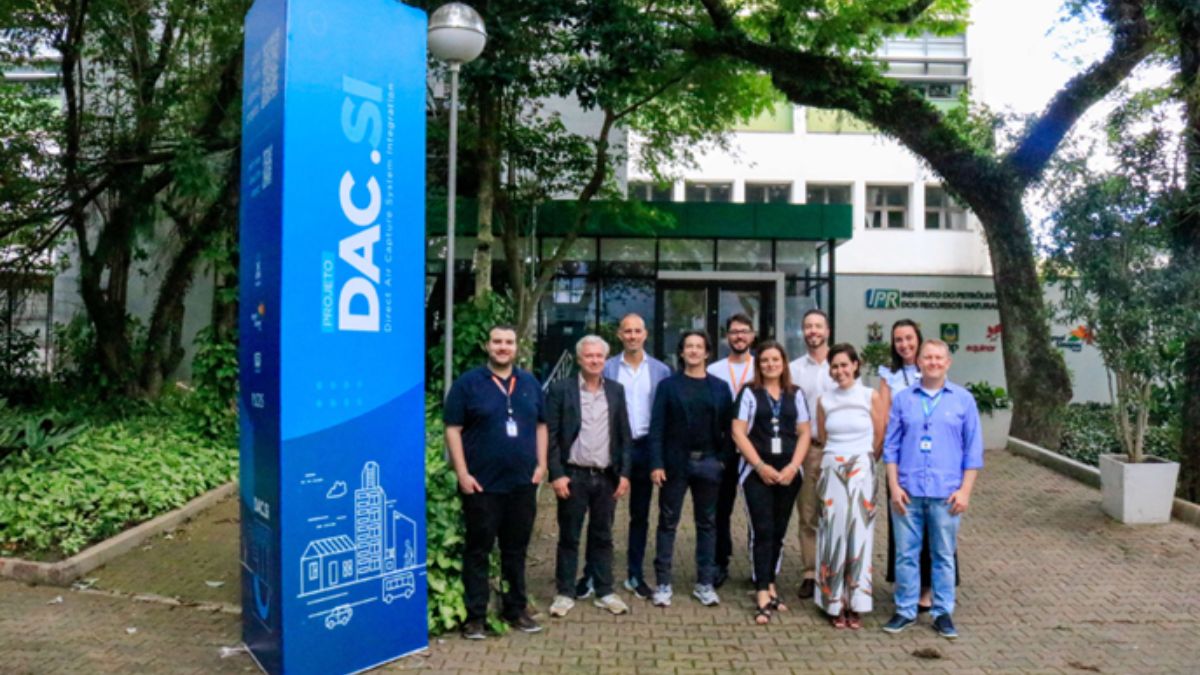
Innovative Project Is Result of Partnership Between PUCRS, Repsol Sinopec, and German Startup DACMa GmbH
In an unprecedented partnership, Repsol Sinopec launched a new project for the removal of carbon (CO2) from the atmosphere. In this regard, the collaboration was established between the Pontifical Catholic University of Rio Grande do Sul (PUCRS) and the German Startup DACMa GmbH. This project brings a lot of innovation and aims to expand Brazil’s horizons toward energy transition.
The DAC.SI (Direct Air Capture System Integration) is the first open innovation project in Latin America for carbon removal. Thus, it places Brazil in a prominent position on the global stage. The agreement made between the three institutions constitutes a Joint Development Agreement (JDA) and will enhance the outcomes. Learn more below!
Discover the Main Challenges of Energy Transition in Brazil with the Video Below


Repsol Sinopec Group Aims for Zero Carbon by 2050 and New Project Accelerates This Goal
The Repsol Sinopec Group, a pioneer in exploring the Pre-Salt in Brazil, is constantly evolving and transitioning to energy. The company’s main goal is to achieve net-zero carbon emissions by 2050.
-
India announces a plan of $3.06 billion to bring aviation to forgotten regions: 100 new airports, $1.07 billion in subsidies, and regional routes guaranteed for 10 years, from 2026 to 2036, away from the centers.

-
Brazil blocked a proposal from the United States at the WTO that would make the exemption from tariffs on digital products like streaming and ebooks permanent, favoring American tech giants at the expense of developing countries.

-
IPTU exemption for seniors in 2026: see how to secure the benefit.

-
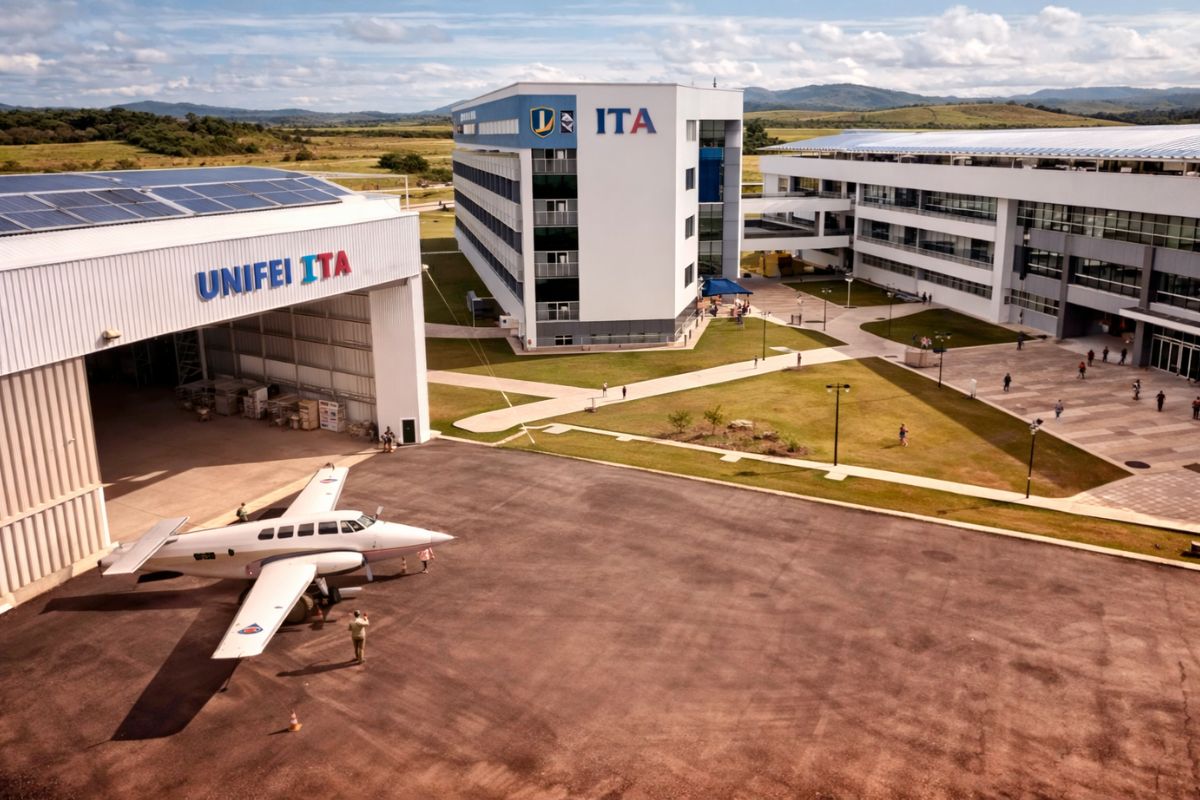
The institute that trained the greatest aerospace engineers in Brazil has just opened its first campus outside São Paulo after 75 years: ITA Ceará will have R$ 445 million, new courses in energy and systems, and classes are expected to start in 2027.

Accordingly, the company has begun to invest heavily in technology and in the consolidation of partnerships like this one, to use technology in favor of reducing the effects of global warming. Through this initiative, the company holds a prominent place in the national landscape and stimulates the sector’s competitiveness.
Unique Equipment Powered by Solar Energy and Brazil Was Chosen to Host the Project Due to Its Geography
The project is under development, and the first phase brought a solar-powered device with the astonishing capacity to absorb up to 300 tons of carbon. However, the equipment is still in the experimental phase, and researchers are searching for substrates capable of storing this absorbed carbon. In this regard, basalt rock is an interesting solution.
Brazil was selected for these initial tests due to its privileged geography with a high number of basaltic rocks. Additionally, it has a high incidence of sunlight throughout the year, facilitating the operation of the equipment.
Project Is Multidisciplinary and Requires Significant Contributions of Innovation and Technology for Carbon Removal.
The technology used to remove carbon from the atmosphere is complex and requires multidisciplinary involvement from sectors of the national industry. Therefore, we can expect an open innovation concept that brings together industry, universities, and major research centers. The joint efforts of these institutions will ensure a highly effective solution.
This entire structure for removing carbon from the atmosphere has been developed by researchers after analyzing what happens in forests. In other words, Brazil has the largest forest in the world, and the knowledge gained from it could not yield something small. Therefore, we will implement a new technology that will coexist with nature, expanding its natural functioning.
The partners involved in the project expressed optimism and excitement about a zero-carbon future. After all, Brazil has the potential to deploy this technology on a large scale and sell carbon credits, which is a significant investment.
Who Is Repsol Sinopec Brazil?
Repsol Sinopec is a company with 25 years of presence in Brazilian territory. Furthermore, it was a pioneer in exploring the Brazilian pre-salt and ranks among the largest oil and gas producers in the world.
It is a company concerned with energy transition and carbon reduction in the atmosphere and has several related innovation projects. The company is optimistic about this experimentation and hopes to contribute to zero carbon in Brazil.





Seja o primeiro a reagir!