





 Portuguese
  English
  Spanish
  2 min of reading


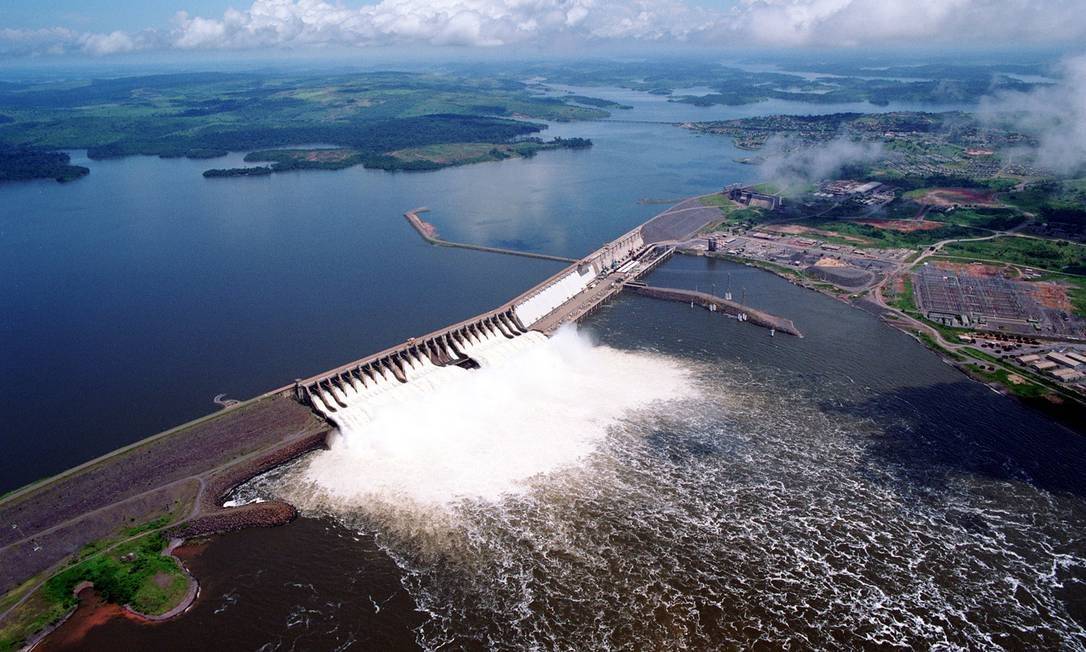
In the last week of April, the reservoirs in the Northeast region had a slightly significant variation of only 0.2% compared to last Sunday (26), registering approximately 88.8% of their capacity, according to data from the bulletin of the National Electric System Operator (ONS).
See Also:
- Petrobras Expands Pre-Embarcation Testing for Offshore Workers at Macaé, Vitória, and Other Airports
- Recruitment and Selection for Offshore Contract in Oil and Gas Sector Demand Jobs for Seafarers Today (04/28)
- The Brazilian Navy’s Submarine Program for 2020 Advances with Several Projects
Thus, the inflow energy from the reservoirs in the Northeast region reaches 109% of the long-term average, and the stored energy is projected to be nearly 46 MW per month.
In another situation, the reservoirs in the South of the country registered no variations in the submarket levels, marking around 16.1% of the volume. Consequently, the inflow energy is only 10% of the long-term average, and the stored energy points to 3203 MW per month.
-
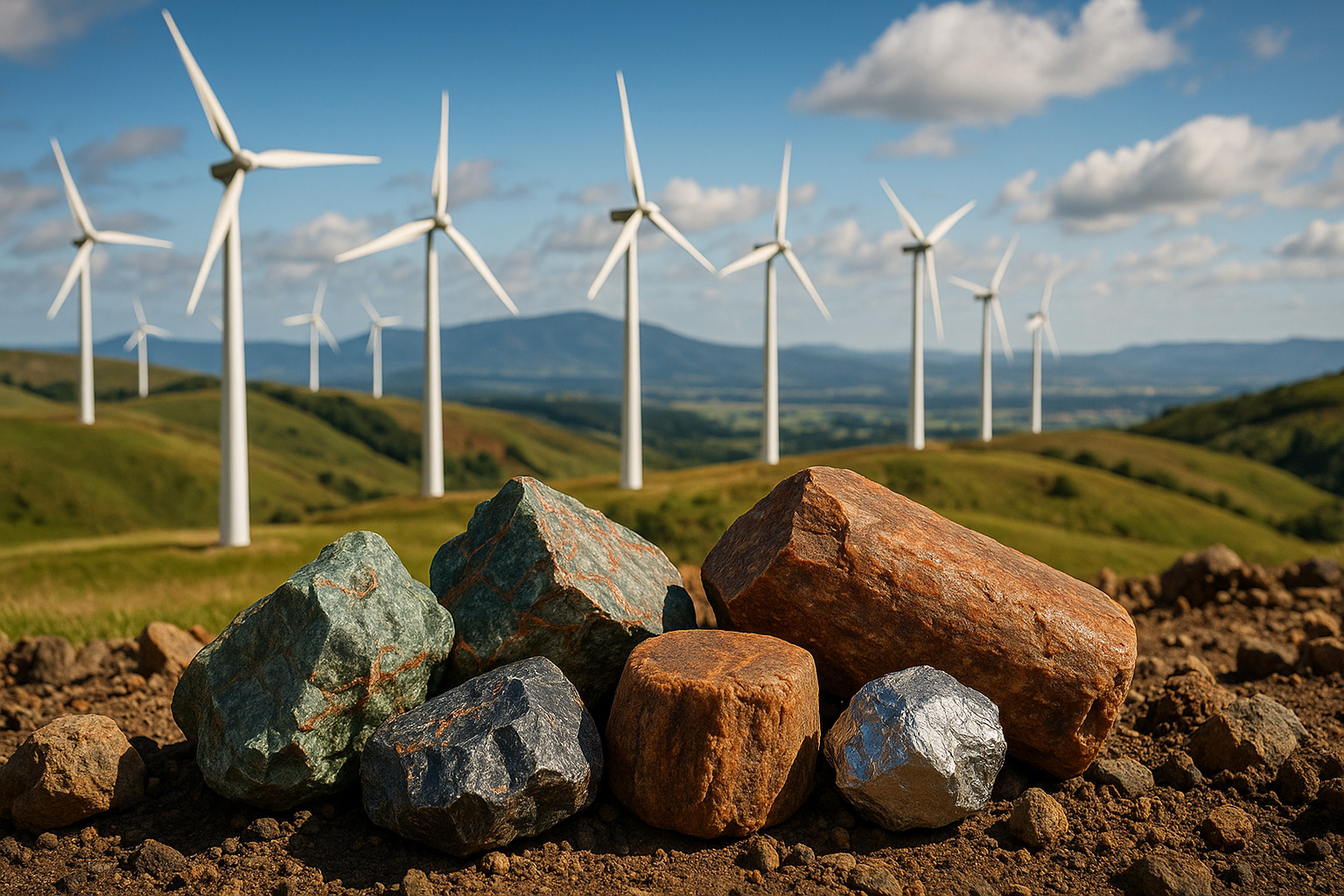
The Brazilian state accelerates industrial competitiveness with a focus on the extraction of strategic minerals to boost the energy transition in Goiás.
-
A Canadian retiree creates a hydroelectric system on a real river, generating energy continuously throughout the day and demonstrating how the power of water can supply a house with stability even in a simple structure.

-
Petrobras reaffirms its commitment to the market and ensures that it will carry out the energy transition safely to maintain national sovereignty.

-
Researchers discover a possible hydrogen deposit of up to 46 million tons beneath an ancient coal basin, and the volume could exceed half of the entire global production.


In this region, the Bento Munhoz plant, in the municipality of Pinhão, near Curitiba, is operating at 18.87% of its capacity, just like the Passo Fundo plant, which registers 29.64%.
In the North region of the country, the flow increased by 0.4%, indicating 79.3% of its capacity, with the long-term average energy at 65% and the stored energy at 12.03 MW. Specifically, the Tucuruí plant operates at almost 100% of its total capacity.
Lastly, in the other two regions of the country, Southeast and Central-West, the volume increased by only 0.1%, reaching 54.9%. Consequently, the stored energy indicates 111,178 MW, and the inflow registers 81% of the LTA.








Seja o primeiro a reagir!