






 Portuguese
  Spanish
  2 min of reading


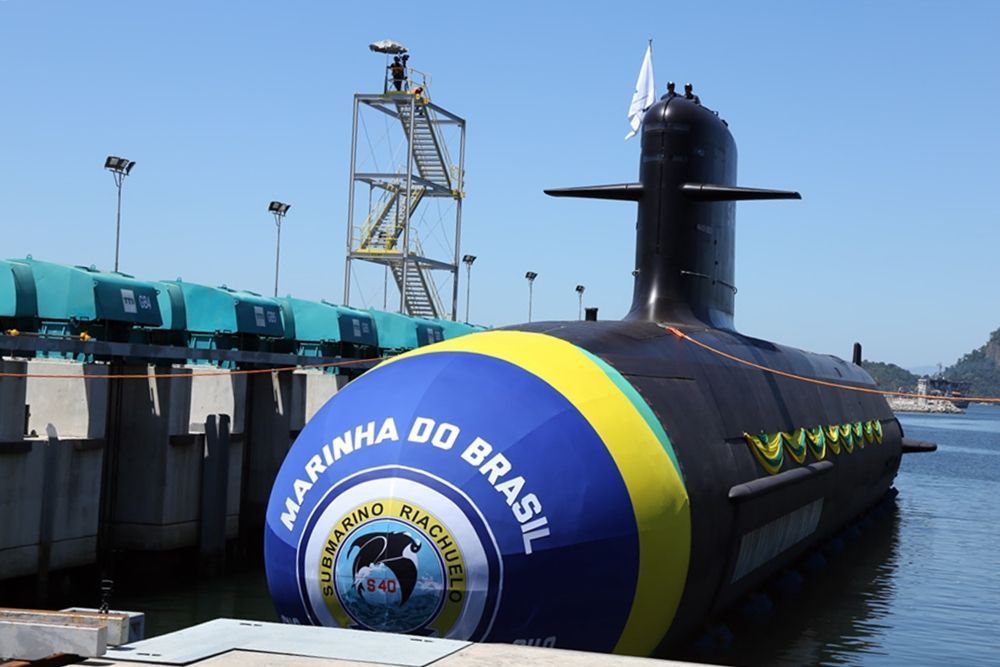
The Brazilian Navy, through its Director-General of Nuclear and Technological Development, announced more news about its submarine program (PROSUB) from 2020 onwards. The interview was granted to the portal Petronotícias and announced on Tuesday (28)
You Can Also Check Out
- Resume Registration for All Positions at the Australian Oil and Gas Multinational Worley
- Petrobras Is Going to Sell Three Large Maritime Pipelines That Connect the Pre-Salt Fields in the Santos Basin
- Electrician, Analyst, and More Job Openings in Rio de Janeiro Available from the Electricity Company Light
Admiral of the Squadron Marcos Sampaio Olsen Talks About the Next Steps in the Brazilian Navy
The Admiral also revealed what his next steps will be, among them are: transfer of the Submarine “Riachuelo” to the Operational Sector; activation of the Submarine Base at Madeira Island; launch of the Submarine “Humaitá”; and finally the joining of the hull sections of the Submarine “Tonelero”.
As a new development for the Brazilian shipbuilding industry, the Admiral reports that the Brazilian Navy is considering the construction of nuclear reactors.
“These reactors could be used for both submarine propulsion and nuclear power plants for electricity generation and water desalination in areas not served by the national power distribution network,” reports Marcos Sampaio Olsen.
-
Instead of plastering the wall, Argentine architects left ordinary bricks exposed, without traditional mortar, without finishes, without paint, and created a perforated pavilion that looks like an art installation.

-
North Korean Fiasco: Launch of the Largest Warship Ends in Sinking

-
With 100 discarded pallets and simple tools, the project creates a 23 m² shelter, recycles wood used in the transport of humanitarian aid, and transforms temporary housing for refugees.
-
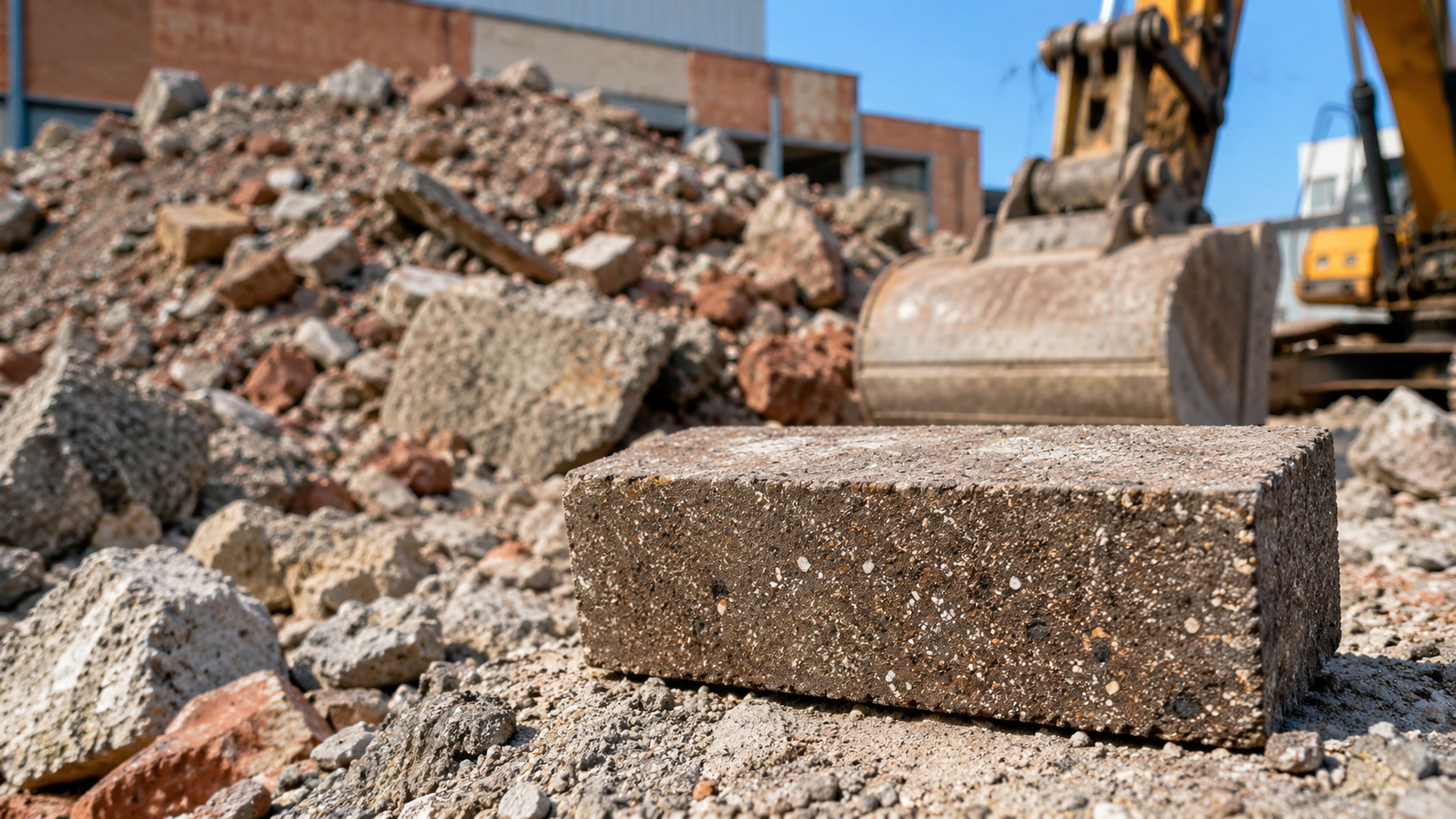
Scotland creates a brick made with over 95% recycled debris, eliminates kiln firing, and attempts to reinvent a piece used in construction for almost a thousand years.


In addition to the next steps mentioned earlier regarding submarines, there are many more developments ahead, the most relevant being:
Manufacture of the first batch of composite solid propellant (base bleed) for naval ammunition; installation and sea testing of the active sonar system SONAT MKII aboard the Frigate “Defensora” and the Corvette “Barroso”; delivery of the Open Sail Simulator for High Altitude and Night Parachute Jumps; completion, by IEAPM, of a series of physical oceanography studies in the maritime area of Cabo Frio; and finally development of a communication system for submarines for digital data.
What Are the Benefits of All These Projects?
In summary, it can be stated that the success of each of these projects proposed by the Brazilian Navy, as well as its partnerships, will extend to several projects for social well-being – for example, we can mention the creation of a food irradiator (this will directly benefit fruits and vegetables), reducing freight costs and increasing potential in the food import market.
Finally, all these projects will directly influence the national industry, thus generating jobs and income on Brazilian soil.







Be the first to react!