





 Portuguese
  English
  Spanish
  2 min of reading
  0 comments


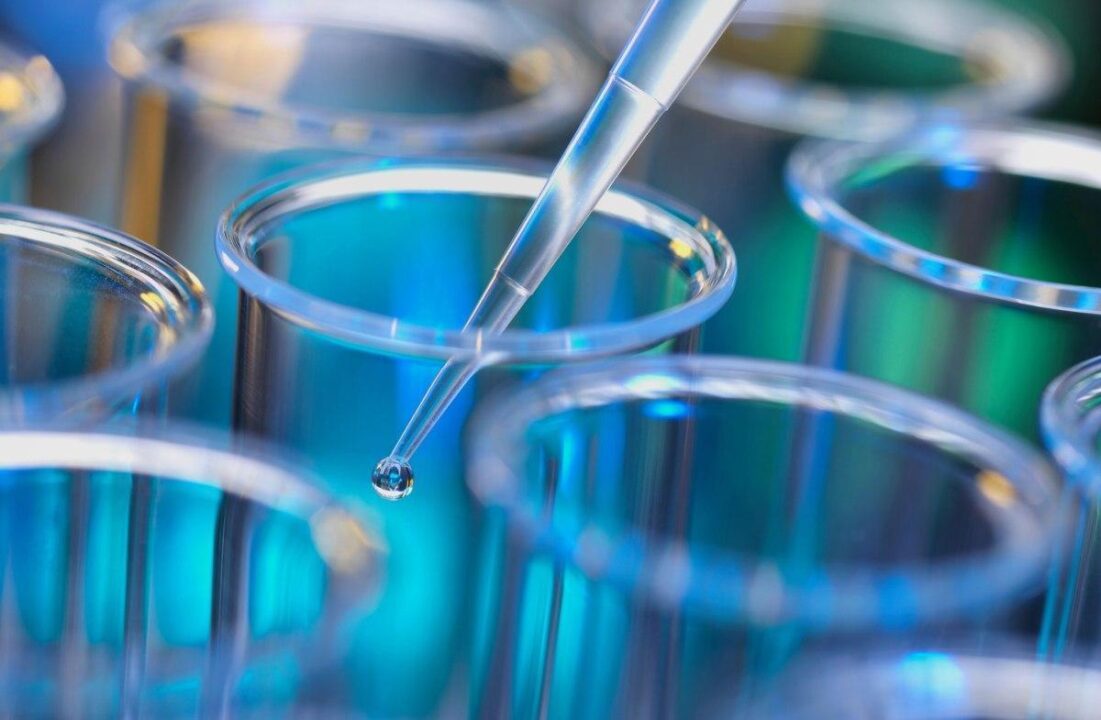
Green Revolution: Biotechnological Natural Rubber Promises to Drastically Reduce CO2 Emissions with Engineered Bacteria!
Imagine a world where rubber production not only meets industrial demands but also significantly contributes to reducing CO2 emissions. Sounds like science fiction? Not anymore. Biotechnological natural rubber is emerging as an innovative and sustainable solution, promising to transform the industry and the environment.
What Is Biotechnological Natural Rubber?
Biotechnological natural rubber is a product developed through advanced biotechnological processes, using engineered bacteria to produce rubber more efficiently and ecologically. This method not only reduces dependence on traditional sources but also minimizes environmental impact.
How Does the Technology Work?
The process involves the genetic modification of bacteria so that they can synthesize natural rubber from renewable raw materials. This innovative method uses less energy and generates less waste, making it a viable and sustainable alternative to conventional rubber production.
-
They were brilliant! Scientists discover that our ancestors in China were already making super advanced tools 160,000 years ago, changing everything we knew.

-
Scientists unveil 3 million years of climate secrets hidden in the ice of Antarctica.

-
Ancient farmers created “aggressive plants” that changed nature forever.
-
Astronomers find a “backward” solar system that ignores all the rules of space and leaves scientists scratching their heads!


Positive Environmental Impact
One of the main benefits of biotechnological natural rubber is its ability to reduce CO2 emissions. By replacing carbon-intensive industrial processes, this technology can help mitigate climate change. Additionally, the use of renewable raw materials contributes to the conservation of natural resources.
Economic and Industrial Advantages
- Cost Reduction: Biotechnological production can be more economical in the long run due to the efficiency of processes and the reduction of waste.
- Production Flexibility: The technology allows for rubber production under various conditions, adapting to the specific needs of the market.
- Innovation and Competitiveness: Companies that adopt this technology can position themselves as leaders in sustainable innovation, attracting conscious consumers.
Challenges and Future Perspectives
Although promising, the implementation of biotechnological natural rubber faces challenges, such as the need for investment in research and development and the adaptation of existing industrial infrastructures. However, with the growing interest in sustainable solutions, this technology is expected to gain momentum in the coming years.
Conclusion
Biotechnological natural rubber represents a green revolution, with the potential to transform the industry and significantly contribute to the reduction of CO2 emissions. As technology advances, it not only offers a sustainable alternative but also paves the way for a more ecological and innovative future. Follow this transformation and discover how it can positively impact our planet.





Seja o primeiro a reagir!