





 Portuguese
  English
  Spanish
  3 min of reading


Prototype Of A Mining Robot Broke Free From Ship And Got Stuck On The Bottom Of The Pacific Ocean
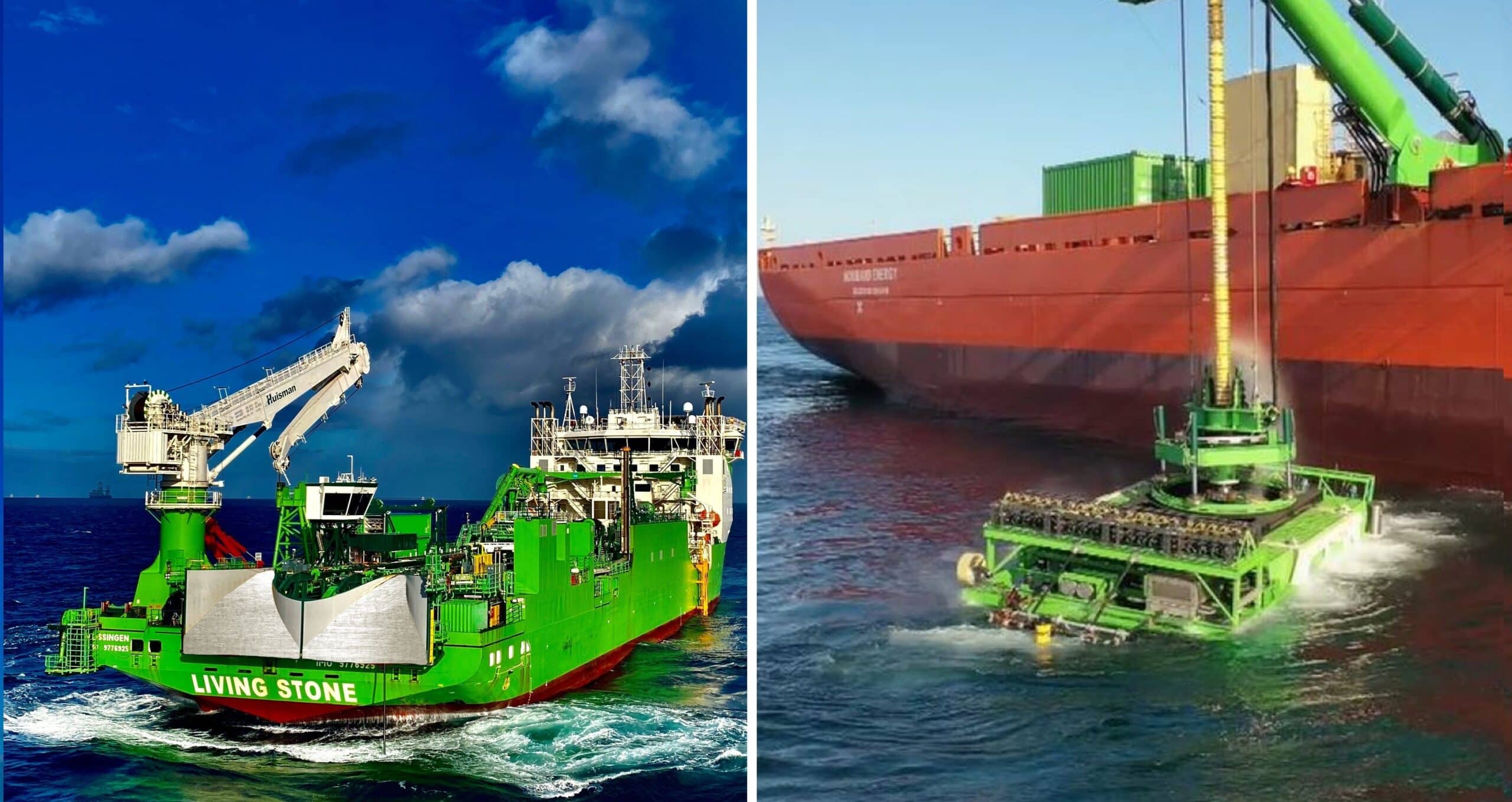
Global Sea Mineral Resources (GSR), a deep-sea exploration division of DEME Group, is testing a mining robot called Patania II, which weighs 25 tons and features advanced technology. The robot is designed to collect minerals from the ocean floor and send them to the ship at the surface. However, while the company seeks to test the equipment for seafloor mining, companies such as Google, Samsung, Volvo, and BMW try to delay these actions, considering the environment.
The prototype was in testing, bringing materials to the surface for studies on the environmental impact of mining, as well as testing the equipment’s capability for large-scale exploration. The exploration machine was almost completing its testing phase when it detached from the cable that connected it to the ship, becoming stuck 4 KM underwater. A spokesperson for GSR, in contact with Reuters, highlighted that the operation for the rescue of the equipment will begin soon. The small rocks on the ocean floor are rich in cobalt and other materials widely used in batteries.
Google, Samsung, Volvo, And BMW Concerned About Sea Mining
The tests are also seen as an opportunity for study for nearly 30 European institutions that will analyze the data to verify the impact of mining on the seabed. However, global companies like Google, Samsung, Volvo, and BMW are concerned about the environmental impact of metal explorations.
-
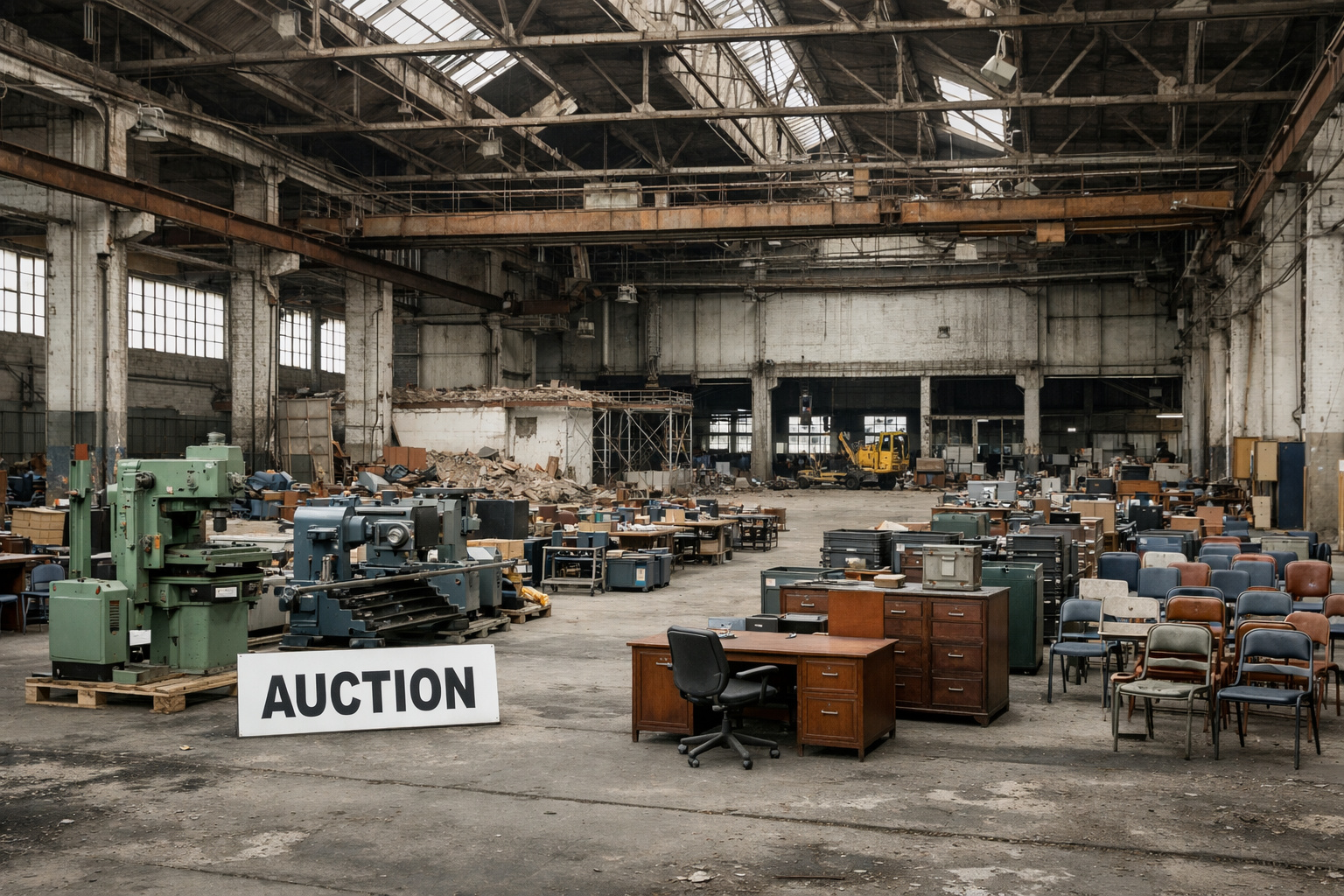
Historic bankruptcy of Centauro shocks the market, and the century-old company puts more than 500,000 products, machines, and complete infrastructure up for online auction.
-
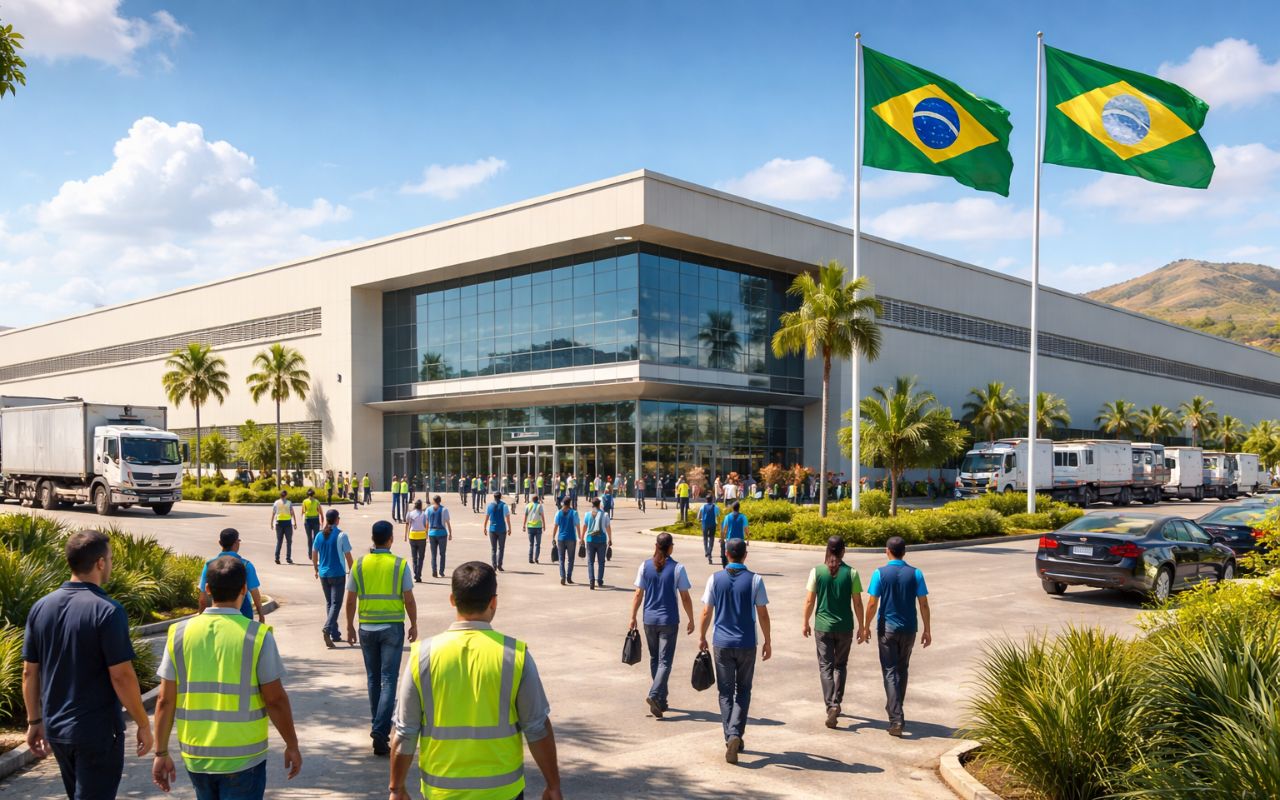
New shoe factory in Ceará is expected to create 400 jobs and strengthen the local economy.
-
No one imagined it, but a mixture of sawdust with a mineral that fights fires surprises scientists with a result that changes the course of fire-resistant construction.

-
From empty land to a high-end house, wooden construction uses a lightweight system, metal structure for the foundation, ventilated ceramic cladding, and special windows to create an efficient and comfortable living space throughout the year.


Impact On The Environment
Today, the world’s leading companies are racing to electrify their productions and abandon fossil fuels. As a result, the demand for quality batteries will increase year by year, also raising the need for metals, many of which are found only on the ocean floor.
British environmentalist David Attenborough is one of the people leading actions against the exploitation of seabeds. In addition to him, companies such as Google, BMW, Volvo, and Samsung have signed a request from the World Wildlife Fund for a moratorium on seabed exploration. Sea mining should only be authorized after studies on the impacts.
These companies have committed to not purchasing metals extracted from the seabed and to completely remove them from their production chains, as well as not to fund ocean mining.
Battery Market Will Have To Adapt
Seabed exploration is highly profitable and important for the global battery market, something that directly interests large companies. The exploration can extract cobalt, copper, nickel, and manganese, essential raw materials for creating advanced and efficient batteries.
The fact that the prototype was stranded on the ocean floor without control was viewed as a negative issue, from Greenpeace’s perspective. The organization responded to the incident as follows: “Losing control of a 25-ton mining machine on the bottom of the Pacific Ocean should permanently sink the idea of mining in the depths of the sea.”










Seja o primeiro a reagir!