Portuguese
  Spanish


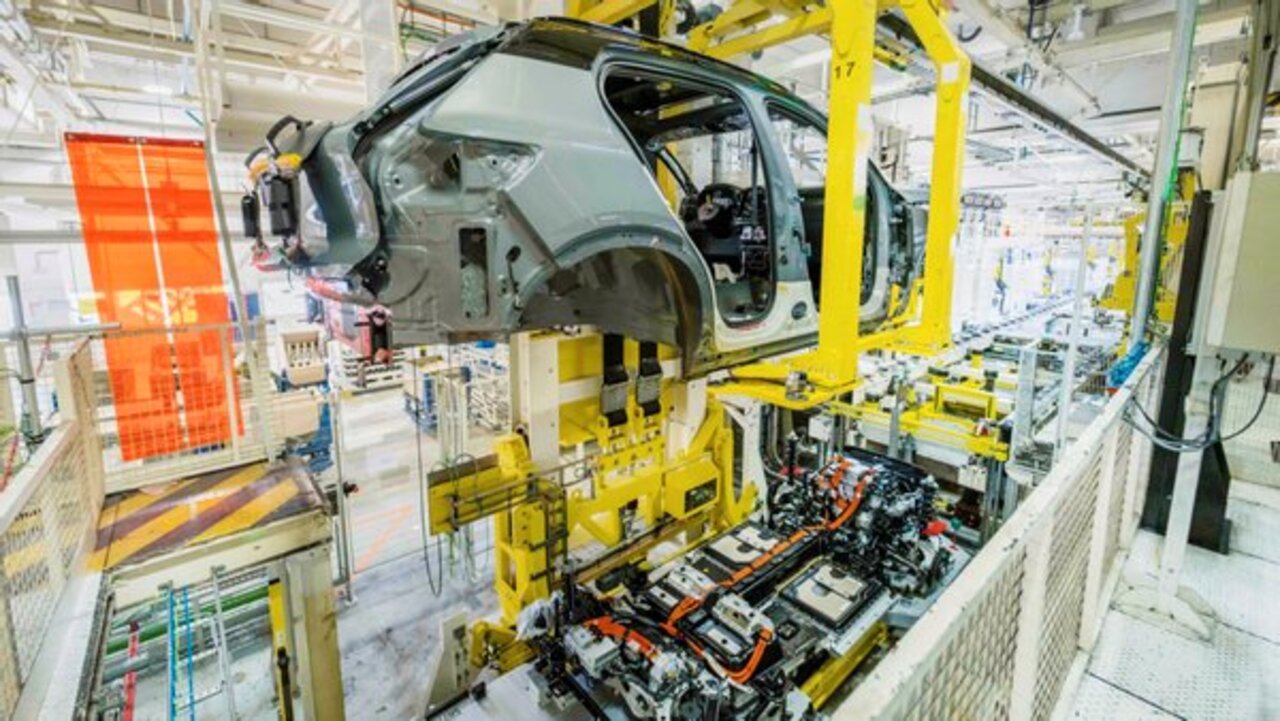

Volvo Aims to End Its Line of Gasoline Engines to Usher in the Future with Electric Cars by 2030
The company, Volvo Cars, has already set a date to abandon the production of vehicles with gasoline engines. According to Volvo, gasoline engines will no longer be produced starting in 2030, including hybrid models. Last year, the company launched its first fully electric model, the XC40 Recharge, but also introduced the new C40 during the announcement.
Read Also
Volvo’s Strategic Plan
Volvo is following the plan announced in 2019, in which half of the brand’s engines would no longer be gasoline-powered, but electric, by 2025. The other half will be plug-in hybrids (Vehicles where the battery used for electric motors can be charged directly from an outlet).
Volvo also announced its goal to become the leader in the premium electric vehicle market, considering that the segment is experiencing rapid growth.
-
1983 Chevrolet Runs Over 100,000 km Without Gasoline, Powered by Wood Chips, Reaches 125 km/h in Airport Test

-
Workshop Converts Giant Tractor Tire Tricycle into a Three-Wheel Drive Hybrid with 36,000-Watt Electric Motor Capable of Climbing Hills

-
Sales of Brazil’s Cheapest Electric Car Halted Before First Deliveries: E-Motors Suspends Emova Easy Due to Import Tax Increase and Rising Freight Costs

-
Nissan Discontinues Qashqai SUV Amid Cost-Cutting, Chinese Competition, and Product Line Review



The company’s chief technology officer, Henrik Green, states that there is no longer a long-term future for models with gasoline engines.
Sales Process for Cars That Do Not Use Gasoline
It was also presented that the sale of Volvo cars will occur only digitally during the event.
The decision is aimed at making the buying process transparent and trustworthy through the website, where customers can choose from pre-configured models for immediate delivery or customize the car according to their preferences.
All prices will be defined and all processes transparent, eliminating “tiring negotiations.” The company has not yet announced when the online sales process will begin or how much the investment in the entire operation will be.
However, such investments will focus on the brand’s sales channels and reducing complexities in the offering of its vehicles. Lex Kerssemakers, head of global commercial operations at the company, announced that the customer experience should be the best possible, with online and offline experiences fully integrated.