





 Portuguese
  English
  Spanish
  4 min of reading
  0 comments


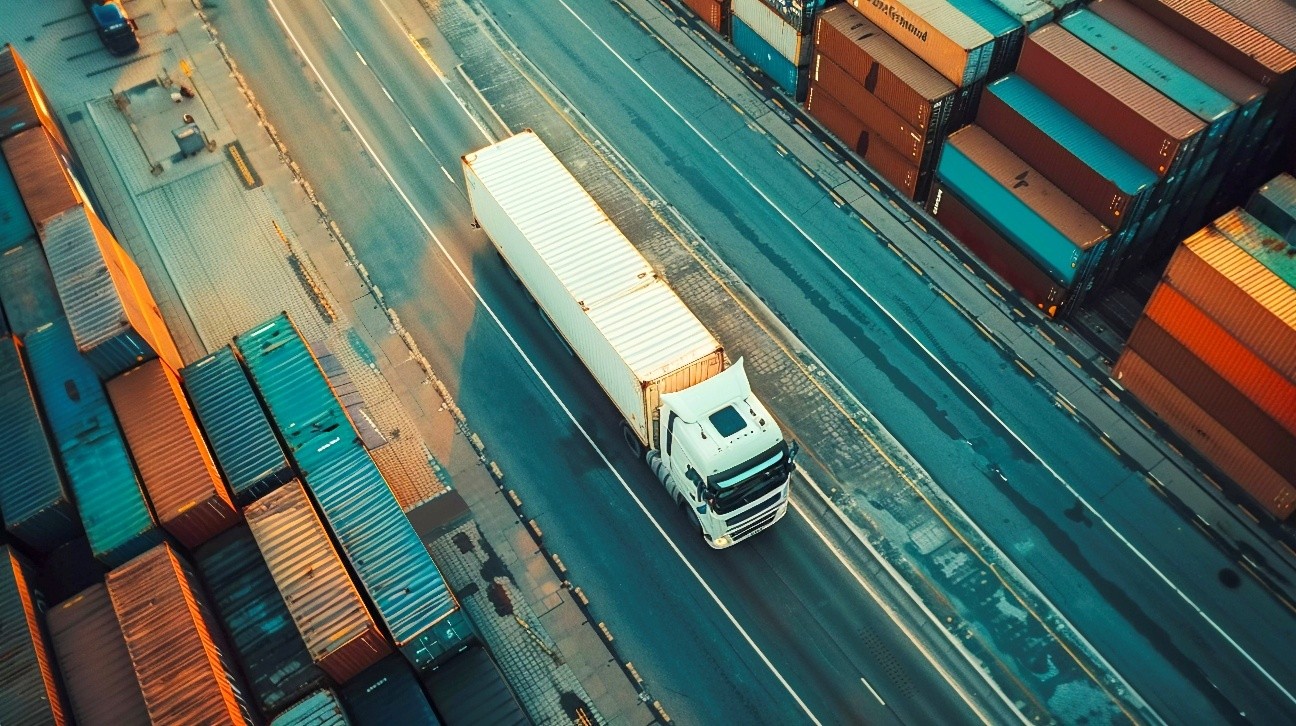
The Integration Between Highways and Coastal Navigation Transforms National Logistics and Drives a New Model of Sustainable and Competitive Transport in the Country
The road cabotage has been gaining traction in Brazil by combining the flexibility of road transport with the scale of cabotage navigation. According to the National Transport Confederation (CNT, 2025), 65% of cargo in the country still circulates on highways, but industrial advancement and population concentration along the coast demand new solutions. Hence, the model emerges as an efficient, sustainable, and predictable alternative, capable of reducing costs and enhancing logistics competitiveness.
The operation occurs when trucks collect and deliver cargo to the ports, while ships carry out the long-distance segment along the coast. Moreover, the system allows for fragmented cargo in LTL or LCL format, consolidating small volumes under unified management. Thus, smaller companies gain access to a logistics alternative previously restricted to large shippers.
In this way, road cabotage distributes functions according to the efficiency of each mode, preserving road transport for regional and urban segments and transferring large-scale transport to ships. This division prevents cost overlap and increases economies of scale, keeping the truck as the central piece of the national logistics matrix.
-
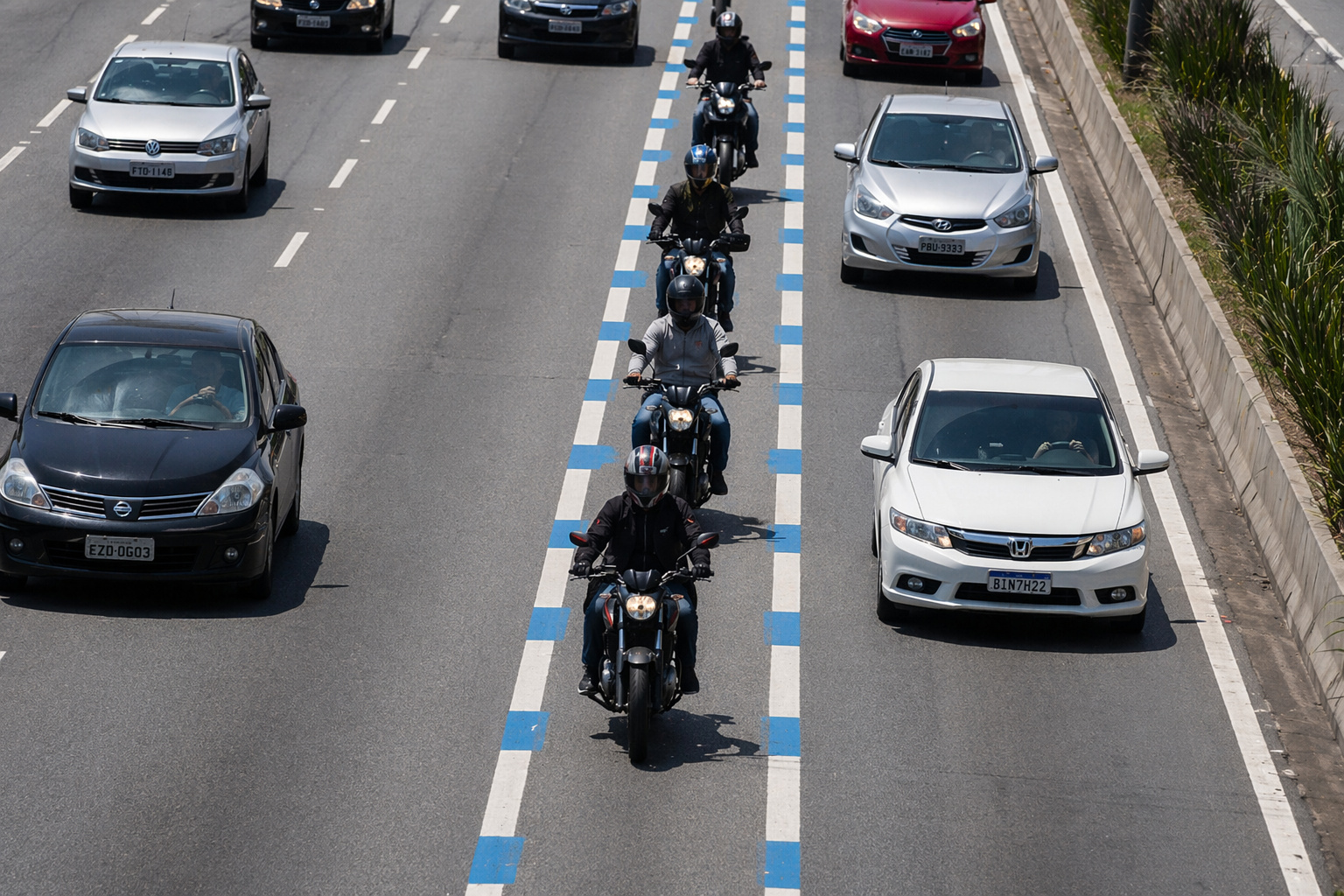
Blue stripe for motorcycles blocked: project may be suspended after the end of authorization and studies raise doubts about the real impact on traffic safety in São Paulo.
-
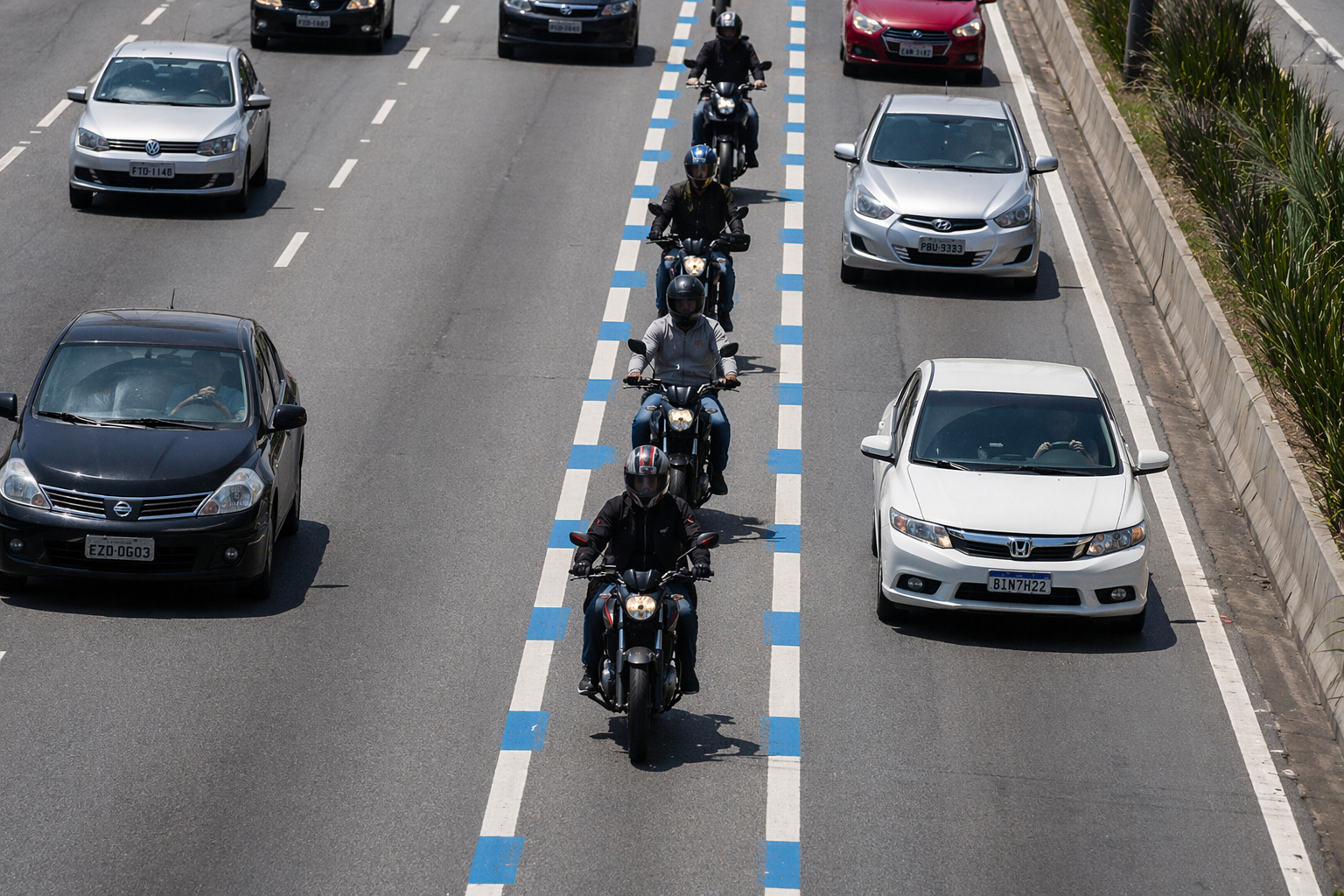
Blue strip for motorcycles blocked: project may be suspended after the end of the authorization and studies raise doubts about the real impact on traffic safety in São Paulo.
-
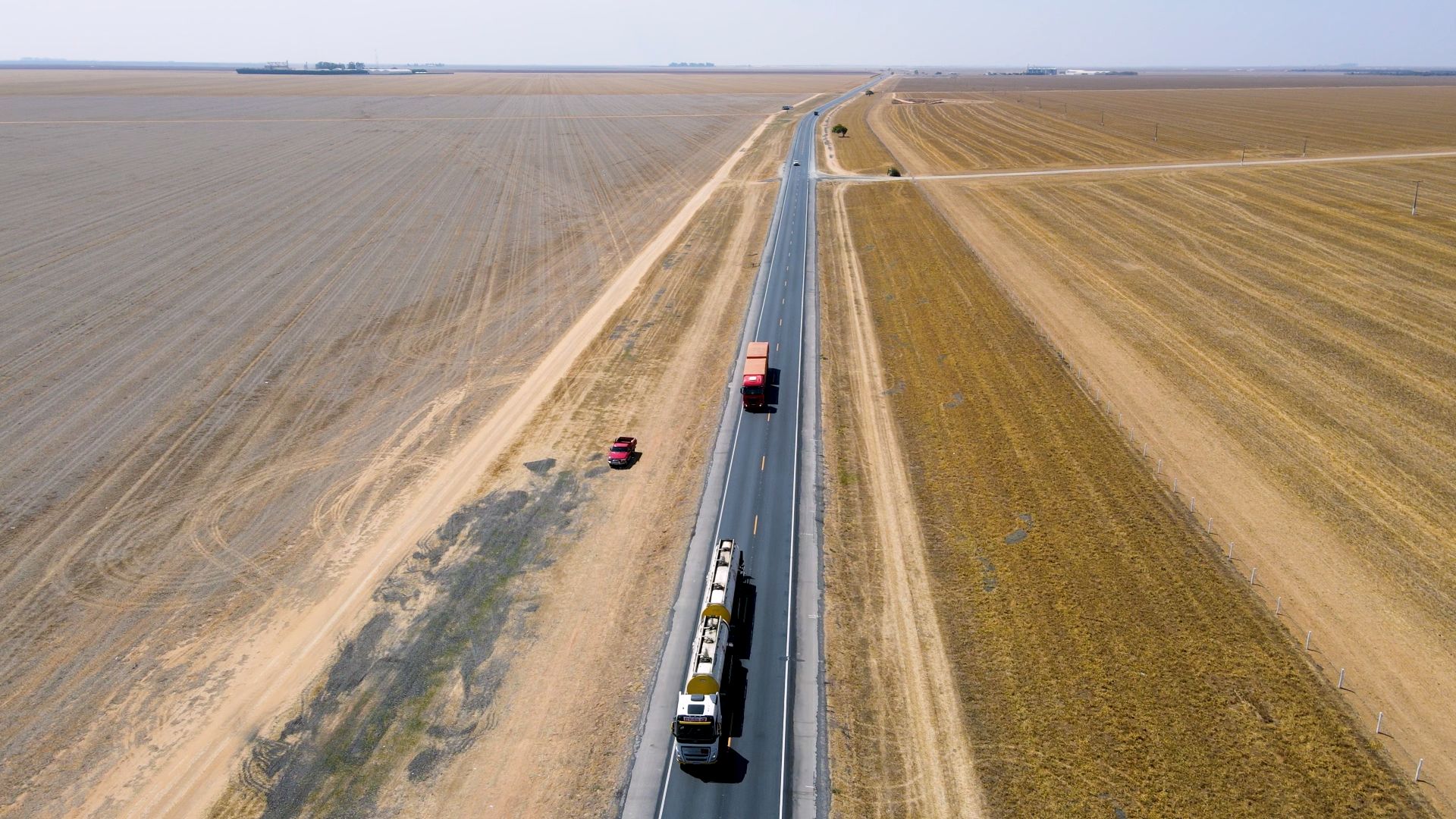
The government puts R$ 8.6 billion on the table to change the highway (BR) with 50 overpasses, 28 bridges, 4 tunnels, and 40 km of bike lanes in 180 km of historic duplication.

-
BRL 20.1 Million Bridge Project Kicks Off: 200-Meter Construction to Improve Access in Three Cities in Minas Gerais

Recent Laws Strengthen the Advancement of Cabotage in the Country
The growth of road cabotage was boosted by the Law 14.301/2022, which created the BR do Mar program, and by Decree 12.555/2025, which regulated its implementation. According to the Ministry of Ports and Airports, the new framework allows for a reduction of up to 15% in freight costs, estimating an annual savings of R$ 19 billion.
The changes also relaxed chartering of vessels, expanded the available fleet, and eliminated bureaucratic barriers. This, in turn, increased predictability for investors and operators, strengthening the National Agency for Waterway Transport (ANTAQ). Additionally, the decree included sustainability criteria for new vessels, encouraging low environmental impact practices in the maritime sector.
According to official data released in July 2025, the government estimates that a 60% increase in containerized cabotage could prevent the emission of over 530 thousand tons of CO₂ per year, reinforcing the national commitment to decarbonization and global climate agreements.
Cost Savings and Emission Reductions Transform National Logistics
The adoption of road cabotage brings direct benefits for industrial and retail shipments, which begin to operate with more predictable costs and lesser dependence on fluctuations in logistics inputs. For transport companies, the model opens opportunities to operate on regional routes, feed ports, and urban distribution, keeping trucks in a strategic position.
Brazilian ports also demand investments in back areas, land access, and digital systems to eliminate operational bottlenecks. For the state, the transition creates a more balanced and resilient transport matrix, reducing road dependency and improving national competitiveness.
The environmental aspect is one of the main differentiators. In a simulation between Blumenau (SC) and Cabo de Santo Agostinho (PE), pure road transport generates about 1.2 tCO₂e, while road cabotage emits only 0.2 tCO₂e. Emission intensity drops from 240 kg to 40 kg per ton transported, representing a reduction greater than 83%. This difference reinforces the positive impact of modal integration on the Brazilian goal of carbon neutrality by 2050.
Intermodal Structure and Challenges for National Expansion
Several logistics operators have already created multimodal networks that integrate road fleets, regional warehouses, and cabotage ships under a single management. This format ensures greater delivery predictability, reduces risks, and improves control over the entire supply chain.
However, national expansion depends on port modernization, improvements in land access, and training of specialized labor, both in the road and maritime sectors. Since intermodal operations require specific technical skills, professional training is essential for the success of the model.
Brazil has natural geographic advantages, as a large part of the population and industrial production is located near the coast. This characteristic makes the sea a natural long-distance logistics corridor, capable of reducing costs, increasing efficiency, and strengthening sustainability.
With continued investments in infrastructure and technology, and with cooperation between the state, carriers, and shippers, road cabotage should become one of the pillars of national logistics, contributing to increasing productivity, reducing emissions, and aligning Brazil with the environmental and economic demands of global trade.
By: Maurício Alvarenga – Executive Director of Tecmar Transporte & Logística, a company part of the Log-In Integrated Logistics









Seja o primeiro a reagir!