Portuguese
 Spanish


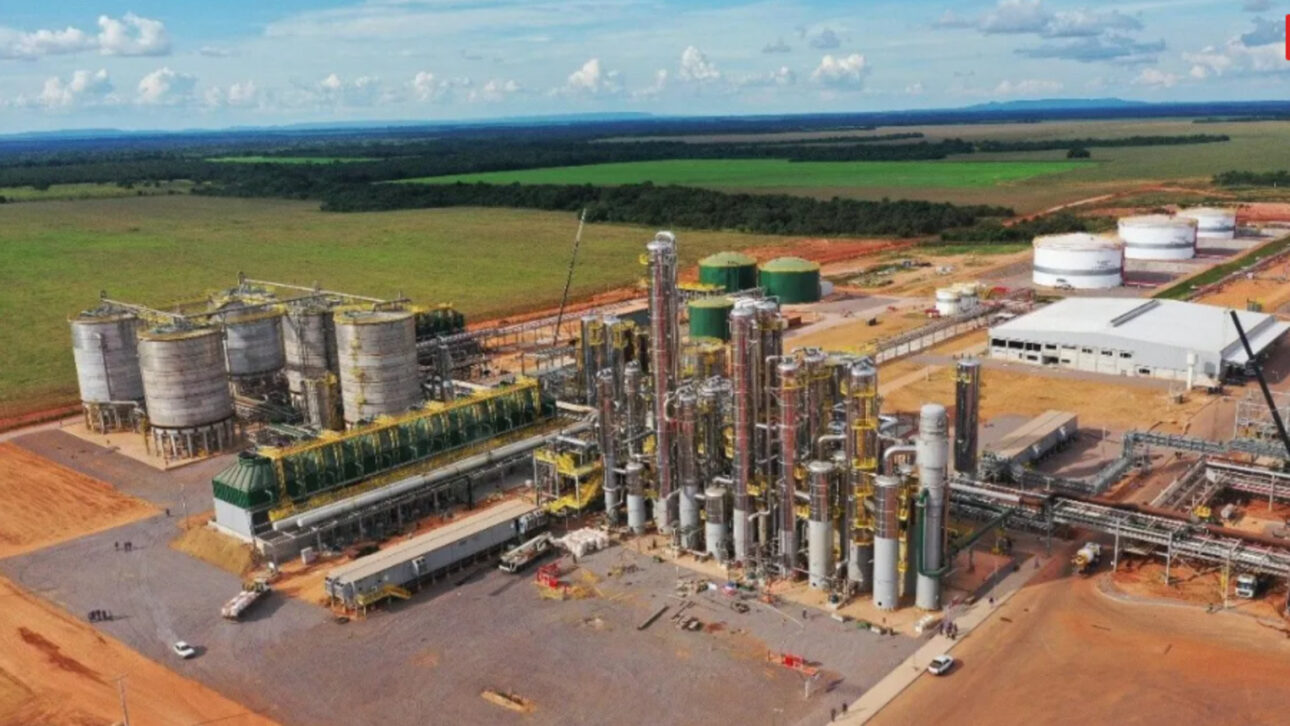

A multibillion-real investment could open a new front for ethanol production in Roraima, putting the state on the radar as biofuels expand and major industrial projects arrive in northern Brazil
Brazil is seeing a sharp rise in the biofuels sector, with one state emerging as a standout. Roraima, a state in northern Brazil, is set to receive R$2 billion for the construction of a large ethanol plant, a project that puts the region on the radar for new agribusiness ventures. The investment was announced to the press on Friday (27).
Major investment: Ethanol plant to receive R$2 billion
The project calls for a total investment of R$2 billion to build the industrial facility. It is part of a new wave of agribusiness investment, with Roraima included in plans to expand Brazil’s biofuels production.
The plant will be built by MC Group, the business group owned by entrepreneur Marcelo Ribeiro Bueno de Camargo. In Roraima, he is known for Combitrans, a logistics company that also serves agribusiness and the Manaus Free Trade Zone.
-

-

-
-

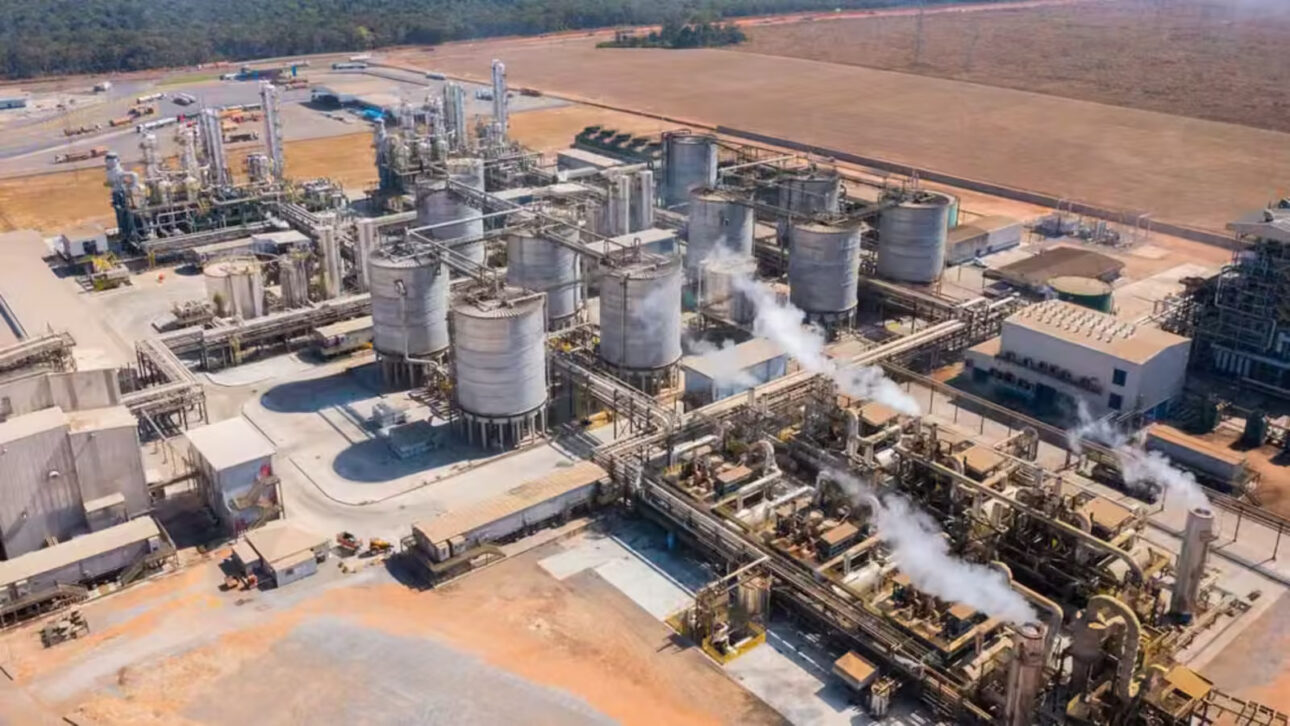

The plant will use four-feedstock technology, enabling it to produce ethanol from corn, sugarcane, rice, and sorghum.
Production is expected to start at 500 million liters a year, with a gradual expansion target of 2 billion liters annually.
Project expands ethanol production in northern Brazil
The plant will add a new ethanol production hub in Roraima. The project also puts the state in the spotlight as the sector expands geographically, beyond the regions where Brazilian production has traditionally been concentrated.
The investment is part of a broader influx of capital into agribusiness in northern Brazil, a region now attracting new projects tied to industrial activity and biofuels production.