





 Portuguese
  English
  Spanish
  3 min of reading
  0 comments



The Distribution of Mining Royalties Reinforces MME Initiatives Focused on Cooperation Between Global South Countries and the Advance of Policies Related to Strategic Minerals
The advance distribution of mining royalties has been an important vector for aligning national policies and multilateral initiatives in the field of strategic minerals, according to a report published.
Today (11/14), the National Mining Agency (ANM) allocated R$ 45,026,393.80 to municipalities impacted by railways, ports, and pipelines, in a move that reinforces discussions led by the Ministry of Mines and Energy (MME) on cooperation with Global South countries.
This amount corresponds to part of the 15% collected in October 2025 by the Financial Compensation for Mineral Exploration (CFEM).
-
Rare earths are in everything, from cell phones to bullet trains, and what almost no one realizes is why they have become the target of such a delicate global war.

-
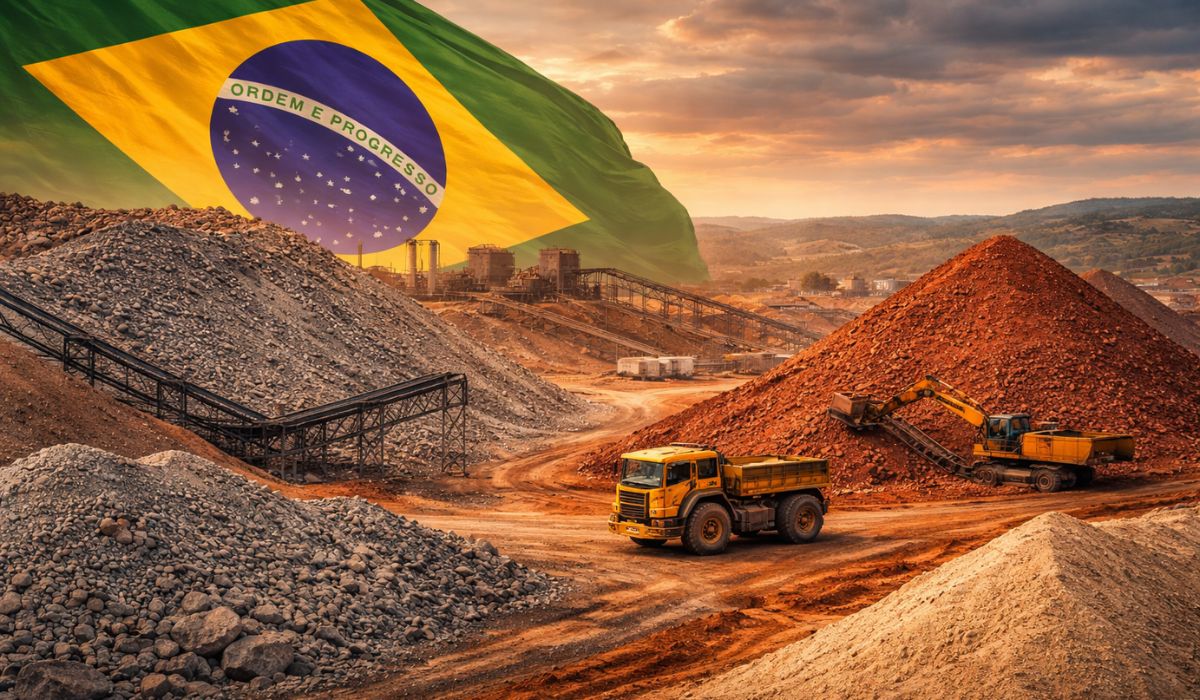
Brazil extracts 26.3 million tons of ore from what was previously treated as waste, transforming residues into wealth, producing over 3 million tons of sand, and demonstrating how national mining is relearning to generate value.
-
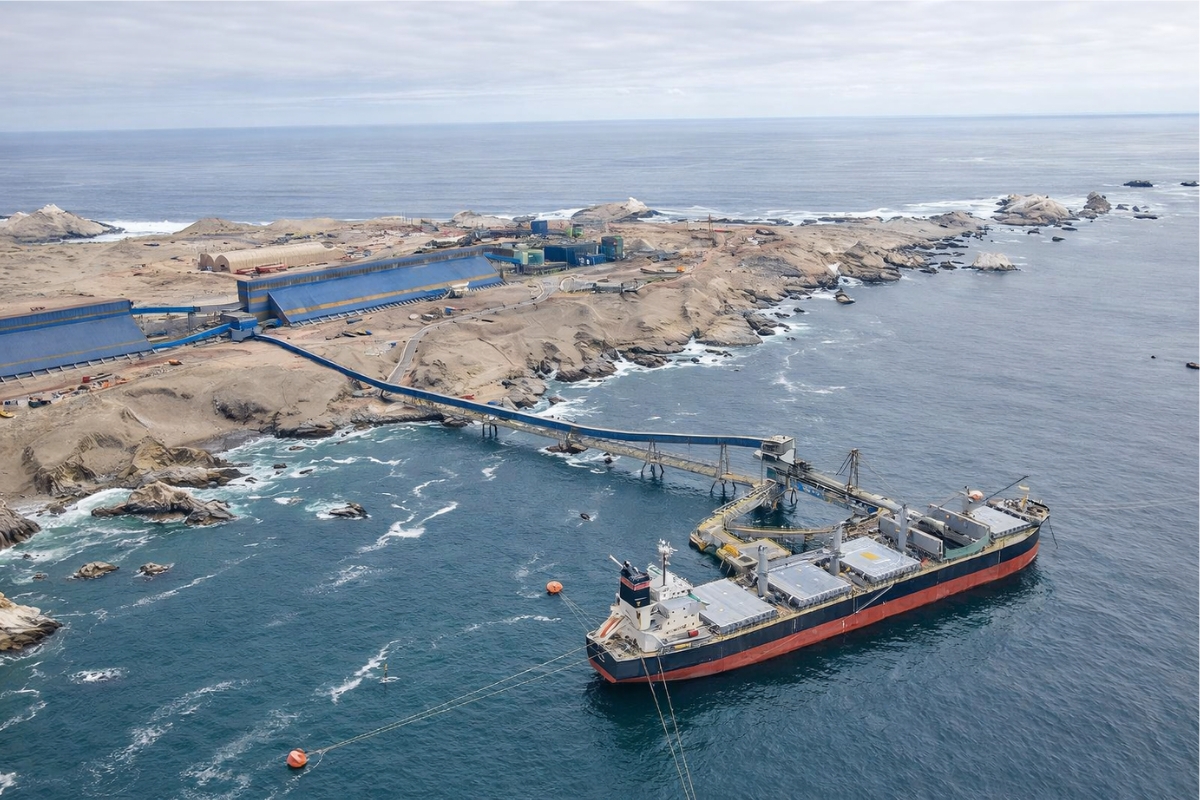
A $3.5 billion megaproject in Latin America pumps desalinated seawater at 1,050 liters per second over 194 km to keep a copper supermine in the Andes operational for another 20 years.
-
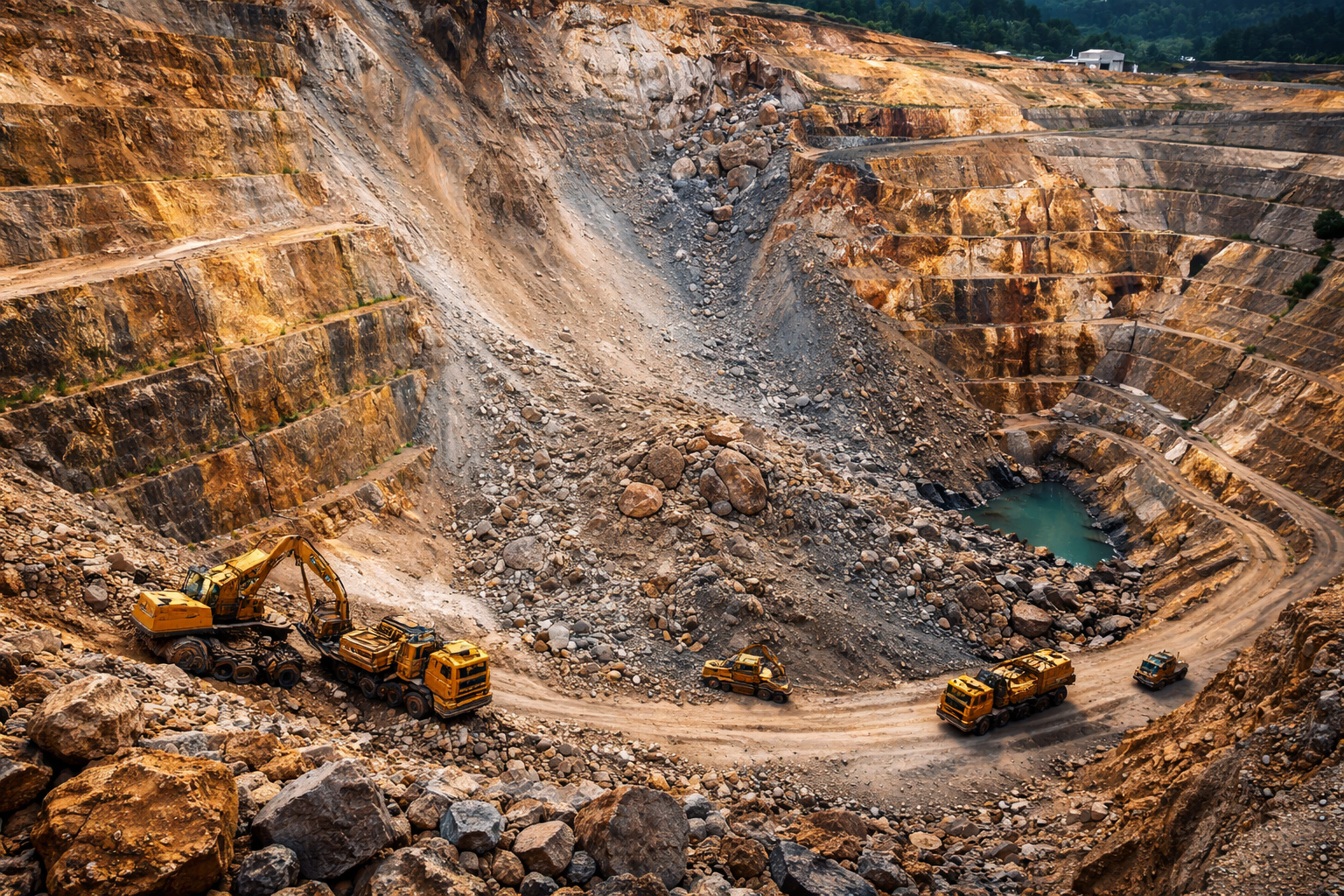
A hidden mine in the Andes valued at nearly R$ 1 trillion is starting to attract global attention, containing copper, gold, and silver, and raises an intriguing question: why do Argentina and Chile need to act together to exploit this gigantic wealth?

According to official data, railways account for 87% of this figure, amounting to nearly R$ 39 million, while ports receive 12.9%, approximately R$ 5.8 million, and pipelines just over R$ 182,000, about 0.4%.
Iron remains the mineral substance that directs the most resources: about 88% of the distribution, exceeding R$ 39 million.
International Energy Cooperation in the Mineral Agenda
The debate on international energy cooperation gains strength as strategic mineral policies connect to expanded logistical chains.
Among the benefiting municipalities, São Luís (MA) stands out as the largest recipient, with R$ 2.73 million.
Following are Açailândia (MA), with R$ 2.4 million, and Marabá (PA), with just over R$ 2.08 million.
These allocations reflect technical evaluations completed after the publication of the list from the 2025/2026 cycle of ports, railways, and mineral pipelines.
The advance payment process only occurred after the approval of the Board of Directors of the ANM, a step that also reinforces the quest for transparent governance, a priority discussed in agendas among Global South countries.
Strategic Minerals Policies and Mining Royalties
The strategic minerals policies include specific analyses before the final distribution of CFEM is concluded.
The announced advance refers exclusively to non-producing municipalities and may be supplemented after simulating amounts allocated to producing locations that qualify as affected.
This second stage involves recalculating the indices provided in Annex I of ANM Resolution No. 143/2023.
Only after this process will it be possible to proceed to the definition of the amounts directed to municipalities bordering mineral producers, reinforcing how mining royalties shape institutional decisions.
Sustainable Governance in the Global South and Mining Logistical Chains
The discussion on sustainable governance in the Global South is also linked to the logistical chains receiving resources from CFEM.
The ANM emphasized that the total distribution will only occur after the judgment of second-instance appeals, ensuring technical compliance before full release.
To enhance transparency, the list of amounts received by municipalities is available, a tool that facilitates public monitoring and aligns with initiatives from partner countries interested in advanced models of administration of mineral resources.
From an economic perspective, the relationship between international chains and mining royalties becomes a central element in multilateral negotiations.
By reinforcing the debate on multilateral economic integration, the MME also highlights how mining royalties remain essential for guiding public policies and strengthening cooperation among Global South nations.





Seja o primeiro a reagir!