





 Portuguese
  English
  Spanish
  4 min of reading
  0 comments


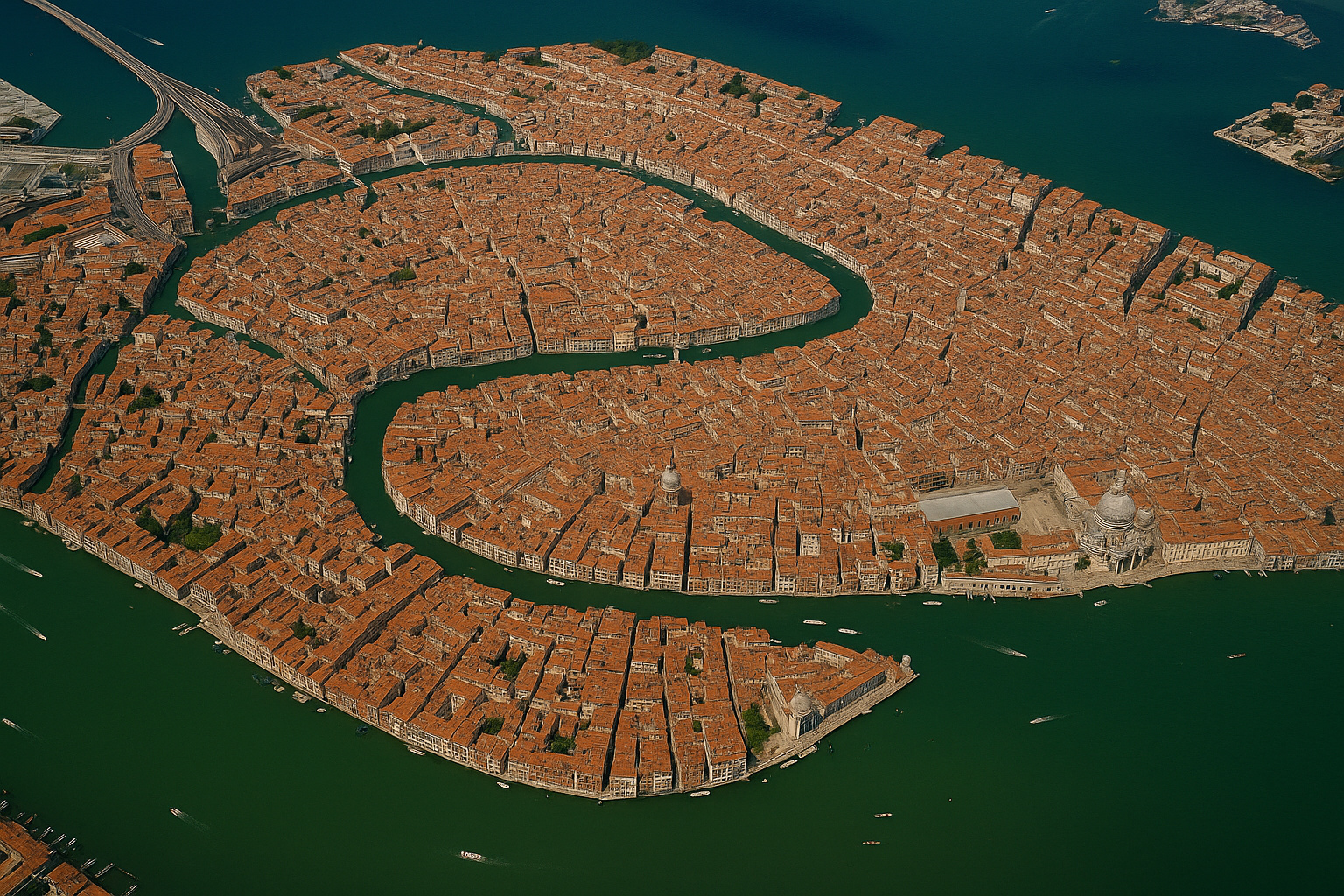
Know The Engineering Secrets That Keep The Queen Of The Adriatic Standing, A City Built On Mud And Wood, And Discover How Its Inhabitants Coexist With Tourism, Environmental Challenges, And The Weight Of Their Own History
Few places in the world carry such a unique aura as Venice. Its origins date back to the 5th century, when people fled barbarian invasions following the collapse of the Roman Empire. As the cities of northern Italy were destroyed, many families sought refuge in small marshy islands of the lagoon.
The solution to transform swamp into city was surprising: thousands of wooden piles brought from Croatia were driven up to 5 meters into the soft ground. On top of them, planks and the resilient Istria stone, waterproof to water, were laid. The secret to durability? The wood never came into contact with air, remaining submerged for centuries, hardened like stone.
Thus, a metropolis was born, supported by an “invisible forest” submerged, a feat of medieval engineering that has lasted for 1,500 years.
-
Tourists on Everest were poisoned by guides who mixed substances in food to provoke false symptoms of altitude sickness while helicopter operators and hospitals charged inflated rescue fees to insurance companies.

-
Few people know this, but Neil Armstrong, one of the most famous NASA astronauts in history, survived the Korean War after jumping from the plane during his seventh combat mission aboard the USS Essex aircraft carrier of the United States.

-
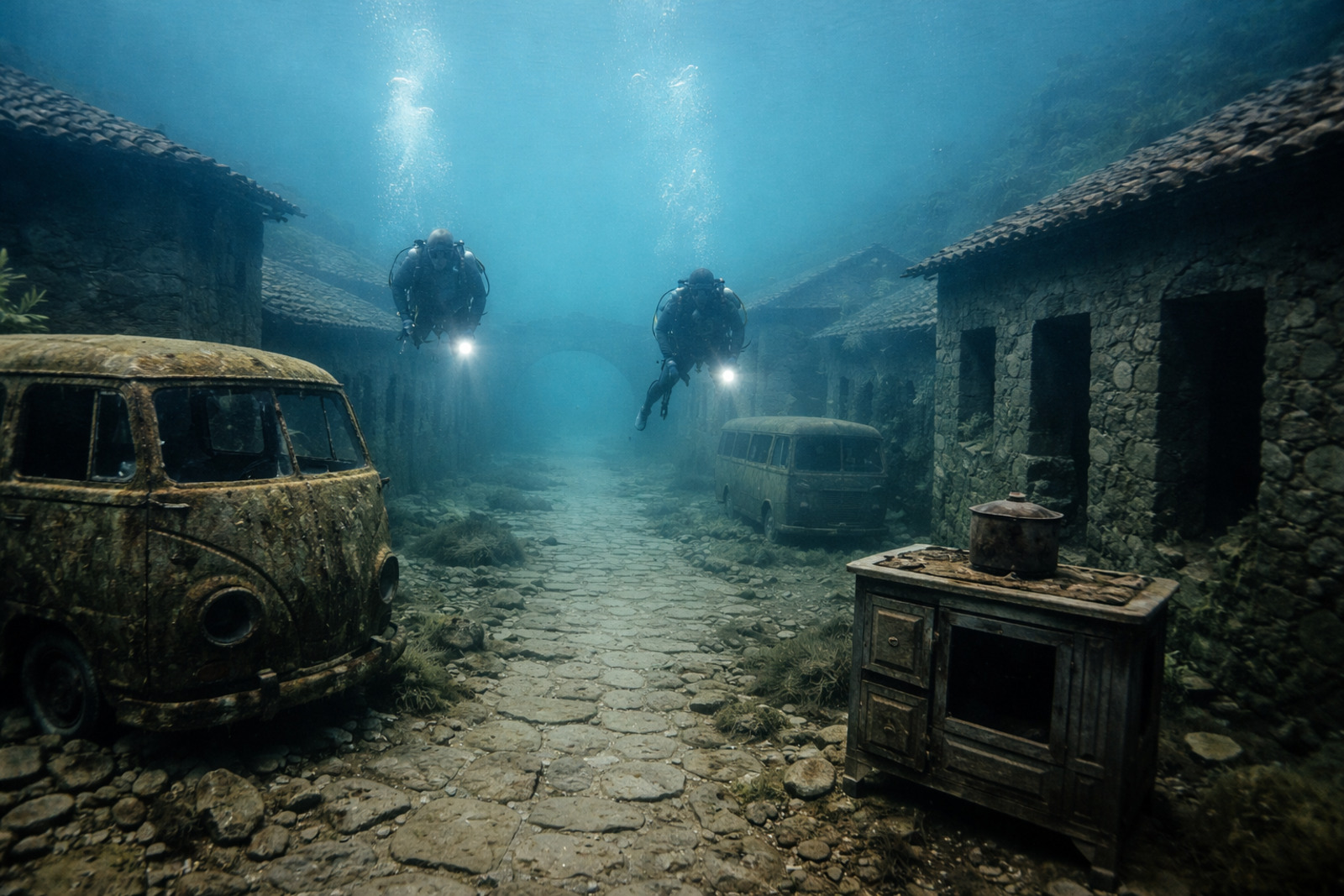
Diving with a camera in Lake Furnas reveals a submerged city with an entire street, almost intact houses, a preserved bridge, a wood stove, a Kombi, and even a bus at the bottom of the largest lake in the Southeast.
-
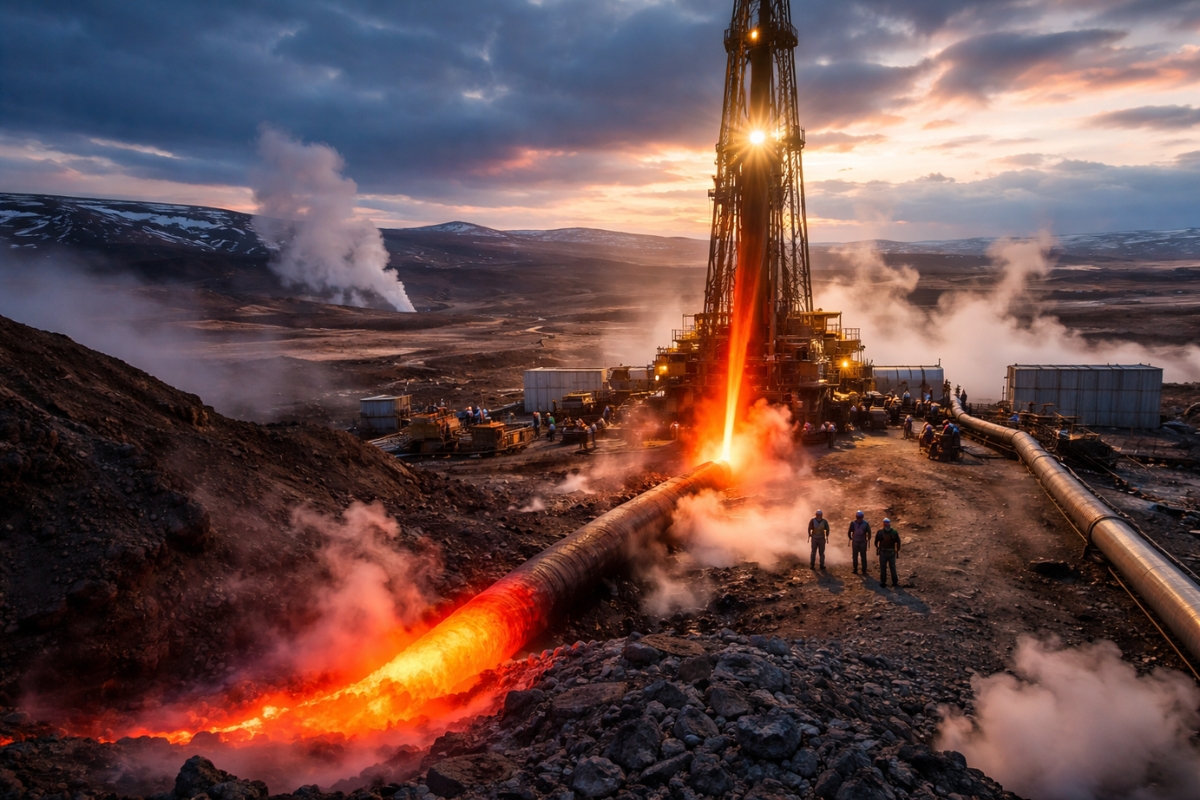
Iceland accidentally drilled into a magma pocket at 2,100 meters and revealed that the extreme heat beneath the crust could pave the way for a new source of continuous energy.
Everyday Life: Between Coffees, Boats, And Bridges
Living in Venice is like being in a movie, but the everyday life is very real. There are no streets for cars: boats do everything. The local “bus” is the vaporetto, which travels the canals transporting residents and tourists. Even the garbage is collected by specific vessels and taken to the mainland.
The islands of the city are connected by 176 canals and over 400 bridges. Among them, the most famous is the Rialto Bridge, built in the 16th century. The Liberty Bridge, at 3.85 km, connects the historic city to the mainland.
But life also pulses in the details. Venice is home to the oldest café in the world, over 300 years old, where residents drink espresso standing — a local tradition. There are also restaurants by the canals and the iconic La Fenice Theater, one of the most renowned in Europe, literally built over water.
Curiosities abound: even the fire department and civil defense use boats, and the university operates in buildings accessible only by gondola or on foot.
The Water That Sustains And Threatens
Surrounded by the sea, Venetians needed fresh water. The solution was to transform squares into large rain collectors: the ground was built to direct the water to openings that filtered the liquid through layers of sand and clay until it reached underground cisterns. Thus, there were about 600 wells scattered throughout the city.
Today, water distribution is done through modern pipelines, but the old wells still decorate the squares, reminding of the ingenuity of the past.
Sewage is another critical point. Since the 16th century, the city has used underground tunnels called gatoli, which dump dirty water directly into the canals. Although in the 1990s, some buildings received tanks, a significant portion of sewage still goes directly to the canals, a problem that generates foul odors on hot days or during low tide.
Tourism: Economic Engine And Social Challenge
Venice faces a dilemma: it relies on tourism, but suffers from it. The gondola ride, a symbol of the city, costs an average of 90 euros for 30 minutes, an amount that helps sustain the local economy. Houses with a view over canals can be rented for up to 450 euros per night on platforms like Airbnb.
This trend has pushed residents away: many prefer to rent their properties to tourists instead of living in the city. Young people, in particular, seek better opportunities elsewhere in Italy. The result: the local population shrinks while the flow of visitors increases.
Venice Between Past And Future
As you walk through its narrow alleys and cross its historic bridges, visitors realize: Venice is both a living relic and a city that struggles against time. The rising sea level, climate change, and tourist pressure threaten a heritage of immeasurable value.
And beneath its palaces and churches lies that submerged forest of millions of trunks that has, for over a thousand years, supported the most improbable city in history.
And you, what would you do? If you had the chance, would you live in Venice, coping with the high cost of living, the absence of streets, and environmental issues?
Leave your opinion in the comments.






-

Uma pessoa reagiu a isso.