





 English
  Francês
  Alemão
  Italiano
  Japonês
  Norueguês
  Portuguese
  Spanish
  3 min of reading


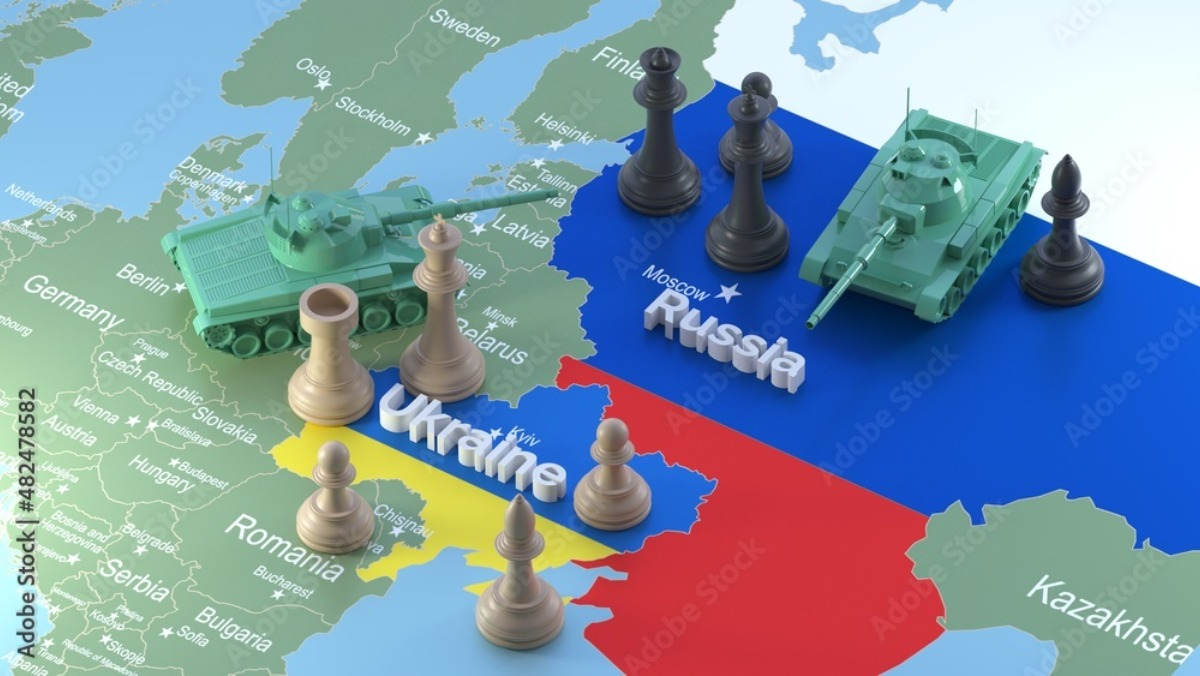
War Between Russia And Ukraine Affects Economies Around The World And World Bank Forecasts Even More Intense Price Increases
The consequences of the conflict in Eastern Europe, between Russia and Ukraine, continue to emerge and are expected to persist until 2024. According to the World Bank in its Commodity Market Outlook report, the instabilities and shocks seen in food and fuel prices around the world could pose a risk of stagflation.
According to an article by Maytaal Angel published on CNN Brasil on April 26, Tuesday, the World Bank stated, during its first comprehensive study on the effects of the war between Ukraine and Russia – which was a topic of conversation between Brazil and the United States – about the commodity markets, that the planet is experiencing the largest price shock in the sector since the 1970s.
According to the World Bank’s statements, the impact resulting from the war between Russia and Ukraine is intensifying due to restrictions in the fuel, food, and fertilizer markets, further increasing inflationary pressures worldwide.
-
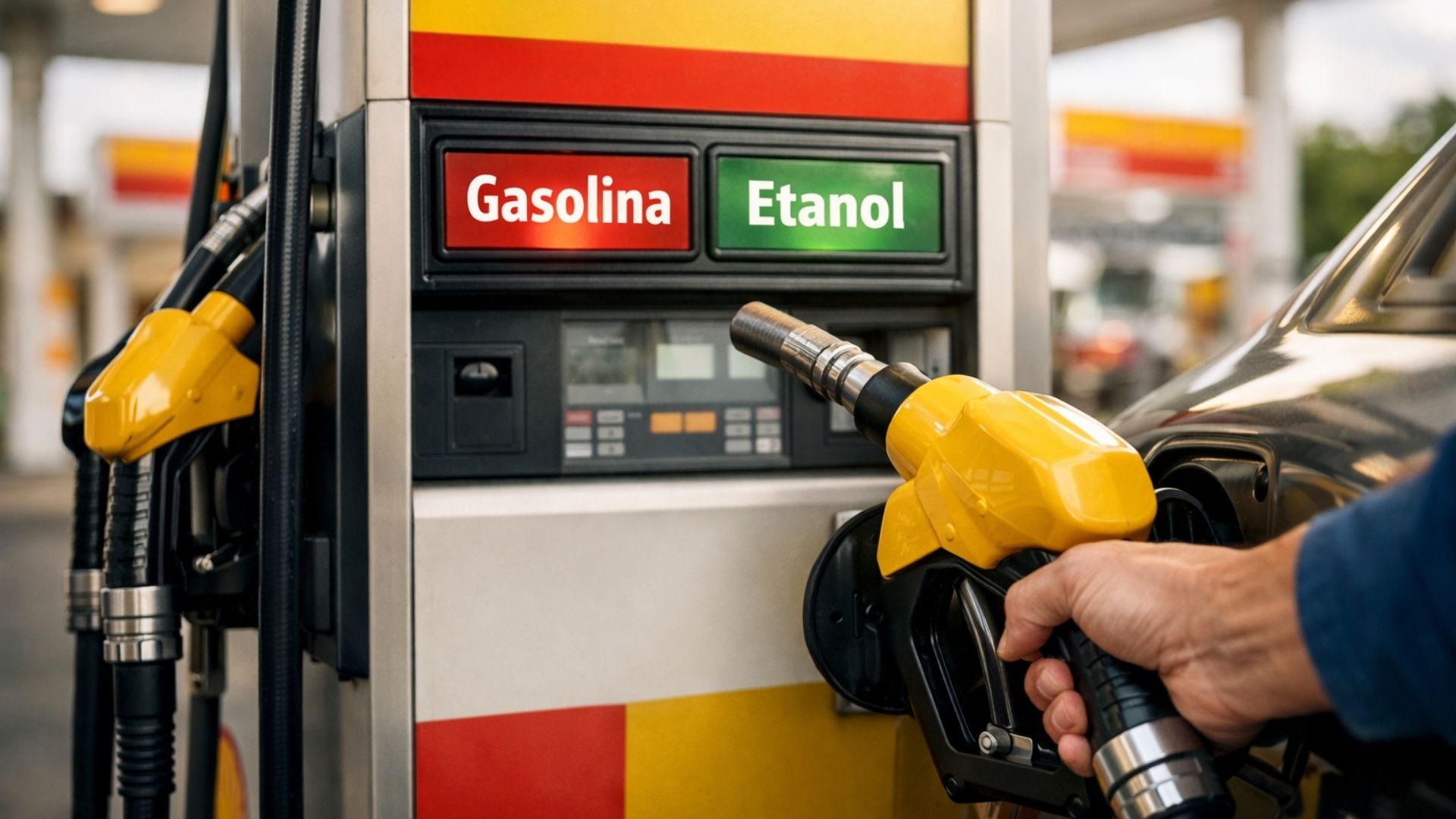
The government has made a decision and is starting a test with more ethanol in gasoline, anticipating a mixture of up to 35%, diesel with 25% biodiesel, and a study to assess the impacts on engines.
-
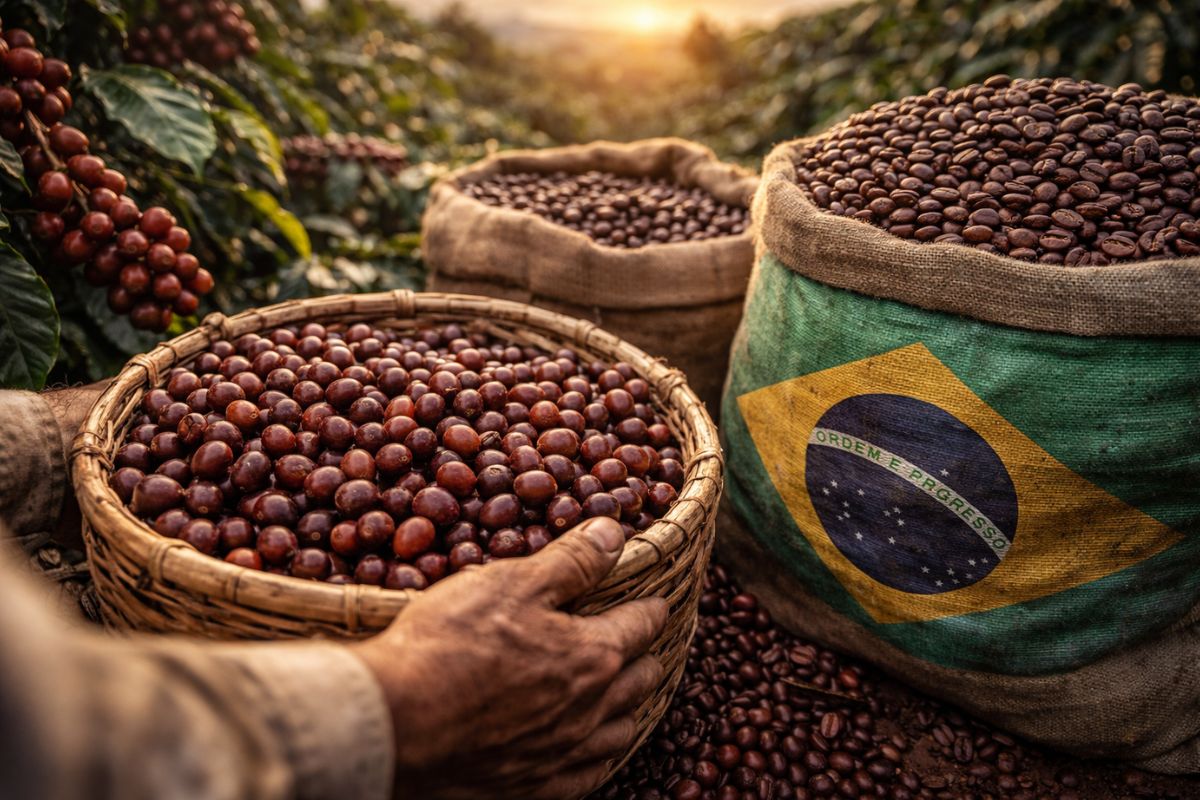
Brazil is the largest coffee producer in the world, but four foreign companies control more than half of the domestic market, including brands that you probably have in your kitchen like Pilão, 3 Corações, Melitta, and Nescafé.
-
Expansion of Federal Institutes: 38 new campuses and R$ 200 million for public education; see the cities included.

-
Lula’s government changes rule in important benefit and thousands of Brazilians will no longer receive it; see what has changed.

For The World Bank, Global Price Increases Could Be Severe
Regarding measures to be taken in light of the context created by Russia and Ukraine, Indermit Gill, the World Bank’s Vice President for Equitable Growth, Finance, and Institutions, stated: “Monetary policymakers should seize every opportunity to boost economic growth and avoid actions that would harm the global economy.”
In this regard, the World Bank forecasts that as a result of the conflict between Russia and Ukraine, energy prices could increase by over 50% later this year. For the next two years, 2023 and 2024, prices are expected to slow down. In agriculture and the metals sector, prices are expected to rise by around 20% in 2022.
The Two European Countries Have A Strong Presence In The Global Market
It is worth noting that Russia is the largest exporter of natural gas and fertilizers in the world, and the second-largest exporter of oil. Together, Russia and Ukraine are responsible for nearly one-third (⅓) of global wheat exports, 80% of sunflower oil exports, and nearly 20% of corn exports.
Since February 24, the date on which the Russian attacks on Ukrainian territory began, both the production and export of these and other commodities have been compromised.
Steel Prices Rising: Affected By The Conflict Between Russia And Ukraine, Brazilian Steel Mills Increase Product Prices, Which Could Reach An Increase Of Up To 10%
Due to the conflict between Russia and Ukraine, the global market has been affected in various ways, one of which is the increase in the price of steel. Thus, Brazilian steel mills have been following international steel prices. According to industry experts, the prices of Gerdau’s rebar in Brazil have increased by 6% to 9%. Companhia Siderúrgica Nacional (CSN) will enforce price increases of between 8% to 10% by early April at the latest. So far, Usiminas has not announced any changes, but it is likely to follow the same path.
Gerdau’s increase follows a severely reduced import equation, exceeding 20%, compared to an equilibrium level of 5%. Earlier this week, a report was published by BTG Pactual where analysts Caio Greiner and Leonardo Correa stated that long steel prices were lower compared to parity for a long time, indicating that demand conditions continued to be weak. To understand everything about this topic related to the conflict in Eastern Europe, click here to read this other article from CPG in full.







Seja o primeiro a reagir!