





 Portuguese
  English
  Spanish
  6 min of reading
  1 comment




The Plan Emerges As A Promise Of Transformation In The Country’s Transportation Infrastructure, Bringing With It Numerous Economic Benefits.
Brazil, a country of continental dimensions and rich economic diversity, faces constant logistical challenges to ensure the efficiency of goods transportation throughout its territory. In this context, railways emerge as a key element to overcome such obstacles and boost national development.
A strategic national railway plan, as desired by the Ministry of Transportation, emerges as a promise of transformation in the country’s transportation infrastructure, bringing with it numerous economic, social, and environmental benefits. Continue reading to understand more.


Learn Everything About The National Railway Plan
The rail transport has always played a crucial role in the connectivity and economic development of a country. In Brazil, the National Railway Plan emerges as a strategic initiative to strengthen this mode of transportation, boosting logistical efficiency and national competitiveness. Let’s explore the key points of this plan, from its conception to current advances, both from the federal government and the private sector.
-
American Airlines starts selling trips as if they were flights, with check-in and baggage check at the airport, but on short routes, passengers board luxury buses connecting cities to major hubs in the U.S.

-
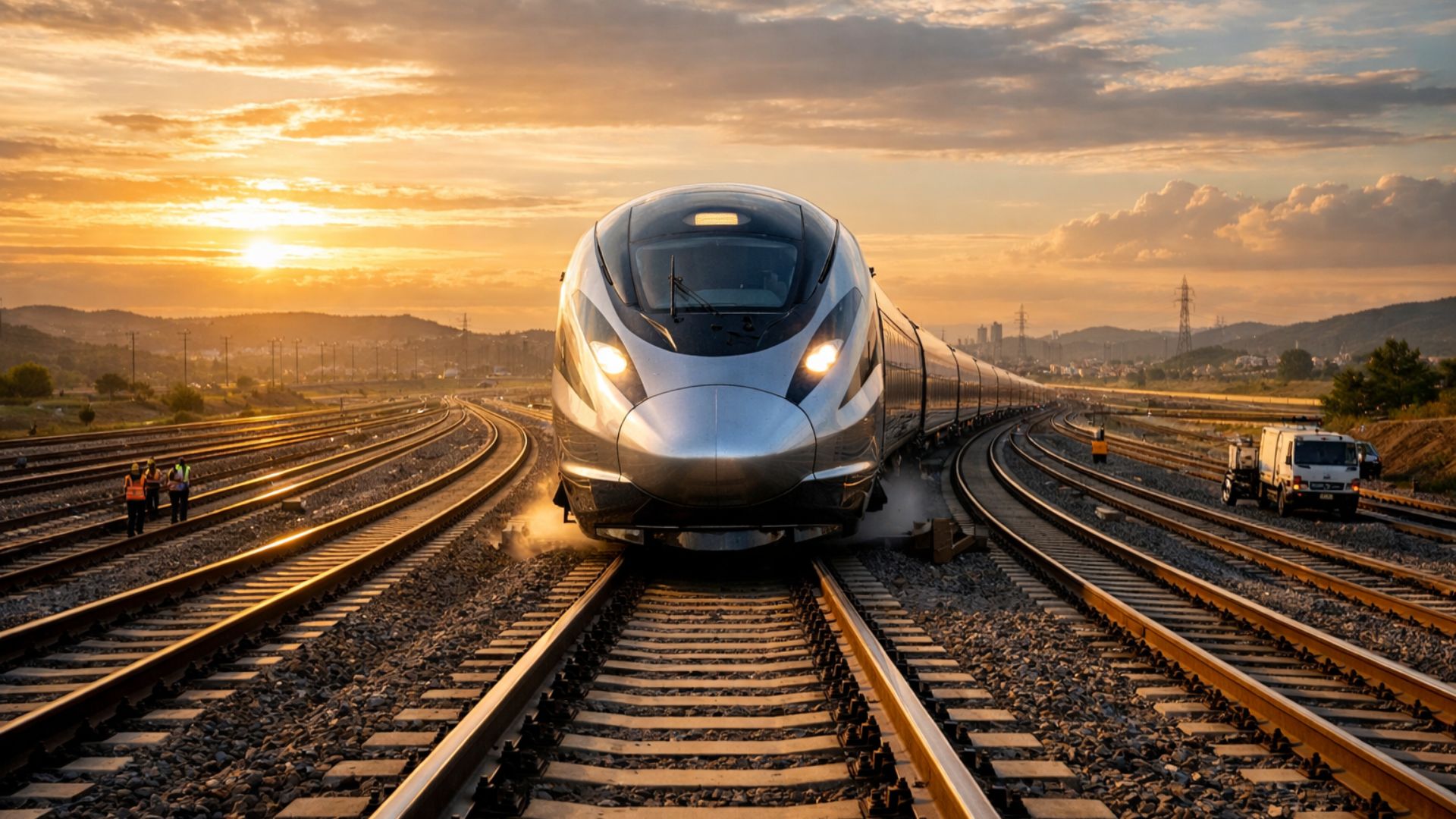
São Paulo surprises the world with a colossal railway network project that promises over 1,000 km of tracks, R$ 194 billion in investments, and 40 projects connecting the capital to the interior with fast and sustainable trains.
-
The world’s largest escalator, measuring 905 meters in China, reduces urban travel time from 1 hour to about 20 minutes and transforms mobility in mountainous regions with an engineering solution adapted to the terrain.

-
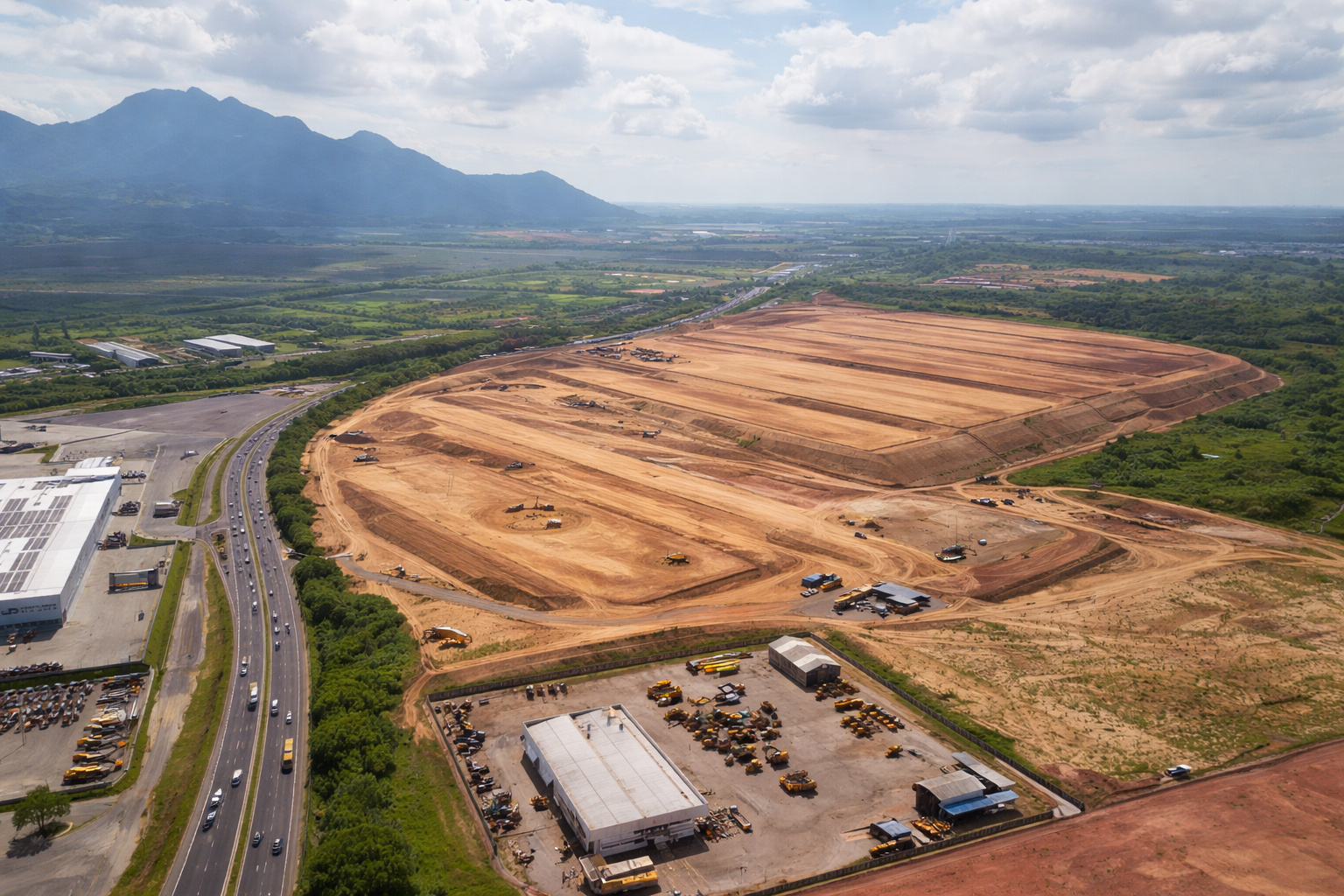
A R$ 300 million logistics giant is taking shape in Serra with over 100,000 m² and raises a question: how can this transform e-commerce and distribution in the state?

During the previous administration, several discussions and proposals were raised to revitalize the Brazilian railway system, which faced challenges like obsolete infrastructure, lack of investments, and low operational capacity. In light of this scenario, the government initiated a process of elaborating the National Railway Plan, aimed at modernizing the railway network and promoting cargo transportation more efficiently and sustainably.
Implementation Of The Plan
The National Railway Plan, commonly known as Pro-Trilhos, was launched with great expectations, aiming to integrate different regions of the country through a modern and efficient railway network. One of the main strategies was to encourage private sector participation, through concessions and public-private partnerships (PPPs), to enable substantial investments in the sector.
The government of Luiz Inácio Lula da Silva announced a robust investment in the National Railway Plan, which foresees the injection of over R$ 20 billion in resources. These funds will mainly come from contractual adjustments made through early renewals of existing concessions. This information was confirmed by the Minister of Transportation, Renan Filho, to reporters at the B3 headquarters in São Paulo on Thursday, April 11, 2024.
The largest contribution to the financing will come from a renegotiation of contracts with the mining company Vale. The ministry is negotiating the recovery of substantial amounts that were deducted in early renewals of important railway projects, such as those of Carajás and Vitória-Minas, which total R$ 21.1 billion and R$ 4.6 billion, respectively.
Investments And Challenges
Since then, significant investments have been made in railway infrastructure, including the construction and modernization of tracks, terminals, and cargo systems. However, some challenges persist, such as bureaucracy, environmental issues, and the need for coordination among the various actors involved. Despite advances, there is a demand for greater speed in the implementation of works and in the expansion of the national railway network.
Impacts On The National Economy
The benefits arising from the National Railway Plan resonate throughout the Brazilian economy. The reduction in transportation costs and the improvement of logistical efficiency contribute to an increase in the competitiveness of companies, driving economic growth and job creation in various regions of the country.
The positive projection for Gross Domestic Product (GDP) is a direct result of the expansion of business opportunities and the expansion of markets reached by rail transport. Moreover, regional growth is stimulated by greater integration among different geographical areas of Brazil, allowing the development of previously marginalized regions and reducing socioeconomic inequalities.
Logistical Efficiency And Cost Reduction
The interconnection of different regions of the country through railways plays a crucial role in reducing the costs of transporting goods. By offering an efficient and sustainable alternative to road transportation, railways allow for the swift and economical flow of production, contributing to the competitiveness of Brazilian companies in national and international markets.
Furthermore, the integration among different modes of transport enables a more efficient use of existing infrastructure, maximizing transport capacity and reducing logistical bottlenecks. This reflects significant savings in operational costs for companies, who can redirect these resources towards investments in innovation, expansion, and job creation.
Recent Advances
In recent years, the federal government has demonstrated a renewed commitment to the development of rail transport, announcing new concessions and infrastructure projects. Highlights include initiatives such as the construction of new railway lines for the flow of agricultural and mineral production, as well as the modernization of railway terminals in ports and distribution centers.
Private Sector Participation:
The participation of the private sector has been essential to boost investments in the railway sector. National and foreign companies have shown interest in participating in concessions and infrastructure projects, contributing to the expansion of the country’s logistical capacity and the competitiveness of the productive sector.
Future Perspectives
The National Railway Plan represents a long-term commitment to the modernization and sustainable development of rail transport in Brazil. To achieve this, it is essential to maintain ongoing investments, promote incentives for technological innovation, and foster greater integration among different modes of transportation, aiming for a more efficient and integrated logistics.
Strategies To Enhance The National Railway Plan
According to news reported by Agência Infra, as in other nations, the National Railway Plan of Brazil will reach its full potential through the implementation of effective strategies, including:
a) Adequate Investment: It is crucial to direct substantial financial resources to all phases of the railway project, from construction and modernization to operation and maintenance of the lines. This requires both public investment in projects and works and the engagement of the private sector through railway concessions.
b) Public-Private Partnerships (PPPs): Collaboration between the government and the private sector can accelerate investments and facilitate projects through instruments like the Viability Gap Funding (VGF), making them economically sustainable and easing their implementation.
c) Technology And Innovation: The integration of modern technologies is essential to optimize railway management, improve safety, and increase operational efficiency. Concessionaires play a fundamental role in this aspect, implementing innovative solutions that enhance the operation and maintenance of the lines.
d) Strategic Planning: Detailed planning is necessary to identify priority routes and corridors for railway development. This includes identifying key areas for new lines, modernization, or expansion of existing infrastructure, taking into account various factors such as geographical, socioeconomic, and environmental considerations. Both the public sector, through policies like the National Logistics Plan, and the private sector, through railway authorizations, play a fundamental role in this process.
e) Inclusion Of Railway Authorizations: The National Railway Plan should incorporate railway authorizations as an integral part of its strategy. Instruments such as the New PAC and the VGF have the potential to effectively structure this modality, leveraging opportunities brought by the New Railway Framework. The inclusion of railway authorizations in the plan can catalyze the development of the sector and expand investment and operation options.
Therefore, the National Railway Plan is a fundamental piece in building a modern and competitive transportation infrastructure capable of driving Brazil’s economic and social development. With the support of the federal government and the engagement of the private sector, it is expected that the country will reach new levels of efficiency and sustainability in rail cargo transportation.









Ótimo