






 Portuguese
  Spanish
  3 min of reading


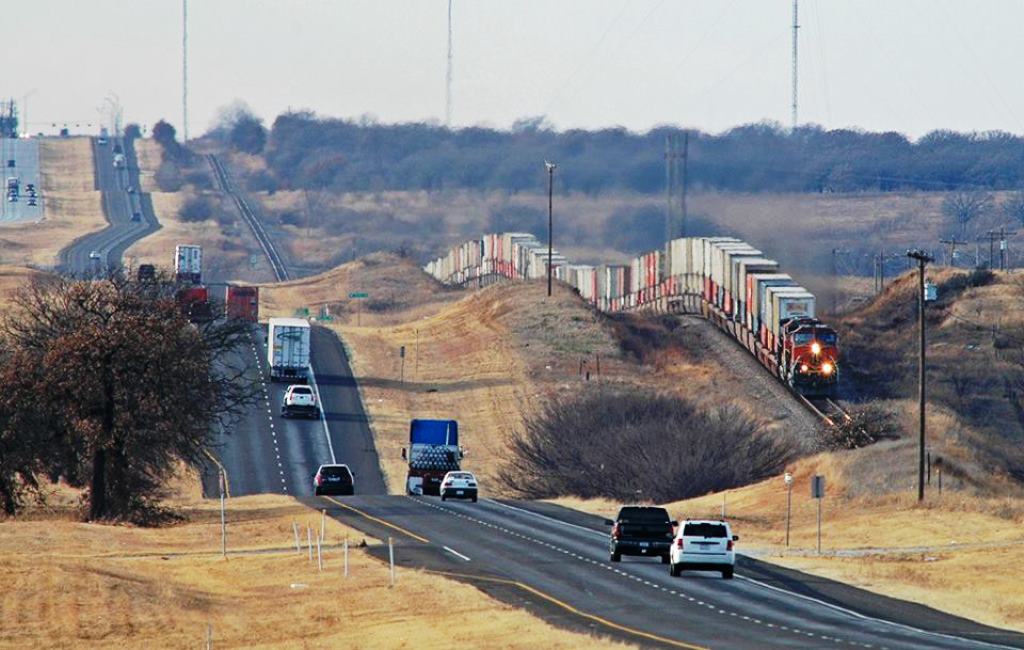
The 100-Day Plan Aims to Improve the Quality of Highways and Railways in Brazil, and the Government, Through the Ministry of Transport, Prioritized Actions to Allocate About R$ 1.7 Billion to the Highway and Railway Sector to Restore and Strengthen Works, Prepare Roads for the Rainy Season, Ensure the Circulation of Crops, and Reduce Serious Accidents.
This amount will allow the implementation, restructuring, and signaling of 861 kilometers by April 2023 for highways and railways in Brazil. In the same period, 72 bridges and overpasses will still be built and modernized. The main deliveries include 12 highways across the country. They are: BR-432/RR, BR-364/AC, BR-116/CE, BR-101/SE, BR-116/BA, BR-080/GO, BR-101/AL, BR-381/MG, BR-447/ES, BR-163/PR, BR-470/SC, and BR-116/RS.
The Government Details the Priorities for Highways and Railways in Brazil. The Minister of Transport, Renan Filho, detailed the priorities of the railway and highway sectors in a press conference last week.
According to him, the government will prioritize and enhance the use of existing resources for structural works. “We will invest in large transport corridors, dual carriage highways, and railway integration to improve the competitiveness of our economy. We are restructuring the planning cycle for the next four years,” he stated.
-
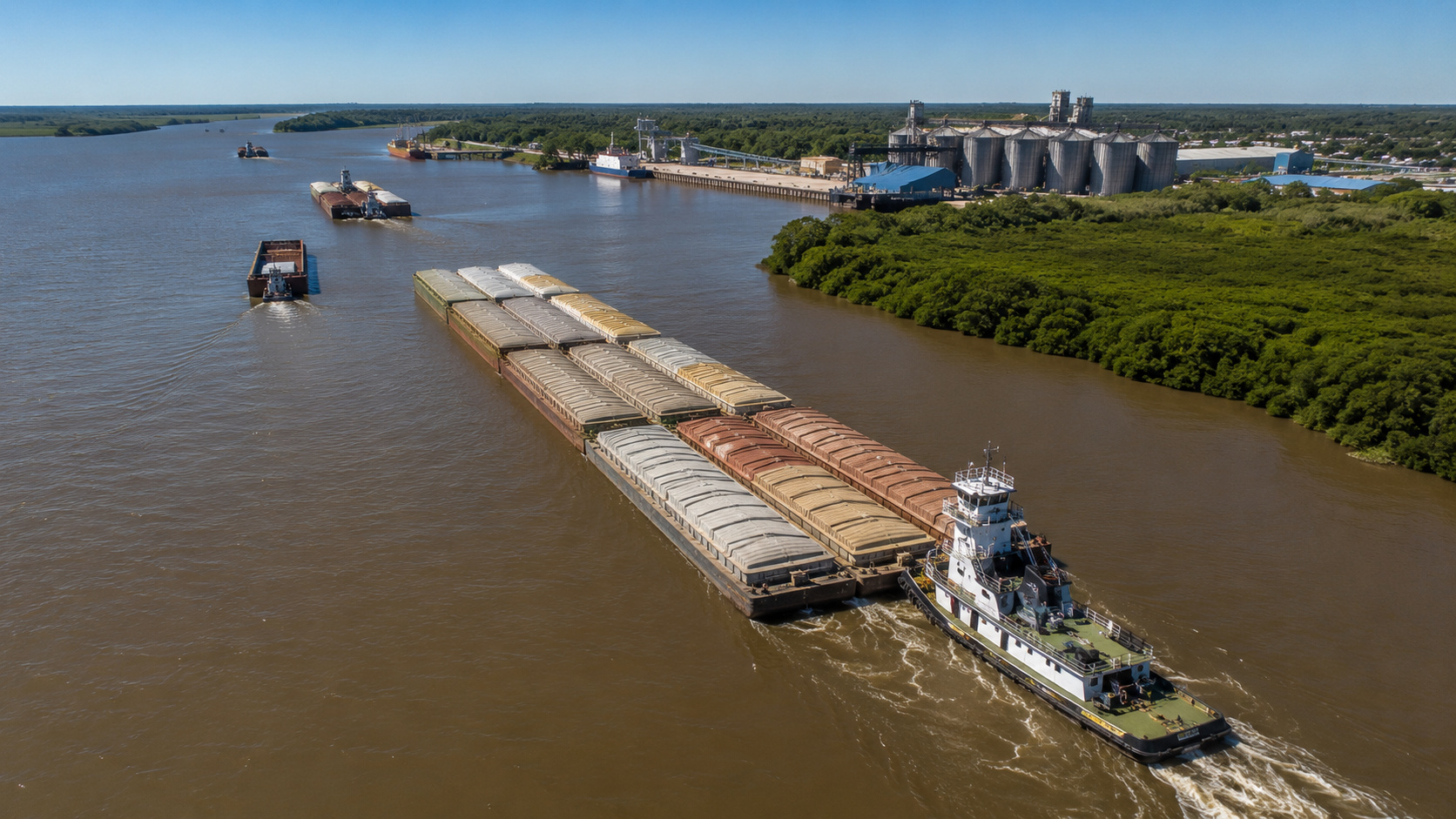
Argentina confirms Belgian giant to lead strategic Paraná River waterway and promises to reduce logistical costs on one of South America’s most important routes

-
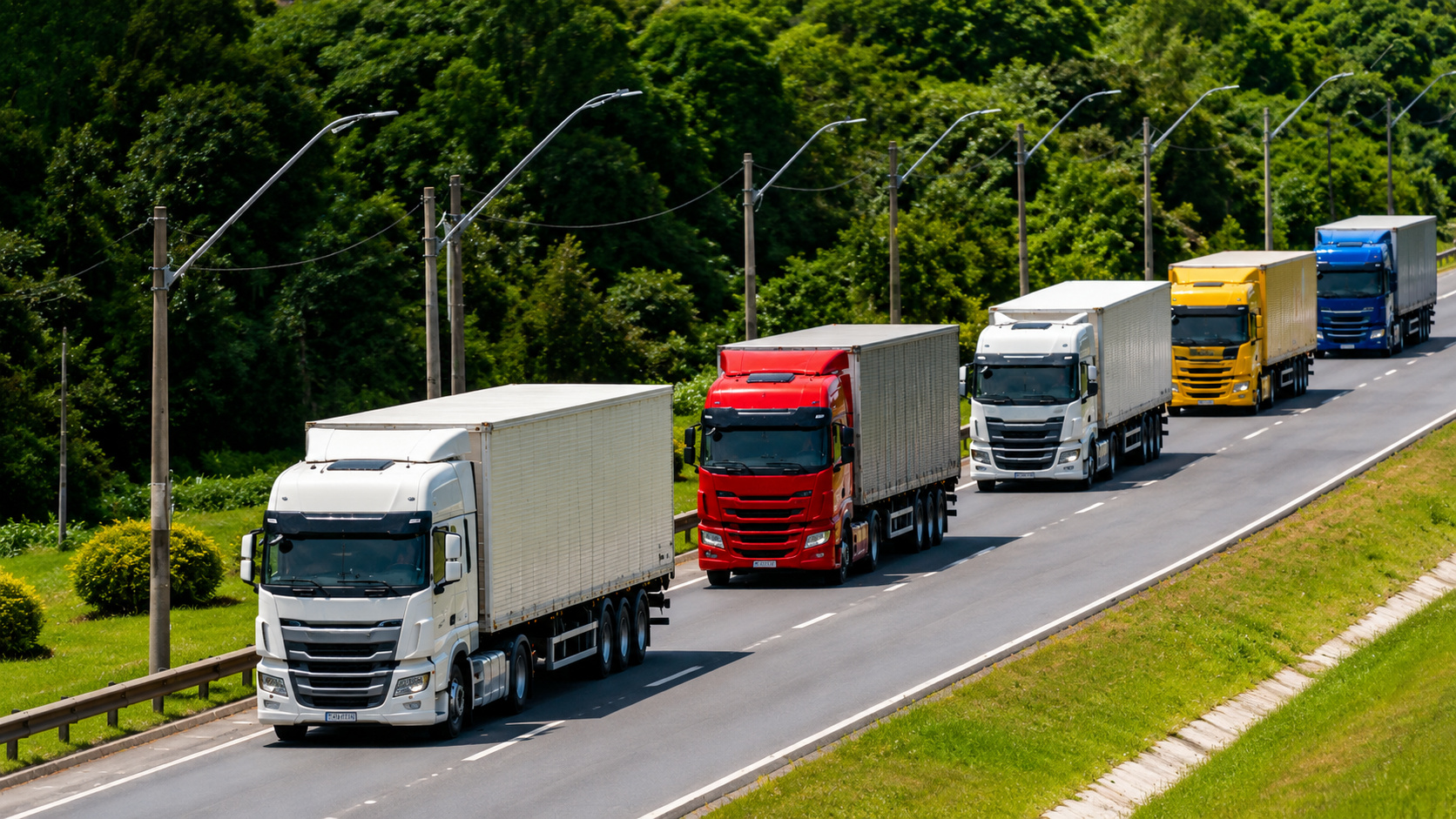
MBRF surprises the logistics sector by demonstrating how Artificial Intelligence can directly influence deliveries throughout Brazil by reorganizing distribution routes in seconds, optimizing fleet usage, reducing logistics costs, and speeding up product arrivals even in the face of unforeseen road incidents.
-
With deep ports and strategic railway, Espírito Santo advances to compete with Santos and attract foreign trade cargo.
-
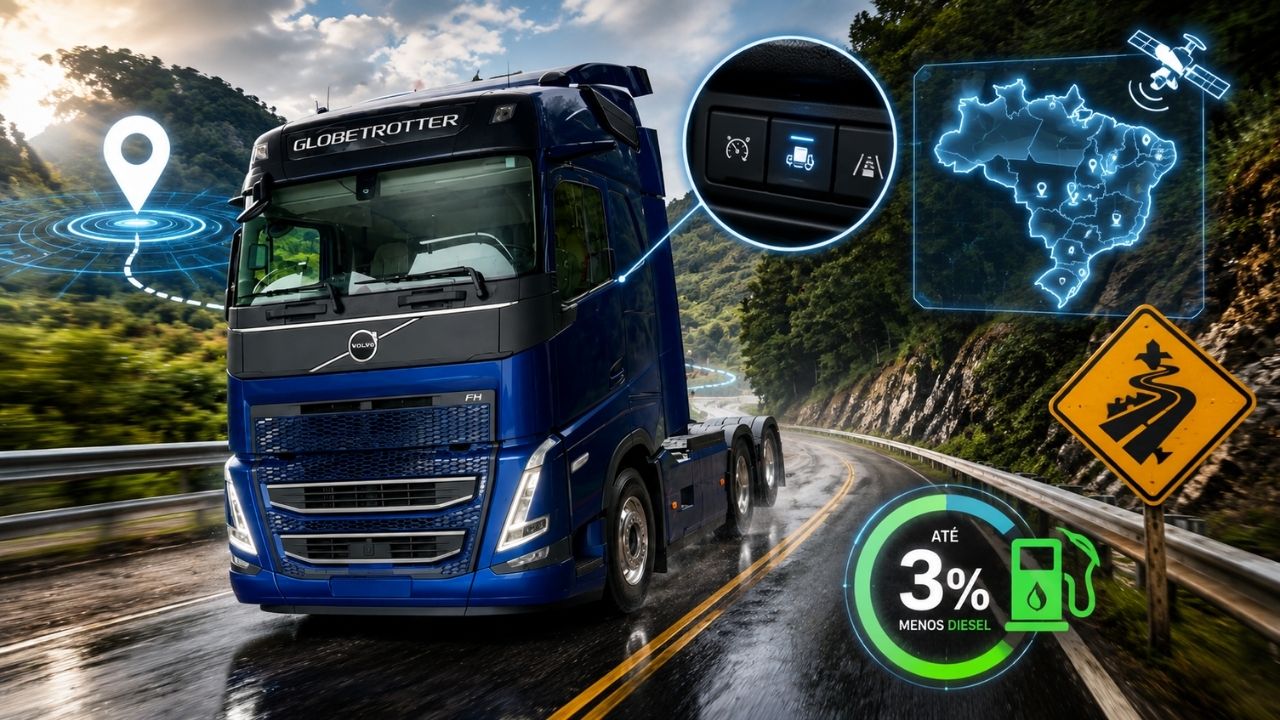
Volvo FH 2026 truck automatically reduces speed in risk areas in Brazil with GPS, activates engine brake without driver intervention, and combines safety with aerodynamics capable of saving up to 3% of diesel in some operations.


As explained by the minister, another 670 kilometers of works are planned on Brazil’s highways and railways, currently halted due to a lack of funding, revitalization, construction, and critical stretches. By the end of 2023, there will be more than 100 expressways with slower speeds or without stretches.
According to the minister, the government’s idea is to increase investments to strengthen international competitiveness and protect the country’s environmental conditions. “Our goal has been to halt the regression of the industry over the last four years. We are willing to improve our procedures to attract more private investments and work with public resources,” he concluded.
The Ministry of Transport also received suggestions for priority actions through public consultation. There were more than 6,000 contributions, mostly aimed at improving the competitiveness of infrastructure and logistics in the transportation of goods and people; promoting road safety; improving the quality of transportation infrastructure and services; and related to deregulation and sustainability.
Minister of Transport Wants a New Railway Model and Faces the Challenge of Integrating with the Brazilian Network
Intergovernmental agenda, the expansion of the country’s railway network is also highlighted in the plans of the new Minister of Transport, Renan Filho (MDB). Like other measures, the challenge for ministers is to carry out projects that require significant financing, and often the private sector has little appetite to take on the risk.
Therefore, the minister told Agência Estado that he is evaluating his portfolio to determine the best way to develop models to attract the private sector with public sector involvement – which may include public-private partnership projects (PPP).
The Ferrogrão, a historical necessity for agribusiness, has also become part of Renan Filho’s agenda, who found a way to resume the project halted by order of the Federal Supreme Court (STF). The minister defended the benefits of replacing road transport with rail transport in light of environmental resistance to the project.
He also praised the Legal Framework of Railways and said the ministry wanted to improve the regulatory landscape without touching the “core” of the law. The Brazilian railways have a low share of freight transport – less than 20% of the matrix. In light of the strong growth of food production in the country, Renan Filho highlighted the “stress” this is causing on highways.









Be the first to react!