





 Portuguese
  English
  Spanish
 4 min of reading
  0 comments


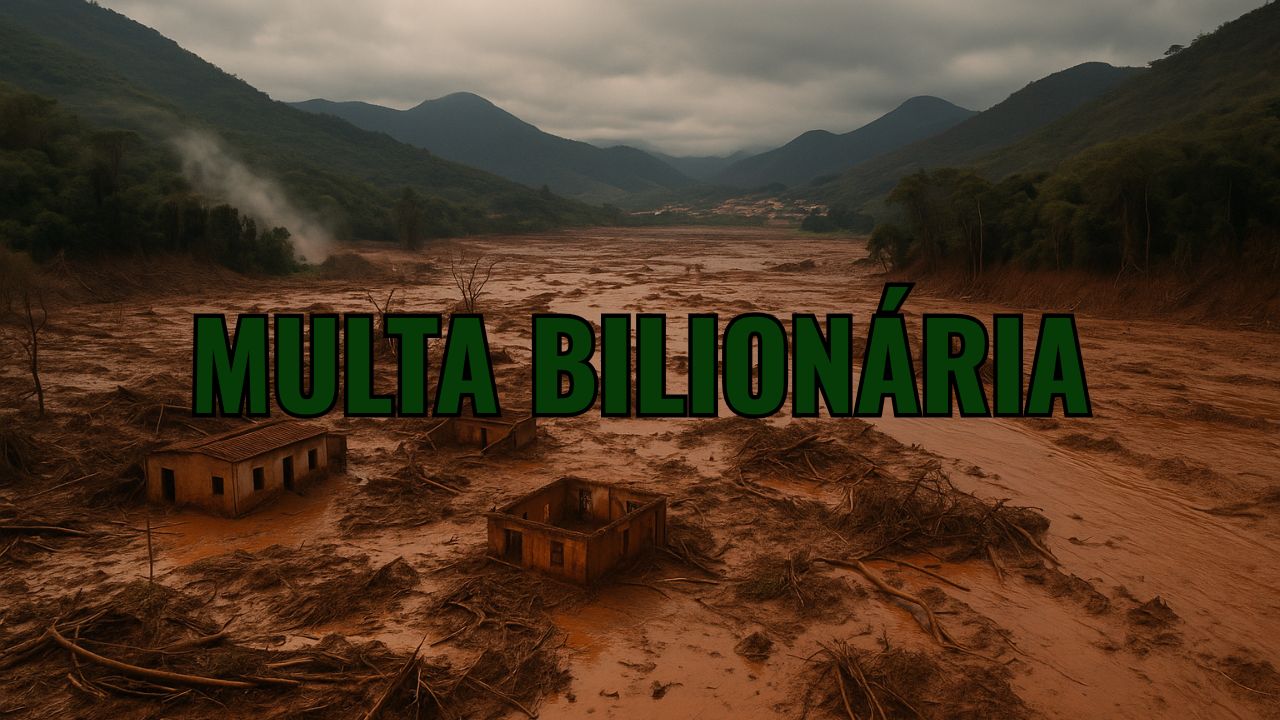
The Attorney General’s Office Won A Victory In Carf Against Samarco And Vale, Accused Of Deducting Taxes On Environmental Reparations.
Samarco and Vale were fined over US$ 1.8 billion after a decision from the Administrative Council of Tax Appeals (Carf), which upheld the understanding of the National Attorney General’s Office (PGFN).
The mining companies had improperly deducted from the Corporate Income Tax (IRPJ) and the Social Contribution on Net Profit (CSLL) expenses related to environmental recovery and fines arising from the tragedy in Mariana (MG), between 2016 and 2019.
The decision, favorable to the Union, recognizes that the amounts cannot be considered deductible operational expenses, as they refer to sanctions and compensation of a non-tax nature. Thus, the tax assessments were fully maintained against both companies.
-
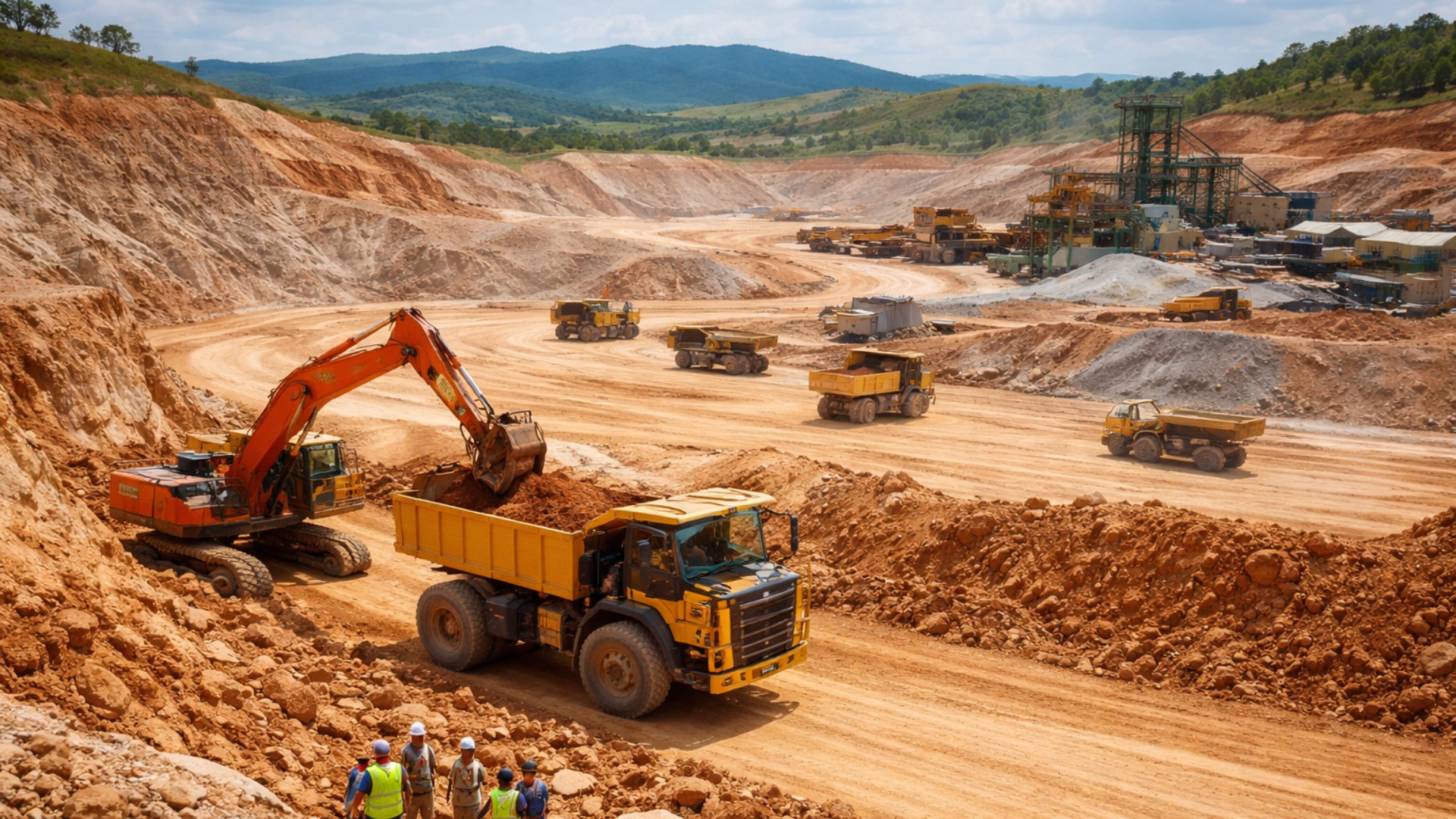
After China, it’s now the turn of the USA to ‘secure’ a share of Brazil’s natural resources: the country buys critical rare earths for R$ 3 billion and enters the center of the global technology dispute.
-
Rare earths are in everything, from cell phones to bullet trains, and what almost no one realizes is why they have become the target of such a delicate global war.

-
Brazil extracts 26.3 million tons of ore from what was previously treated as waste, transforming residues into wealth, producing over 3 million tons of sand, and demonstrating how national mining is relearning to generate value.

-
A $3.5 billion megaproject in Latin America pumps desalinated seawater at 1,050 liters per second over 194 km to keep a copper supermine in the Andes operational for another 20 years.
Understanding Of The National Attorney General’s Office
During the trial, the attorney from the PGFN, Vinícius Campos, highlighted that a possible victory for the mining companies would distort the Brazilian tax and administrative system.
“A contradictory system would be created, in which the State, while imposing a penalty, accepts that it can use that as a tax benefit,” said Campos.
The attorney emphasized that a contrary decision would encourage “illicit practices,” as it would allow companies to convert penalties into tax advantages.
Samarco And Vale Tried To Justify Deductions Based On Reparations
In the appeal submitted, Samarco argued that the amounts deducted were essential parts of its activity, involving environmental risk and obligations arising from legal agreements.
The company argued that such expenses would be “normal and usual” in the mining sector and, therefore, subject to tax deduction.
These expenses, according to the mining company’s defense, were defined in Conduct Adjustment Terms (TACs) and in the Transaction and Conduct Adjustment Term (TTAC), signed with the Federal Public Prosecutor’s Office (MPF), Public Defender’s Office of the Union (DPU), and other public bodies.
Part of the funds was allocated to the creation of the Renova Foundation, responsible for managing the actions of repair and compensation after the disaster in Mariana.
Arguments Rejected By Carf
The Carf, however, understood that the expenses presented do not meet the requirements of necessity, normality, and usualness provided for in Article 47 of Law No. 4,506/1964, and therefore cannot be deducted from the IRPJ and CSLL.
According to the National Attorney General’s Office, the expenses stem from an exceptional incident and are not part of the regular operations of the mining companies.
Thus, the deductibility would represent “undue socialization of business risk,” contrary to the principle of individual responsibility for economic activities.
In addition to Samarco, Vale, as a shareholder and subsidiary liable, also attempted to deduct the amounts paid to the Renova Foundation, but had the request denied.
The Carf board stated that “the transfers are not related to the transactions or operations of its productive activities.”
Positions Of The Companies
In a statement, Samarco declared that it will continue to discuss the case in the processes and reaffirmed its commitment to environmental reparations.
“The company strictly complies with the New Agreement for the Doce River and reaffirms its commitment to reparation,” it stated.
Vale, for its part, argued that the compensations are mandatory expenses and, therefore, deductible.
“The income tax deduction applies, as the indemnity and compensation payments related to the Fundão dam failure reflect a mandatory expense, resulting from the company’s objective responsibility for reparation,” it argued.
Mariana Tragedy: An Environmental Milestone In Brazil
The failure of the Fundão dam, on November 5, 2015, was one of the largest environmental disasters in the country’s history.
The structure, controlled by Samarco, released millions of cubic meters of waste that destroyed the district of Bento Rodrigues, in Mariana (MG).
The disaster caused 19 deaths, left hundreds of families homeless, and contaminated more than 650 kilometers of the Doce River, reaching even the coast of Espírito Santo.
The mud swept away houses, vehicles, and devastated entire ecosystems, generating lasting environmental, social, and economic impacts.
Legal And Environmental Repercussions
Since then, the tragedy of Mariana continues to resonate in the Judiciary and in environmental agencies. Various compensation and reparation agreements have been established, but the affected communities still report difficulties in receiving compensations and restructuring their lives.
The recent decision from the Carf, with the support of the National Attorney General’s Office, reinforces the understanding of responsibility







Seja o primeiro a reagir!