





 Portuguese
  English
  Spanish
  6 min of reading
  0 comments


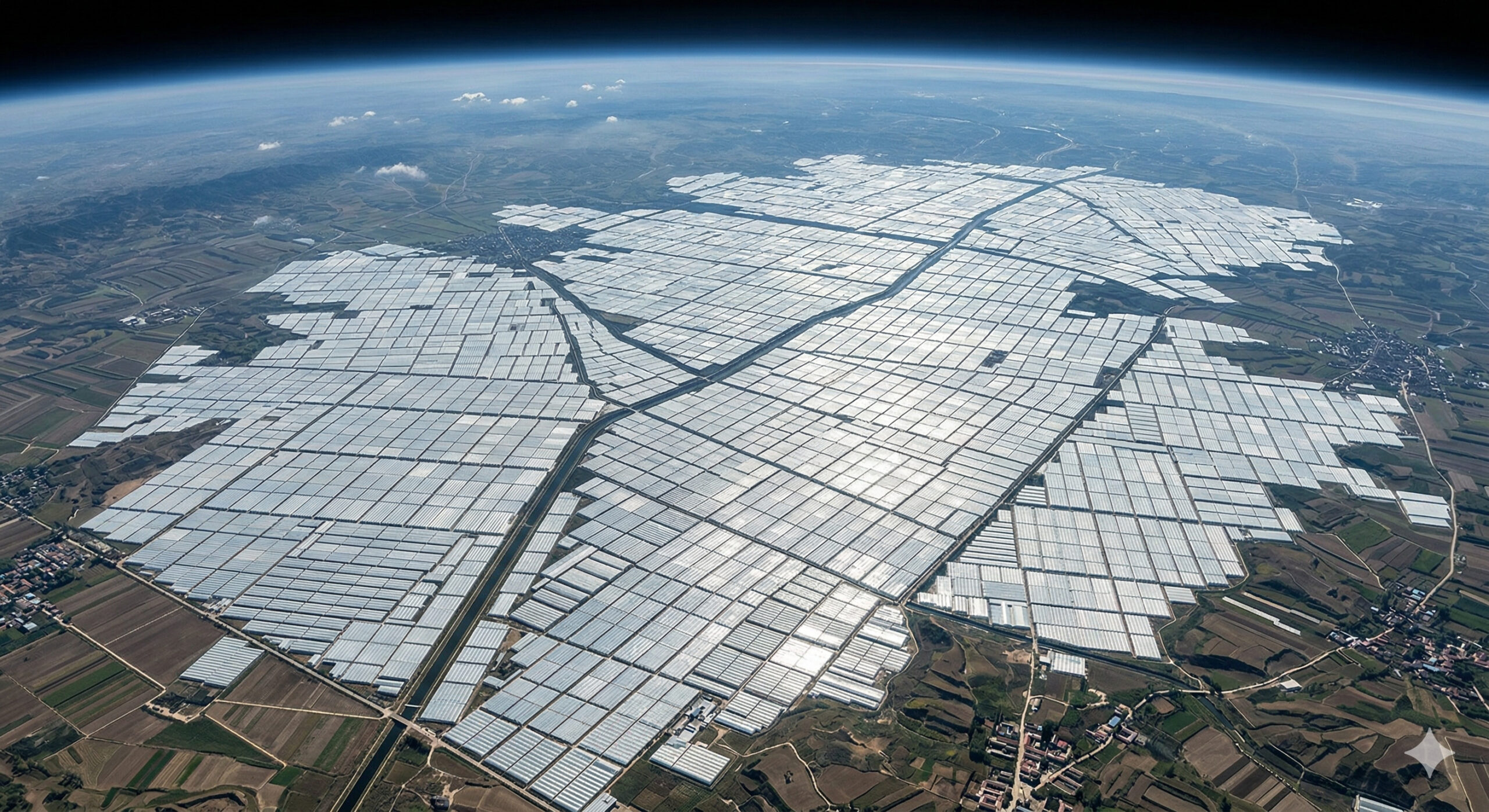
Greenhouse complex in China exceeds 820 km² and transforms rural landscape into one of the largest agricultural structures visible from space.
In 2024, images published by the NASA Earth Observatory clearly revealed the scale of a silent transformation in the northern plain of China: the region of Weifang, in the Shandong province, now hosts the largest cluster of greenhouses on the planet. What once appeared as an area of open agriculture has gradually been replaced by an almost continuous white cover, formed by plastic structures that now spread over more than 820 square kilometers.
This number not only represents agricultural growth but also a structural change in how food is produced on a large scale. According to NASA itself, the concentration of greenhouses in Weifang is so extensive that it stands out clearly in satellite images, where large areas of previously open land now appear as a true “sea of plastic” over the rural landscape.
The comparison between images from 1987 and 2024, made with data from the Landsat 5 and Landsat 8, shows a progressive and accelerated expansion over a few decades. This advancement is also consistent with scientific analysis published in Nature Food, which identified a strong acceleration in the global expansion of greenhouses since the 2000s and pointed to China as responsible for about 60% of the world’s coverage of this type of cultivation.
-
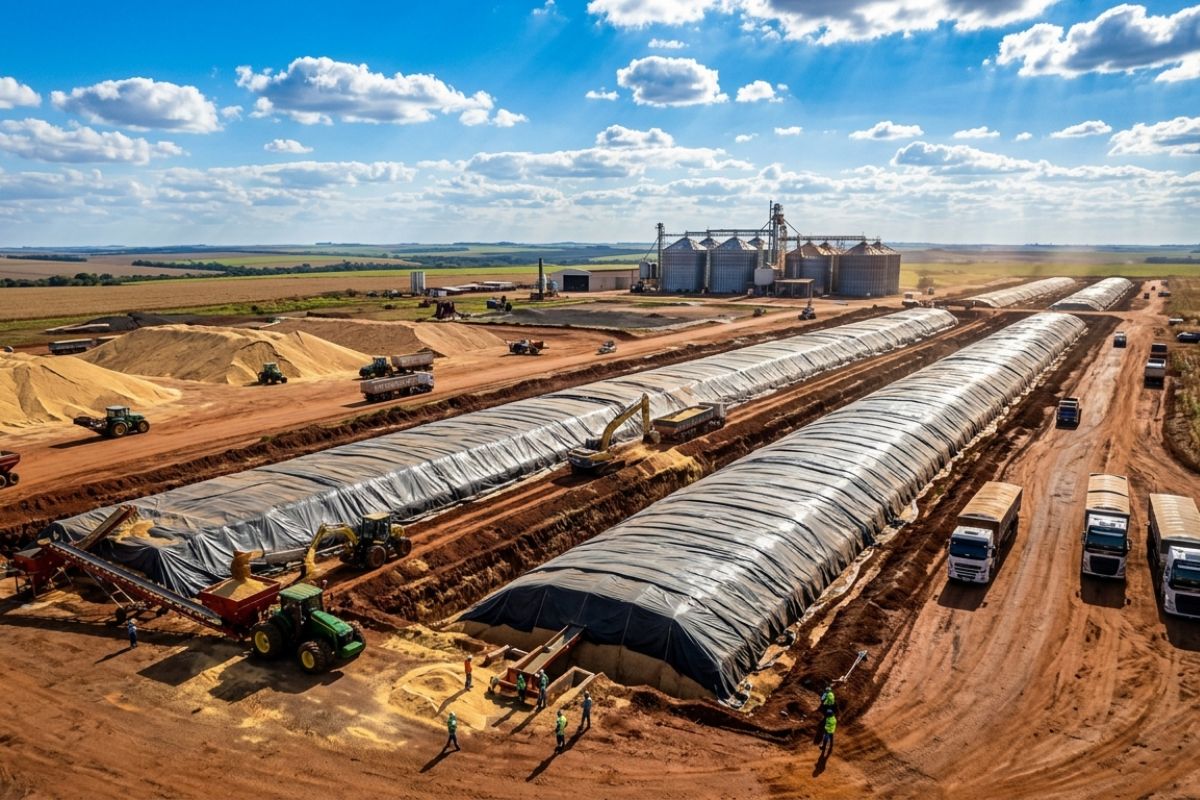
In Mato Grosso, Brazil creates a “subterranean empire” of grains: cheap hermetic trenches store millions of tons for up to 180 days, reducing freight, queues, and global risk in 2026.
-
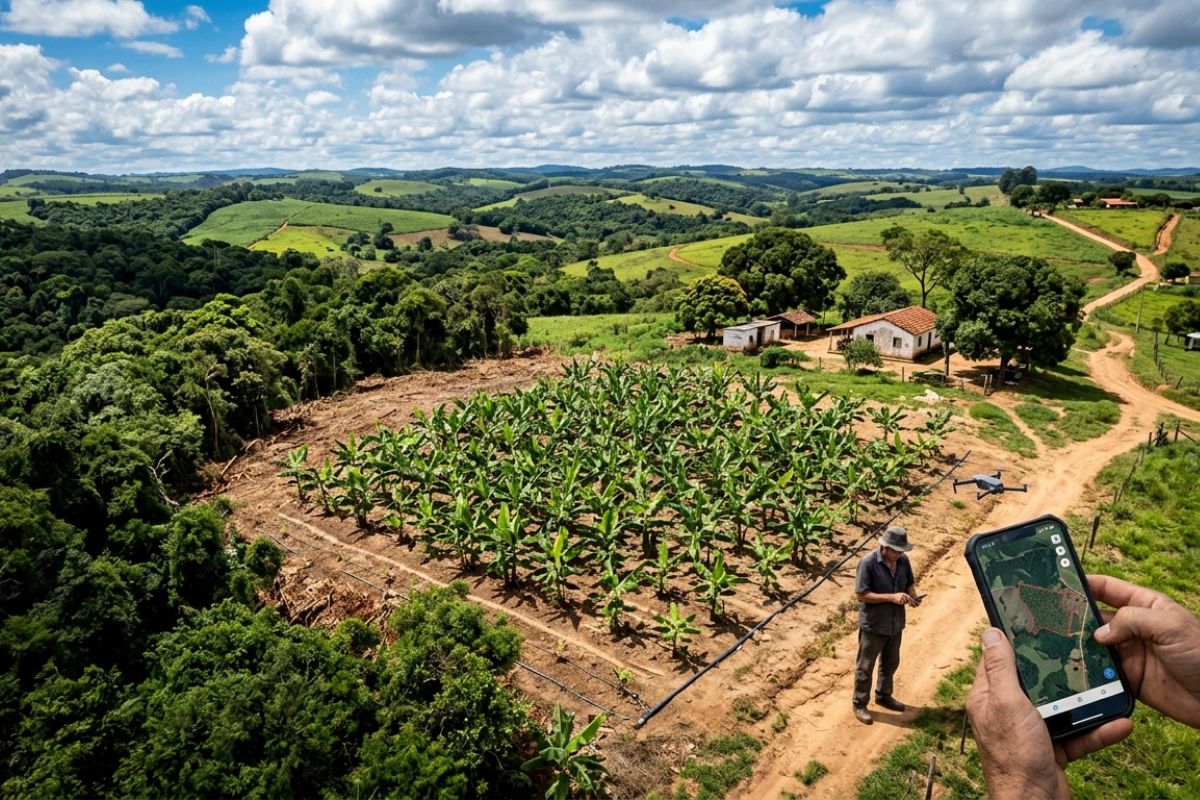
Cleared 2,700 m² to plant bananas and received a fine of R$ 31,600: satellite provided evidence, neighbor can report, and the video reveals the 5 mistakes that most harm producers in the field every day.
-
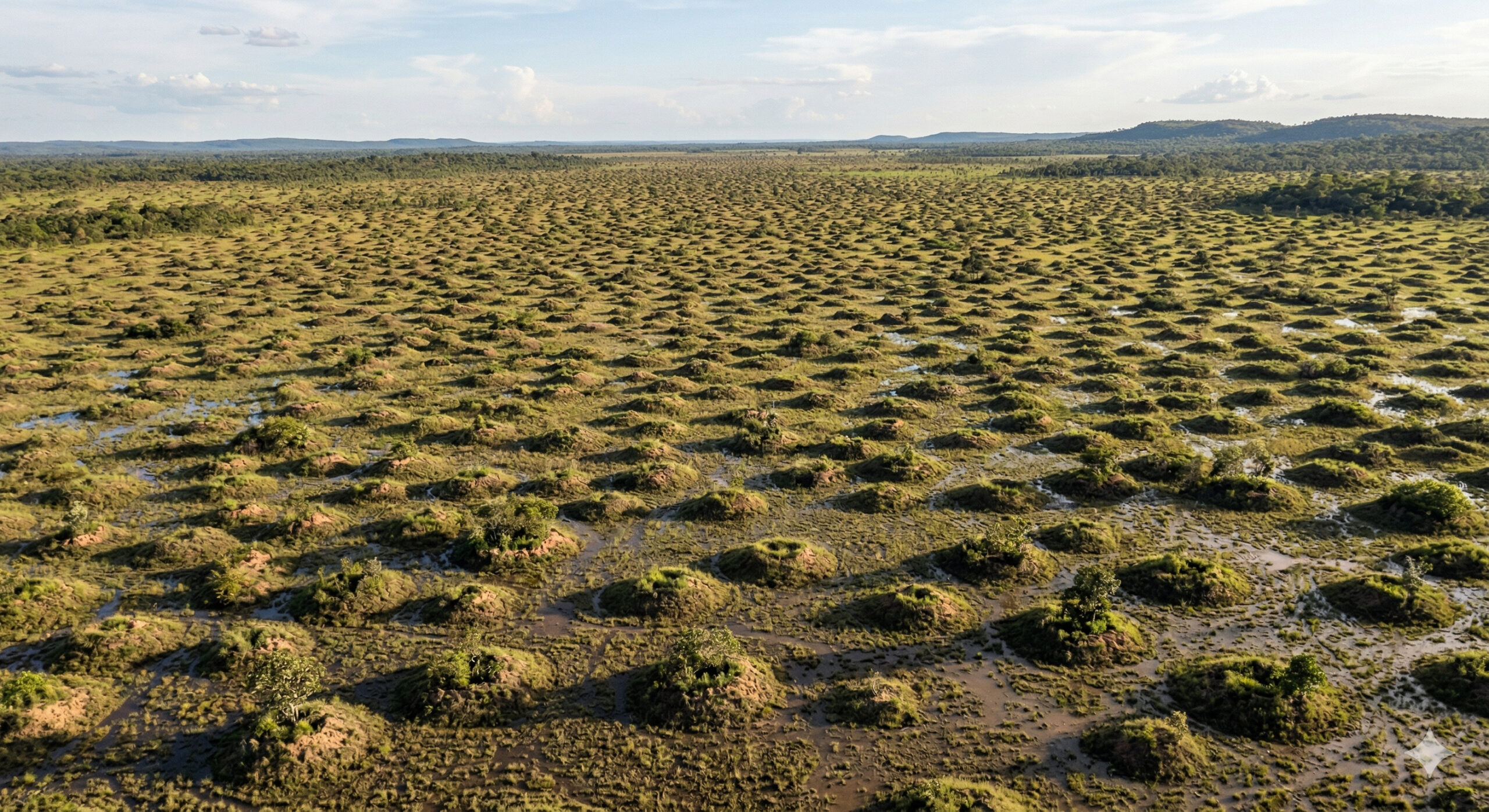
In the Brazilian Cerrado, the fields of murundus spread thousands of mounds up to 20 meters in diameter and over 1.5 meters in height in almost regular patterns over waterlogged soils, and the most accepted explanation points to termites reshaping the land for centuries until creating a landscape that looks drawn from above.
-
Spiny-free pineapple, sweeter and more resilient: Mato Grosso develops new cultivars that promise to reduce losses from fusariosis and increase productivity in the field.
Territorial transformation of Weifang replaced open fields with a continuous artificial surface
The Weifang region was not originally conceived as a hub for covered agriculture. For much of the 20th century, traditional open-field crops predominated there. However, starting in the final decades of the last century, agricultural policies and technological advances began to encourage the use of greenhouses as a way to increase productivity and reduce climate risks.

Over time, small isolated units gave way to continuous expansion. As farmers migrated to the protected model, the covered areas began to connect, forming a true “sea of plastic”.
Today, this cover creates a unique visual signature seen from space. Unlike conventional agricultural areas, which vary in color and texture throughout the seasons, the greenhouse complex presents a homogeneous and highly reflective appearance, making it easier to identify in satellite images.
Scale of 820 km² positions the complex as the largest in the world
The area exceeding 820 km² places the Weifang complex in a completely distinct category. For comparison, this extent surpasses the area of many cities around the world and approaches the territorial size of entire capitals.
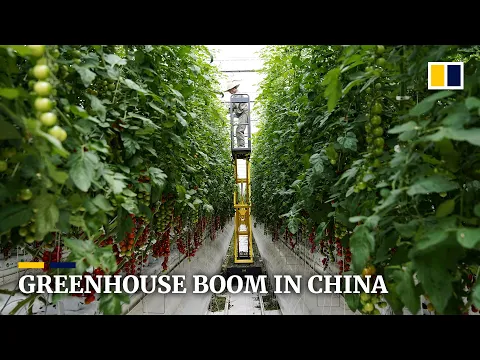
This scale is not just an impressive figure but also an indicator of the productive intensity of the system. Greenhouses allow for multiple harvests throughout the year, climate control, and greater efficiency in the use of water and nutrients.
As a result, the region has come to play a central role in food supply, especially in horticultural products, providing large volumes of food for Chinese urban centers.
Intensive production transforms the region into a strategic supply hub
The expansion of greenhouses is directly linked to the need to ensure food security for a population of over 1.4 billion people. The model adopted in Weifang allows for continuous food production, regardless of seasonal climate variations.
This type of intensive agriculture is especially relevant in regions where extreme weather events can compromise harvests. By controlling temperature, humidity, and sunlight exposure, greenhouses reduce the vulnerability of the production system.
Moreover, proximity to large urban centers facilitates distribution logistics, reducing transportation time and post-harvest losses.
Satellite images reveal accelerated change between decades
The analysis of historical satellite image series shows that the expansion did not occur linearly, but rather in waves of accelerated growth. Comparative records between the years 1980, 2000, and 2020 highlight how areas previously occupied by traditional agriculture were quickly converted into greenhouses.
This transformation is considered one of the fastest ever documented in terms of large-scale land use change for agricultural purposes.
The ability to visualize this process from space reinforces the magnitude of human intervention, which not only modified production but completely reshaped the landscape.
Structures reflect light and alter properties of the Earth’s surface
One of the most curious aspects of the complex is its high reflectivity. The plastic surfaces of the greenhouses reflect a significant amount of sunlight, creating a bright appearance in orbital images.
Researchers point out that this effect may alter the region’s albedo, that is, the surface’s ability to reflect solar radiation. In some cases, this phenomenon may even influence local microclimates, although the impacts are still under study.

This technical detail adds an additional layer to the topic, showing that the transformation is not only visual or productive but also potentially climatic on a regional scale.
Growth of greenhouses is part of a global trend in protected agriculture
Although the case of Weifang is extreme, it is not isolated. The expansion of greenhouses has been recorded in various parts of the world, driven by demands for productivity and stability.
According to recent analyses, the global area of protected agriculture already exceeds 13,000 km², with continuous growth in countries such as China, Spain, and Mexico.
However, no other location exhibits such a large and continuous concentration as Weifang, making the Chinese case unique in scale and density.
Agricultural megainfrastructure redefines the concept of construction visible from space
Traditionally, when discussing constructions visible from space, the focus is on dams, cities, or heavy engineering works.
The Weifang greenhouse complex expands this concept by showing that agricultural structures can also reach comparable scales.

The continuity of the cover, the visual uniformity, and the territorial extent make the ensemble interpreted as a true megainfrastructure, even though it is composed of thousands of individual units.
This change in perspective reinforces the idea that modern agriculture can operate at scales previously associated only with industry or urbanization.
Intensive system raises debates about sustainability and environmental impact
Despite the gains in productivity, the model also raises questions. The intensive use of plastic, the need for constant maintenance, and the impact on the soil are points frequently discussed by experts.
Additionally, the concentration of production in large areas can create challenges related to the use of natural resources and waste management.
These factors lead to the complex being analyzed not only as a technological advancement but also as a case study on the limits and consequences of intensive agriculture.
Structure visible from space symbolizes a new era of food production
The Weifang case represents a structural change in how agricultural production is organized on a large scale.
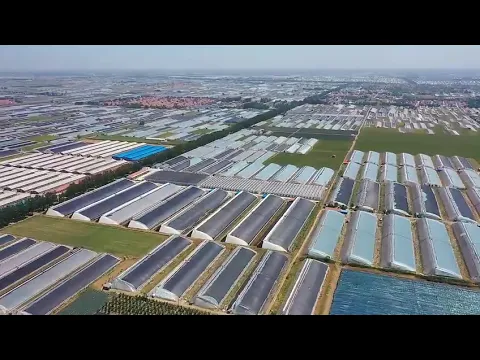
The transition from open fields to controlled environments redefines traditional concepts of agriculture and introduces a new pattern of land occupation.
The ability to identify this transformation from space reinforces the magnitude of the phenomenon, placing the complex among the largest human interventions ever recorded in rural areas.
What do you think of this agricultural megainfrastructure that reshaped the landscape?
The expansion of greenhouses in China raises a central question about the future of food production: to what extent can intensification and technological control replace traditional models?
On one hand, there are clear gains in productivity and stability. On the other, challenges related to sustainability and environmental impact arise.
Now I want to know your opinion: do you believe that this model of intensive agriculture is the inevitable path to feeding large populations, or are there still more balanced alternatives for the future?






Seja o primeiro a reagir!