





 Portuguese
  English
  Spanish
 4 min of reading
  0 comments



Who would have thought that such a subtle detail could have such an impact? Changing the air filter, often overlooked during home maintenance, is one of the workshop secrets that surprise drivers the most. We’re not just talking about a cheap component, but about a part that can transform performance, fuel economy, and even the engine’s lifespan.
Throughout this text, you will understand why mechanics recommend special attention to the air filter, how it works in the engine, and what practical results can be felt right from the first change — including numbers that can impressively reach a 12% performance gain in vehicles with naturally aspirated engines.
Air Filter Change: A Detail with Giant Effect
The air filter has the basic function of preventing impurities from entering the engine. Dust, grains of sand, and small particles, if not blocked, can wear down the cylinders and impair combustion. When this filter is dirty, the engine has to work harder to “breathe”.
-
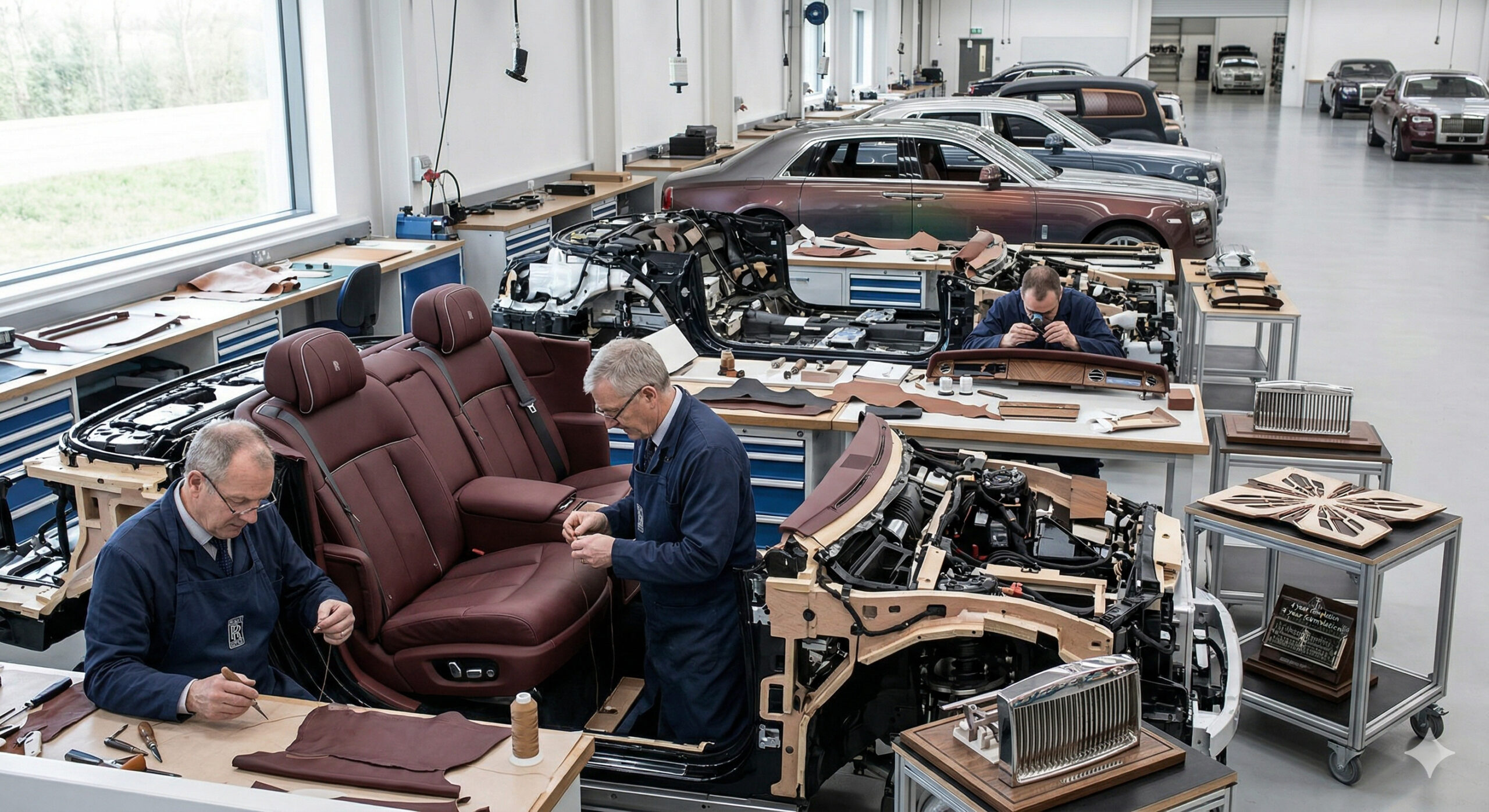
While much of the industry rushes to automate production, Rolls-Royce takes over 600 hours to hand-build each car in Goodwood and still accepts orders so complex that they can take up to four years to be completed.
-
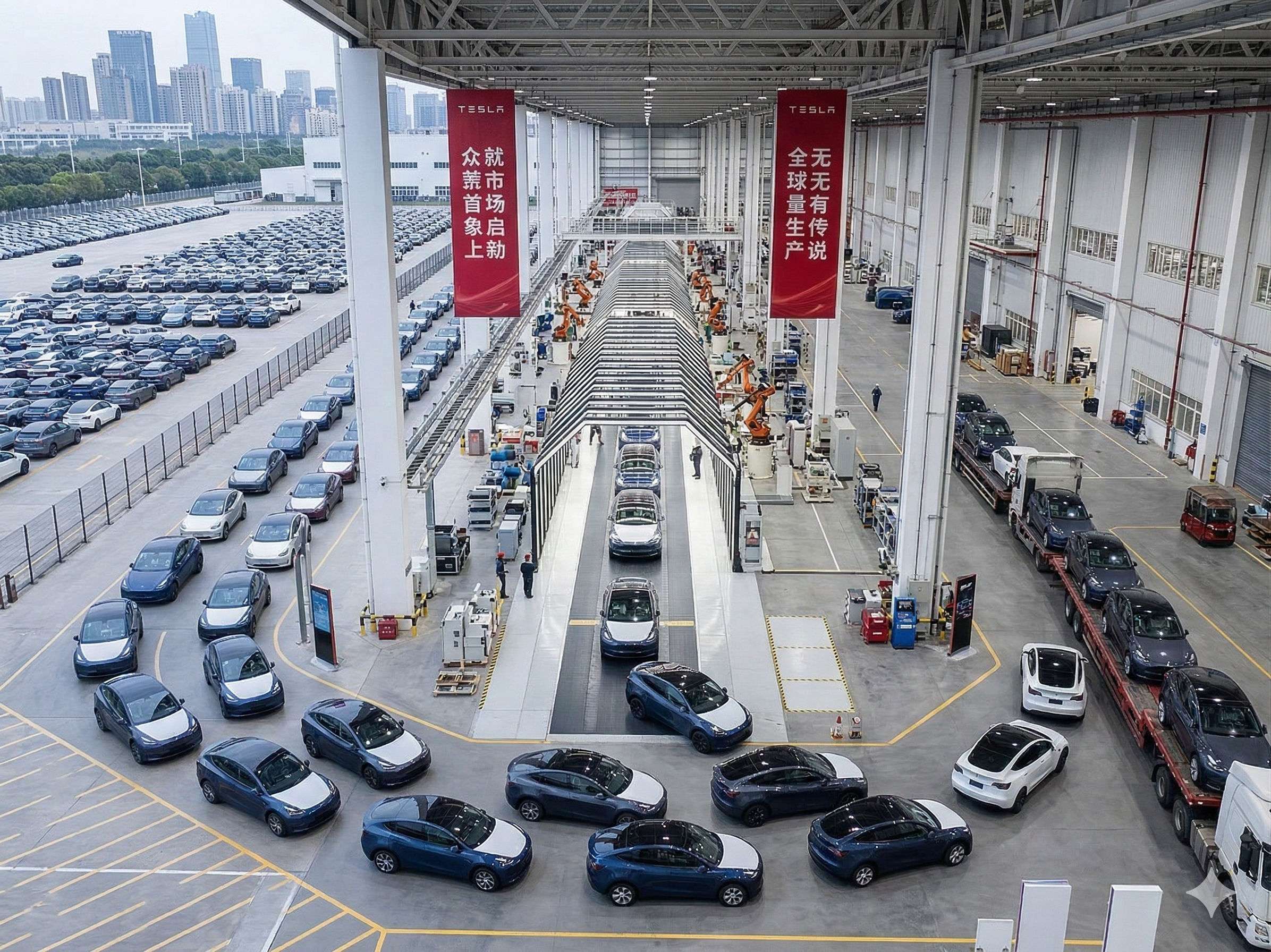
Smaller than the Model Y, lighter, with a single motor and designed to cost less than the current Model 3, Tesla’s new compact electric SUV is born in China and could seal the automaker’s return to the race for mass-market electric vehicles.
-
Kawasaki took the technology from its most brutal racing bikes, squeezed it into a 400cc 4-cylinder engine that revs to 15,000 RPM, and created the ZX-4R, a machine that shouldn’t exist in this displacement but is making experienced riders rethink everything they thought they knew about mid-range motorcycles.

-
The culture of cars that jump on the asphalt was born in the garages of Mexicans in the 1940s, was treated as a crime in the United States for decades, and has now become an official postage stamp of the American Postal Service in a twist that no one expected.

In naturally aspirated engines, which rely exclusively on the natural suction of ambient air (without the aid of a turbo), this extra resistance directly impacts performance. Changing the air filter restores the engine’s full capacity to draw in clean air, allowing for a more balanced and efficient fuel mixture.
According to Petrobras Distribuidora, obstruction in the filter can affect both power and consumption, increasing fuel expenditure by up to 10%. National Association of Motor Vehicle Manufacturers (Anfavea) reinforces that timely replacement not only improves performance but also preserves the engine’s internal components.
More Efficient Consumption
Imagine running with a cloth tied around your mouth: the body would exert more effort to absorb oxygen, tire quickly, and use more energy. The engine operates in a similar way. If the filter is dirty, it needs to burn more fuel to compensate for the lack of oxygen.
In tests conducted by international bodies such as the Environmental Protection Agency (EPA), changing the air filter in aspirated cars showed efficiency gains of up to 12%, especially in older models, where electronic injection cannot compensate for the flow restriction.
Greater Lifespan for the Engine
Another crucial point is durability. A neglected filter can allow microscopic particles to pass through that accumulate in the combustion chambers. This silent wear can reduce the engine’s lifespan by thousands of kilometers. Independent workshops report that vehicles that follow the air filter change correctly show visibly better conditions in cylinder heads and valves after long distances.
Economy that Fits in Your Pocket
The average cost of an air filter ranges from R$ 40 to R$ 120, depending on the car model. It’s a small investment compared to the benefits. Besides the performance gain and fuel economy, the driver avoids future expenses with engine overhauls or valve maintenance.
Signs That It’s Time for Replacement
Many drivers only remember the filter when the car shows faults, but there are clear signs that the air filter should be changed before that.
- Increased Consumption: If you notice that the car is consuming more for no apparent reason, it might be the dirty filter.
- Loss of Power: Slower accelerations and difficulty overtaking are common symptoms.
- Visibly Dark Filter: If you open the air box and the element is black or filled with dust, the change is immediate.
- Strong Gasoline Smell: A rich fuel mixture due to lack of oxygen.
Recommended Interval
Manufacturers recommend replacing the filter every 10,000 to 15,000 km, but in cities with a lot of dust or on dirt roads, this period can be halved. It’s always worth checking the vehicle manual and the usage conditions.
Air Filter Change Done at Home: Simple and Quick
For those who like to get their hands dirty, changing the air filter is one of the easiest maintenance tasks to do at home. With a simple wrench and a few minutes, you can open the air box, remove the old element, and place the new one.
But beware: it is essential to buy the correct filter for the model and year of the car. Low-quality aftermarket parts can compromise sealing and allow unwanted particles to enter.
Is It Worth Investing in Sports Filters?
Many drivers consider installing sports filters, which promise greater airflow and, consequently, more power. Although they do offer gains in some scenarios, it’s important to remember that these filters require constant maintenance and may not be ideal for daily urban use.
For most drivers, simply replacing the air filter with the original one already ensures optimal performance without compromising the engine’s durability.
More Than Power: Safety and Peace of Mind
Taking care of the air filter is also taking care of safety. A car that responds better during accelerations and consumes less fuel provides more confidence to the driver in critical situations, such as overtaking or long climbs. Furthermore, the peace of mind knowing that the engine is protected against dust and impurities makes a difference in daily life.
The air filter change, often seen as a minor detail, is actually one of the smartest preventive maintenance tasks. And if you want to feel in practice what the numbers show, try it: change your car’s filter at the next service and observe how the engine will thank you.








Seja o primeiro a reagir!