





 Portuguese
  English
  Spanish
 2 min of reading


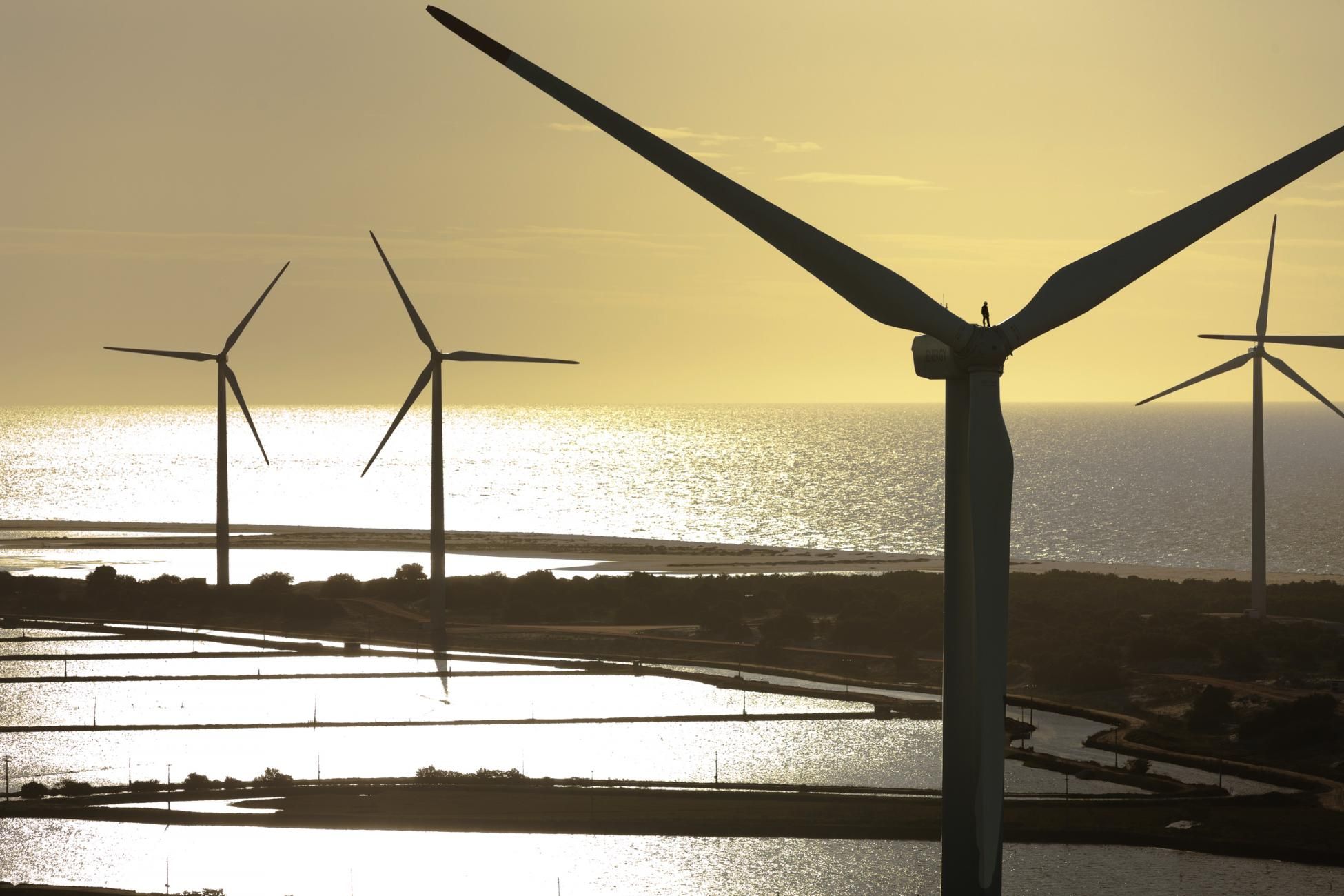
CCEE Data (Electricity Trading Chamber), State Sets Record in Wind Power Generation
A state in the Northeast, Rio Grande do Norte is in first place in the ranking of states with the highest installed capacity of commercial wind farms in Brazil, with 4,358.38 MW.
See Other News:
- Survey based on ANP data shows that revenues from oil royalties decreased by 30.8% in May and could drop more than R$ 12 billion in 2020
- Company of Schlumberger, OneSubsea, calls for inexperienced professionals for internship positions in Macaé
- Multinational Stefanini has many job openings for IT professionals on this day 25
The data was released by the CCEE – Electricity Trading Chamber – and refers to April 2020. The first five states on the list that concentrate the most generation capacity through wind power are:
-
Itaipu receives proposals in the renewable energy tender and reinforces the role of public universities in the energy transition with projects that can reduce costs, increase academic investments, and accelerate sustainable innovation in the country.
-
Claro operator reveals a silent change with hundreds of clean energy plants and shows how sustainability is impacting over 80% of its operations in Brazil.
-
Billion-dollar strategic alliance: Brazil and China join forces in infrastructure and technology projects to lead the creation of a global green corridor in the energy transition.

-
Research reveals that the vast majority of national consumers are not willing to pay more for renewable energy despite their support for sustainability.
- Bahia
- Ceará
- Rio Grande do Sul
- Piauí
An important point to highlight is the predominance of the Northeast and South states in wind power generation. Overall, wind power generated 4,220 average MW in April, which corresponds to a 17% increase compared to the same month last year. The numbers confirm the growth trend of this energy source, even with an 11.8% drop in total energy generated in the National Interconnected System (SIN).
In April, energy consumption fell by 11.9% compared to 2019, from 65,186 average MW to 57,442 average MW.
The regulated market showed a decrease of 11.3%, to 40,473 average MW, while the free market saw demand decrease by 13.2%, to 16,970 average MW, a behavior explained by the migration of consumers and the isolation measures to combat the coronavirus.







Seja o primeiro a reagir!