Portuguese
  Spanish


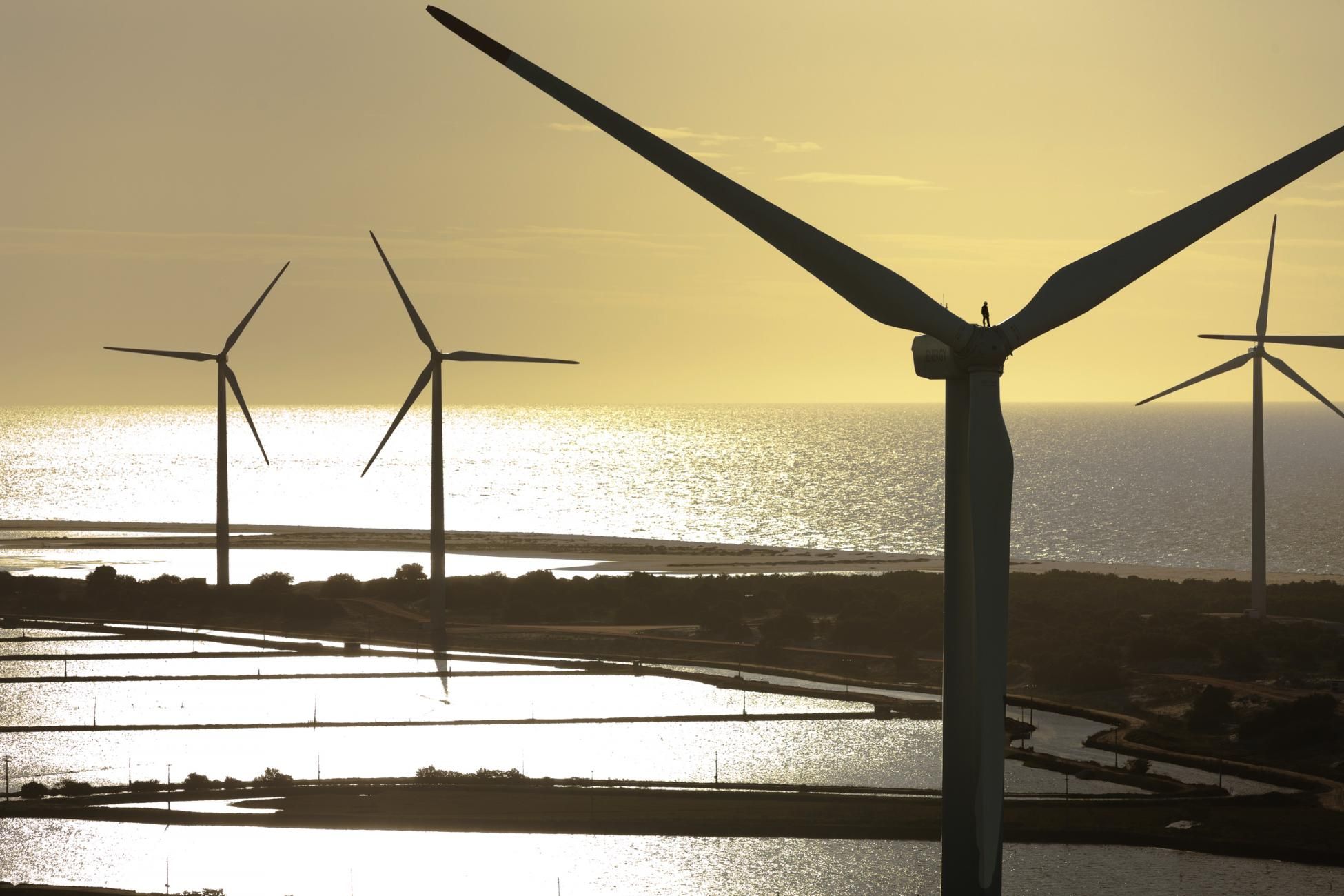

CCEE Data (Electricity Trading Chamber), State Sets Record in Wind Power Generation
A state in the Northeast, Rio Grande do Norte is in first place in the ranking of states with the highest installed capacity of commercial wind farms in Brazil, with 4,358.38 MW.
See Other News:
- Survey based on ANP data shows that revenues from oil royalties decreased by 30.8% in May and could drop more than R$ 12 billion in 2020
- Company of Schlumberger, OneSubsea, calls for inexperienced professionals for internship positions in Macaé
- Multinational Stefanini has many job openings for IT professionals on this day 25
The data was released by the CCEE – Electricity Trading Chamber – and refers to April 2020. The first five states on the list that concentrate the most generation capacity through wind power are:
-
Brazilian scientists are simultaneously advancing two research projects on clean hydrogen and driving solutions that could transform the energy matrix, enhance industrial competitiveness, and accelerate large-scale emission reduction targets.

-
Advancement in renewable energy: A R$ 150 million project launched by Petrobras and Finep aims to create state-of-the-art electrolyzers for green hydrogen, strengthening national research and preparing Brazil to compete in a billion-dollar energy market.
-
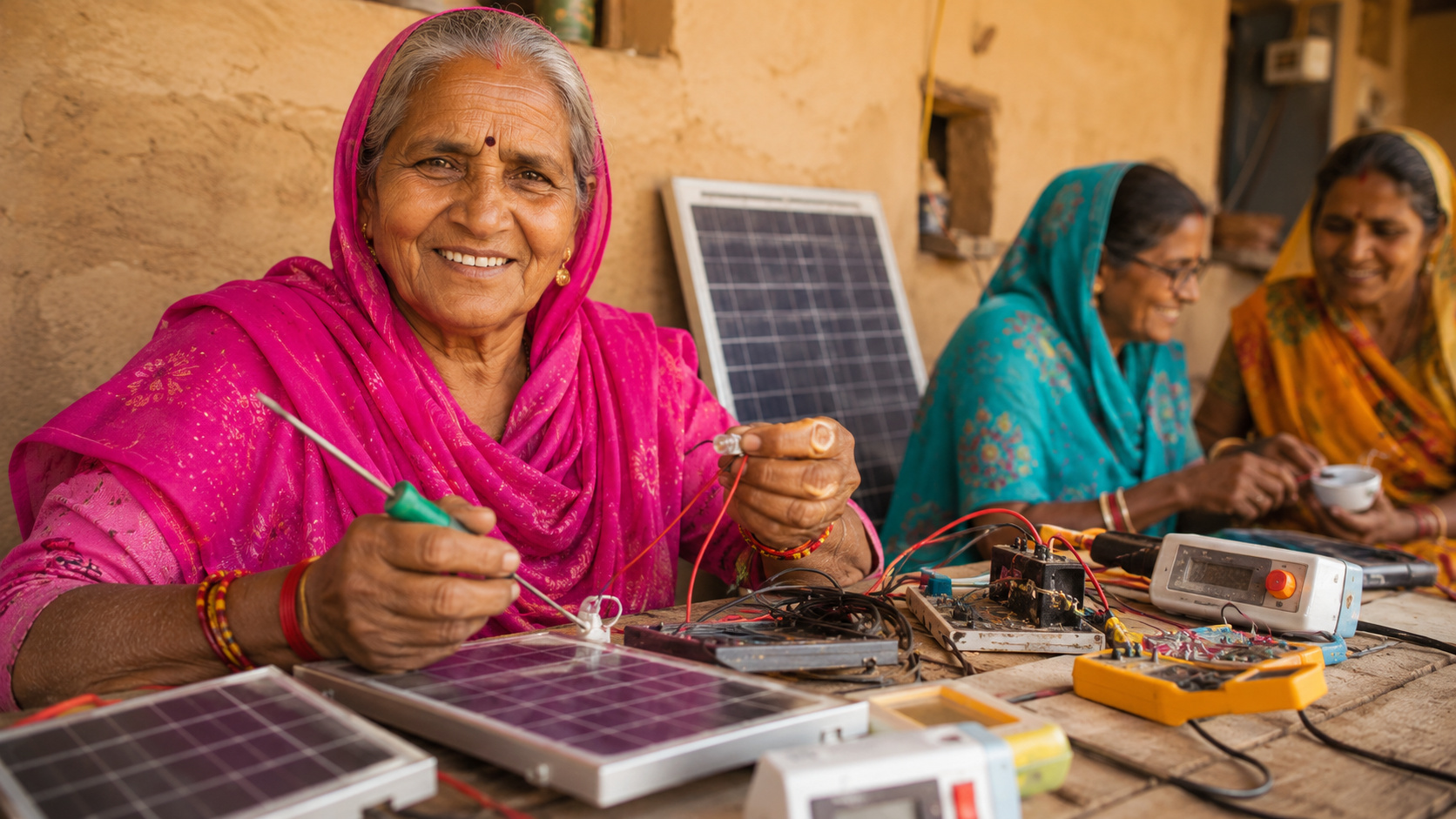
Illiterate or semi-literate grandmothers were trained to repair solar systems, open rural workshops, and light up homes that still depended on kerosene.
-
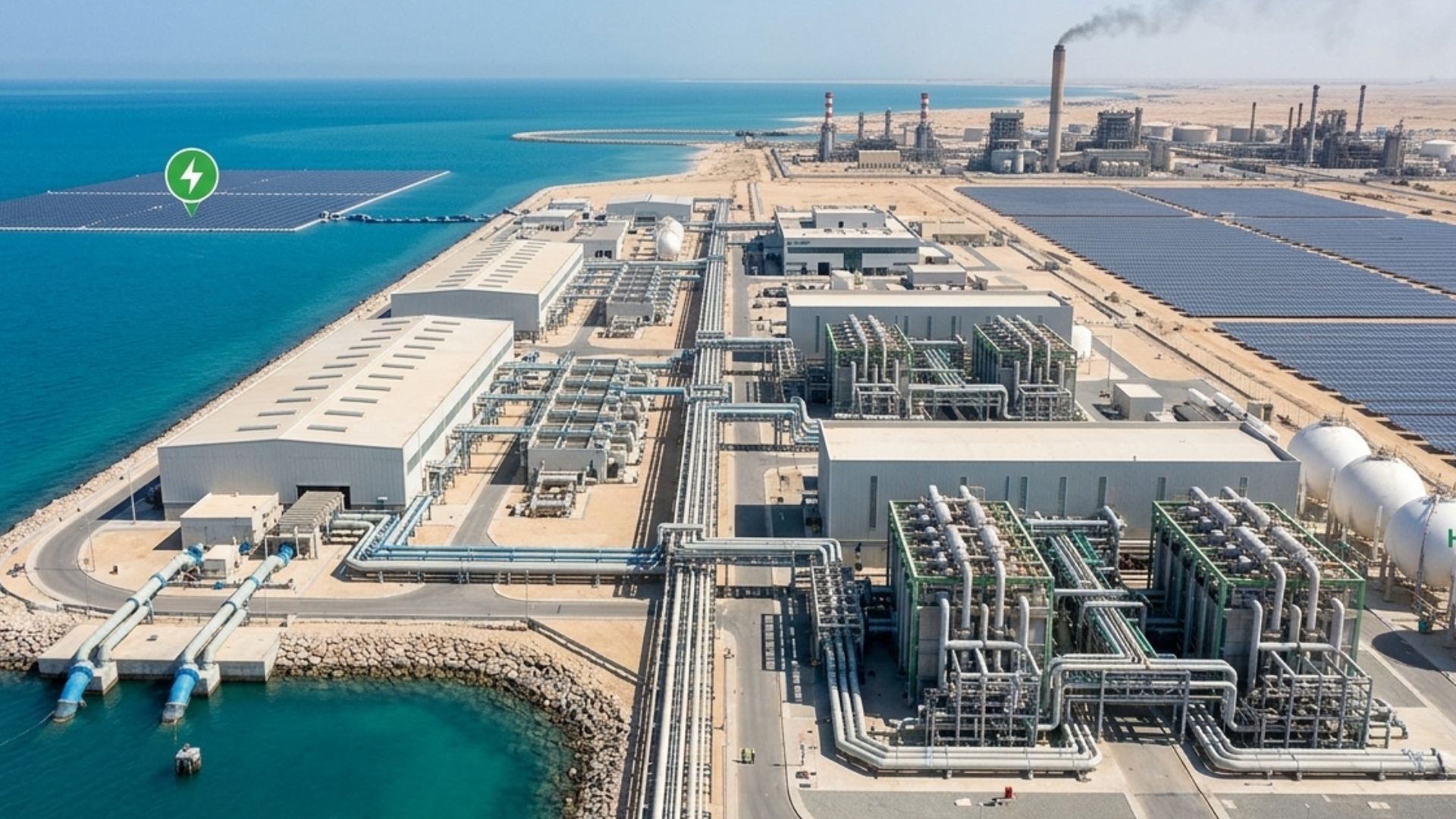
The world has bet on green hydrogen as the fuel of the future, but now faces the side effect: producing 1 kilogram requires about 9 liters of ultrapure water, and the largest projects on the planet are precisely in the driest regions of the Earth, where water is already scarce for people.



- Bahia
- Ceará
- Rio Grande do Sul
- Piauí
An important point to highlight is the predominance of the Northeast and South states in wind power generation. Overall, wind power generated 4,220 average MW in April, which corresponds to a 17% increase compared to the same month last year. The numbers confirm the growth trend of this energy source, even with an 11.8% drop in total energy generated in the National Interconnected System (SIN).
In April, energy consumption fell by 11.9% compared to 2019, from 65,186 average MW to 57,442 average MW.
The regulated market showed a decrease of 11.3%, to 40,473 average MW, while the free market saw demand decrease by 13.2%, to 16,970 average MW, a behavior explained by the migration of consumers and the isolation measures to combat the coronavirus.