






 Portuguese
  Spanish
  4 min of reading
  0 comments



Senate Approves Bill To Simplify Authorization For Modified Cars. New Rule Waives Prior Authorization And Requires Only Subsequent Inspection For Vehicle Safety.
The Federal Senate approved, in April 2025, Bill 410/2022, which changes the rules for modifications to vehicles and creates a simplified authorization process. The proposal, which now goes for further review in the House of Representatives, waives prior authorization from transit authorities for factory modifications — as long as the owner communicates the modification afterward and submits the vehicle for an inspection.
The measure aims to streamline the current rules and make life easier for those who adapt or customize vehicles, such as SUVs, pickups, and off-road cars. However, experts warn that the simplification will require strict enforcement to ensure safety on roads and highways.
What Changes With The Bill
Currently, the Brazilian Traffic Code (CTB) requires prior authorization from the competent authorities — such as the Detran — before any modification to the vehicle is made. Bill 410/2022 alters this requirement, allowing for authorization to occur after the alterations, provided they meet the technical safety parameters and regulations of the National Traffic Council (Contran).
-
The Celta may return without gasoline, with a plug and a Chinese soul: Chevrolet prepares a new electric hatch in Ceará to try to challenge the BYD Dolphin Mini, Geely EX2, and the compact market in Brazil.

-
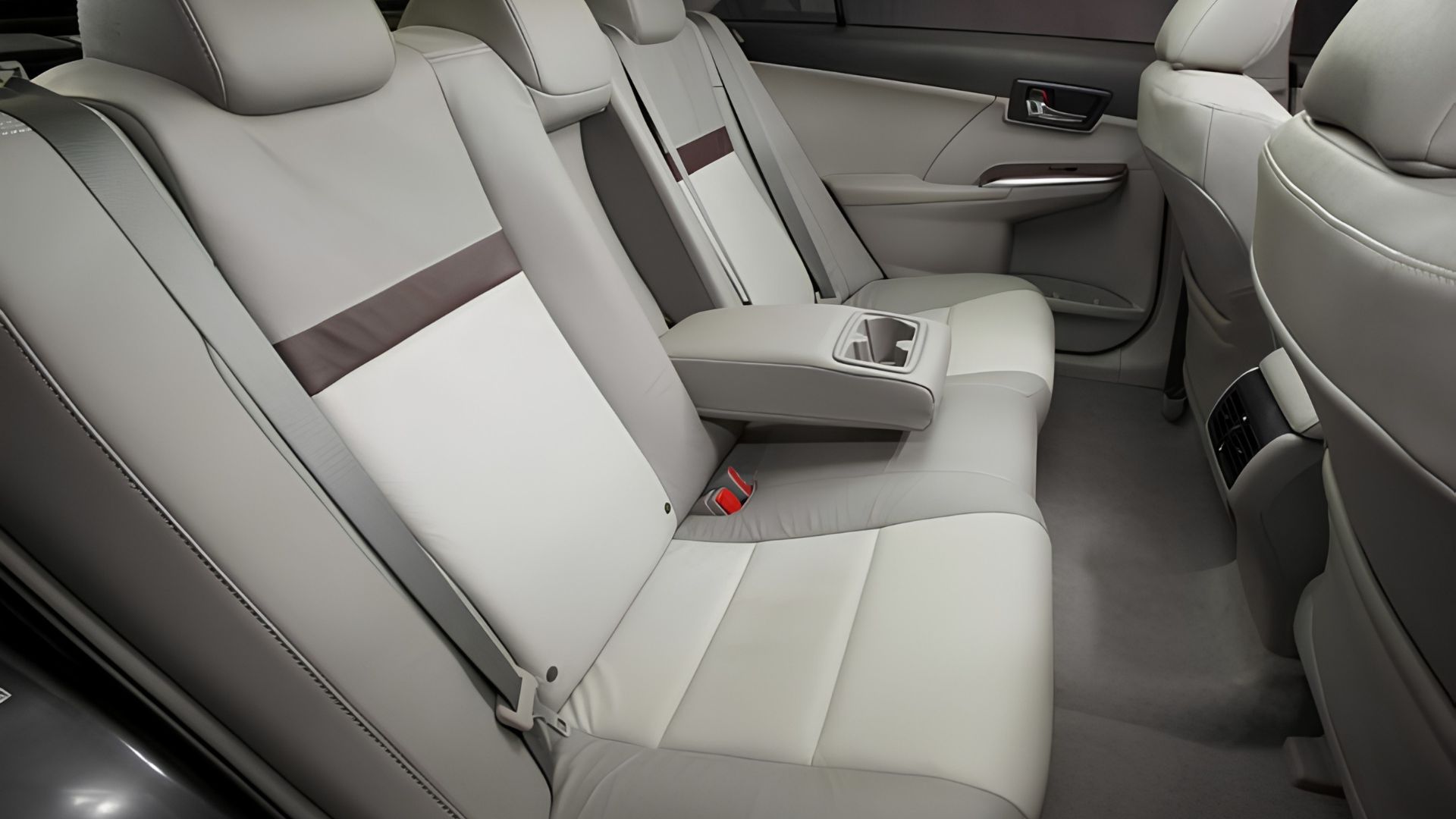
The 2012 Toyota Camry became the luxury Japanese sedan that costs less than many used compact SUVs, offering a V6 engine, 504 liters of trunk space, and executive comfort for those willing to step out of the ordinary in the used car market.

-
Hilux owners are having headaches, and Toyota is betting on a R$ 2,500 solution with a detail of just 5 mm that promises to reduce vibrations to 1/10 and change the pickup’s behavior on the road.
-
Driver’s license at 16, driving limit after midnight, and autonomous cars in Brazil: a bill that changes the Traffic Code advances in the Chamber and could transform the routine of young people, drivers, and new technologies on the streets



Among the modifications that will no longer require prior authorization are:
- Replacement of original equipment;
- Change of engine and fuel;
- Installation or removal of trailers;
- Increase in axle diameter;
- Modification of suspension and bumpers;
- Change of lighting or auxiliary headlights.
Even with the simplification, the text maintains the requirement for a subsequent inspection for the issuance of the Vehicle Safety Certificate (CSV), a document that certifies that the vehicle meets the required technical standards.


Reporter Defends Balance Between Freedom and Safety
The project was reported by Senator Jorge Seif (PL-SC), who included amendments to ensure road safety. According to him, the text seeks to balance the freedom of drivers who wish to customize their vehicles with the duty to maintain safety standards.
“The proposal streamlines the process but does not remove the commitment to safety. The owner will continue to be responsible for proving that the modification complies with technical standards,” the senator stated.
Seif’s amendment reinforces that the vehicle must undergo inspection at institutions accredited by Inmetro before receiving the new registration. Only after the inspection will the CSV be issued, a mandatory document for circulation.
Penalties Remain In Effect
The approval of the new rule does not mean total freedom for modifications. The project maintains severe penalties for those who make changes without notifying the competent authorities within 60 days.
The infraction will be classified as very serious, with a fine multiplied by 10 and removal of the vehicle until the situation is resolved.
Additionally, if the modification is deemed incompatible with the safety limits defined by Contran, the vehicle may be prohibited from circulating until it returns to appropriate conditions.
Why The Change Is Important
The project meets a long-standing demand from drivers and business owners in the automotive sector who consider the current process excessively bureaucratic. Owners of off-road vehicles, pickups, and delivery vehicles complained that prior authorization could take months, generating additional costs and even preventing vehicle use.
With the simplification, the expectation is to reduce the time between modification and documentation regularization, also encouraging the automotive customization market, which is growing across the country.
According to industry entities, more than 200 thousand vehicles undergo some type of modification each year in Brazil — whether for aesthetics, performance, or work adaptation.
Next Steps: Analysis In The House Of Representatives
Since the original text underwent changes in the Senate, the bill returns to the House of Representatives for further analysis. If approved without changes, it will proceed to presidential sanction.
If the deputies make new amendments, the text will return to the Senate for review.
Until the conclusion of the proceedings, current rules apply: any modification that alters factory characteristics must be pre-authorized by the Detran and Contran, under penalty of fines and seizure.
Experts Call For Caution
For engineers and vehicle safety technicians, the relaxation may make life easier for the driver but needs to be accompanied by efficient enforcement and technical guidance.
Poorly executed alterations — such as excessively raised or lowered suspension — can compromise vehicle control and increase the risk of accidents.

With the approval of Bill 410/2022, the Senate takes an important step towards simplifying traffic regulations. The proposal aims to meet long-standing demands from drivers and businesses, but reinforces the need for a balance between freedom and safety.
The streamlining of the process can boost the automotive sector and reduce costs, provided it comes with technical education and effective enforcement.
If approved by the House and sanctioned, the new rule will represent one of the most significant updates to the Brazilian Traffic Code in recent years.





-

-

4 people reacted to this.