





 Portuguese
  English
  Spanish
 4 min of reading
  0 comments


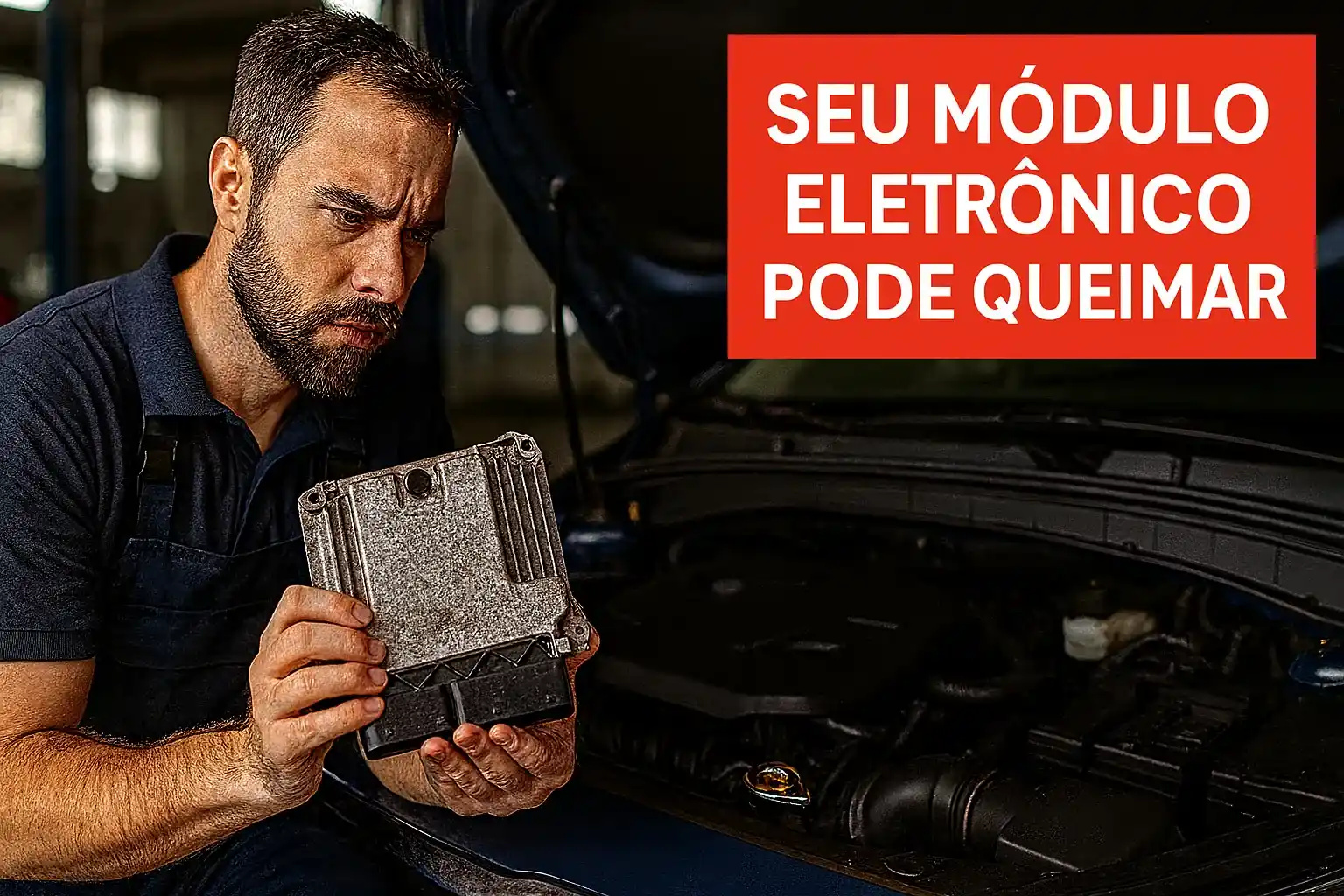
Few people imagine, but the cheap rear sensor can be the gateway to a huge loss. The part, which seems harmless for costing between R$ 30 and R$ 80 on popular websites and auto parts, can overload the car’s electrical system and even burn the electronic module, whose repair easily exceeds R$ 4,000. This scenario is happening in popular and compact cars, precisely because many drivers fall into the temptation of immediate savings, without realizing the hidden risks.
Cheap Rear Sensor and the Invisible Dangers
When a cheap rear sensor is installed without quality manufacturing or without Inmetro certification, it can generate current variations and even short circuits. These electrical spikes directly affect the electronic control unit (ECU), which controls fuel injection, transmission, ABS brakes, and practically all systems in the car. The warning is not alarmism: according to the Brazilian Automotive Engineering Association (AEA), up to 60% of electrical failures in recent cars are related to adaptations of low-quality parallel components.
The electronic module is sensitive to minimal variations, and a simple short circuit can compromise its functioning. In some cases, the car might start, but shows intermittent failures that confuse mechanics and further increase diagnostic costs.
-
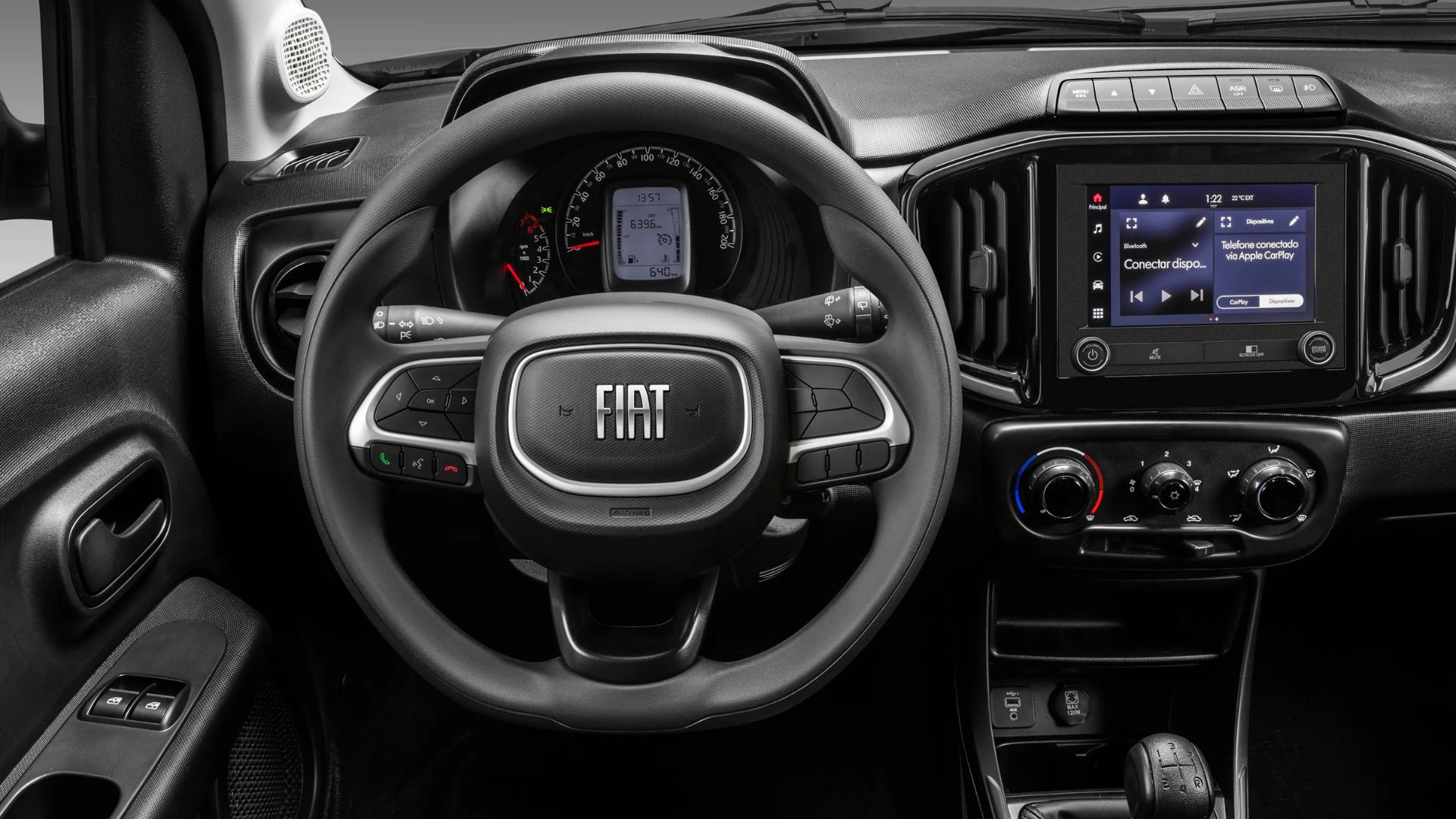
With a 1.0 engine producing 75 hp and costing less than R$ 70,000, Fiat’s car returns to the podium as the cheapest in the country; a temporary promotion for the 2026 Like version reduces the price of the Fiat Mobi.
-
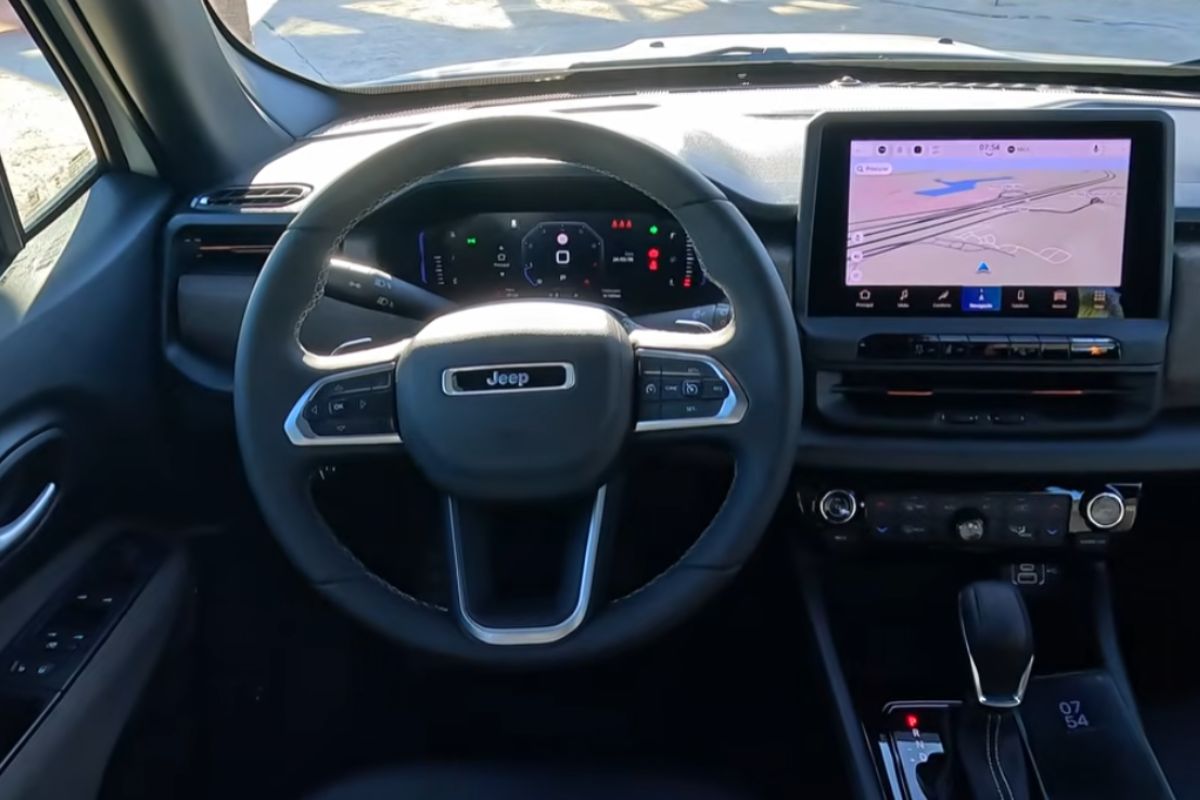
With a mild hybrid system of 48 V, 176 hp and a price of R$ 175,990 in the Sahara version, the new Jeep Renegade changes mostly on the inside, improves slightly in fuel consumption, and remains almost the same car.
-
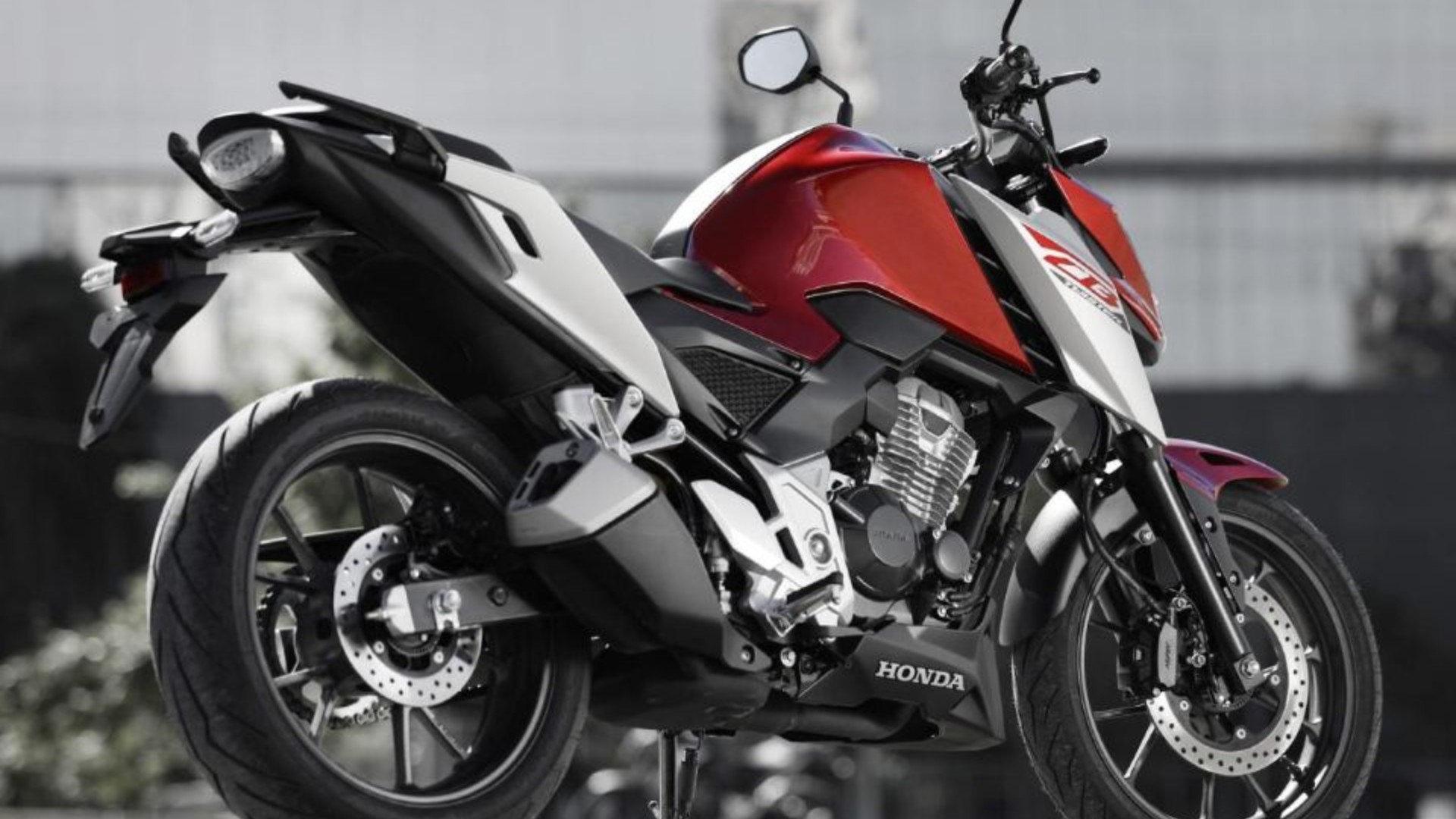
With a 293.5 cm³ engine and a range of up to 400 km with a 14.1-liter tank, the Honda CB 300F Twister 2026 has up to 24.7 hp, an initial price of R$ 25,150, and already exceeds R$ 29,000 in the Fipe Table.
-
With a 1.3 engine, nearly 700 km of range, and Turbo 200, the Fiat model surpasses Polo, Tera HB20, and Onix, becoming the best-selling car in March; see the numbers for the Fiat Strada and others.

How to Identify Risk Signs in the Car
A vigilant driver can notice some symptoms before reaching total failure. Among the main signs are:
- Flashing Lights on the Dashboard – an indication of voltage drop or communication failures in the ECU.
- Burning Smell in the Cabin or Near the Trunk – may come from wiring heated by the defective sensor.
- Intermittent Failures in Reverse – the sensor sometimes works, sometimes it doesn’t.
- Frequent Blown Fuse for Reverse – a clear sign of electrical overload.
- Difficulties Starting the Car – when the failure has already reached the electronic module.
The Real Impact of a Burned Module
A burned electronic module is not just a technical problem: it is a hit to the wallet. Specialized workshops report that the average cost of replacing the module in compact cars ranges between R$ 3,500 and R$ 6,000, depending on the model. According to a survey by the Sindirepa-SP (Union of Vehicle Repair Industry), 70% of ECU failure cases handled in independent workshops originate from poorly executed electrical installations or use of low-quality parallel components.
This cost could be avoided if the driver invested in approved parts and installation services done by trusted professionals. The cheap option, once again, ends up being expensive.
Safe Alternatives to Avoid Problems
If you are considering installing or replacing the rear sensor, follow some simple steps that increase your safety:
- Prefer parts certified by Inmetro or original factory parts.
- Check if the product offers protection against voltage variation.
- Request an invoice and warranty from the supplier.
- Never allow installations to be done with makeshift wire splices.
- Look for workshops with a positive reputation, avoiding makeshift solutions in parking lots or places without proper structure.
Why the Cheap Sensor Attracts So Many Drivers
The answer lies in the wallet: many owners of popular cars seek quick solutions for parking problems and end up prioritizing only the price. However, a cheap rear sensor can turn into a ticking time bomb. Additionally, installations done without relays, fuses, or appropriate protection pave the way for shorts that affect not just the sensor but the entire electronic system of the car.
Experienced mechanics state that in some cases, the car does not show clear symptoms until the failure in the electronic module is irreversible. And when it reaches that point, it is useless to only replace the sensor: the damage is already done.

Real Stories That Reinforce the Alert
Imagine a driver who spent R$ 50 on a parallel sensor, installed by a neighbor electrician. After a few months, the car began to intermittently light the injection warning light. Shortly after, it wouldn’t start anymore. The diagnosis? Burned electronic module. The solution cost R$ 4,800, nearly one hundred times the price of the initial accessory.
Cases like this are repeating in workshops across the country and are becoming increasingly common as the supply of low-cost parallel parts on the internet grows.
The Future of Cars and the Final Alert
With cars increasingly dependent on electronic systems, the risk grows. The cheap rear sensor is just one example: any low-quality parallel component can compromise everything from the multimedia system operation to the airbag. The issue is not just about savings but also about the safety and reliability of the vehicle.
Anyone driving a popular car and thinking about cutting costs needs to assess whether it is worth risking the electronic heart of the vehicle to save a few dozen reais. After all, a burned module is not just a high expense, but it can also place the driver in risky situations amidst traffic.
Keyword: burn electronic module
Meta Description: Avoid falling into the trap of the cheap rear sensor. See 5 signs that may lead to burning the electronic module in your car.










Seja o primeiro a reagir!