Portuguese
  Spanish


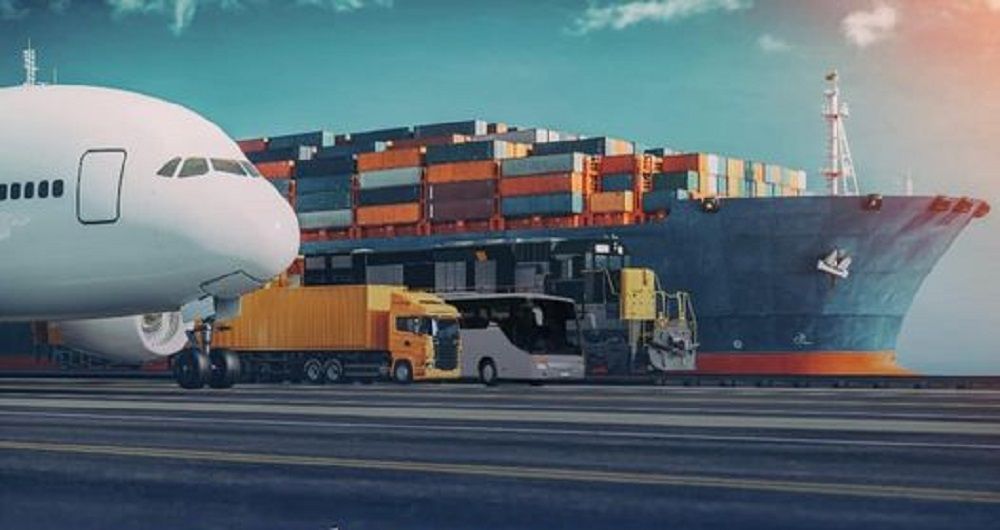

A Survey Conducted with Major Companies in the Transportation Sector Showed That There Is Optimism for Recovery, But Many Fiscal Challenges Still Remain
Economic indicators, especially in the transportation sector, suggest that Brazil is leaving behind the worst phase of the COVID-19 outbreak, but will have to deal with fiscal challenges.
For the first time in three months, job losses in the transportation sector, heavily impacted by social distancing measures, did not increase. Some companies even laid off fewer employees, according to a survey presented on Monday (14) by the National Transportation Confederation (CNT).
The survey found that 35.9% of respondents expect a recovery in revenues in 2021.
-
Brazil to Issue “Panda Bonds” in China, Aiming to Raise Up to 5 Billion Yuan at Lower Interest Rates Than Dollar Debt
-
NATO Faces Internal Tensions as U.S. Pushes for Increased Defense Spending, Targeting 5% of GDP by 2035, with Warnings for Countries Near 2% Level

-
Brazil to Introduce B16 Diesel with Increased Soybean Oil Content for Trucks by 2026
-
Brazil’s July Bolsa Família Payments May Include Extra $150 and $50 for Families with Children, Pregnant Women, and Updated CadÚnico Registration


“The results of this survey show that transportation companies are committed to the resumption of economic activity in the country, even indicating a potential recovery of some of the jobs lost during the pandemic,” said the president of the CNT, Vander Costa, during the presentation of the study.
Costa highlighted the importance of extending the payroll tax relief.
Of the companies consulted by the CNT, 67.4% reported suffering losses during the pandemic. Meanwhile, 52.5% of respondents believe it will take at least a year before pre-pandemic demand returns, while 8.5% said their company will never see pre-pandemic revenue levels again.
ECONOMY
The IBC-Br index from the central bank, considered a proxy for broader gross domestic product, rose 2.15% in July compared to June, marking the third consecutive monthly increase, according to data published on Monday.
The economy appears to have fared better than others overall, but fiscal risks have increased.
“Brazil’s superior performance so far can be attributed, to a large extent, to quick and decisive political responses, which helped mitigate the impact of social distancing measures on household spending (retail sales returned to pre-coronavirus levels as early as June), but due to the government’s fiscal constraints, this cannot be sustained for much longer,” said Mizuho Bank’s chief strategist for Latin America, Luciano Rostagno, in a research note.
“This means that the ongoing economic recovery will inevitably slow down in the coming quarters, and Brazil will still have to deal with its fiscal issues,” he added.