





 English
  Francês
  Alemão
  Italiano
  Japonês
  Norueguês
  Portuguese
  Spanish
  2 min of reading


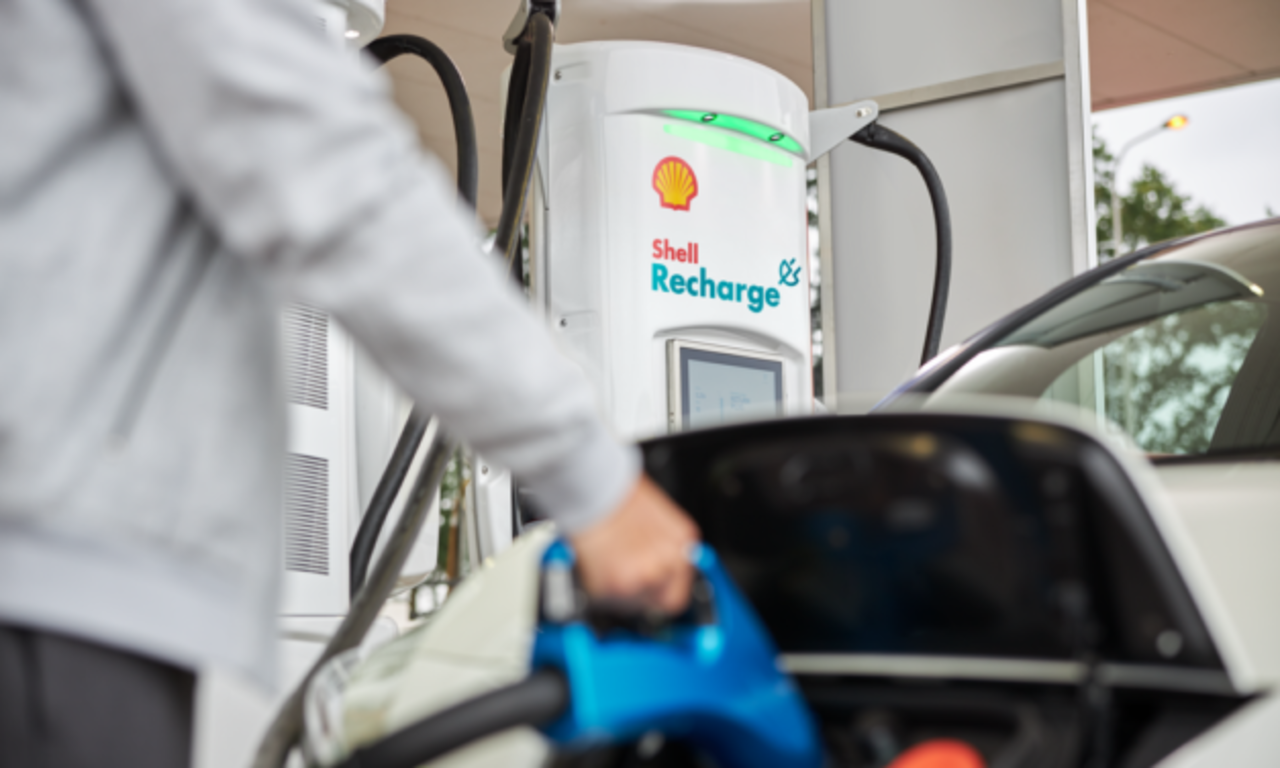
Shell Closes New Contract With Electric Car Charging Station Company and Claims That ‘Electric Cars Are the Future’
The new contract in the electric car segment proves that Shell, which is already developing solar energy projects, no longer intends to keep all its eggs in the basket it has bet on since its founding, 113 years ago. And the change is happening quickly. The plan is for the acquisition of Ubritricity to be completed by the end of this year.
Also Read
Shell Invests in Electric Car Technology
The acceleration of the vehicle electrification process in major global markets can be measured by an important piece of news from Monday, the 25th: Shell intends to purchase the German company Ubitricity, one of the largest electric car charging service providers in Europe.
Ubitricity already has approximately 4,200 charging points on the streets of Germany, France, and the United Kingdom, and the negotiation with Shell is expected to heat up the competition in this market, which has gained even more momentum after the United Kingdom revealed that it would ban the sale of combustion engine vehicles by 2030 — and there alone, the German company has nearly 2,000 points or 13% of the market.
-
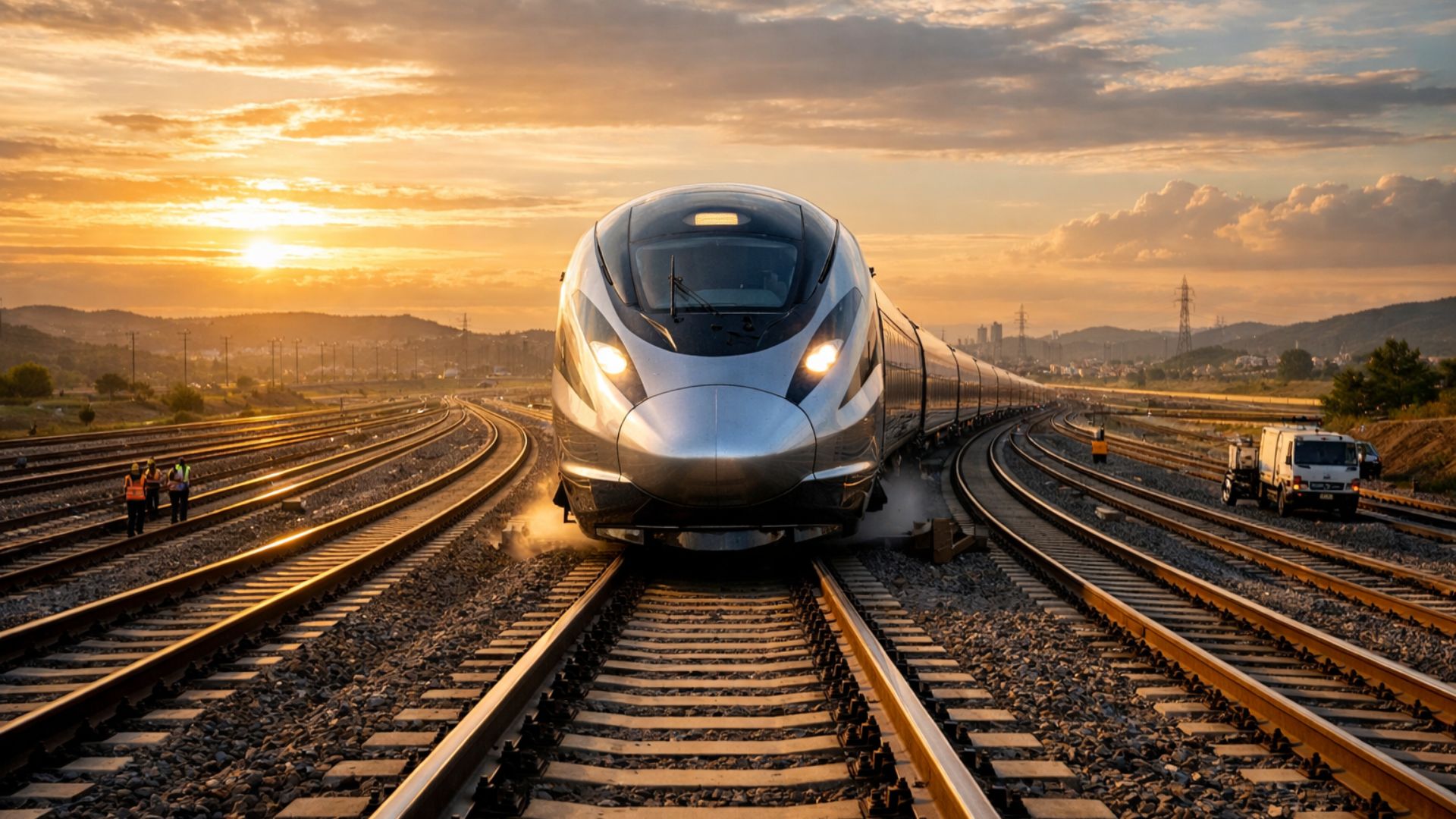
São Paulo surprises the world with a colossal railway network project that promises over 1,000 km of tracks, R$ 194 billion in investments, and 40 projects connecting the capital to the interior with fast and sustainable trains.
-
The world’s largest escalator, measuring 905 meters in China, reduces urban travel time from 1 hour to about 20 minutes and transforms mobility in mountainous regions with an engineering solution adapted to the terrain.

-
A R$ 300 million logistics giant is taking shape in Serra with over 100,000 m² and raises a question: how can this transform e-commerce and distribution in the state?

-
Could Uber Rides Lose Minimum Fare? Understand What’s Happening!


Monopolization of Electric Cars
The contract is expected to accelerate the race to monopolize the electric car charging market, which is gaining pace among energy companies due to the United Kingdom’s plan to ban fossil fuel-powered vehicles by 2030.
István Kapitány, head of Shell’s global mobility business, commented that Ubitricity’s work with local authorities in Europe to integrate chargers into the streets (like lamp posts) would help make it more convenient for people to have an electric vehicle.
“Whether at home, at work, or on the road, we want to provide our customers with affordable EV [electric vehicle] charging options so they can charge no matter where they are,” the president concluded.








Seja o primeiro a reagir!