





 Portuguese
  English
  Spanish
  2 min of reading
  0 comments


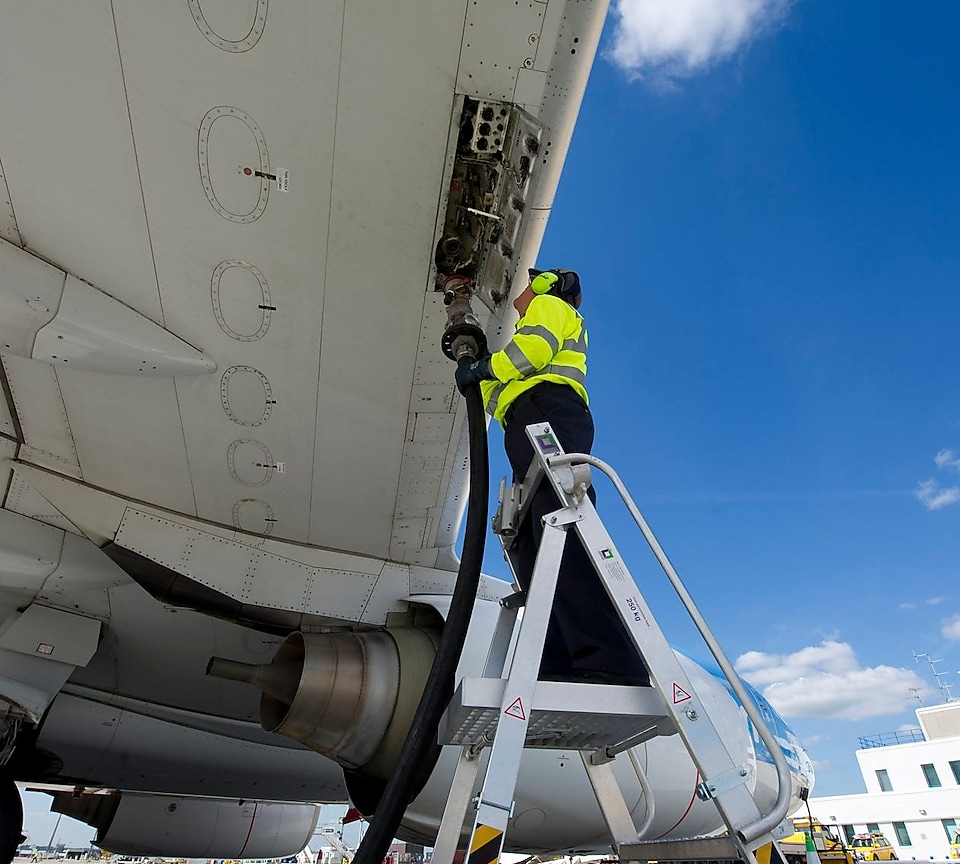
Shell Prepares Sustainable Aviation Fuel Production, With Much Lower Carbon Emissions
Shell, a global oil giant, is yet another company concerned about climate change and the impact of its actions on the environment. Today, companies and governments around the world have plans to reduce carbon emissions in the atmosphere. With that in mind, Shell aims to produce low-carbon aviation fuel by 2025.
Aviation accounts for 3% of all carbon emissions on the planet; however, modernizing it is neither easy nor inexpensive. There are few technologies available for jet engine fuels, driving up costs. Therefore, Shell’s ambitious project as a global oil giant is highly significant.
The global oil giant plans to produce 2 million tons of aviation fuel by 2025. This figure represents a tenfold increase in aviation fuel production today.
-
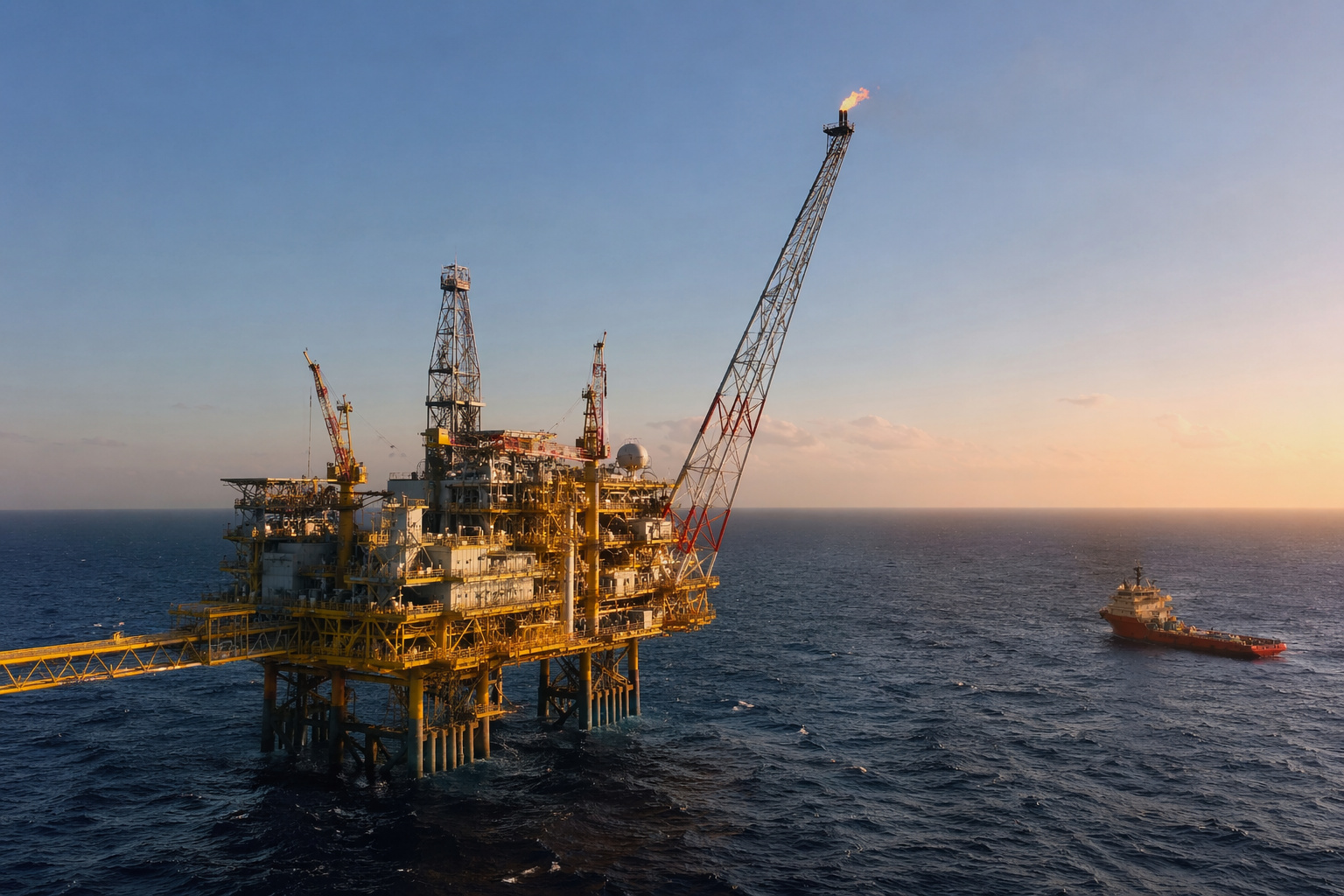
The next exploration auction in the pre-salt will offer 23 blocks in the Campos and Santos basins and may change the interest of oil companies in Brazil.
-
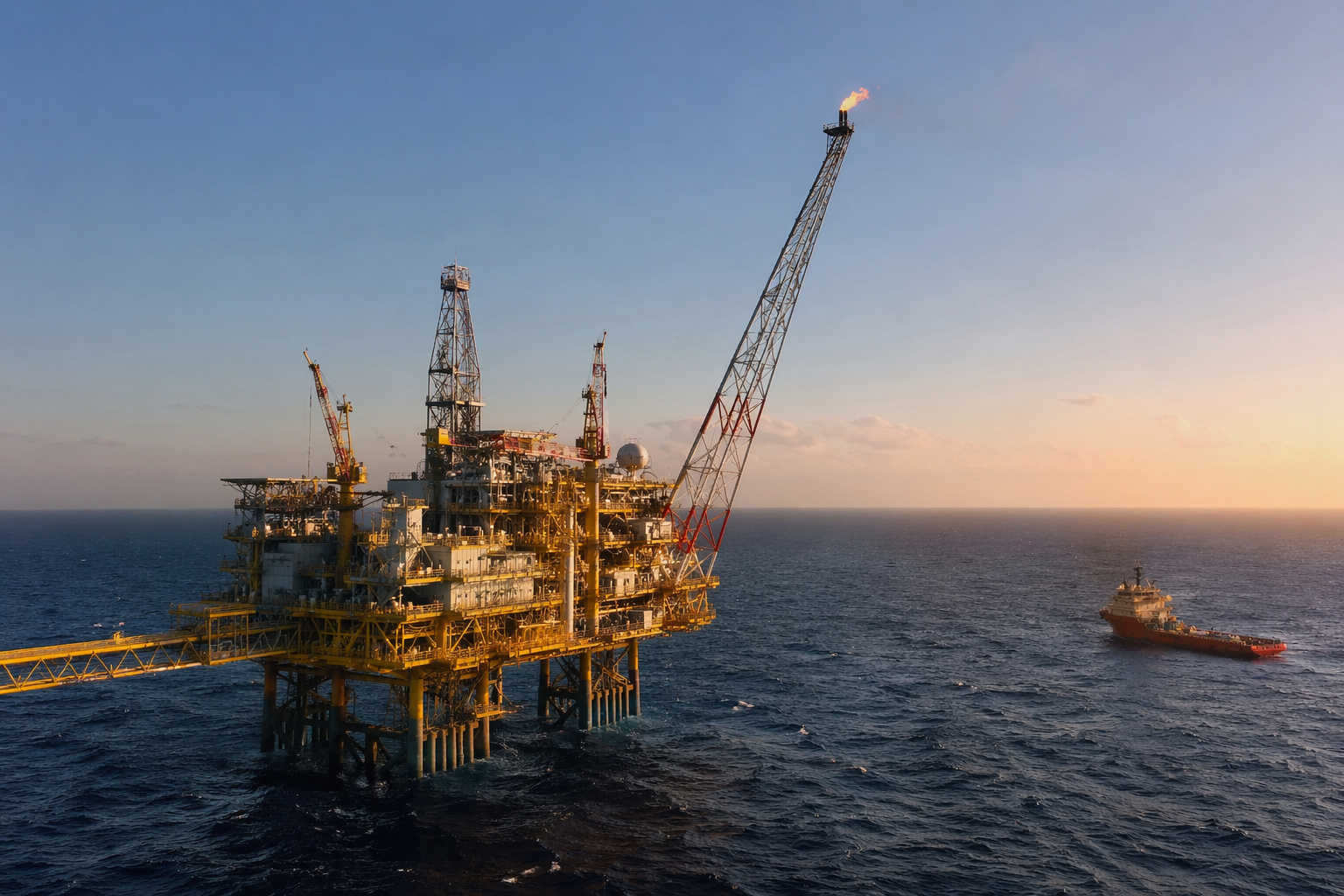
The next exploration auction in the pre-salt will offer 23 blocks in the Campos and Santos basins and could change the interest of oil companies in Brazil.
-
Red Sea, from biblical site to oil hope: South Korea reveals ambitious plan to create new oil routes through the Red Sea with the dispatch of 5 ships, agreements with 3 countries, and a focus on the strategic port of Yanbu.

-
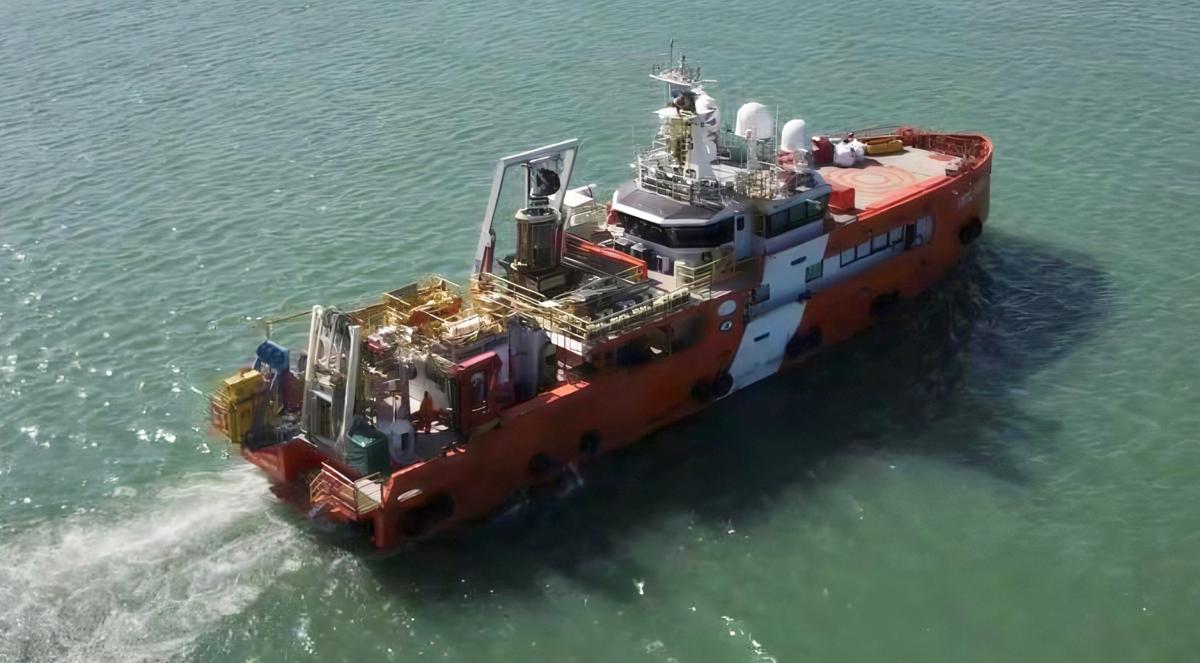
SISTAC expands contract with Petrobras for maintenance of platforms in the Santos, Campos, and Espírito Santo basins using ROV and specialized underwater operations.
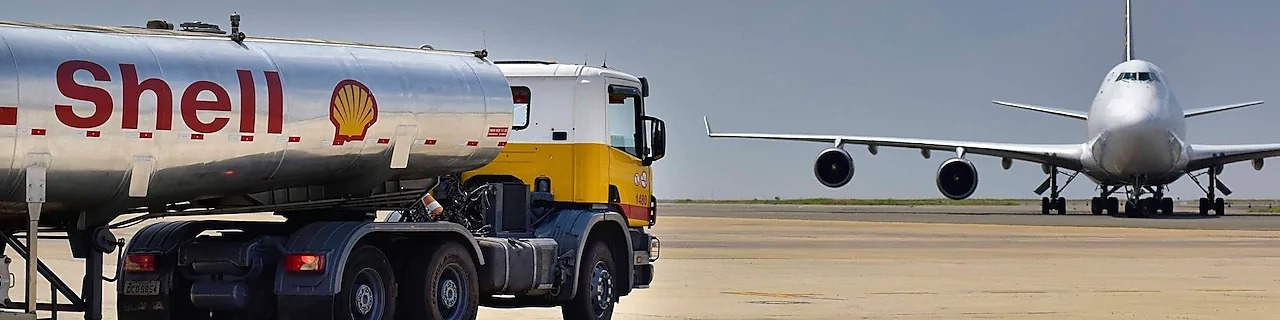
SAF is produced from natural fats, cooking oil, and plants. The final product has the capacity to reduce carbon emissions in the atmosphere by up to 80%, Shell assures.
Currently, Shell only supplies sustainable fuel produced by other companies. The global oil giant aims to produce a green fuel that can be mixed with conventional aviation fuel, without the need for changes in aircraft engines.
Currently, sustainable aviation fuel accounts for only 0.1% of global demand. Jefferies, an investment bank, reported that the demand for aviation fuel hit 330 million tons in 2019.
Sustainable aviation fuel still faces many challenges to gain traction in the international market. The main reason is the high cost of production, which is eight times more than traditional aviation fuel.










Seja o primeiro a reagir!