






 Portuguese
  Spanish


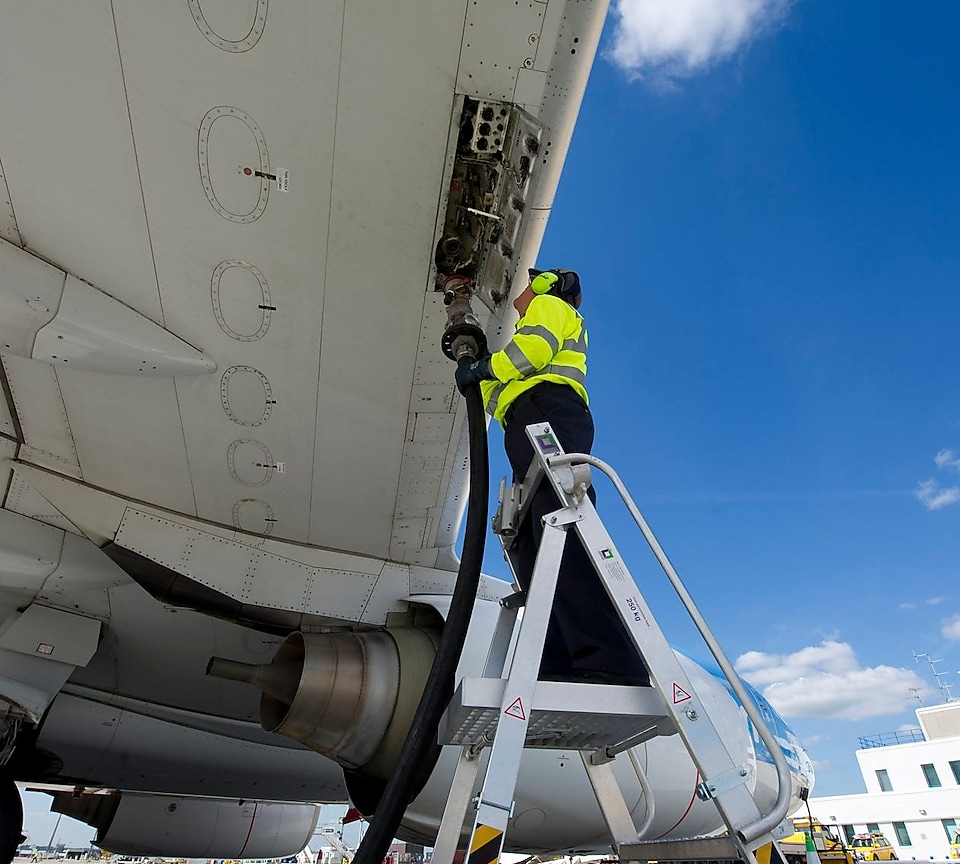

Shell Prepares Sustainable Aviation Fuel Production, With Much Lower Carbon Emissions
Shell, a global oil giant, is yet another company concerned about climate change and the impact of its actions on the environment. Today, companies and governments around the world have plans to reduce carbon emissions in the atmosphere. With that in mind, Shell aims to produce low-carbon aviation fuel by 2025.
Aviation accounts for 3% of all carbon emissions on the planet; however, modernizing it is neither easy nor inexpensive. There are few technologies available for jet engine fuels, driving up costs. Therefore, Shell’s ambitious project as a global oil giant is highly significant.
The global oil giant plans to produce 2 million tons of aviation fuel by 2025. This figure represents a tenfold increase in aviation fuel production today.
-
Petrobras to Double Natural Gas Supply in Northeastern Brazil with New Investment

-
Petrobras Approves $1.2 Billion Refinery in Brazil to Produce Aviation Fuel and Diesel from Plants
-
Petrobras Secures $2.2 Billion Contract to Build and Operate Four Support Vessels for Brazil’s Offshore Oil Fields
-
Oil production grows in Rio, but reserve replacement raises a warning sign


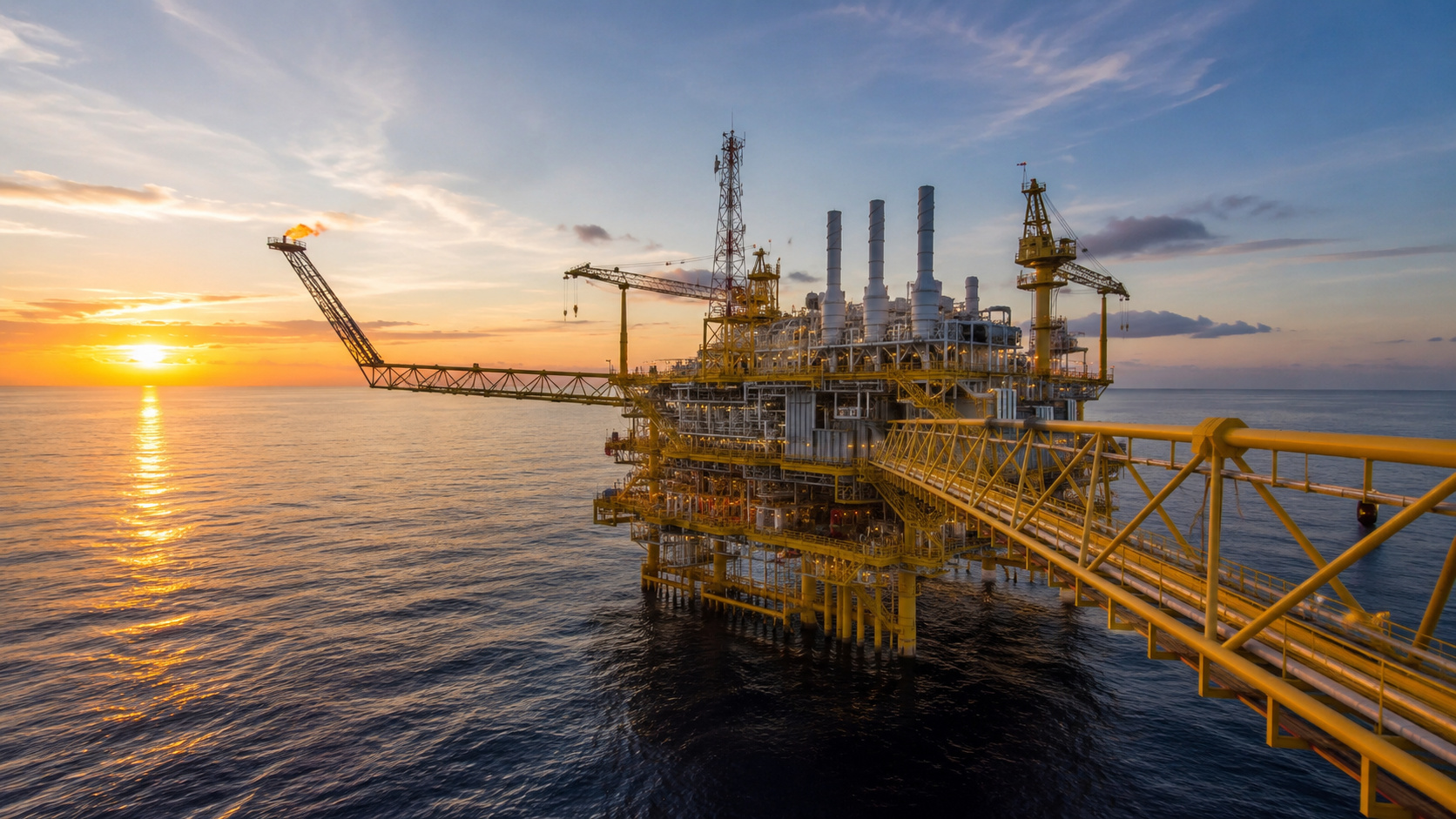
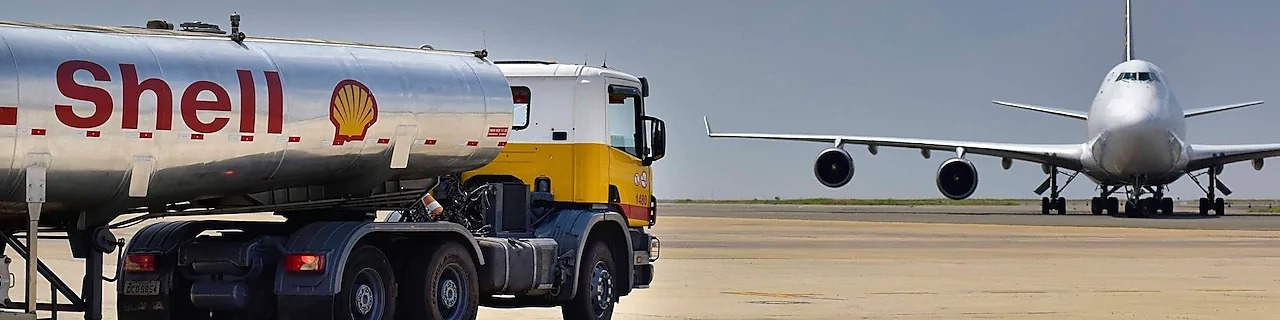
SAF is produced from natural fats, cooking oil, and plants. The final product has the capacity to reduce carbon emissions in the atmosphere by up to 80%, Shell assures.
Currently, Shell only supplies sustainable fuel produced by other companies. The global oil giant aims to produce a green fuel that can be mixed with conventional aviation fuel, without the need for changes in aircraft engines.
Currently, sustainable aviation fuel accounts for only 0.1% of global demand. Jefferies, an investment bank, reported that the demand for aviation fuel hit 330 million tons in 2019.
Sustainable aviation fuel still faces many challenges to gain traction in the international market. The main reason is the high cost of production, which is eight times more than traditional aviation fuel.


