The European Regulation Takes Effect in August 2026, While the Ban on Single-Serve Packets Advances to 2030 and Expands the Debate on Waste and Hygiene.
On August 12, 2026, the European Union will begin enforcing the new Packaging and Packaging Waste Regulation. The legislation establishes a series of changes aimed at reducing waste generation and increasing the use of reusable alternatives. Among the measures is a future restriction on small single-serve packets distributed in restaurants.
The specific change for packaging of ketchup, mayonnaise, mustard, sauces, and sugar is set to begin on January 1, 2030. This topic is also drawing attention for another reason. A study conducted by the Federal University of Rio de Janeiro (UFRJ) in 2011 found fungi and bacteria on the external surface of packets analyzed in commercial establishments.
The Ban on Single-Serve Packets Is Part of a New Packaging Policy by the European Union
The new European regulation aims to reduce unnecessary packaging and expand reusable solutions. According to the European Commission, the European Parliament, and the Council of the European Union, certain disposable packaging will face restrictions within this process.
-
Rio de Janeiro transforms a 130-hectare farm into a gigantic open-air laboratory to reconstruct the Atlantic Forest and protect the golden lion tamarin.

-
In California, the term “expiration date” is starting to disappear from food; new law changes millions of packages, aims to reduce the waste of 6 million tons of food per year, and could influence the entire U.S. market.
-
Farmer Revives Arid, Abandoned Land in Brazil’s Bahia into Thriving Forest, Demonstrates How ‘Syntropic Agriculture’ Can Transform Rural Futures
-
Study Reveals 40% of Brazilians Unaware of Circular Economy, Highlighting Challenges in Sustainable Transition and Recycling Expansion



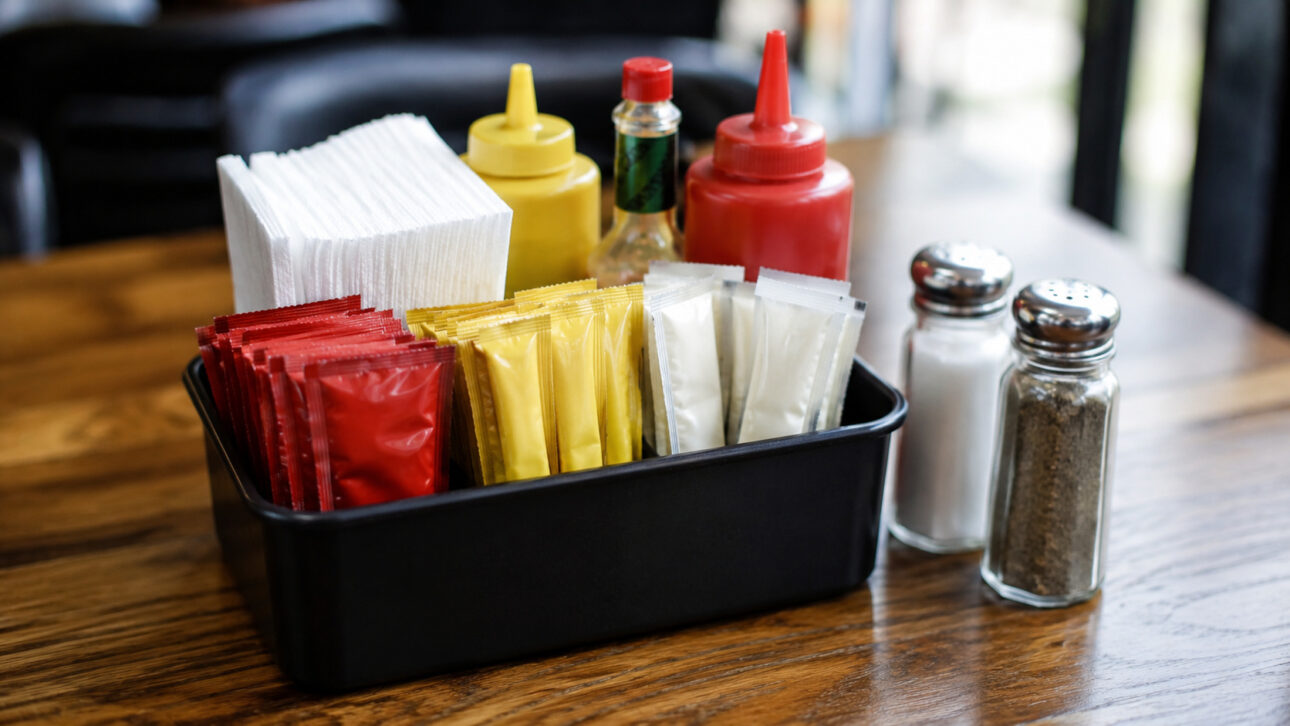
Single-serve packets used to serve condiments in restaurants are among the formats affected by the rules set for 2030. This measure includes small portions of sauces, creams, and sugar offered for consumption within establishments.
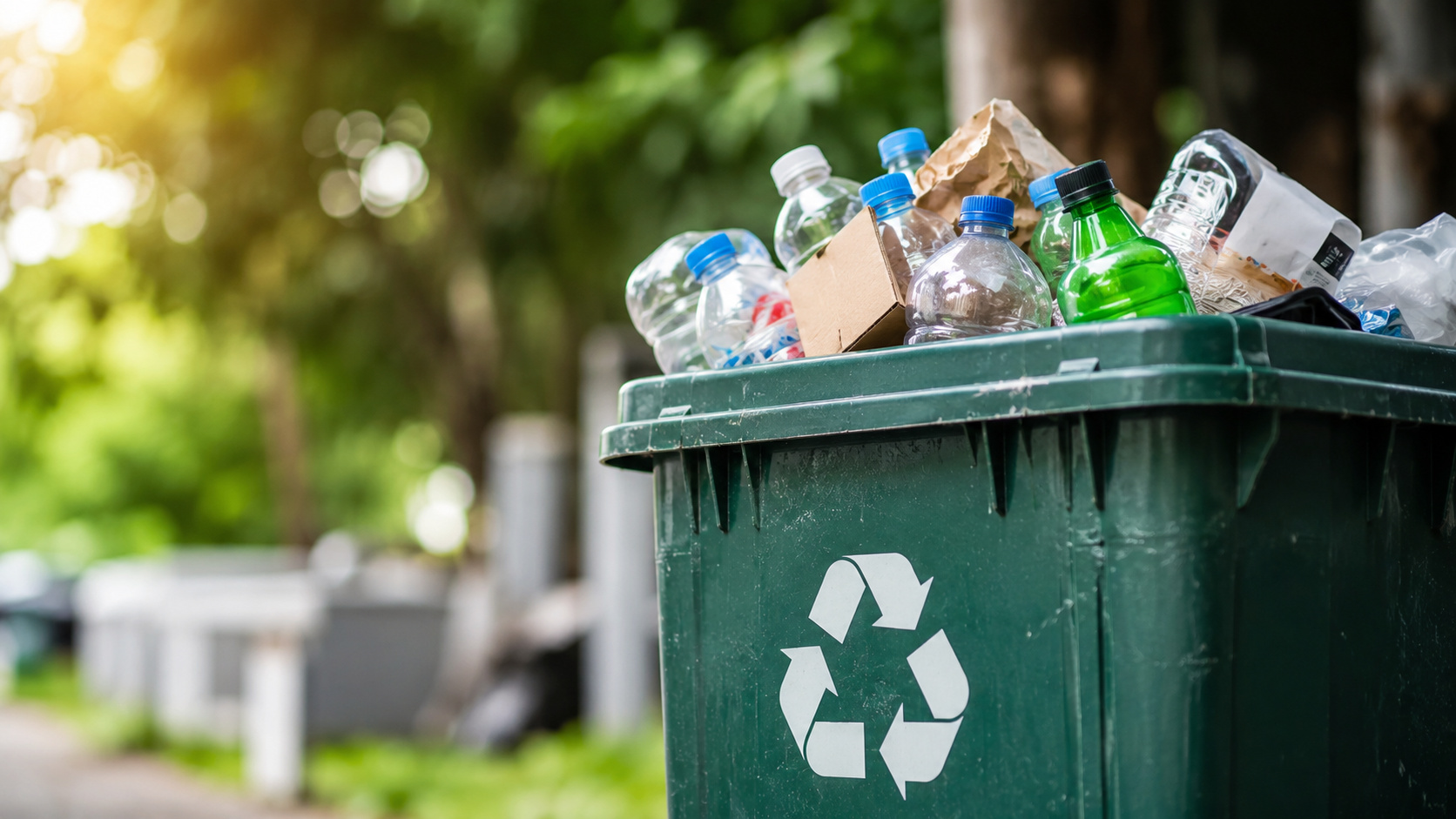
The goal is to decrease the amount of waste generated after very brief usage. Although small, these containers are discarded immediately after meals and can present recycling difficulties due to the combination of materials used in their manufacturing.
Small Packets Create Recycling Challenges and Increase the Volume of Disposable Waste
The small size of these packages does not eliminate their environmental impact. Many packets are made from different layers of plastic and other materials, a feature that can complicate the recycling process and make it economically unattractive.
A significant portion of this waste may end up in landfills, dumping sites, rivers, or oceans after consumption. Therefore, replacing them with reusable containers emerges as one of the possibilities to reduce the amount of discarded packaging.
Dispensers for ketchup, mayonnaise, and mustard are among the alternatives. Restaurants can also provide condiments only when requested or use small reusable containers with the necessary amount for each customer.
Study by UFRJ Found Fungi and Bacteria on the External Surface of Sachets
The discussion surrounding these packaging types involves more than just the environment. In 2011, the Food Microbiology Laboratory at the Federal University of Rio de Janeiro analyzed 285 sealed packages collected from commercial establishments.
The results released during that time indicated fungi on more than 70% of the analyzed external surfaces and bacteria on approximately 82% of the packages. More than 10% also showed the presence of fecal coliforms on the exterior.
The survey did not indicate contamination of the product stored inside the sachets. The analysis focused on the external packaging, which undergoes transportation, storage, and various handling stages before reaching the consumer.
Transportation and Handling Help Explain the Presence of Microorganisms on Packaging
Sachets go through various environments before being placed on tables and countertops. Along this journey, the packaging may pass through distribution centers, storage areas, transport boxes, and different individuals’ hands.
This process aids in explaining why the external surface can accumulate microorganisms. The contents remain protected by the sealed packaging, while the part the consumer touches is exposed to the conditions encountered during storage and distribution.
This finding adds a hygiene issue to a debate already involving waste and pollution. Thus, the replacement of sachets also requires attention to the cleaning procedures of reusable containers.
Brazil Still Lacks a National Ban Equivalent to the European Regulation
In Brazil, there is no federal prohibition equivalent to the European restriction on individual sachets. Nevertheless, establishments can already replace these packaging types with dispensers or provide sauces only when requested by consumers.
This scenario recalls previous discussions involving other disposable plastics, such as straws. Such changes may also require adaptations from restaurants, primarily due to costs and the need for proper sanitation of the new containers.
In the European Union, the timeline is already set. The new regulation is set to take effect in August 2026, while the specific restriction on individual sachets in restaurants is scheduled for January 2030, placing ketchup, mayonnaise, sauces, and sugar at the center of a significant shift in how condiments are served.