Portuguese
  Spanish


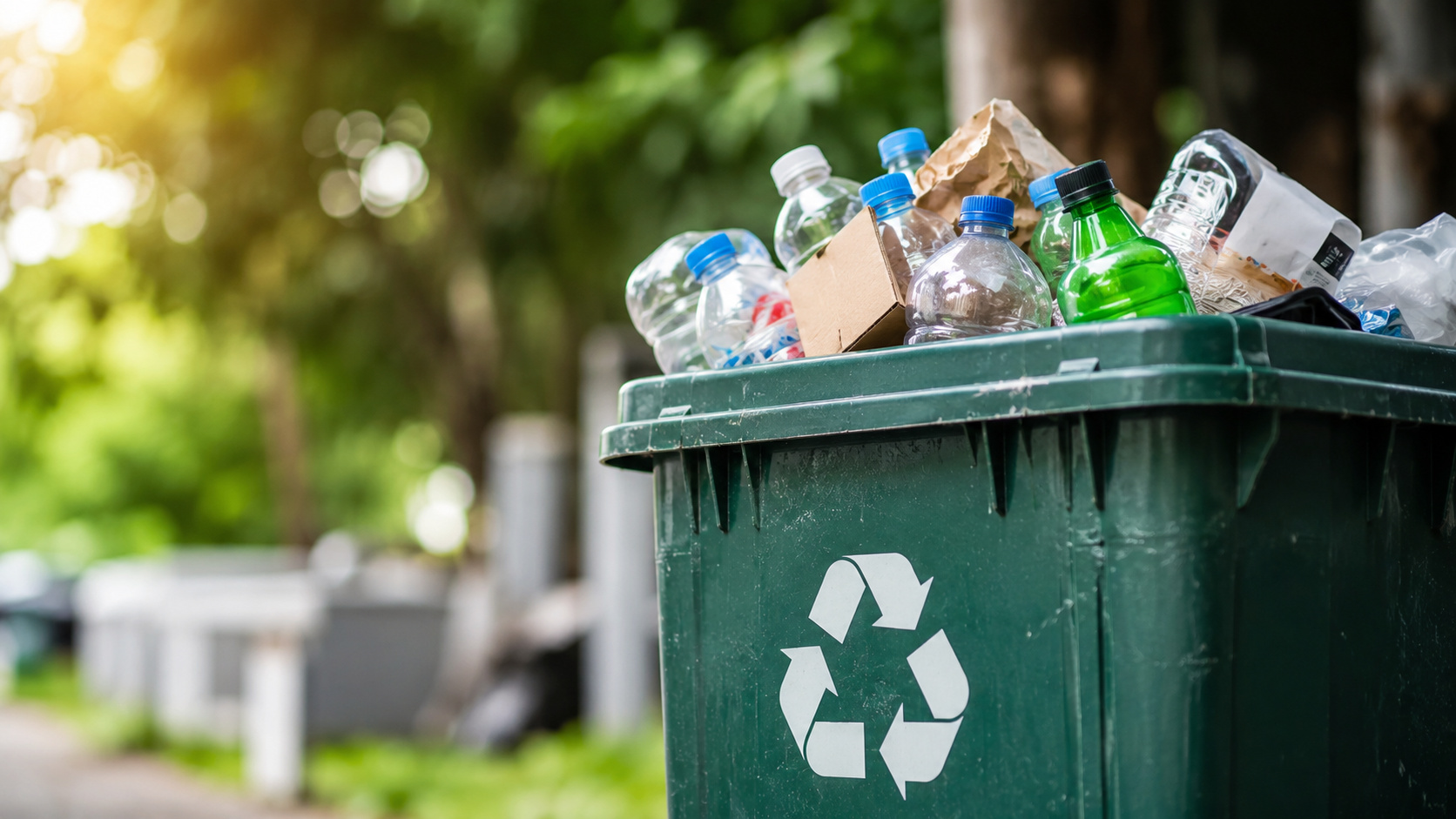

Understand why lack of knowledge about circular economy concerns experts and how sustainability, recycling, and conscious consumption impact Brazil.
A survey published by Movimento Plástico Transforma in partnership with Instituto QualiBest on July 2 reveals a challenging scenario for the future of development in Brazil: about four in ten Brazilians (39%) have never heard of the concept of circular economy.
This data raises an alert for the urgency to accelerate the ecological transition and expand recycling. The study indicates that, although the term has reached 57% of the population, the understanding is superficial, requiring new educational and corporate approaches.
The knowledge gap in circular economy
The global transition towards ecological development depends on a structural change in how we produce and consume. However, a survey commissioned by the Movimento Plástico Transforma to Instituto QualiBest, conducted between April 30 and May 8, 2026, with 834 people over 18 years old, shows deep gaps. It was found that, among the 57% who claim to have heard of circular economy, only 12% declared they actually know the concept well. The other 45% admitted they heard the term but lack operational details.
-
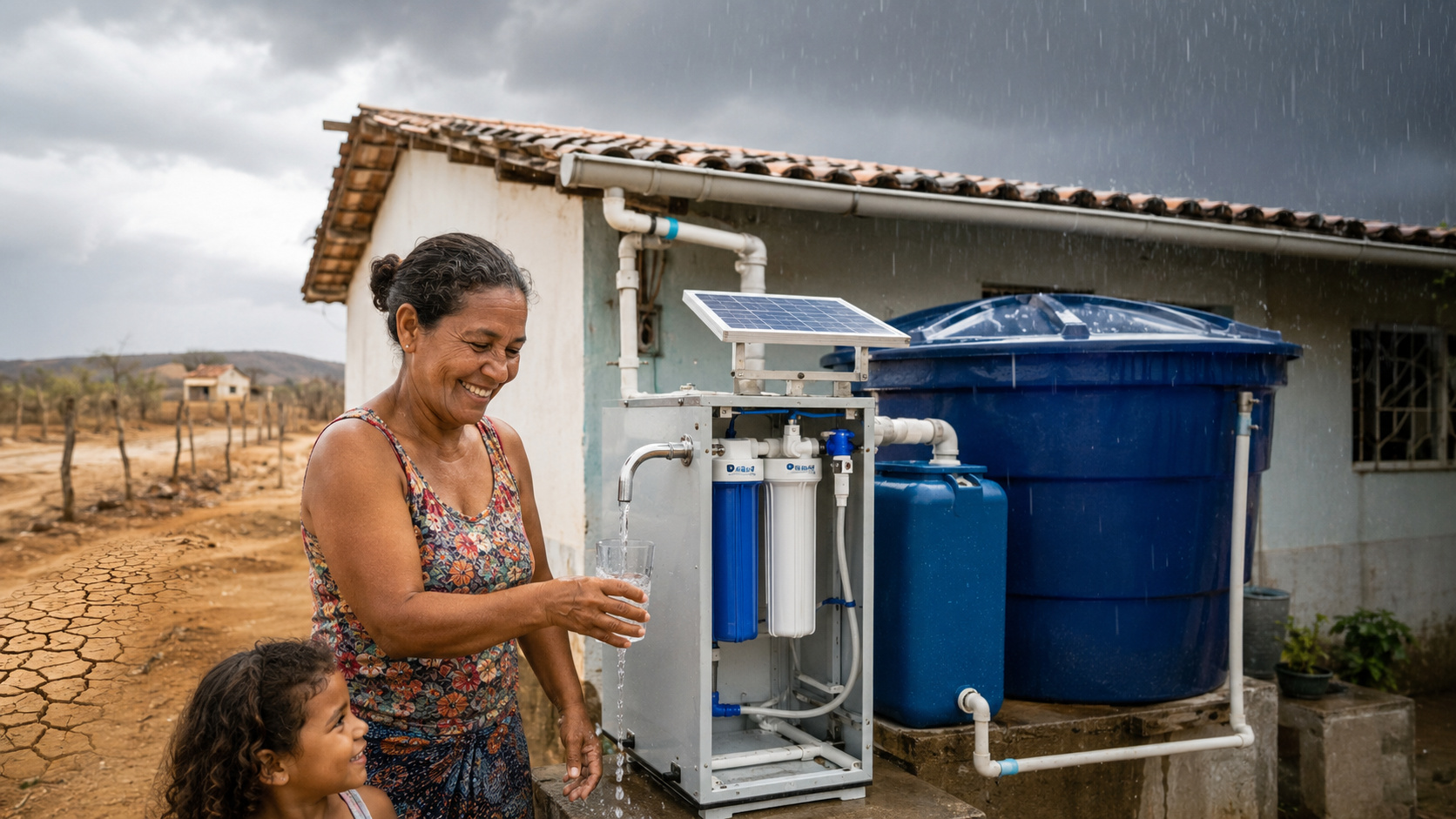
Brazilian Startup Converts Rain into Potable Water Without Chemicals, Surpasses 10 Million Liters, Joins $1.2 Million Project to Bring Simple Technology to Drought-Stricken Areas in Northeast Brazil

-
Brazilian Company Innovates with Treated Water Billing Model, Surpassing 10 Billion Liters and Offering Up to 40% Savings for Large Industries
-
Scientists Discover Antidepressants in Hammerhead Sharks, Revealing Hidden Path of Pharmaceuticals to Brazilian Waters
-
Warm water hidden deep in the ocean has been moving towards Antarctica for 20 years, potentially accelerating glacier melting from below.


Unlike the traditional linear production model — based on the immediate disposal of resources into the environment —, the circular economy proposes a regenerative alternative. It is based on strategic management, promoting the continuous reuse and reinsertion of inputs into the production cycle. In this context, disseminating the model is crucial for the corporate advancement of the country.


Sustainability and the division of responsibilities
The real advancement of the global sustainability agenda in the national scenario requires multiple and integrated efforts. The survey provided valuable data compared to the previous edition of 2025. For the overwhelming majority of respondents, proper management of the product life cycle is seen as an essential aspect of contemporary sustainability, being a shared responsibility.
The demand for government and business action has risen considerably compared to the previous year, recording increases of four and six percentage points, respectively. The responsibility for proper disposal was divided as follows by the respondents:
- 78% assign the role to the population itself;
- 63% point to the government’s duty;
- 55% directly hold the producing companies accountable.
Beatriz Geraldes, a member of the technical group of the Movimento Plástico Transforma, assesses that knowing the term superficially is insufficient. She advocates the urgency of deepening the topic in theory and practice to reverse this scenario of national ignorance.
The practical bottlenecks of urban recycling
The improvement of recycling rates in the national territory goes hand in hand with the clarity of information transmitted to the citizen. The study reveals that 55% of Brazilians have direct access to some form of selective collection in their homes or streets. However, a critical bottleneck was exposed: 11% of respondents perform internal sorting of their reusable materials but do not properly send them to official disposal points for recycling to occur fully.
Within this group that performs incomplete household separation, 63% admit that they end up delivering the reusable waste mixed with organic materials in the common garbage truck. On the other hand, 36% direct these clean inputs to autonomous collectors and cooperatives. The data reinforces that the act of efficient recycling requires an integrated and accessible municipal infrastructure.

Willingness for conscious consumption
Despite the theoretical ignorance of the circular concept, Brazilians show significant openness to assimilate the principles of conscious consumption. According to the 2026 survey statistics, the willingness to change purchasing and disposal habits is divided as follows:
- 74% have total voluntary willingness to radically change their habits with a focus on less waste generation;
- 23% stated they have no internal willingness to promote this change in behavior;
- 3% are still hesitant about the topic.
To convert this intention into practical actions of conscious consumption, experts point out that initiatives to expand knowledge should start early. Focusing informative investments in schools and the family nucleus through children and adolescents creates efficient vectors of organic communication with communities.
How to manage solid waste in cities and strengthen the circular economy
The correct disposal and treatment of solid waste make up one of the main legal pillars of waste guidelines. The effective application of reverse logistics was evaluated by the study. The majority of the Brazilian population (42%) declared having returned a post-consumer item at least once, mitigating the accumulation of urban solid waste, although only 14% perform the procedure frequently.
An encouraging fact is the high level of credibility in the system: 54% of Brazilians declared full confidence that clean and separated materials are indeed reprocessed by the solid waste industry. This high popular confidence contrasts with only 6% of explicit rejection or distrust, showing that Brazilians want to actively participate in the treatment.
The path to consolidate ecological goals
The research coordinated by the QualiBest Institute serves as an excellent diagnosis of the current moment. The urgency of expanding the circular economy is evident to mitigate climate crises and generate high-tech green jobs. However, without the massification of knowledge, operational tools lose effectiveness. The observed civil engagement indicates fertile ground for governments, schools, and industries to lead this transformation in a lasting way.
Ensuring that global guidelines become part of everyday life requires transforming intention into measurable action. By democratizing access to information and expanding urban systems in cities, the country gains market efficiency and reduces pressure on finite natural resources. Treating reused materials as a valuable economic asset is the missing step for Brazil to take the lead in the new low-carbon economy.