





 Portuguese
  English
  Spanish
  4 min of reading
  0 comments


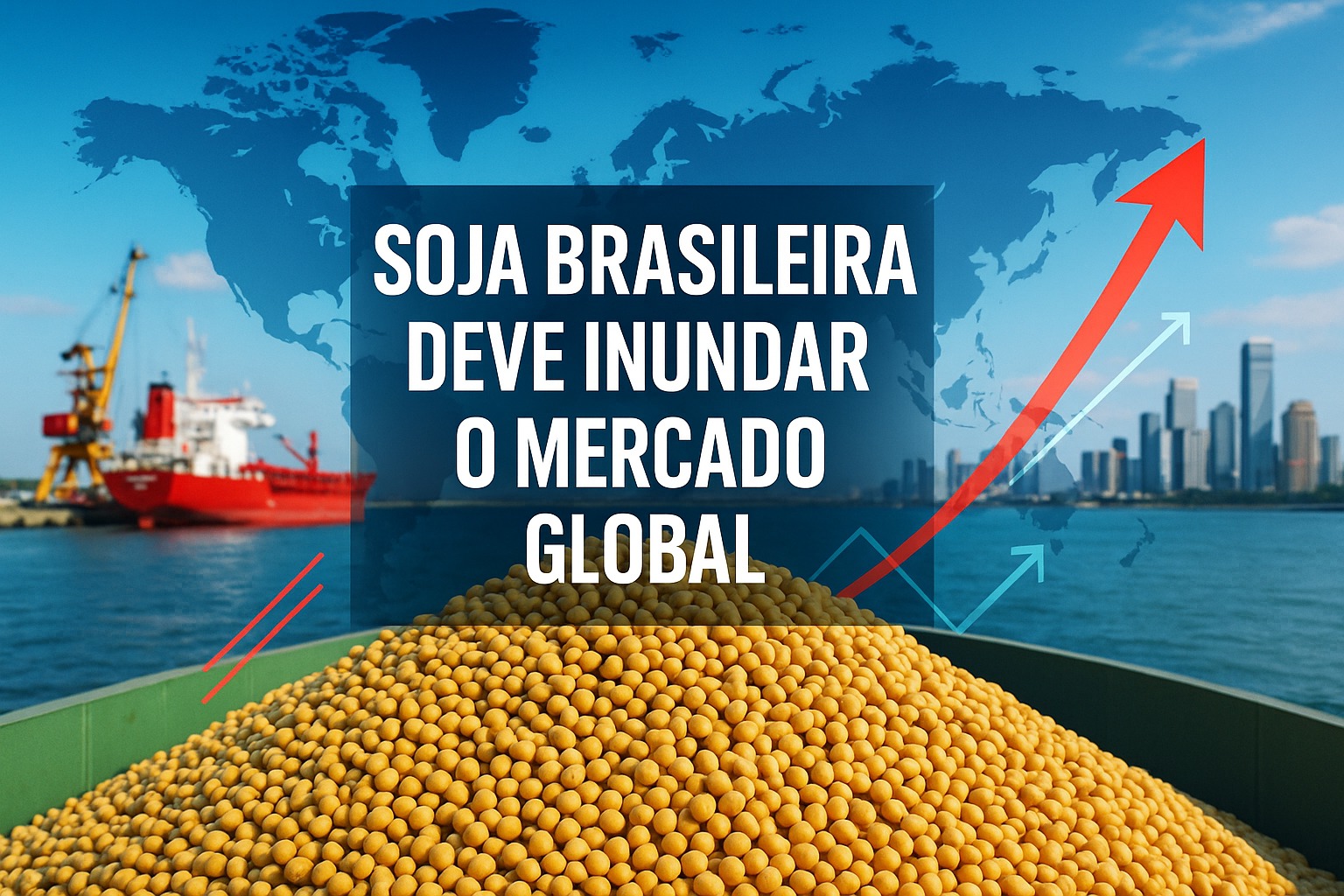
Brazilian Soy Is About to Flood the Global Market With Record Harvest of 177.7 Million Tons, While US Producers Suffer Losses and Lose Market Share in China
The soybean harvest in the United States faces a discouraging scenario. Prices remain close to recent lows, and so far, no cargo has been sent to China. This situation alone generates concern among producers.
But a new threat looms on the horizon: Brazil is preparing to expand its planting and, with that, further flood the international market.
According to information from the National Supply Company (Conab), the planted area in Brazil is expected to grow by 3.7% this season.
-
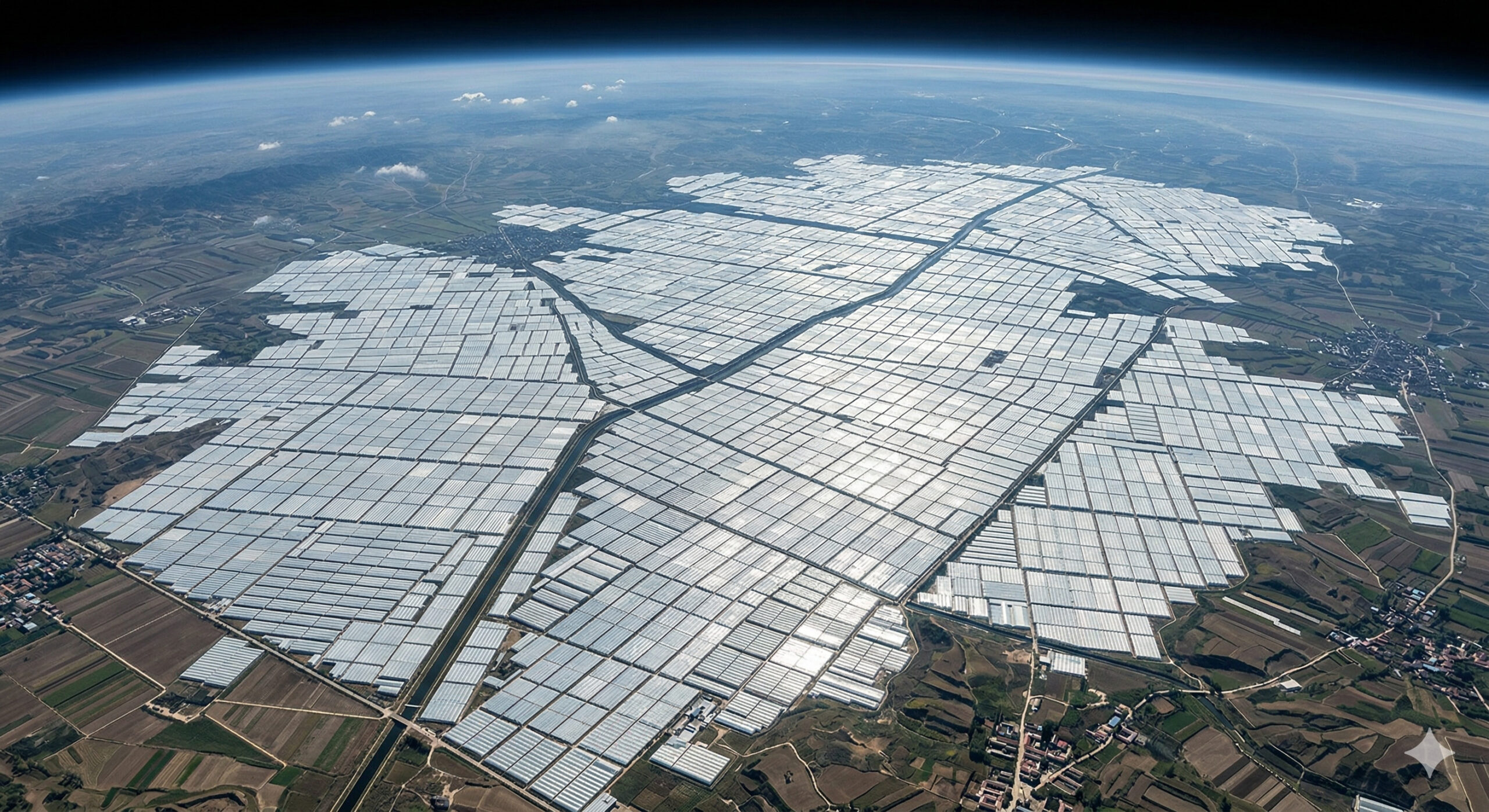
Seen from space, northern China reveals a “white city” of greenhouses covering more than 820 km² that has engulfed entire fields in just a few decades and formed the largest continuous cluster of covered agriculture ever mapped on the planet.
-
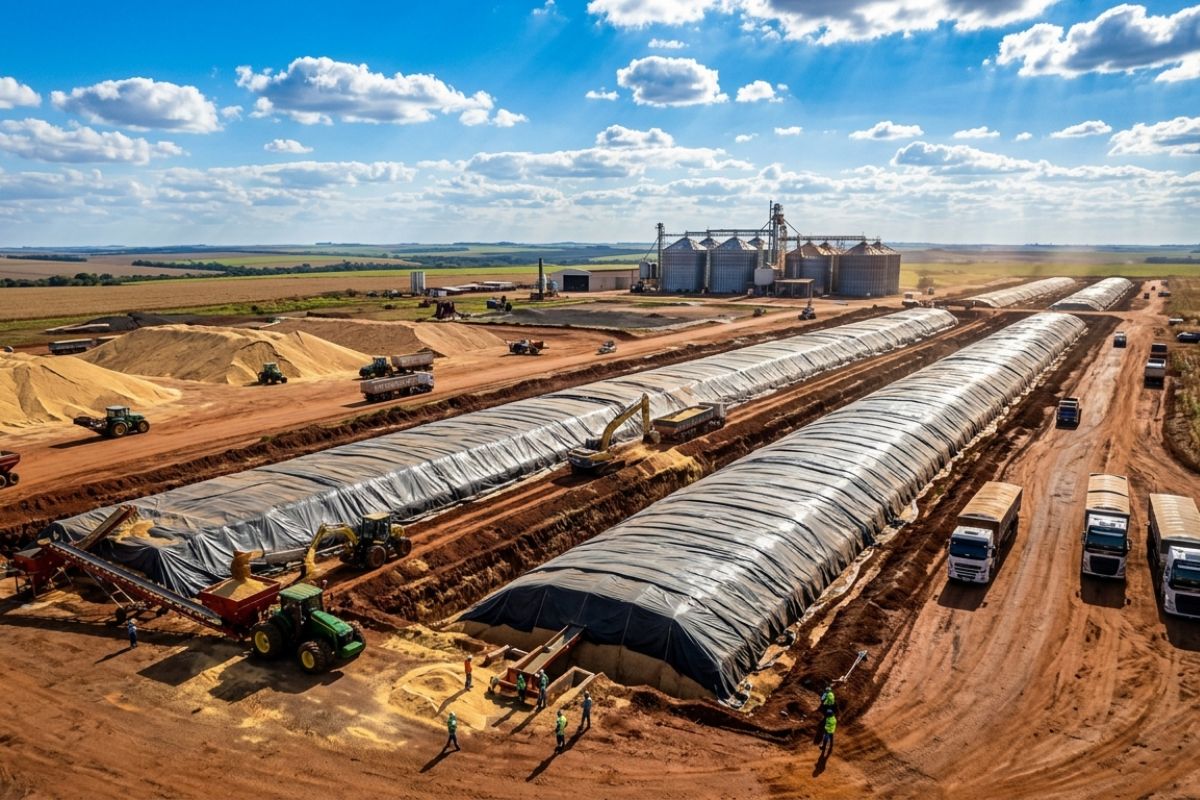
In Mato Grosso, Brazil creates a “subterranean empire” of grains: cheap hermetic trenches store millions of tons for up to 180 days, reducing freight, queues, and global risk in 2026.
-
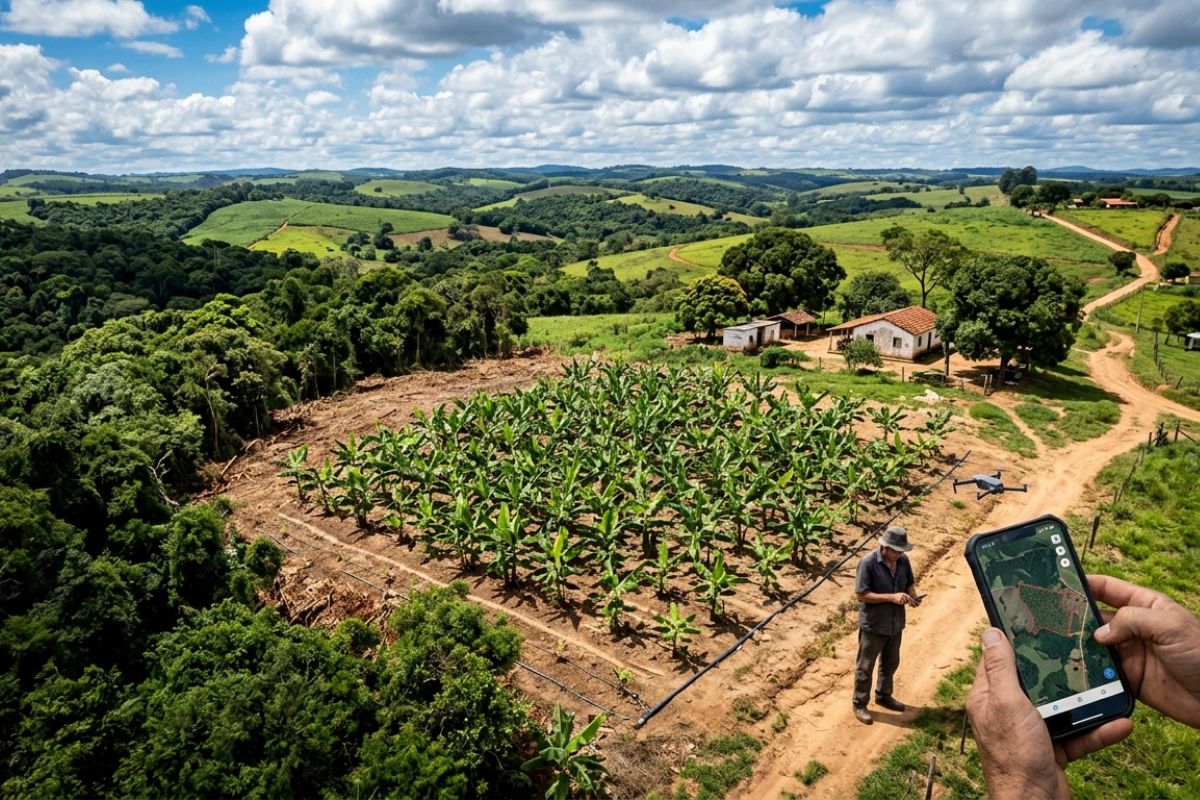
Cleared 2,700 m² to plant bananas and received a fine of R$ 31,600: satellite provided evidence, neighbor can report, and the video reveals the 5 mistakes that most harm producers in the field every day.
-
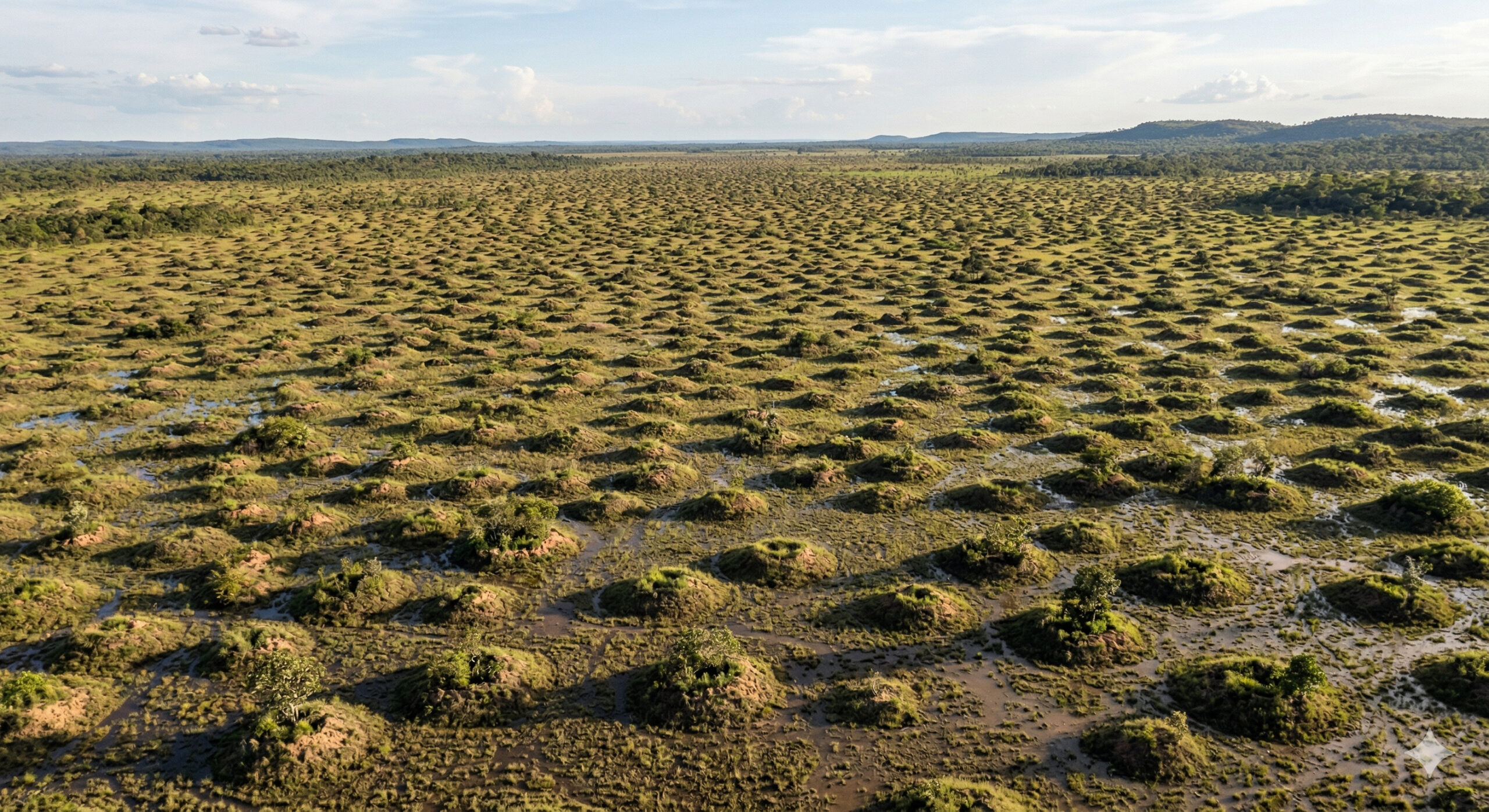
In the Brazilian Cerrado, the fields of murundus spread thousands of mounds up to 20 meters in diameter and over 1.5 meters in height in almost regular patterns over waterlogged soils, and the most accepted explanation points to termites reshaping the land for centuries until creating a landscape that looks drawn from above.
This increase corresponds to an additional 1.7 million hectares. It is the largest expansion in three years.
If the weather cooperates, production could reach the record level of 177.7 million tons.
Brazilian Soy Becomes Stronger
This advancement consolidates Brazil as the main competitor of the United States. China, the world’s largest buyer, has already prioritized Brazilian soy, mainly due to trade tensions between Beijing and Washington.
Therefore, the expectation of a new large harvest further reduces the need for Chinese processors to rely on American soy.
“With the trade war between the US and China, Brazil exported much more soy, which encourages producers to expand the planted area,” said Rafael Silveira, analyst at Safras & Mercado.
The comparison with the US helps to understand the contrast. American farmers have reduced planting to the lowest level since the start of the first trade dispute with China in 2019, during Donald Trump’s administration.
Impacts in the United States
Less acreage planted has helped relieve some of the pressure caused by the deviation of Chinese purchases. Still, the current scenario shows that the change in global demand is structural and not just temporary.
Faced with difficulties, the Trump administration has signaled again that producers may need official financial assistance.
For analysts, the loss of market share is concerning. “The US is just giving market share to Brazil, which is not good for us in the long run,” assessed Stephen Nicholson, global grains strategist at Rabobank in Missouri.
While Americans harvest, Brazil continues to ship substantial volumes. Only in the first half of September, 3.6 million tons were sent to China, according to the Alphamar agency. This represents a 68% increase compared to the same period in 2024.
Export Window
If Brazilian producers can plant on time, there will be soy available as early as January. This possibility increases the pressure on the United States.
“If China doesn’t buy anything from the US by then, it will show that they no longer need our soy,” declared Matthew Kruse, president of Commstock Investments.
Conab’s estimate even exceeds forecasts from private consultancies. Companies like Safras & Mercado, Pátria Agronegócios, and AgRural estimate smaller expansion, between 1.2% and 2% in the planted area.
Costs and Debts in Brazil
Despite the euphoria, Brazilian farmers are dealing with an internal challenge: financial costs.
In Mato Grosso, the largest producing state, high interest rates make rural debt more expensive. “Brazil is a developing country, and every year there is some expansion,” explained producer Zilto Donadello. “Farmers are naturally optimistic,” he added.
The increase in fertilizers also pressures finances. Still, profitability remains positive.
According to the Mato Grosso Institute of Agricultural Economy (Imea), the expectation is for a profit before taxes and interests of R$ 1,103 per hectare, with average productivity. The result, although 44% lower than last year, is still considered healthy.
Comparison With the US
In the United States, the situation is the opposite. Estimates from the University of Illinois indicate that farmers in the state may suffer losses this year with soybean cultivation.
This contrast reinforces the change in the balance of competitiveness. While in Brazil producers still see margin, in the US the challenge is simply to maintain economic viability.
Future Prospects
Despite the tough moment, there are projections for moderate recovery in American planting. The Agricultural and Food Policy Research Institute at the University of Missouri estimates that the planted area will reach 82.6 million acres in 2026, up from 80.9 million this year.
This increase, however, does not alter the global situation. Supply is likely to grow on different fronts, but Chinese demand is not advancing at the same pace.
According to analyst Daniele Siqueira from AgRural, the trade war served as a kind of relief for Brazilians. “If it weren’t for the trade war, we would end up with high stocks and perhaps lower prices,” she explained.
Conclusion
The soybean season is shaping up to be a decisive chapter in the dispute between Brazil and the United States.
On one side, American farmers face depressed prices and market uncertainties. On the other, Brazil expands planting areas, projects a record harvest, and wins strategic buyers.
The balance between these movements will define the direction of the global grain trade.
With information from Invest News.







Seja o primeiro a reagir!