





 Portuguese
  English
  Spanish
 4 min of reading
  0 comments


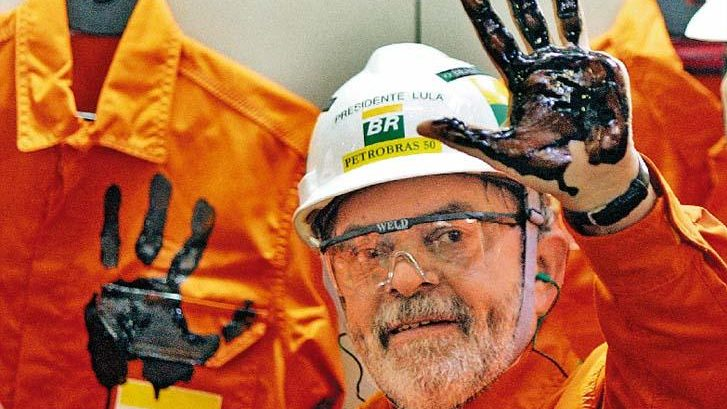
In The Midst Of Declining Popularity, President Lula Bets On Oil Exploration In The Amazon River Mouth As A Strategy To Revitalize The Economy And Secure Political Support For The 2026 Elections.
Amidst political and economic challenges, President Luiz Inácio Lula da Silva seeks alternatives to revitalize his administration and strengthen strategic alliances.
The Exploration Of Oil In The Amazon River Mouth Emerges As A Possible Solution, promising regional development and significant resources for the country.
However, this initiative also raises heated debates about sustainability and political interests.
-
Mercado Livre “opens the vault” and announces a record investment of R$ 57 billion in Brazil in 2026, a value 50% higher than the previous year, with an expansion plan that includes 14 new logistics centers, totaling 42 units in the country and hiring an additional 10,000 employees.

-
How investment in technology can revolutionize the national economy and enhance industrial gains, according to a study that highlights the direct impact on productivity, innovation, and wealth retention within Brazil.

-
The rise in oil prices could ensure an extra revenue of R$ 100 billion for the Federal Government, indicates a recent economic study.

-
Naturgy begins an investment of R$ 1.6 million to expand the gas network in Niterói and benefit thousands of new residences and businesses.


Declining Approval And Need For Alliances
Recent Datafolha polls indicate a drop in Lula’s government approval, falling from 35% in December 2024 to 24% in February 2025.
At the same time, disapproval increased from 34% to 41%, reflecting public dissatisfaction with economic and political issues.
In light of this scenario, strengthening alliances in Congress becomes crucial for governability and for the viability of strategic projects.
The Importance Of Davi Alcolumbre
According to BBC News, Senator Davi Alcolumbre, reelected president of the Senate in February 2025, emerges as a central figure in this context.
Representing Amapá, Alcolumbre advocates for oil exploration in the region as a means of promoting local and national development.
His influential position in Congress makes him a valuable ally for the government, especially on issues requiring robust political articulation.
Exploration At The Amazon River Mouth: Potential And Controversies
The Amazon River Mouth region, located approximately 500 km off the coast of Amapá, is considered a promising frontier for oil exploration in Brazil.
Geological studies indicate that the area shares characteristics with oil-rich regions, such as the coast of Guyana.
Petrobras, the main state-owned company in the sector, has shown interest in initiating exploratory drilling in the region, aiming to confirm the local energy potential.
However, the initiative faces resistance from environmental agencies and local communities.
In May 2023, the Brazilian Institute of Environment and Renewable Natural Resources (Ibama) denied the license for offshore drilling in the area, citing environmental concerns and the need for more in-depth studies on ecological impacts.
The region is home to sensitive ecosystems and indigenous communities that could be affected by oil activities.
Lula And The Defense Of The Project
In recent speeches, President Lula has emphasized the importance of Petrobras and the need to explore natural resources to promote development.
During an event in February 2025, Lula stated: “I do not defend Petrobras because I eat oil, I do not eat. Because I drink gasoline, I do not drink. I drink other alcohol, but gasoline, no.”
This statement highlights the president’s view of the strategic relevance of the state-owned company and oil exploration for the country.
Political Calculations And The 2026 Elections
Political analysts point out that the bet on oil exploration in the Amazon River Mouth may be linked to electoral strategies aimed at 2026.
By promoting projects with significant economic impact, the government seeks not only to regain popularity but also to secure support in key regions.
Amapá, for example, has high rates of extreme poverty, and development initiatives could positively influence the local electorate’s perception.
Additionally, strengthening alliances with influential leaders, such as Davi Alcolumbre, is essential to ensure the approval of projects in Congress and build a solid base for reelection.
Oil exploration in the region could serve as political currency, aligning federal government interests with local and parliamentary demands.
Environmental And Social Challenges
Despite the economic potential, exploration at the Amazon River Mouth faces criticism from environmentalists and indigenous communities.
The region is considered environmentally sensitive, and there are concerns about the impacts of oil activity on marine and terrestrial ecosystems.
Non-governmental organizations and community leaders warn of the risks of environmental disasters and the potential degradation of traditional ways of life.
Ibama, responsible for granting environmental licenses, has adopted a cautious stance, requiring detailed studies and mitigation measures before authorizing any exploratory activities.
The political pressure to advance the project puts the agency in a delicate position, balancing economic interests and the need to protect the environment.
In any case, for experts, oil exploration at the Amazon River Mouth represents a crossroads between economic development and environmental preservation.
For President Lula, the project could be an opportunity to revitalize his administration, strengthen political alliances, and prepare the ground for the 2026 elections.
However, the environmental, social, and regulatory challenges require a careful and balanced approach, ensuring that economic progress does not come at the expense of sustainability and the rights of local communities.






Seja o primeiro a reagir!