





 Portuguese
  English
  Spanish
  6 min of reading
  0 comments


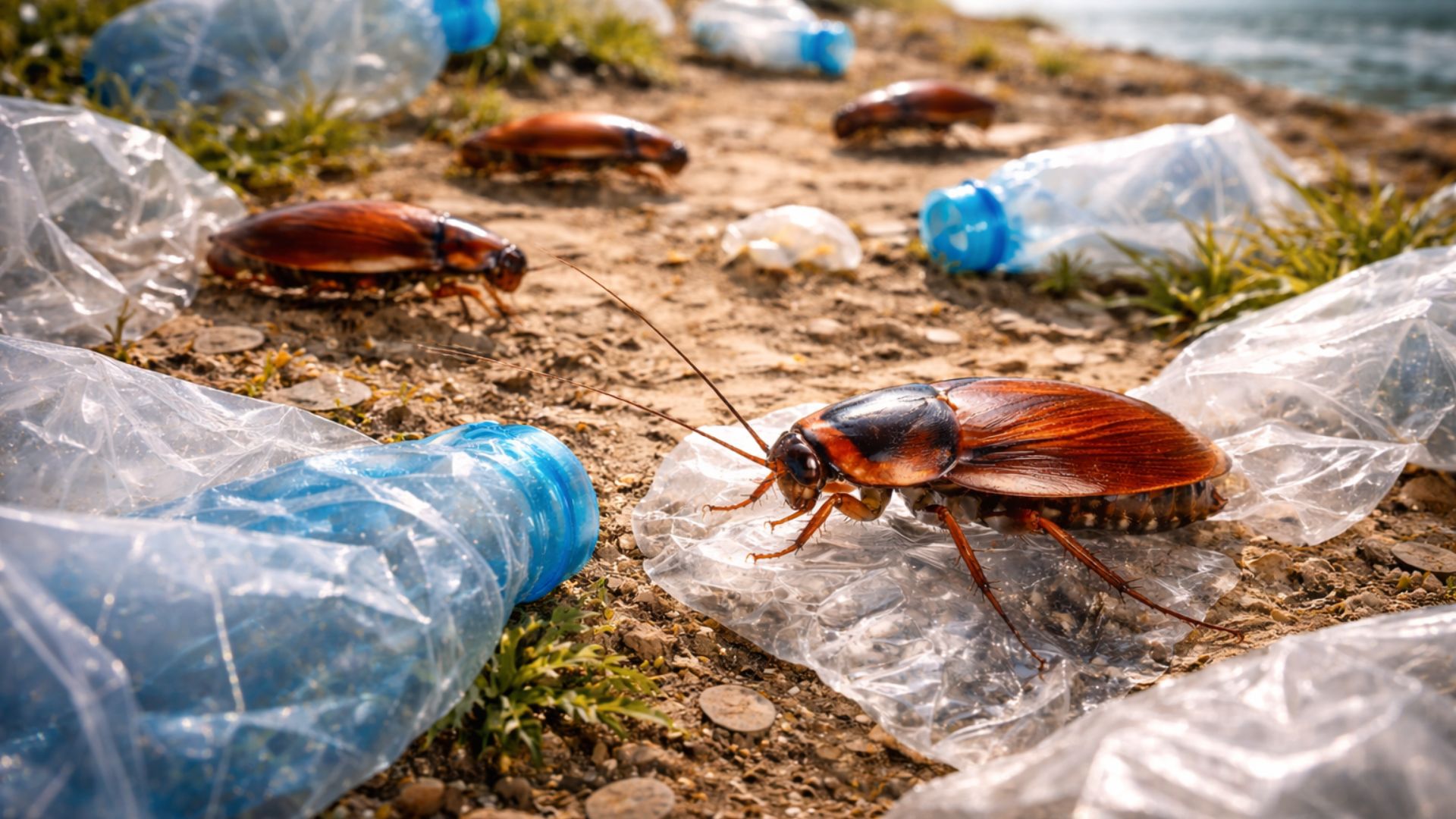
Discover how the cockroach is helping science tackle pollution caused by plastics, revealing innovative natural processes that can drive sustainable solutions and transform the global environmental future.
Pollution caused by plastics continues to be one of the planet’s greatest environmental challenges. Materials like polystyrene, widely used in packaging, are extremely difficult to degrade and remain in the environment for decades or even centuries.
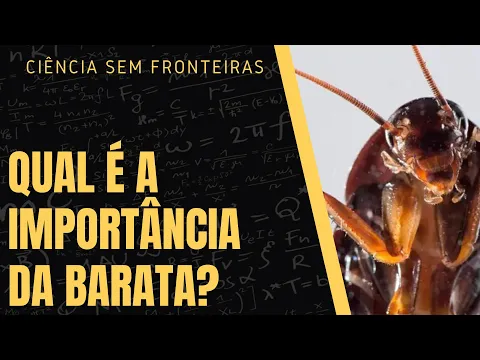
In this concerning scenario, a recent discovery has brought a new perspective on sustainability. Researchers have identified that the cockroach species Blaptica dubia can efficiently degrade this type of plastic. According to Eurekalert, the study indicates that the insect can eliminate about 55% of the ingested polystyrene in just 42 days.
This data is noteworthy not only for the number but for the type of process involved. The cockroach not only fragments the plastics, it promotes a real chemical degradation, which represents an important advance in the fight against pollution. This discovery places the cockroach in an unexpected position: from urban pest to possible environmental ally.
-
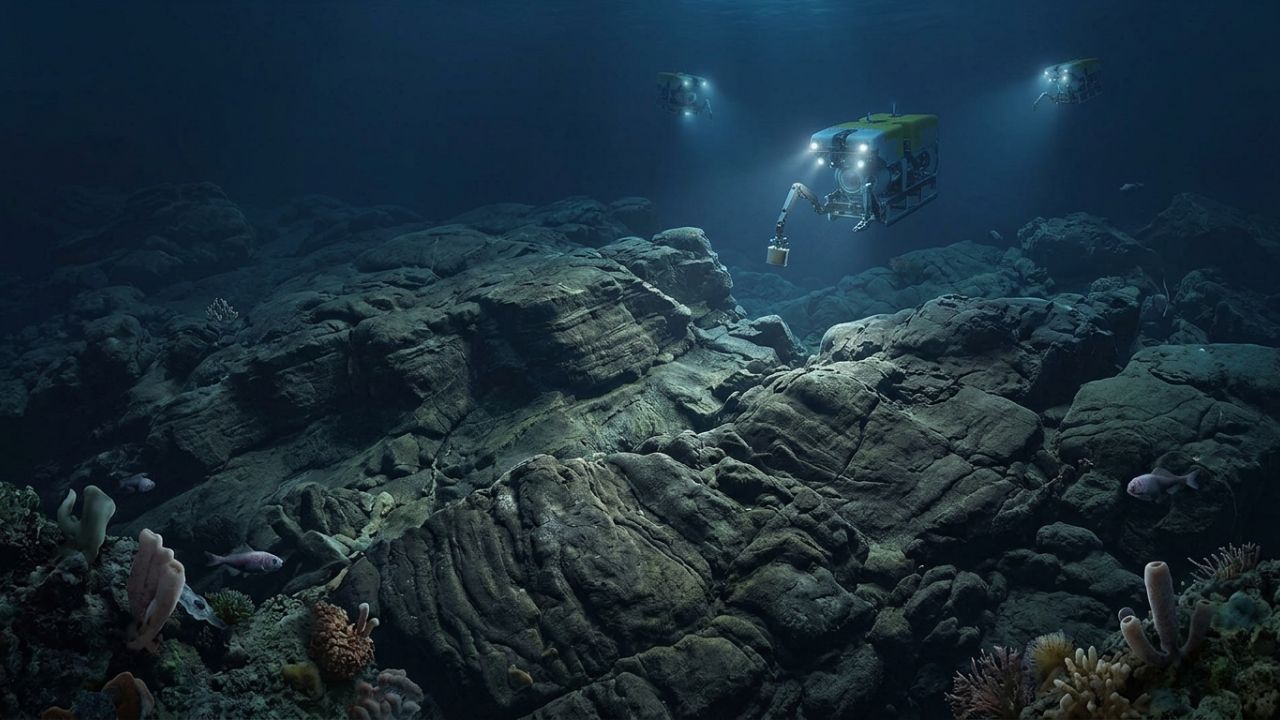
Under the island of Mauritius, in the middle of the Indian Ocean, scientists found fragments of continental crust that are up to 3 billion years old, remnants of a sunken microcontinent that was once connected to Madagascar and India.
-
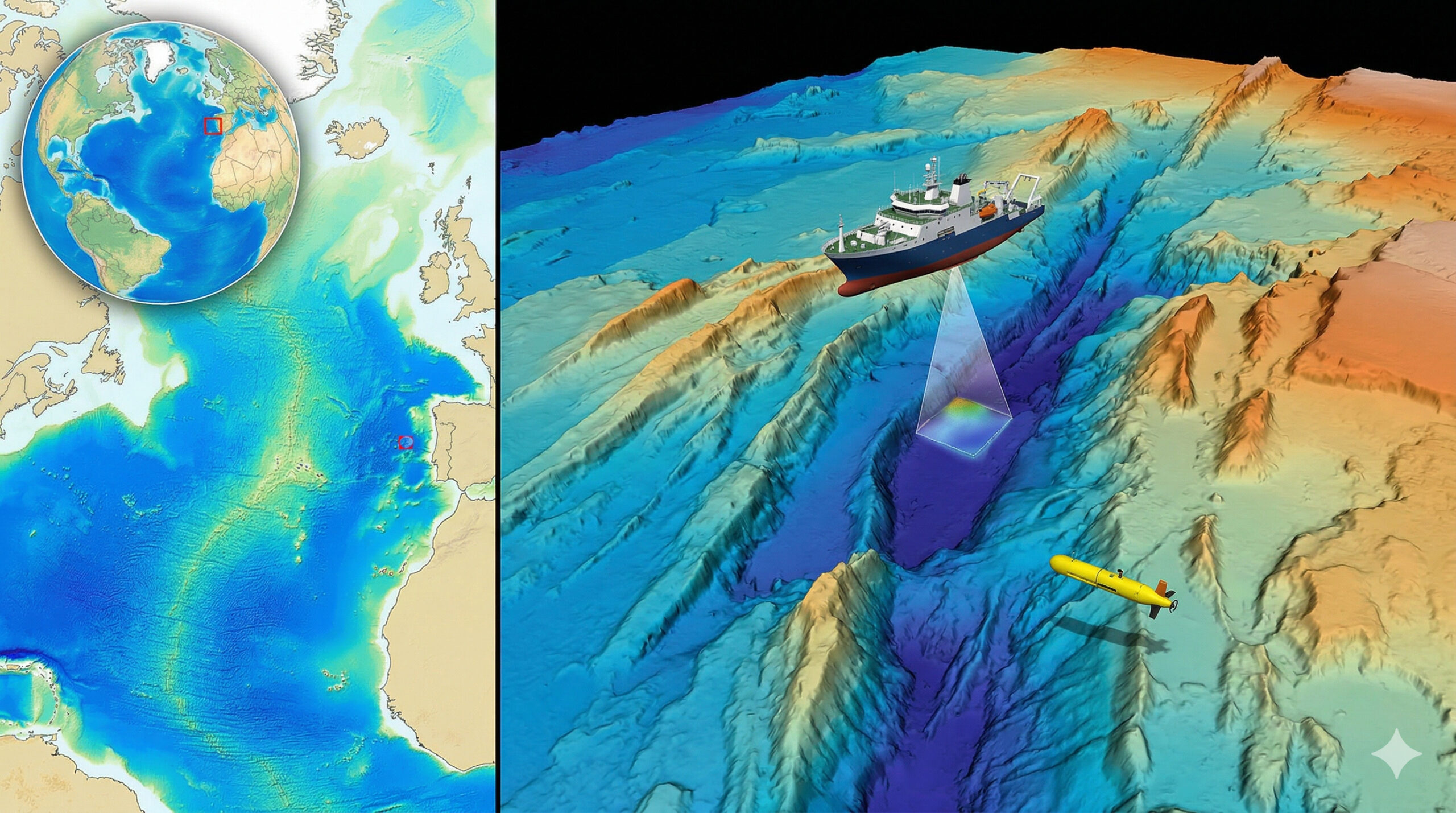
Sonar and geological mappings revealed, 1,000 km from Portugal, an underwater system of 500 km that rivals the Grand Canyon, with deep canyons and valleys sculpted on the Atlantic floor, formed 37 million years ago when tectonic plates tore the ocean like a “zipper” during the separation between Africa and Europe.
-
The United States Navy revealed a sixth-generation fighter concept with a bat-like shape that promises to fly at four times the speed of sound and operate from aircraft carriers with stealth technology never seen before.

-
China is sending 600 state-of-the-art buses to transform Nicaragua into a benchmark for public transportation in Latin America, and the first giant batch of 180 units has already arrived in the country, surprising everyone.

Cockroach in the fight against pollution: what did the study really reveal?
The research results show that the cockroach has a unique ability to deal with plastics. By ingesting polystyrene, the insect initiates a complex process that goes far beyond simple mechanical breakdown.
During the tests, scientists observed significant structural changes in the plastic material. Among the main effects identified are:
- Significant reduction of polymer chains
- Oxidation of the material
- Breakdown of resistant chemical bonds
These transformations indicate that the cockroach acts directly on the structure of the plastic, promoting changes that facilitate its decomposition.
Moreover, the fact that about 55% of the material is degraded in 42 days reinforces the potential of this mechanism. Although it is not yet a ready-to-apply solution on a large scale, the study opens important pathways for new sustainability strategies.
How the cockroach transforms plastics into energy within its body?
One of the most impressive aspects of the research is how the cockroach uses plastics as a source of energy. This happens through a highly integrated biological system.
The process begins in the insect’s gut, where microorganisms initiate the degradation of the material. Then, the cockroach’s metabolism comes into play, absorbing the byproducts generated.
This cycle involves essential biochemical mechanisms, such as oxidation and the tricarboxylic acid cycle. In practice, plastic ceases to be just waste and begins to function as a usable carbon source.
In simplified terms, the process occurs as follows:
- Gut bacteria break down plastics into smaller compounds
- The organism absorbs these compounds
- The material is converted into energy
- Part of the waste is eliminated already transformed
This capability shows how nature can offer efficient solutions to complex problems, especially when it comes to sustainability.

The role of bacteria in reducing pollution and advancing sustainability
The intestinal microbiome of the cockroach plays a central role in this process. Researchers observed that by consuming plastics, the insect exhibits significant changes in the composition of its internal bacteria.
There is an increase in microorganisms specialized in degrading complex compounds. These bacteria produce specific enzymes, such as oxidoreductases, which are essential for initiating the breakdown of polystyrene.
This system functions as a kind of integrated biological chain. Each step depends on the previous one, creating an efficient and continuous process.
Among the main points observed are:
- Activation of bacteria capable of degrading resistant materials
- Production of enzymes that attack complex chemical structures
- Integration between microorganisms and the insect’s metabolism
This interaction between the cockroach and bacteria is what makes the process so effective. It is also what sparks scientific interest in replicating this model in technological solutions.
Why plastics continue to be a persistent global problem
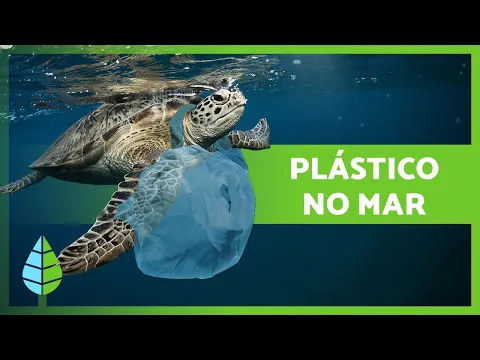
Even with advances in recycling, plastics still pose a significant environmental challenge. Global production continues to grow, while the capacity for reuse does not keep pace.
Polystyrene, in particular, is one of the most problematic materials. It is lightweight, cheap, and widely used, but extremely resistant to natural degradation.
This generates a series of impacts:
- Accumulation of waste in oceans and soils
- Formation of microplastics that enter the food chain
- Harm to fauna and flora
- Potential risks to human health
Pollution caused by plastics demands innovative and efficient solutions. In this context, the discovery involving the cockroach emerges as a promising alternative, albeit in its initial phase.
From cockroach to technology: innovative pathways to deal with plastics
Despite the potential of the discovery, scientists are cautious. It does not make sense to use cockroaches directly to solve the pollution problem on a large scale.
The real value lies in understanding the biological process. From this, it is possible to develop solutions based on biotechnology.
Among the main possibilities are:
- Creation of artificial microbial consortia
- Development of enzymes capable of rapidly degrading plastics
- Applications in synthetic biology
- New, more efficient recycling methods
These strategies can transform the way we deal with waste. Instead of merely discarding or recycling, it would be possible to reuse plastics more intelligently.
This represents an important advance for sustainability and for reducing global pollution.
What the cockroach teaches about sustainability and environmental innovation
The cockroach, often associated with urban and unsanitary environments, takes on a new meaning in light of science. It becomes an example of adaptation and biological efficiency.
This discovery reinforces an important idea: nature has already developed complex solutions to problems that humanity is still trying to solve.
By studying these processes, scientists can identify innovative pathways for sustainability. The cockroach, in this case, serves as a biological model that can inspire new technologies.
Moreover, the study highlights the importance of scientific research. Without this type of investigation, many of these mechanisms would remain unknown.

Limitations, challenges, and next steps in scientific research
Despite the promising results, there are still many challenges to overcome. The practical application of this discovery depends on various factors.
Among the main obstacles are:
- Scaling the process for industrial use
- Ensuring efficiency with different types of plastics
- Reducing implementation costs
- Assessing the environmental impacts of the developed solutions
Another important point is the need for more studies. Although the results indicate that 55% of polystyrene can be degraded in 42 days, it is still necessary to understand how this process behaves under different conditions.
Science advances cautiously, and this is an initial step within a research field that still has much to evolve.
A new perspective to combat plastic pollution
The discovery involving the cockroach offers a new perspective on combating pollution. It shows that innovative solutions can arise from unexpected places.
By transforming plastics into energy, the insect reveals a possible path to reduce waste and advance towards sustainability. More than that, it opens doors for the development of technologies based on natural processes.
Although it is not yet a definitive solution, the study represents a significant advance. It reinforces the importance of science, innovation, and the constant search for more efficient alternatives. The cockroach, once seen only as a problem, can now be part of the solution.






Seja o primeiro a reagir!