





 Portuguese
  English
  Spanish
  3 min of reading


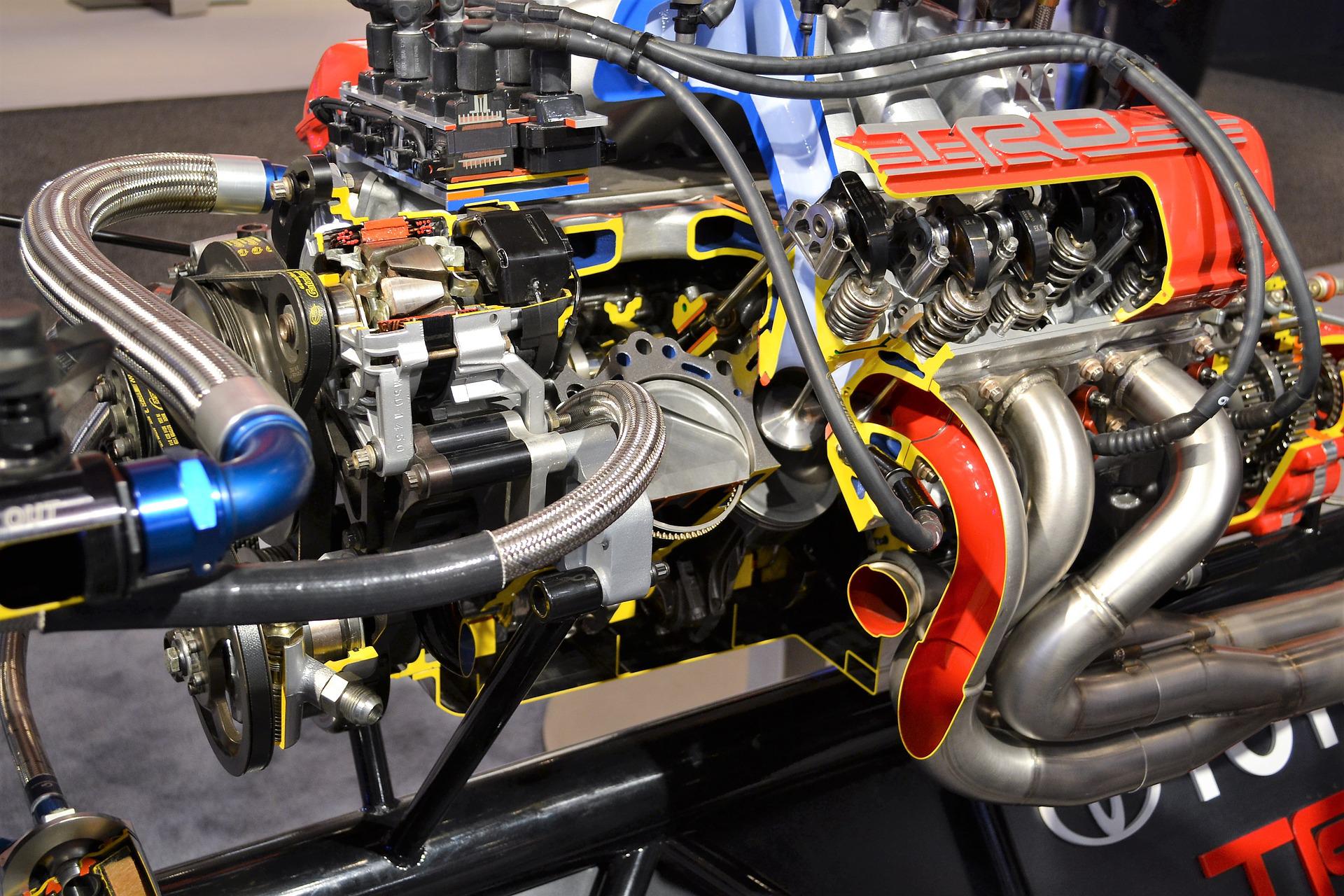
This Is Not The First Sustainable Action By Toyota Regarding Energy Production. The Institution Has Also Been Investing In Research To Use Green Hydrogen In The Factory Of Its Cars And Engines. Companies Like Airbus Are Also Pioneering In The Sector By Developing Aircraft Engines That Stop Using Biodiesel To Use Hydrogen, The Launch Is Expected To Hit The Market By 2023.
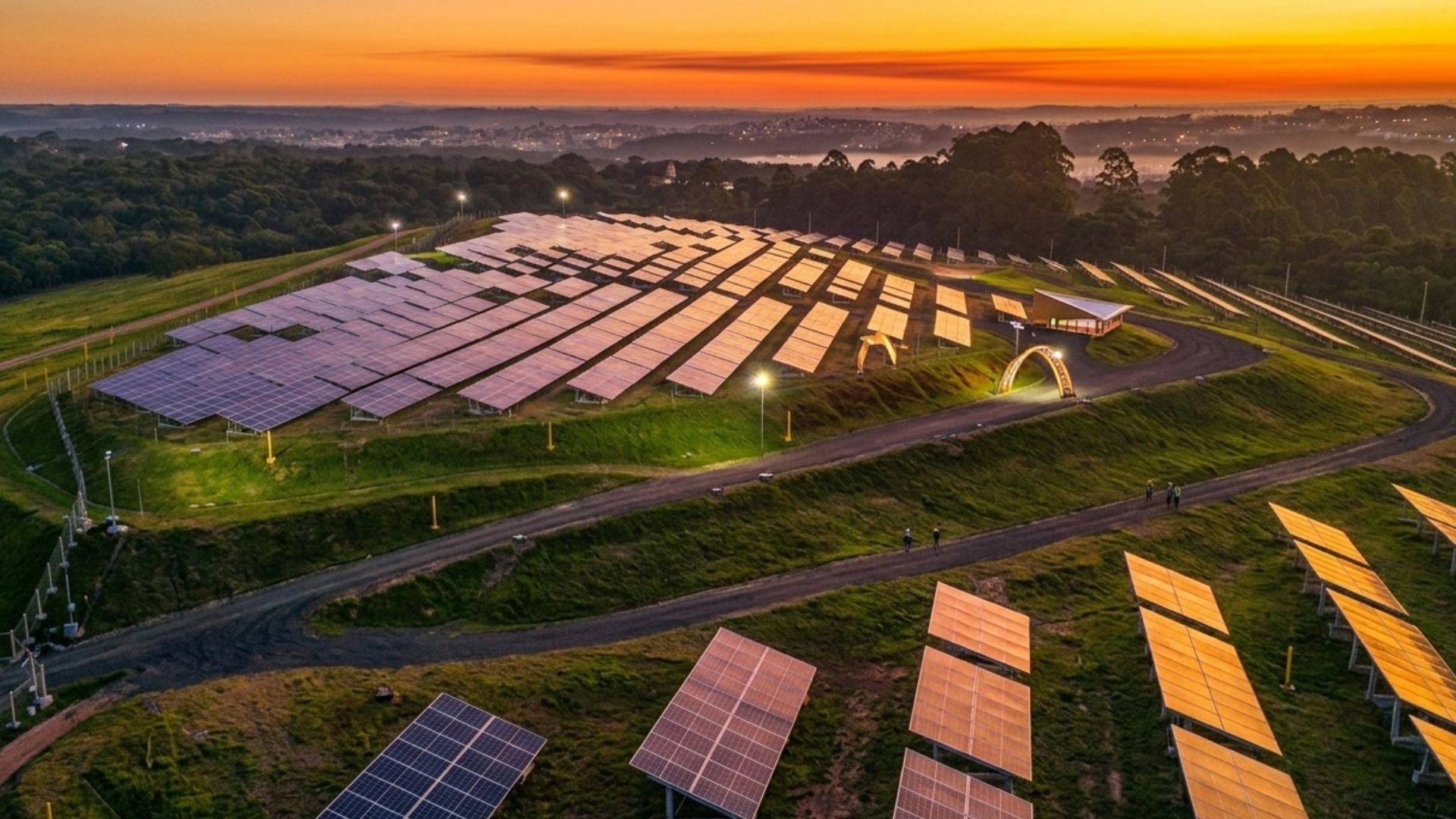
Spectrum, in partnership with Toyota, is working on a project to energize the entire installation of a factory in Laguna, Australia, for solar energy production through photovoltaic panels. The installation capacity reaches 460 kilowatts (kWp) and will help reduce carbon dioxide emissions in the environment by the institution.
Although the current production capacity is lower, the company Spectrum, responsible for solar energy deployment, states that the installation will have a capacity of at least 1 megawatt (MW). The institution is a subsidiary of Manila, which established its large energy source in December 2018. The solar company claims that cost reduction will be in the millions each year, allowing this money to be used by the automotive company in market expansion processes.
Carbon Dioxide Reduction Will Reach 446 Tons: With The New Investments In Solar Energy And Photovoltaic Panels, It Is Estimated That The Institution Will Stop Releasing Over 446 Tons Of Carbon Dioxide Into The Environment. This Is Equivalent To More Than 45 Thousand Trees Planted Or More Than 1.7 Million Car Trips That Will Not Be Taken In A Year!
According To Toyota, The Aim Of The Institution Is To Expand Investments In Solar Energy To Other Countries Beyond Australia, But They Still Need Investors And Market Research.
-
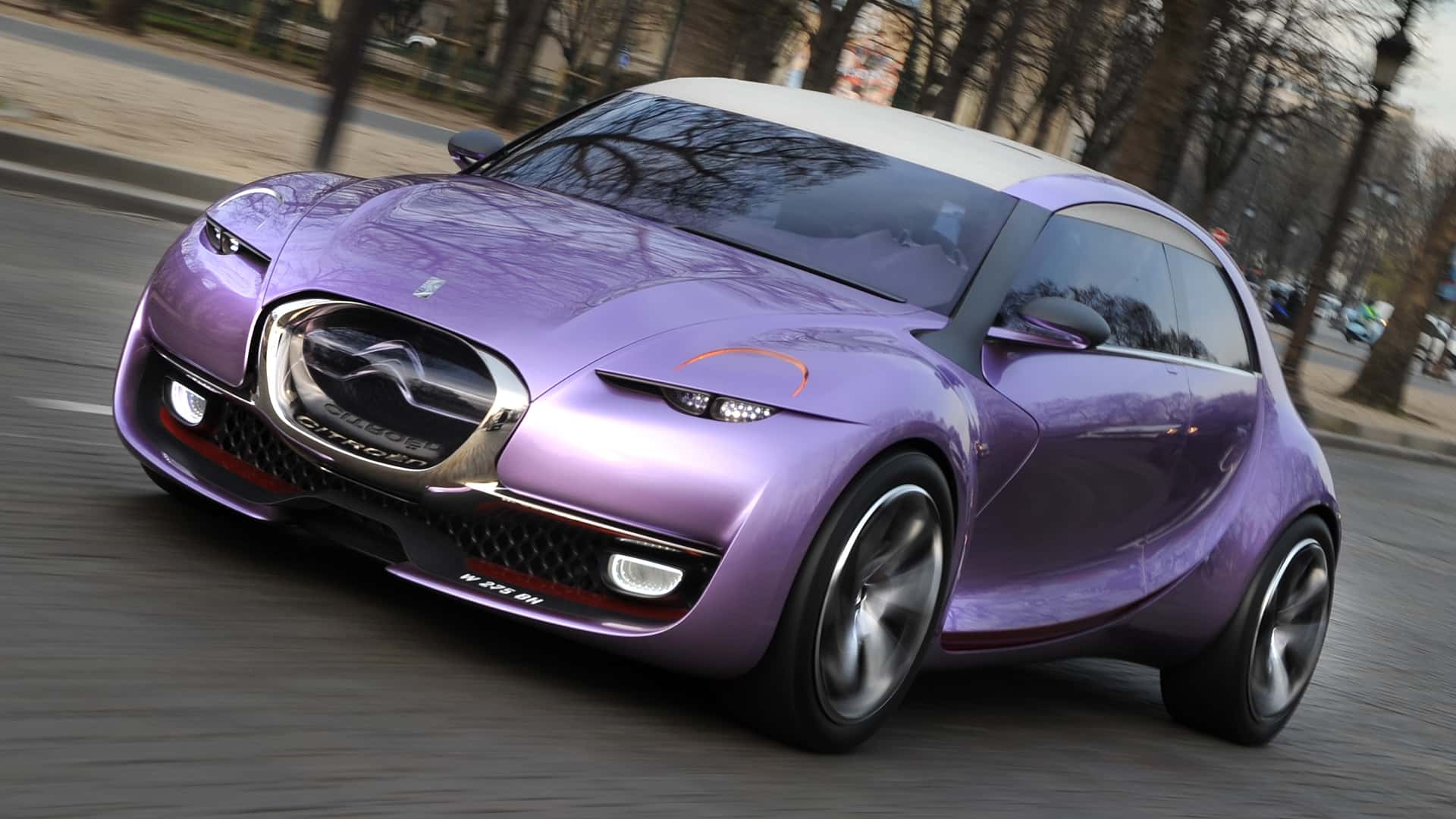
After decades out of the spotlight, Citroën is preparing to bring back the legendary 2CV as a low-cost electric vehicle, betting on the revival of one of the most popular cars in history and aiming to enter the race for affordable compact cars.
-
The German economist Wolf-Peter Schill has no doubts: “Electric cars are already far superior to cars with internal combustion engines.”

-
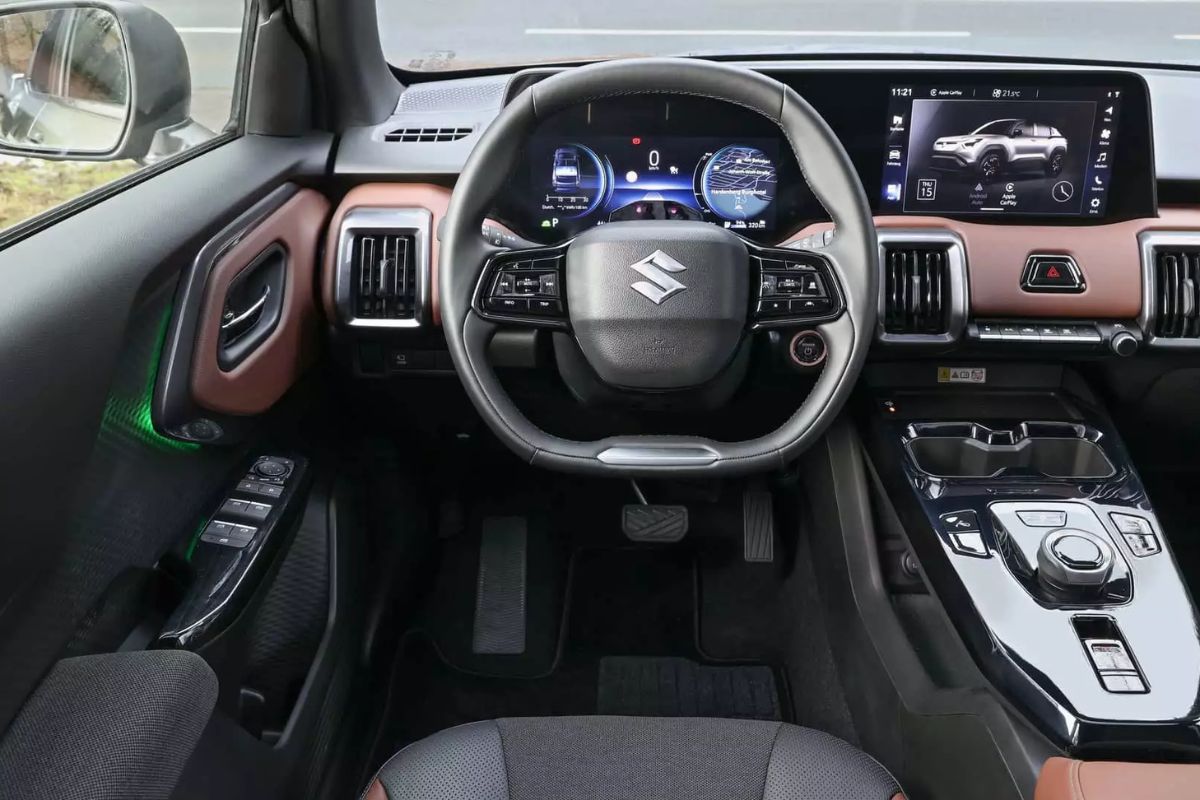
The 2026 electric Vitara arrives in Brazil and proves that Suzuki is not leaving: 4×4 traction, 184 hp, 61 kWh LFP battery, 293 km range, R$ 259,000, and a trunk capacity of 224 L.
-
Hyundai has unveiled the Boulder, a square SUV with a body-on-frame design, 37-inch mud tires, and carriage-style doors that seems to be made to take on the Ford Bronco and the Scout Traveller in the United States.


The President Of TMP, Atsuhiro Okamoto, Stated In An Interview That He Was Proud And Believes That If The Company Continues At This Rate, It Is Estimated That By 2035 They Will Achieve Zero Carbon Emissions In The Environment, Making The Workspace Even Greener And More Sustainable. The Use Of Green Hydrogen Will Also Make It Easier For The Institution To Meet Its Goals. According To Him, The Solar Project By Toyota Would Have Operated Over 4,753,561.58 kWh Since Its Installation.
Okamoto Stated That He Is Consistent With The Goals Of The Toyota Environmental Challenge (TEC) 2050, Which Wishes To Continue “Moving The World” To Achieve The Best Results Through Investments In Solar Energy. According To Him, They Have Been Partnering With Toyota Since 2018 And Believe That The Agreement Is Promising For Both Parties. Currently, They Are Able To Increase The Energy Productivity Of The Multinational By Over 16% Per Year!
The Company Spectrum Offers Numerous Services To Help Its Clients Transition To The Green World. And In The Meantime, Toyota Will Enter This Relatively New Market To Achieve Long-Term Low Costs While Practicing A Significant Reduction In Carbon Dioxide Each Year.
Solar Energy Is An Investment In Brazil, But Solar Tax Begins Soon
In 2022, Companies Across Brazil Are Rushing To Install Photovoltaic Panels To Escape The Solar Tax, As A Project That Foresees The Beginning Of Taxes On All That Is Produced By The Panels Starting In 2023 Through ICMS.







Seja o primeiro a reagir!