





 Portuguese
  English
  Spanish
  3 min of reading
  0 comments


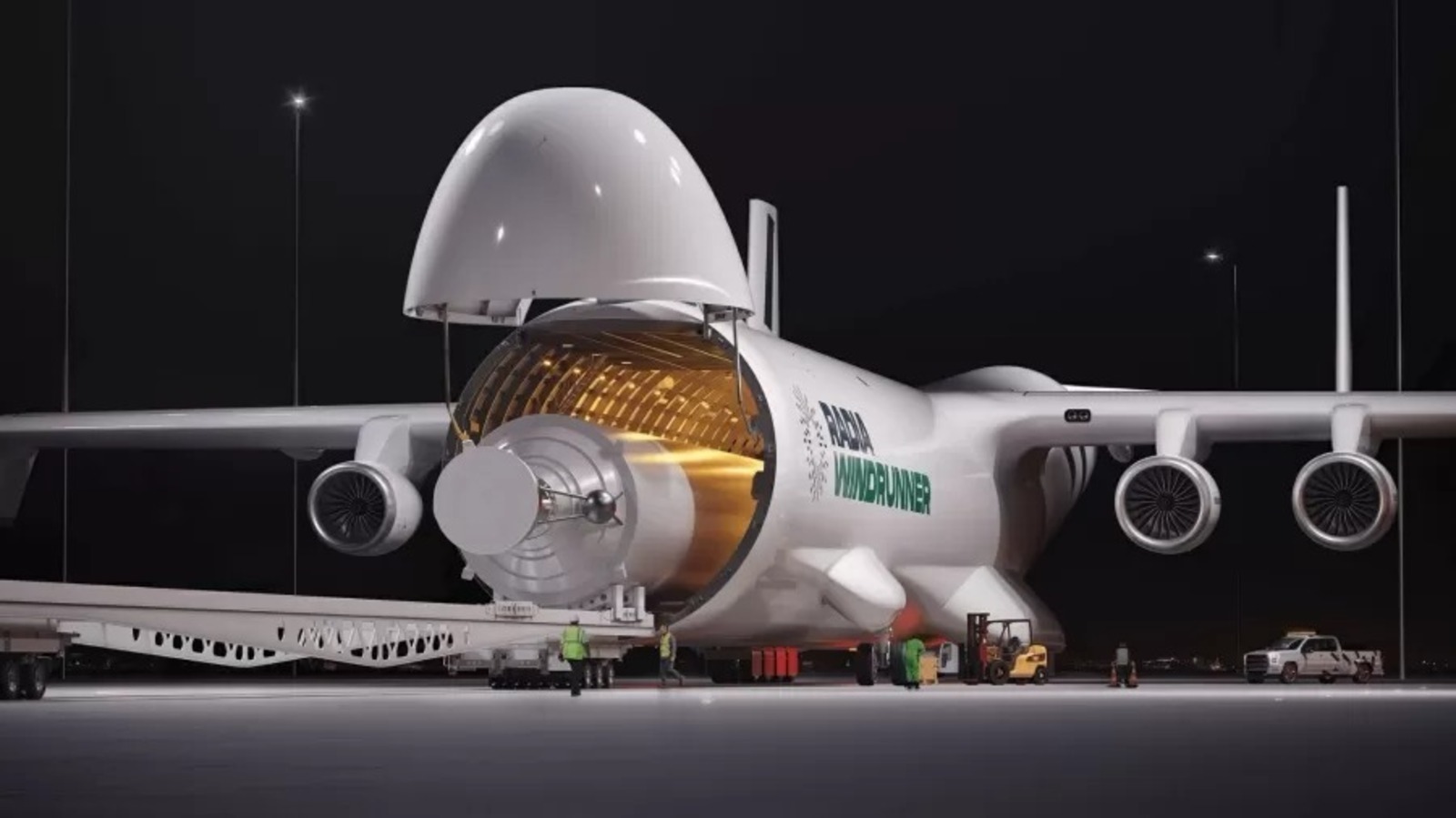
WindRunner Aircraft from Startup Radia Promises to Transport Fighters, Helicopters, and Complete Systems Without Disassembly, With Unprecedented Volume and Operation on Short Runways
A startup from the United States promises to revolutionize air logistics with an unprecedented cargo aircraft. The aircraft, named WindRunner, is being developed by Radia, a company based in Colorado. The goal is to transport fighters, helicopters, and entire systems without disassembly.
According to the company, the project aims to serve both the U.S. Armed Forces and allied countries.
Unmatched Dimension
The WindRunner will have over 6,800 m³ of internal volume, surpassing the C-5 Galaxy by seven times and the C-17 Globemaster III by twelve times, currently the largest military cargo aircraft in operation.
-
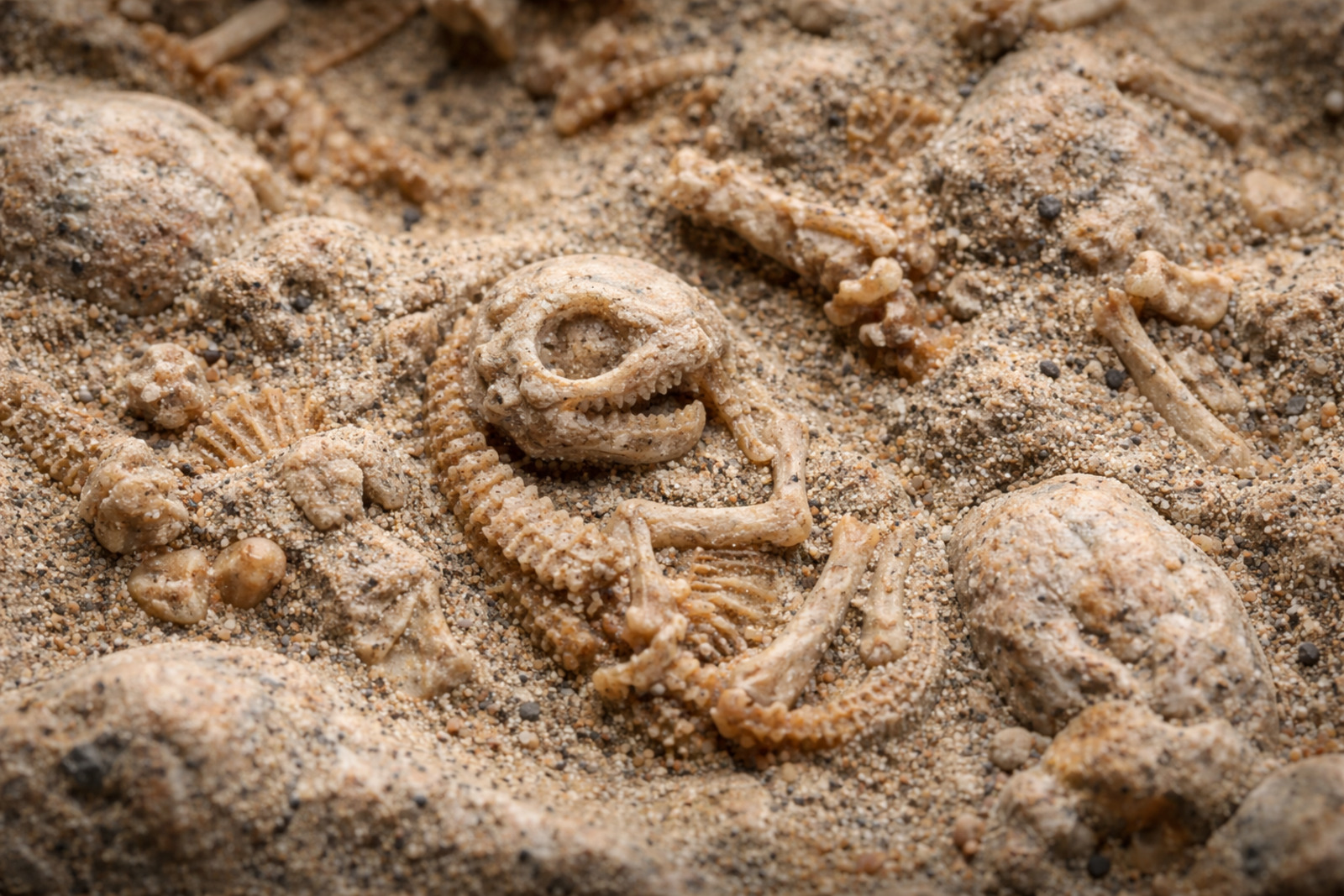
They seemed like common bones, but scientists were surprised to find a relic over 12,000 years old that dates back to before the Bronze Age.

-
With an almost perfect ring of 70 km visible from space, known as the “Eye of Quebec” and over 100 km in length, the Manicouagan Crater in Canada reveals the colossal mark left by a giant asteroid and has become one of the most impressive formations ever identified on the Earth’s surface.

-
Scientists have found in China dinosaur embryos dating back 190 million years in various stages of development, and the discovery still preserves traces of extremely rare proteins in the bones, something that could change what is known about life before hatching.
-
The CEO of Honor in Spain says that smartphones will change with AI, foldables, and even robot phones; the component crisis is making cheap models more expensive in 2026 and shifting the focus to premium.

With this space, it would be possible to carry in just one flight 12 AH-64 Apache helicopters, 6 CH-47 Chinook, 4 CV-22 Osprey, or even 4 F-16 or F-35C fighters assembled.
Therefore, the emphasis is on volume, not weight.
Origins and Evolution
The aircraft was designed to transport giant blades for wind turbines. However, during development, Radia decided to expand the idea.
The company’s CEO, Mark Lundstrom, stated at the Air, Space & Cyber conference by the Air Force Association that strategic mobility provides “time and space for force.”
He emphasized that the proposal eliminates disassemblies, extra structures, and delays.
Operation in Difficult Conditions
Besides size, another distinguishing feature is its ability to operate on short, unpaved runways.
The cargo aircraft is expected to take off and land on strips of about 1,800 meters, reaching isolated locations or regions affected by crises and disasters. The company projects to conduct the first flight by the end of the decade.
Capacity and Limitations of the Giant Aircraft
Despite its size, the WindRunner will have a 72-ton payload, below the capacity of the C-5 Galaxy. The focus, however, is on transporting bulky systems that currently require disassembly or multiple trips.
As Radia stated in a press release: “Modern joint capabilities often run out of space before they run out of lift capability.”
Current Phase of the Project
So far, there are only conceptual images. The company reported it is working with digital models, wind tunnel testing, and is already preparing the first prototypes.
The Department of Defense is closely monitoring. A research agreement was signed with the U.S. Transportation Command, signaling government interest.
Obstacles and Funding
The proposal still faces technical barriers and high costs. The American sector has not presented a large strategic cargo aircraft in over fifty years.
Nonetheless, Radia has already secured US$ 130 million in funding. The team includes experienced executives, such as retired Major General Kenneth Bibb, former leader of the 18th Air Force.
Prospects for the Giant Military Aircraft
If realized, the WindRunner could transform military transport in critical scenarios. Regions like the Indo-Pacific and the Arctic, known for long distances and lack of infrastructure, could become the main stage for the new aircraft.
Thus, the project could redefine strategic air mobility in the coming years.
The information is from UOL.




-

-

2 pessoas reagiram a isso.