





 Portuguese
  English
  Spanish
  3 min of reading


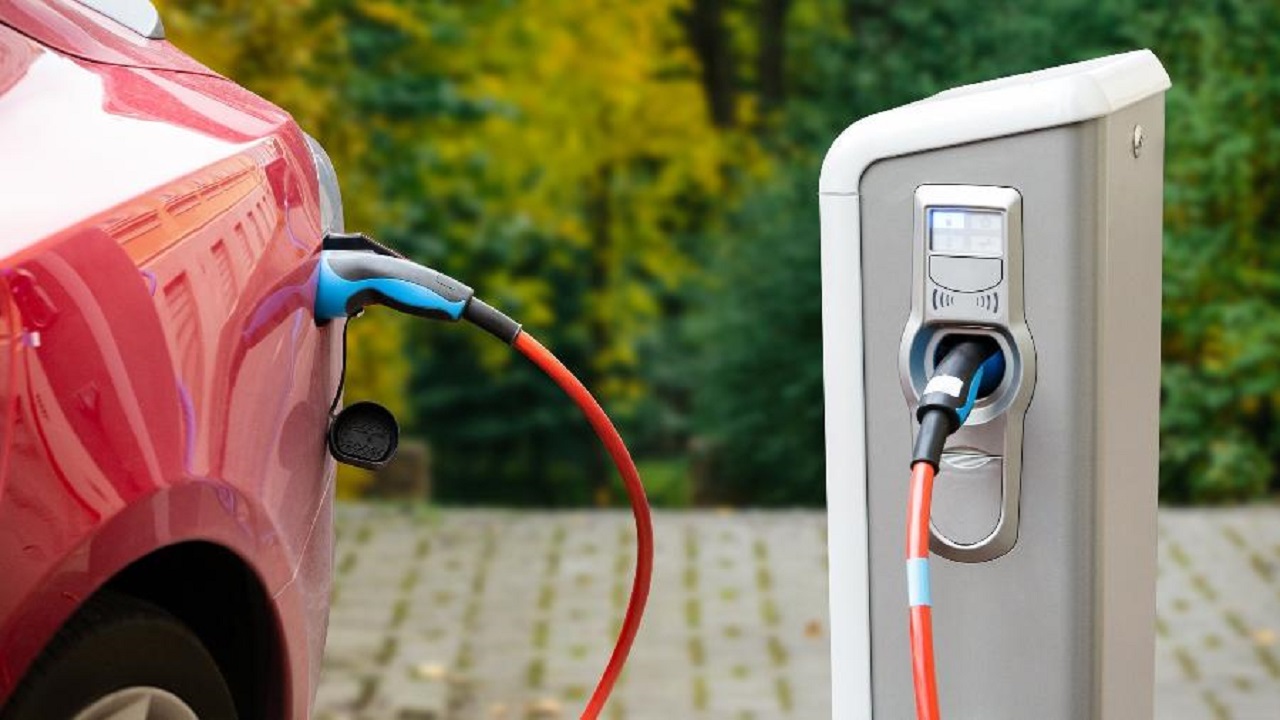
Electric Car Charging Has Been Free For Many Years, But That May Change In The Future With Startups And Oil Companies Entering The Mobility Sector.
Since the first electric car launches in the country, brands have always advertised free chargers. A structure was created and there are electric car charging points in shopping malls, hotels, restaurants, and similar places. Although free charging has always been available, this free service may be coming to an end. Since 2018, a regulation from the National Electric Energy Agency (Aneel) allows the charging of electric energy by companies offering charging points for electric cars. However, since it is not a law, the practical effect has been modest. This detail has attracted startups and oil companies to the sector.
Aneel Is Questioned By Companies About Charging For Electric Car Charging
Another solution was developed by Tupinambá Energia, which does not directly charge electricity from the consumer but allows residential, commercial, and other points to be interested in signing up for a charger.
The company also manages the electric car charging points and allows the commercial space providing the location to charge for the time used. The recommended value is around R$ 1 to R$ 2 per hour, a price based on the kWh value.
-
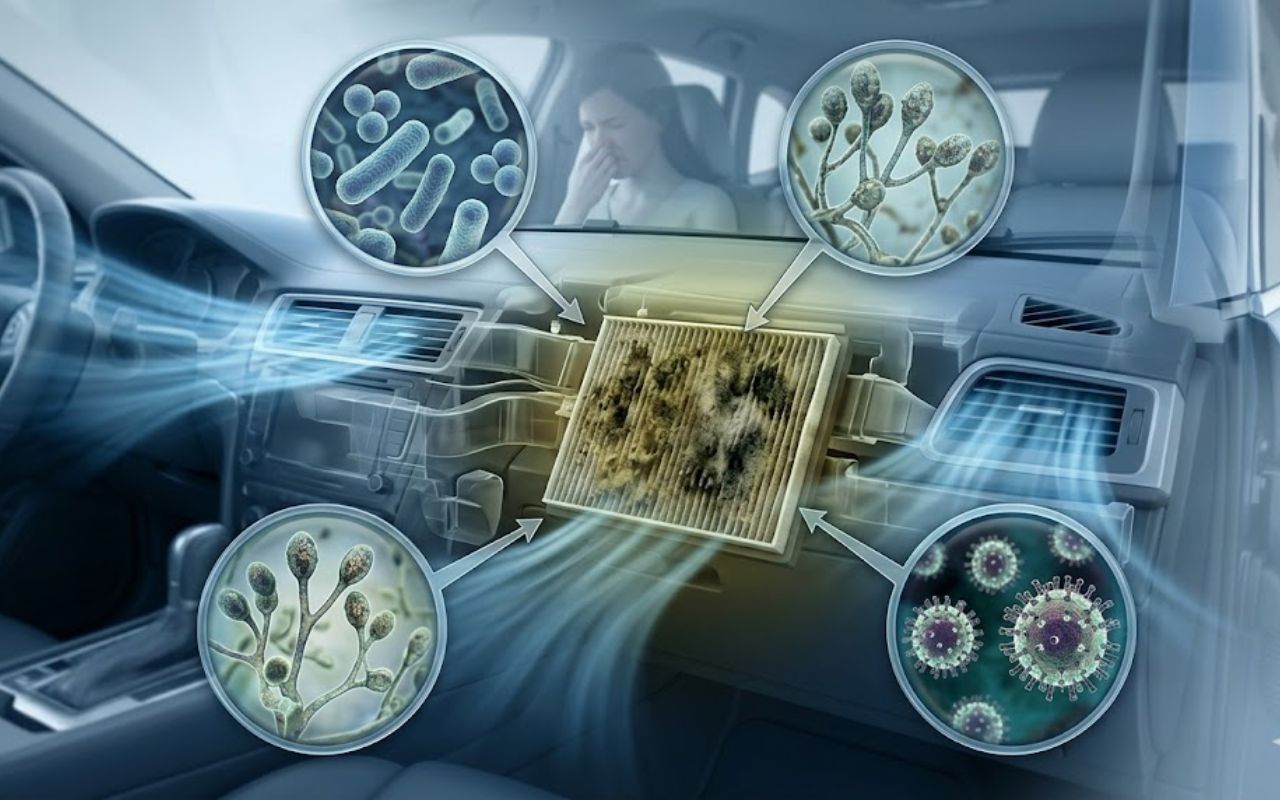
Experts warn: a dirty car air conditioning filter in winter can accumulate fungi and bacteria, causing allergies, fatigue, and even loss of attention while driving.
-
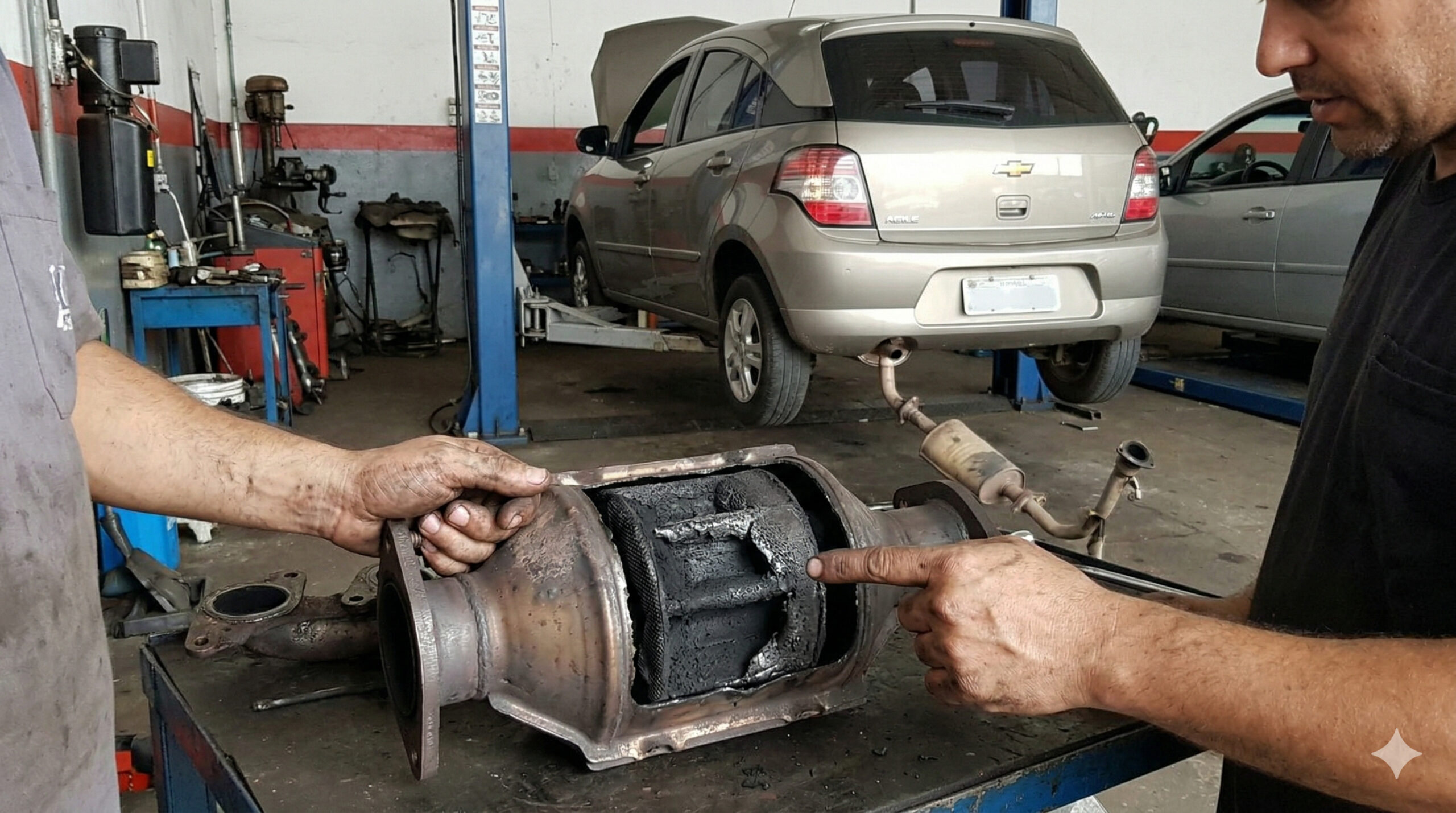
Owners of Chevrolet Agile discover a problem with the catalytic converter that can lead to a bill of up to R$ 4,000, steal engine power, increase fuel consumption, trigger the injection light, and worsen quickly when the first signs are ignored.
-
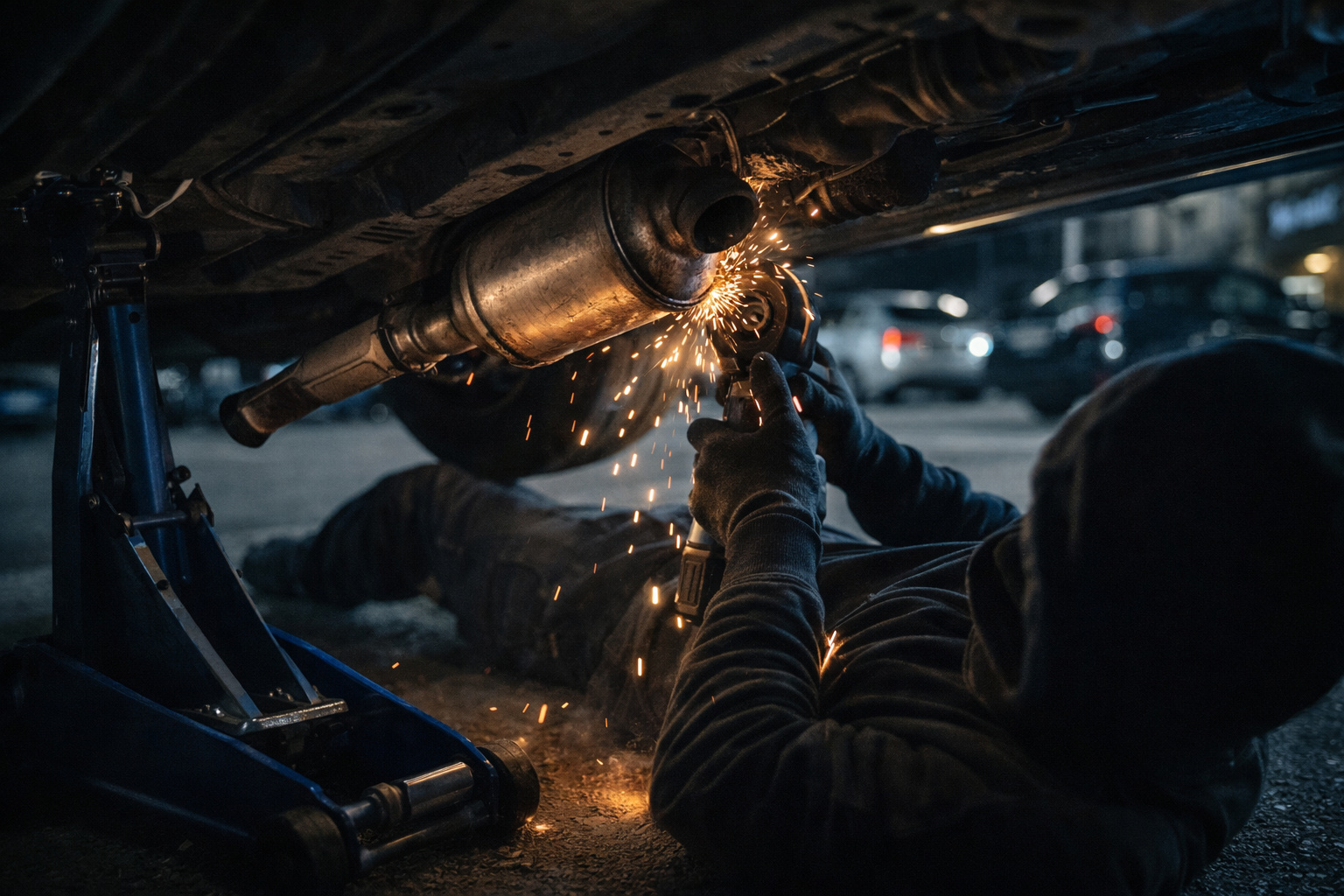
Thefts of catalytic converters are increasing in Brazil, a component that contains platinum, palladium, and rhodium, metals that can be worth more than gold, and can be removed from under a car in less than 2 minutes, causing losses of up to R$ 8,000 and only being noticed when the driver starts the vehicle and hears an extreme noise from the exhaust.
-
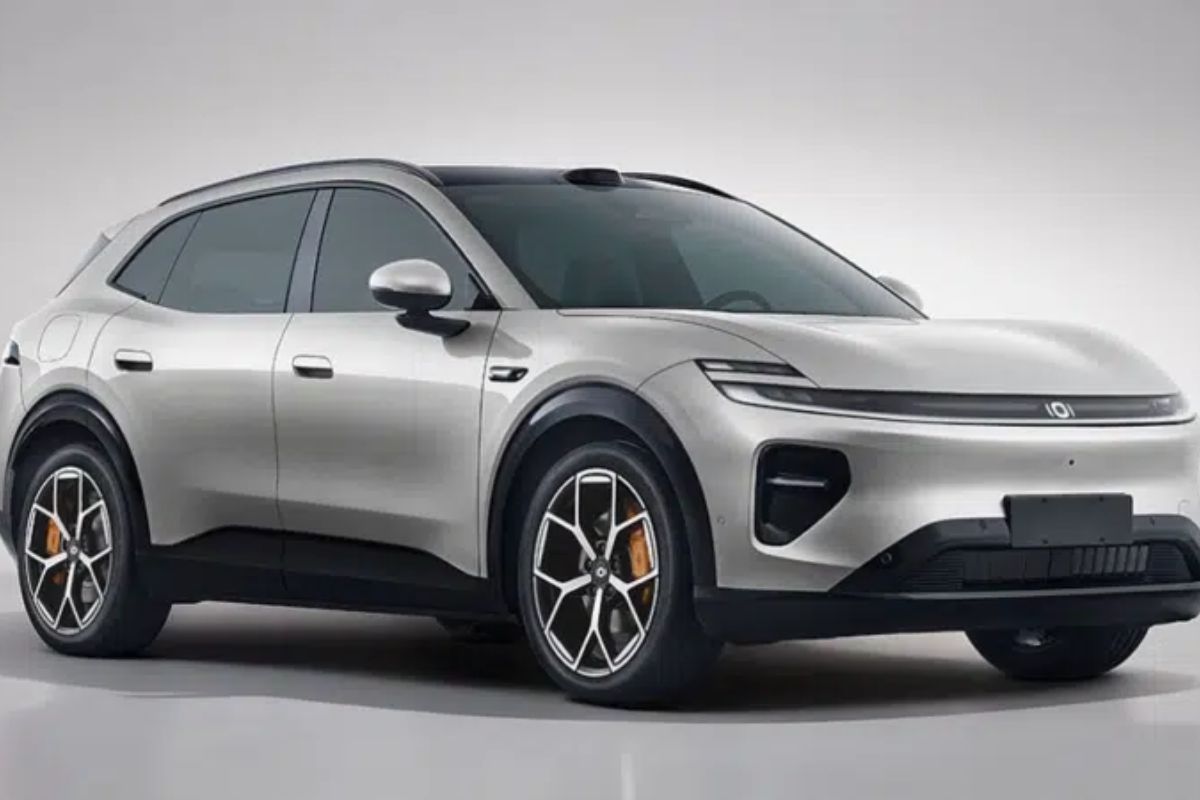
Changan launches Nevo Q06 with 800V architecture and 6C ultra-fast charging, AWD option with two rear motors, EV and EREV versions, LiDAR on the roof, and up to 14 different wheels now.
In Aneel’s article, the agency states that charging for electric cars owned by different individuals at the consumption unit is allowed, primarily for commercial exploitation at freely negotiated prices.
In the last year, EDP Elétrica questioned Aneel regarding the billing of kWh for electric car charging. The agency stated that the mentioned regulation does not prohibit sales.
Electric Sector Grows And Oil Companies May Be Watching
It is certain that the electric vehicle and charging point market is still small in the country, but it is expanding rapidly. According to the Brazilian Association of Electric Vehicles (ABVE), in the first three months of this year, the country recorded a 115% increase in sales of battery models compared to the same period in 2021.
In the first quarter of last year, according to data from the National Federation of Motor Vehicle Distribution (Fenabrave), 4,585 such vehicles were sold. This year, sales have exceeded 9,844. Currently, the market share of electric vehicles is at 2.6%, which is considerably higher than the 1.8% closure of last year.
Thus, several oil companies and startups are looking at this sector. One of them is Tupinambá Energia, a startup in electric mobility that received R$ 10 million in investments from Raízen, the owner of the oil company Shell, which plans to expand its presence in Brazil.
Tupinambá Plans To Produce More Than 1,000 Chargers In Brazil
According to Tupinambá’s CEO, Davi Bertoncello, the company will increase from the current 100 chargers managed per day to more than 1,000 by the end of this year and 10,000 by 2025. Davi emphasizes that this was only possible due to Shell’s investment, but there is also substantial demand from the sector, and the expectation is that electric car charging will spread more quickly in the coming years.
The executive also anticipates a reduction in investments from manufacturers in charging stations and states that the initial strategy was achieved, which was to generate marketing and safety for potential buyers, informing them of the exact location to charge their vehicles. However, moving forward, Davi believes the market will welcome other oil companies and startups that should build the necessary infrastructure.









Seja o primeiro a reagir!