Portuguese
  Spanish


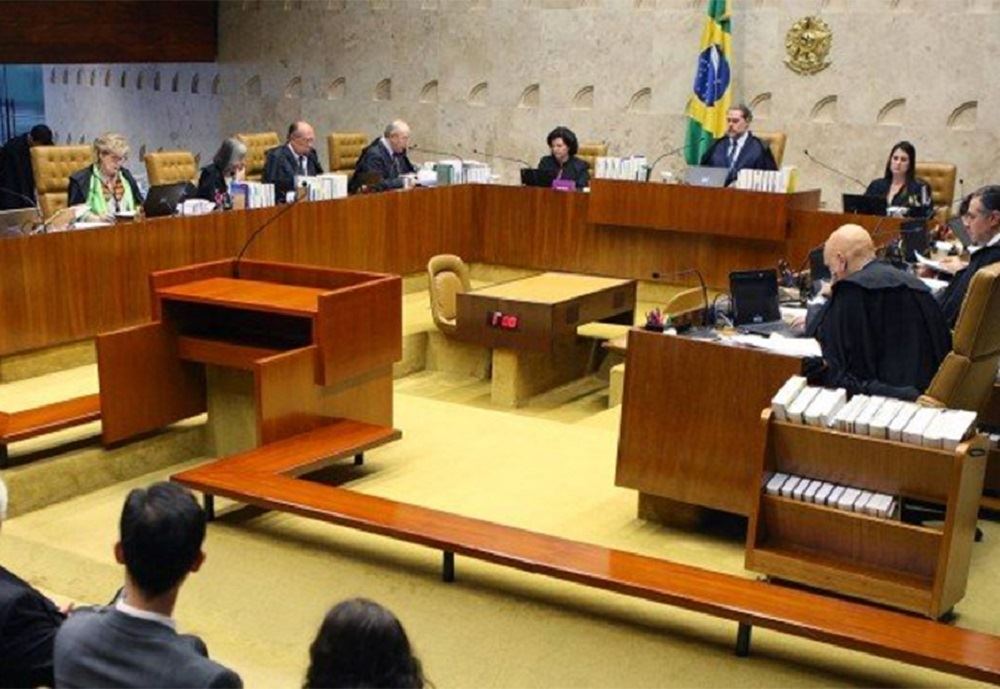

In A Trial That Started Last Week And Resumed On Wednesday (06/05), It Was Decided Yesterday The Need For Legislative Authorization For The Sale Of State-Owned Companies, But Authorized The Sale Of Subsidiaries
After the third session of judgment regarding the sale of state-owned companies without congressional approval, the STF ruled against the sale, but allowed the commercialization of subsidiaries.
The session took place yesterday, Thursday (06/06), and the opinion was against state-owned companies when it comes to causing loss of shareholder control.
The Union has 134 state-owned companies and 88 subsidiaries. Eletrobras has 30, Banco do Brasil has 16, and Petrobras has 36, among the most important, Transpetro and BR Distribuidora.
The decision is in favor of the government that wanted to relax the rules for the sale of state-owned companies, believing that such action will lead to economic development.
-
Lenovo Unveils Legion Y700 Tablet with RGB Backlighting, 5G, and SIM Card Support
-
Lenovo Unveils Legion Y700 Tablet with RGB Backlighting, 5G, and SIM Card Support
-
Northern Brazilian City Prepares Task Force to Mitigate El Niño Impacts with Stockpiled Fish, Drone Monitoring, Firefighting, and Water Supply Reinforcement in Remote Areas

-
Brazil to Issue “Panda Bonds” in China, Aiming to Raise Up to 5 Billion Yuan at Lower Interest Rates Than Dollar Debt

The decision overturns the injunction of Minister Ricardo Lewandowski, who had prohibited the government from selling state-owned companies without Congress’s authorization.
Last year Lewandowski granted an injunction responding to a request from the National Federation of Associations of Employees of the Caixa Econômica Federal (Fenae) and the National Confederation of Workers in the Financial Sector (Contraf).
The STF began the trial last week, and last Wednesday, when the trial was interrupted, the score was tied at 2 x 2.
Yesterday (06/06), when the work resumed, Ricardo Lewandowski and Edson Fachin voted to require legislative approval for the sale of any public company.
On the other hand, Alexandre de Moraes, Luís Roberto Barroso, Cármen Lúcia, Rosa Weber, Luiz Fux, Gilmar Mendes, Marco Aurélio, Celso de Mello, and Dias Toffoli decided to authorize the sale of subsidiaries without Congress’s approval.
With the exception of Cármen Lúcia and Marco Aurélio, the rest of the judges in this voting group understood that bidding is not necessary to carry out this type of operation.
Interest Of R$ 80 Billion
The federal government aimed to raise more than R$ 80 billion through privatizations, and in recent weeks, the Minister of Economy, Paulo Guedes, and the Attorney General of the Union, André Mendonça, have had extensive discussions with the Supreme Court ministers to advocate for the possibility of the Executive to divest of state-owned companies without legislative approval.