





 Portuguese
  English
  Spanish
  5 min of reading
  0 comments


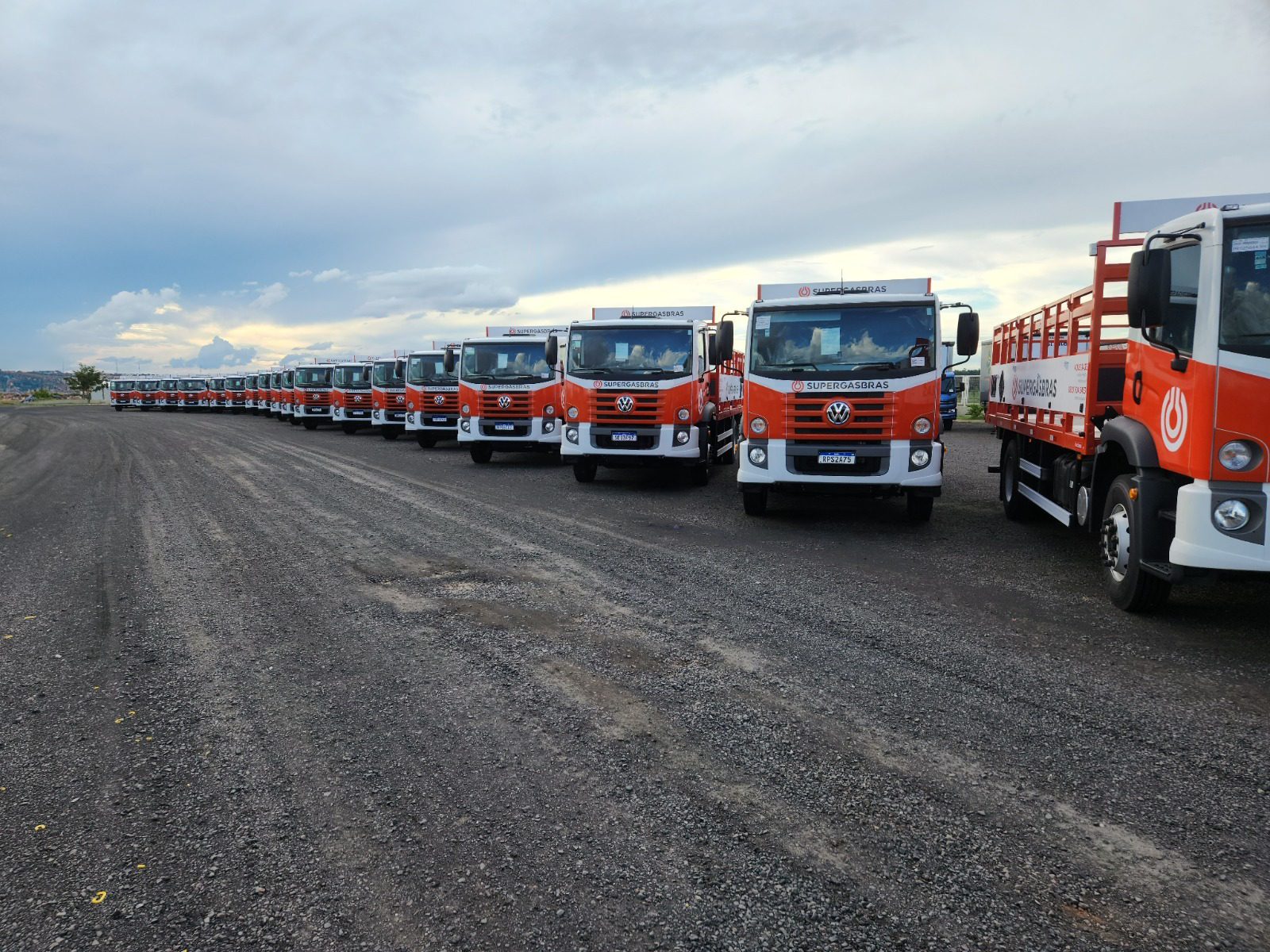
Supergasbras Expands Sustainable Fleet With Ethanol And Biogas Pilot Projects, Reinforcing The Energy Transition And Operational Efficiency.
On September 15, 2023, Supergasbras took a bold step toward sustainability by announcing the inclusion of cleaner fuels in its fleet. The company embraced the mission of making its operations more sustainable by integrating innovations that drive its efficiency. In 2023, the adoption of ethanol in light vehicles was highlighted as one of the main moves to achieve this goal. Additionally, the company began testing biogas, promoting a significant reduction in carbon emissions and intensifying its role in the energy transition.
Supergasbras is determined to not only adopt sustainable practices but also to lead the way in the transition to more environmentally friendly alternatives. By the end of 2023, new projects are underway, such as the development of environmentally friendly fuels for heavy vehicles. This initiative reinforces its commitment to diversifying its solutions, aligning with international sustainability standards. The company is seeking innovative production methods to ensure that its energy transition is efficient and aligned with sustainability principles.
Path To Operational Excellence And Sustainability
With each project, Supergasbras is getting closer to a future where sustainability is a central pillar. The biogas pilot projects, which started in August 2023, are a remarkable example of how companies can adopt innovative practices on their journey toward sustainability. These projects focus on production methods that prioritize efficiency and low environmental impact, enabling an effective and viable transition.
-
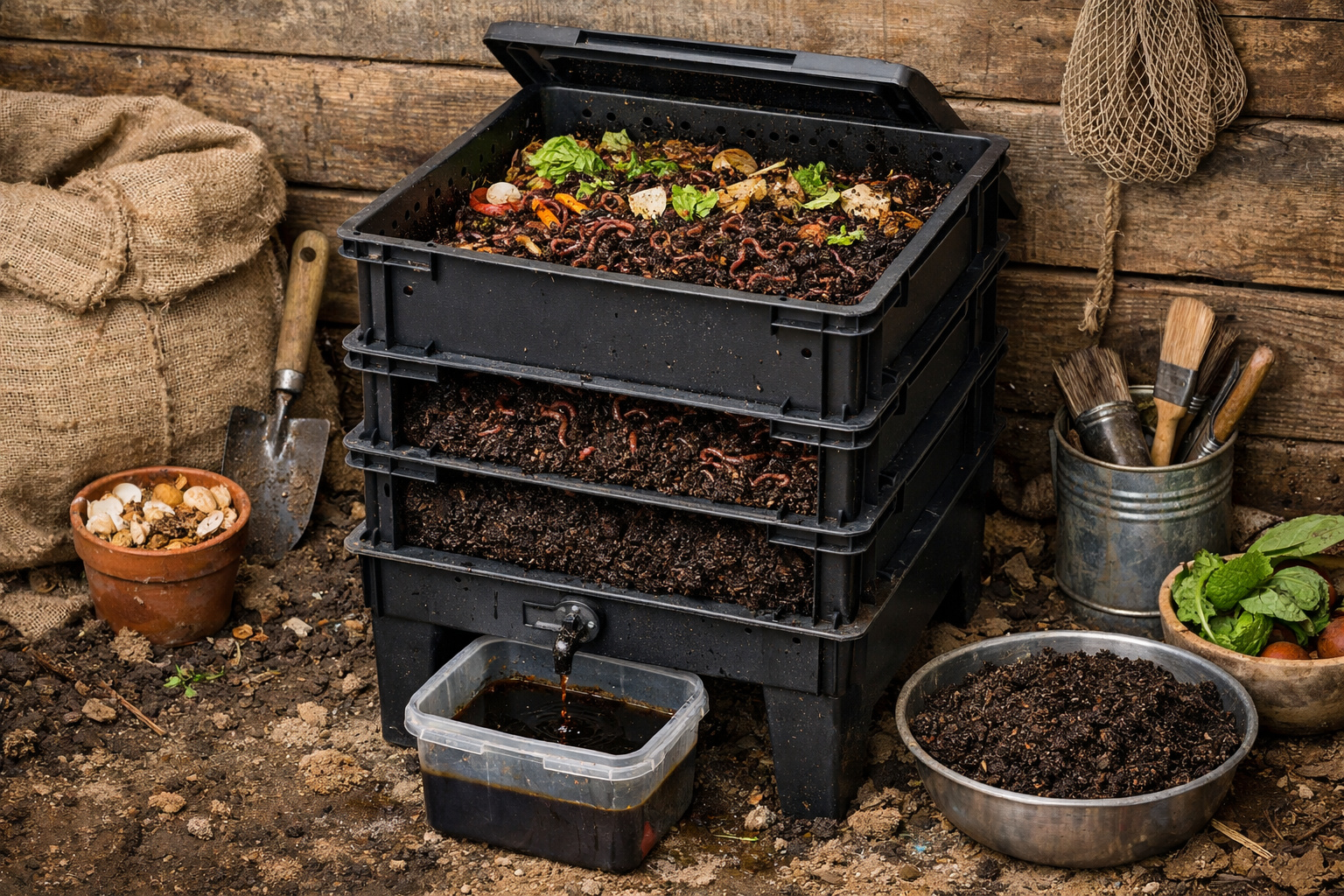
6 sources of free fertilizer that you are throwing away every day and can transform your garden without spending anything.
-
With a water crisis on the radar, Sabesp invests in reclaimed water for data centers and transforms sewage treatment into a solution that saves millions of liters and protects public supply.

-
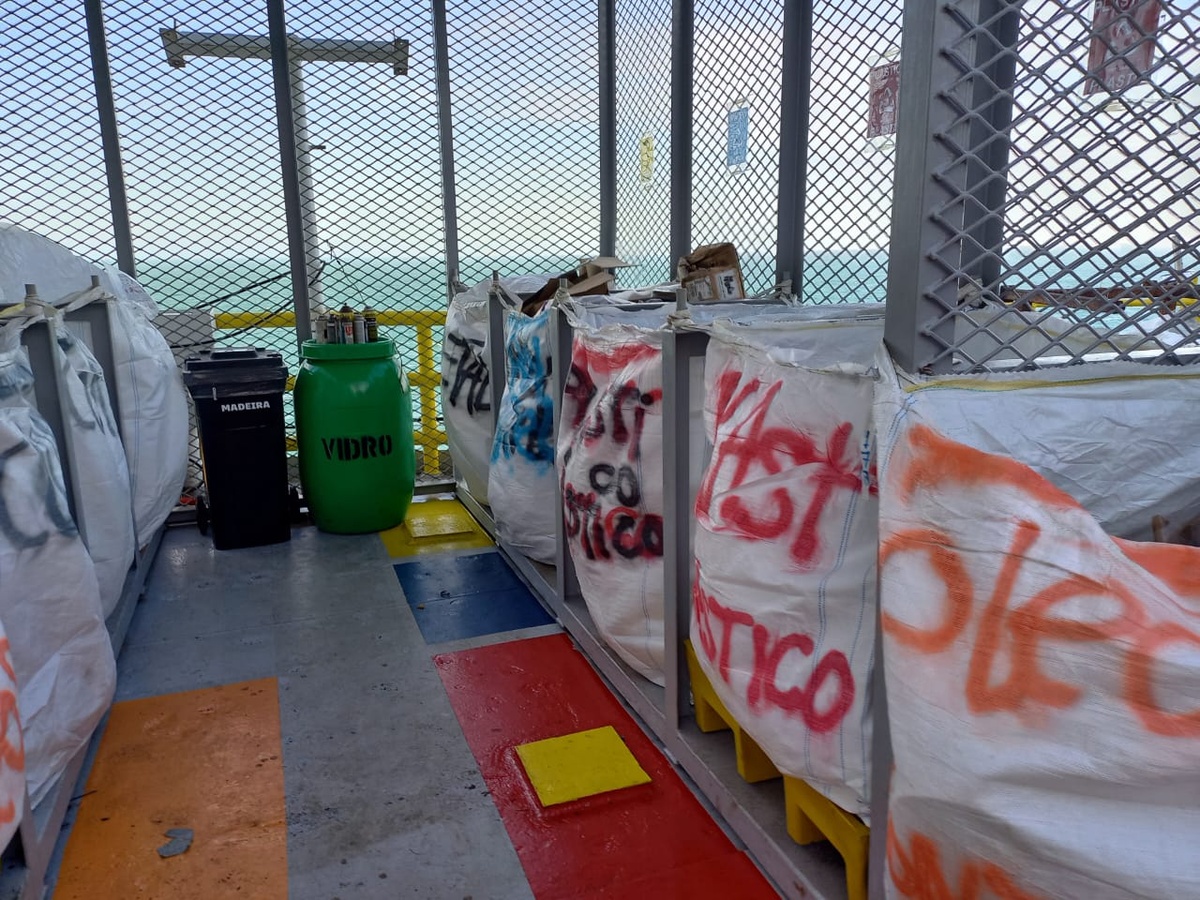
Foresea achieves 100% offshore waste reuse in 2025, eliminates landfill disposal, and consolidates sustainable strategy with 1,500 tons recycled.
-
With earth, bamboo, straw, and lime mortar, a specialist builds a house for just over $460 and draws attention for its cost being much lower than traditional construction.


Another significant milestone was achieved in October 2023, when Supergasbras committed to expanding its sustainable fleet, focusing on continuous improvements in operational processes. This move not only highlights the company’s commitment to sustainability but also sends a powerful message about the importance of a more sustainable future. The company has demonstrated how it is possible to evolve to sustainable systems without compromising efficiency.
The relentless pursuit of sustainable solutions and energy transition remains at the core of Supergasbras’s strategies. In all projects, the company emphasizes the importance of sustainable practices, tackling environmental issues and paving the way for innovations that inspire the sector. Supergasbras continues to encourage other companies to follow suit, thus promoting a true sustainable revolution.
Innovations And Inspiration: The Impact Of Sustainability On The Energy Sector
Expanded Use Of Sustainable Fuels
The company already makes use of lower environmental impact fuels and continues to expand initiatives that reduce CO₂ emissions in its logistics operations. Focusing on ethanol for more than 600 light vehicles, including compact and SUV models, the organization has managed to have 98.4% of all fuel supply for these cars done with this renewable fuel. Ethanol, extracted from sugarcane, can be up to 90% more sustainable than gasoline, depending on the production method and the agricultural practices adopted for its manufacturing and cultivation.
Since the year 2021, when this important transition was adopted, the company has already prevented the release of 8,030 tons of CO₂ into the atmosphere. If the vehicles used gasoline exclusively, CO₂ emissions would be at least 8% higher annually, according to Priscila Maziero, Manager of Biofuels and Sustainability at Supergasbras.
Improvements And New Goals For Sustainability
‘The expectation for the future is to ensure that the supply index exceeds 99.5% by 2025’, estimates Maziero. In August 2024, a pilot project was launched in Rio de Janeiro involving four trucks powered by a combination of diesel and biogas. Two of these units are operating in the transport of packaged LPG and two in bulk transport. Currently, these units account for 0.6% of the company’s heavy fleet, and preliminary results reveal an average fuel consumption savings of 15%, as well as projecting a reduction between 15% and 30% in CO₂ emissions for each truck.
Expansion Of Low-Carbon Technology
‘If feasible, the technology will be expanded to an additional 10 trucks in 2025, increasing this solution to 2% of the heavy fleet’, emphasizes Maziero. However, the availability of biogas at stations is still a barrier to widespread adoption. With this challenge in mind, the company continues to evaluate different fuel technologies to make its operations increasingly sustainable and ethical.
For Claudio Azevedo dos Santos, Deputy Director of Supply Chain at Supergasbras, a transition to a more sustainable fleet is essential to reduce environmental impact and improve operational efficiency. Such initiatives underscore their commitment to innovation and sustainability, ensuring alignment with best practices and contributing to a more sustainable and low-carbon future.
Pioneering Sustainable Practices
The introduction of the diesel/biogas truck occurred just a year and a half after the company launched the world’s first electric truck for bulk LPG transport. In two years, this technology has already generated an average reduction of 2 tons of CO₂ per month, as well as providing benefits such as lower maintenance costs compared to traditional diesel vehicles. In 2025, the electric fleet will be reinforced with the addition of new trucks that will replace part of the vehicles in the packaged direct sales channel. With this, operations conducted by electric vehicles will reach 39%, representing 8% of the total heavy fleet.
By investing in an increasingly sustainable fleet and in logistics efficiency, Supergasbras has managed to avoid the emission of more than 3,700 tons of CO₂ since 2021, preventing an 18% increase in emissions. In addition to positive environmental impacts, the transition to sustainable vehicles offers significant operational gains, with an estimated total cost reduction of 24% per truck, considering lower spending on diesel, maintenance, and vehicle rentals.
Sustainable Strategy In The LPG Market
‘In the LPG sector, these actions are strategically important in creating a more effective and sustainable value chain. Although LPG is already one of the fossil fuels with the lowest environmental impact, its future development depends on both the advancement of even more sustainable variants and the modernization of logistics to keep up with this energy transition‘, concludes Priscila.
Source: © pamella.lima@approach.com.br










Seja o primeiro a reagir!