





 Portuguese
  English
  Spanish
  3 min of reading
  0 comments


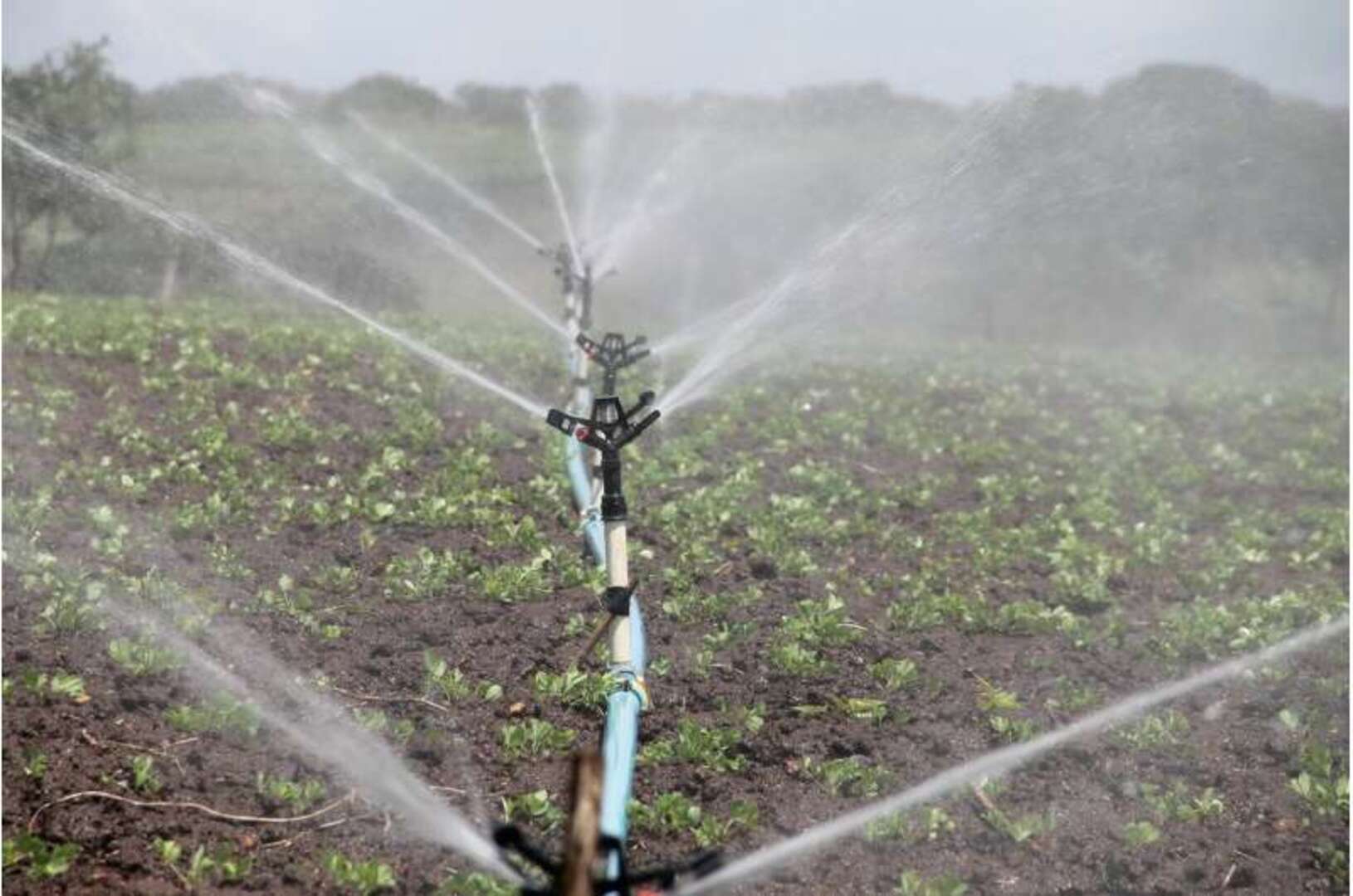
The increase in temperatures and prolonged drought challenge water management and put the Colorado River Basin in critical condition.
The growing scarcity of water resources has led the Colorado River Basin to an unprecedented state of stress, generating debates about the effectiveness of current conservation measures.
Experts warn that the system, which supplies about 40 million people and supports vast agricultural areas, is facing a continuous decline in its storage levels. While consumption reduction policies are crucial, there is now a discussion about whether simply reducing water use will be enough to offset the effects of prolonged drought and climate change.
Climatic challenges and the impact on river flow
The hydrological system that makes up the Colorado River Basin suffers from rising temperatures, which accelerates evaporation and reduces runoff from mountain snowmelt. Studies indicate that drier soil absorbs moisture before it even reaches major tributaries and reservoirs, such as Lakes Mead and Powell.
-
Revolution in the Northeast: Ceará accelerates investments in environmental technology and inaugurates an innovative plant that uses waste to promote sustainable sanitation.

-
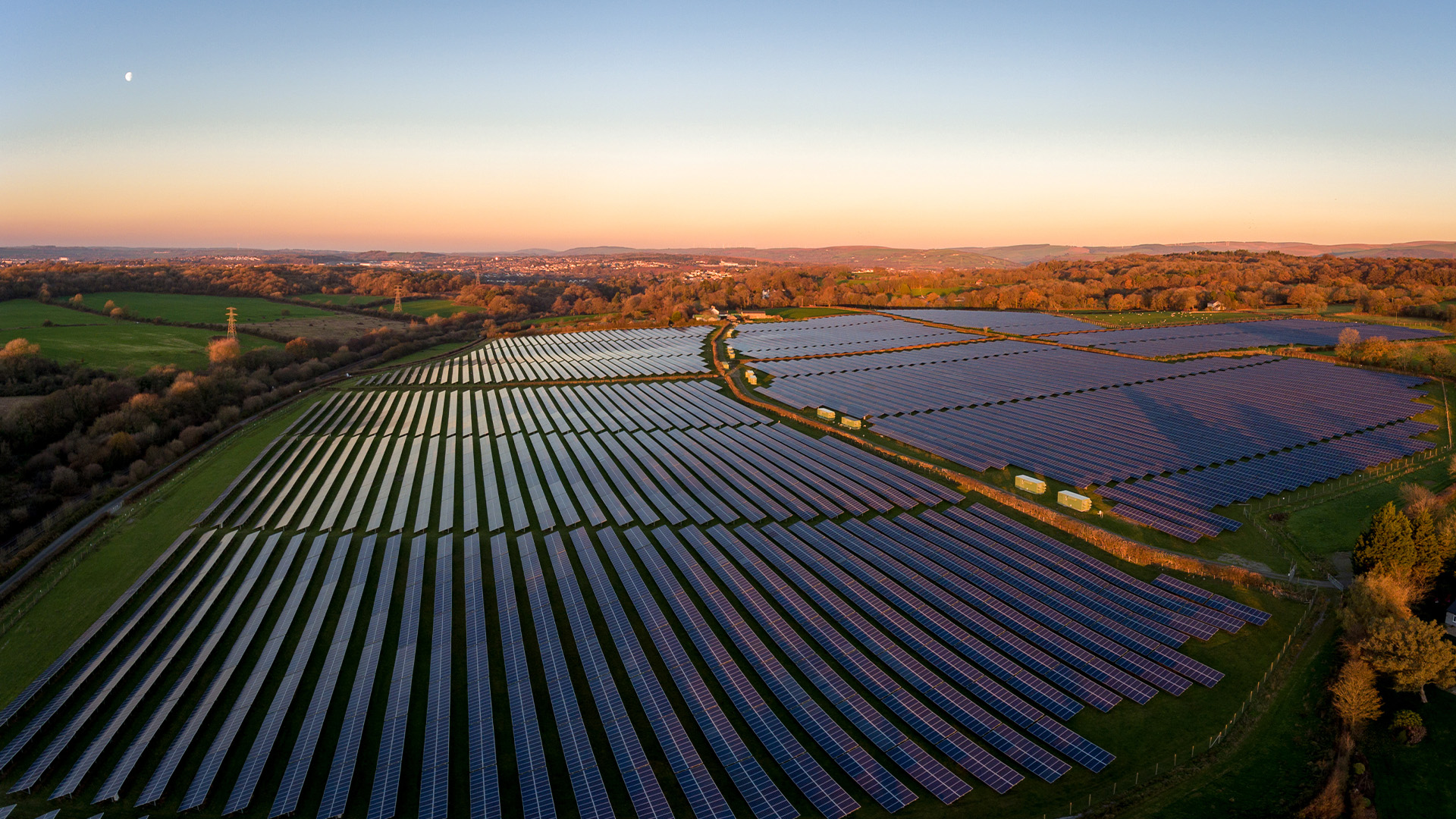
Brazilian state reaches historic milestone in sustainability: Study reveals that nearly all the energy produced comes from clean sources and boosts the electric matrix of Minas Gerais.
-
Chinese startup expands sustainable mobility with a fleet of 11,000 hydrogen bicycles and reaches millions of trips.

-
Extreme heat and drought waves are expected to afflict billions of people with a frequency five times greater by the end of the century!
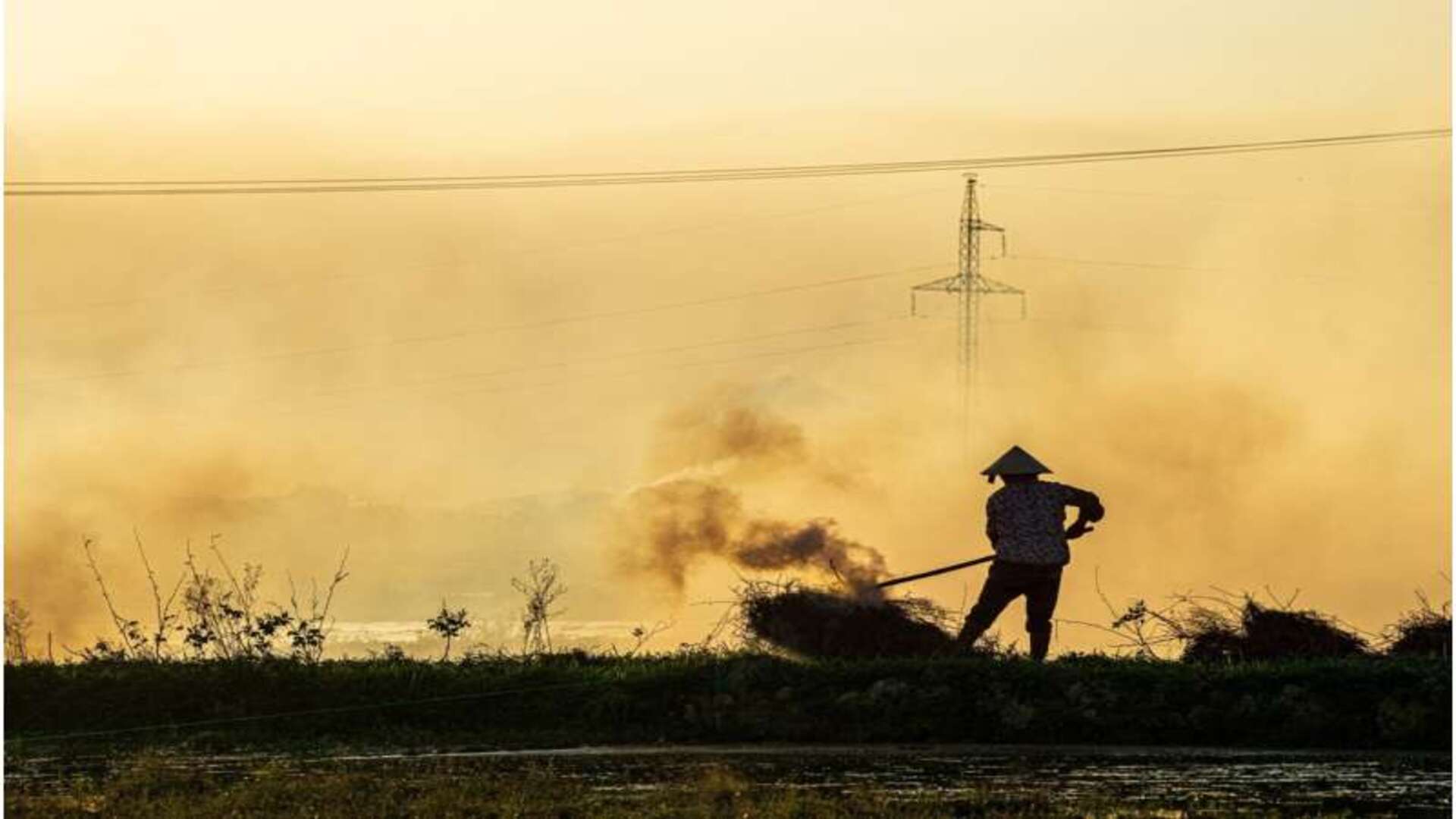
This phenomenon creates a cycle of water deficit that challenges traditional water management projections, requiring climate models that are more adaptable to new thermal realities.
The reduction in flow affects not only urban supply but also seriously compromises hydropower generation in the southwestern United States. With reservoir levels at historically low levels, turbines operate with reduced efficiency, raising concerns about energy security. The infrastructure of the Colorado River Basin was designed for a climate that no longer corresponds to the extreme variability observed in recent years.
Limits of reduced consumption and agricultural management
Agriculture is the sector that consumes the most water in the region, and the pressure to reduce this volume has generated tensions between rural producers and public managers.
However, even if consumption cuts are implemented rigorously, the magnitude of the drought in the Colorado River Basin suggests that water savings alone may not be sufficient to stabilize the system. A profound restructuring of usage priorities and the implementation of more efficient irrigation technologies is necessary to preserve remaining stocks.
In addition to voluntary cuts, the legal system governing water distribution, based on historical rights, is under scrutiny to become more flexible. Collaboration among the states that share the basin is essential to avoid total supply collapse during periods of extreme drought.
The challenge lies in balancing the population growth of cities with the maintenance of vital economic activities that directly depend on the Colorado River Basin.
Prospects for the sustainability of the system
To ensure the future of supply, authorities are exploring solutions that go beyond simple demand reduction, such as the reuse of wastewater and desalination. The recovery of the Colorado River Basin depends on a combination of global climate policies and immediate local adaptations in watershed management.
Constant monitoring of soil moisture and precipitation rates has become the most important tool for anticipating severe scarcity crises.
In the long term, the survival of the region depends on an integrated vision that treats water as a finite resource vulnerable to atmospheric fluctuations. The current debate in the Colorado River Basin serves as a warning for other regions of the world facing similar water stress due to global warming.
The success of the measures implemented in the coming years will determine the socioeconomic resilience of seven states and numerous indigenous communities that depend on this river.
Click here to access the study.








Seja o primeiro a reagir!