





 Portuguese
  English
  Spanish
  3 min of reading
  0 comments



The partnership between Brazil and Mexico strengthens the exchange of experiences in public health and drives the creation of a more accessible and integrated model in the North American country
The model of the Unified Health System (SUS) begins to cross borders and starts to influence public policies outside Brazil, expanding its international relevance.
This year (2026), the Brazilian government signed an agreement with Mexico for cooperation in the health sector, aiming to share experiences and support the creation of a more accessible system in the North American country.
The memorandum was signed in Brasília by the Minister of Health, Alexandre Padilha, and by the Mexican Secretary, David Kershenobich Stalnikowitz, consolidating a strategic partnership between the two countries.
This movement reinforces Brazil’s role in international cooperation and positions the SUS as a global reference in universal health access.
International agreement establishes bases for joint action
The agreement establishes guidelines for joint action in strategic areas of health, strengthening cooperation between Brazil and Mexico.
Among the main points are the development of vaccines, technological innovation, health surveillance, disease control, and training of professionals.
Additionally, the partnership provides for technical and scientific exchange, which enhances the sharing of knowledge between specialists from both countries.
One of the central pillars of cooperation involves the adoption of structural principles of the SUS, such as universality and equity in access to health services.
Changes in the Mexican system seek to expand coverage
Currently, Mexico operates with a hybrid model that combines public and private services, resulting in segmented access between formal and informal workers.
This format generates inequalities in care and limits the reach of essential services for part of the population.
The new proposal aims to integrate these services, expanding coverage and reducing differences in access to health.
President Claudia Sheinbaum announced the submission of a decree for the creation of the Universal Health Service, with gradual implementation planned starting in 2027.
-
With a total blockade of software, data, and connected systems, the U.S. has completely closed its doors to Chinese cars and transformed vehicles into geopolitical weapons, creating a new technological battlefield that could reshape the global automotive industry.

-
With US$ 65.8 billion and 34 new ships, the U.S. launches a mega naval plan that prioritizes nuclear submarines, strengthens military logistics, and repositions the strategy for prolonged conflicts in the Pacific.

-
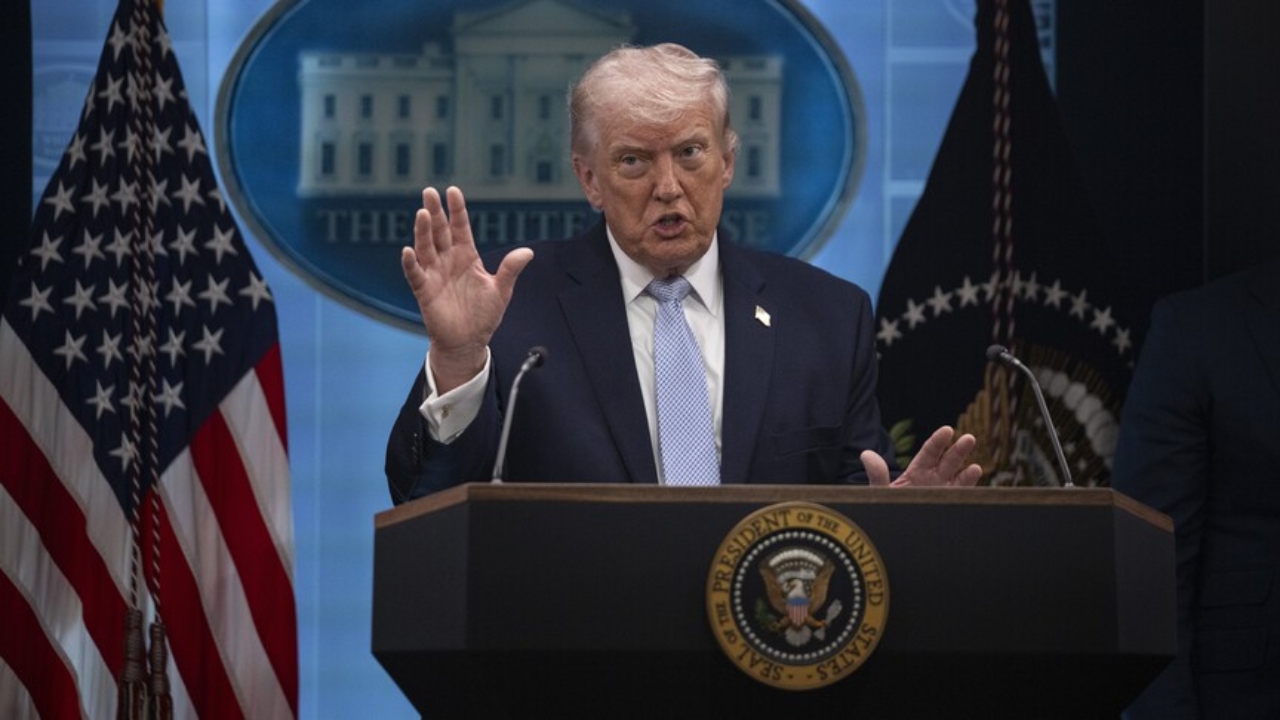
Trump pressures NATO in Europe with threats regarding bases and the use of troops in Spain and Germany to punish allies and change the military balance in the bloc.
-
Switzerland joins 8 countries to alleviate the crisis of travelers stranded in the Middle East with emergency migration measures and support for repatriation.

SUS solidifies as a global reference in public health
Created in 1988, during the Federal Constitution, the SUS has become one of the largest public health systems in the world.
The model guarantees free and comprehensive access to the Brazilian population, offering everything from basic care to high-complexity procedures.
Among the available services, organ transplants and specialized treatments in various areas stand out.
According to the Ministry of Health, the system performs about 4 billion procedures per year, distributes more than 300 million doses of vaccines, and has approximately 48 thousand basic health units.
SUS programs gain international recognition
The SUS is also responsible for internationally recognized programs that reinforce its relevance in the global scenario.
Among them is the AIDS control with free distribution of medications, considered a reference in public policies.
Mass immunization campaigns contributed to the eradication of polio, highlighting the effectiveness of preventive actions.
These results consolidate the system as an example of inclusion and broad access to health.
Cooperation reinforces Brazil’s role in health diplomacy
The formalization of the agreement with Mexico expands Brazil’s role in international cooperation in public health.
The exchange of experiences strengthens the development of more inclusive and accessible policies for the population.
The SUS is now seen as a model adaptable to different realities, which increases its global recognition.
Do you think that the expansion of this model can influence other countries to adopt universal health systems going forward?









Seja o primeiro a reagir!