





 Portuguese
  English
  Spanish
  4 min of reading
  2 comments


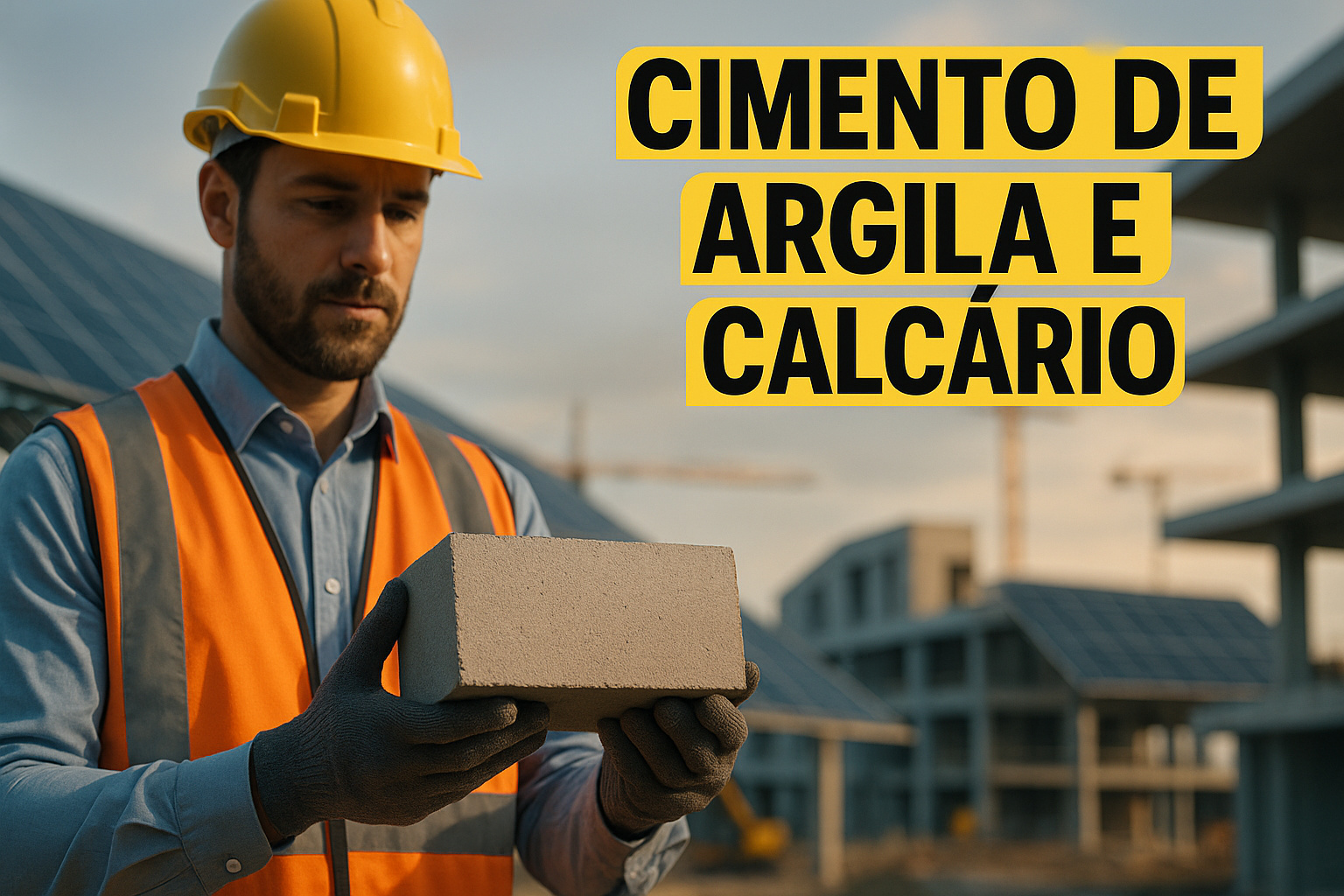


Developed in Switzerland, LC3 cement combines calcined clay and limestone, reducing CO₂ emissions by up to 40% and could replace Portland as the standard material for modern construction.
A new material is set to redefine the future of civil construction. Developed by researchers at the École Polytechnique Fédérale de Lausanne in Switzerland, LC3 (Limestone Calcined Clay Cement) is being considered the natural successor to traditional Portland cement. Made from calcined clay and limestone, it promises to reduce CO₂ emissions by up to 40% and decrease production costs by about 30%, according to data from the LC3 Project and the World Bank. The impact is so significant that LC3 is already being used in projects in India, Cuba, Switzerland, and Denmark, paving the way for a new era of sustainable construction — cleaner, faster, and more efficient.
How LC3 Cement Replaces Portland and Reduces Emissions
The difference between LC3 and traditional cement starts at the chemical base. Portland cement relies on the production of clinker — a compound that requires kilns at 1,450 °C and releases large volumes of CO₂ during the process. In contrast, LC3 uses calcined clay heated to just 800 °C and ground limestone, reducing energy consumption and avoiding some of the chemical reactions that emit greenhouse gases.
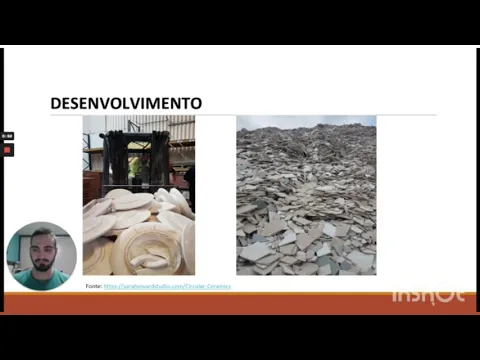

In addition to being more environmentally friendly, the material exhibits similar mechanical strength and greater durability. Tests conducted in Europe and Asia showed less shrinkage and fewer cracks in structures, which extends the lifespan of constructions and reduces maintenance costs.
-
Congonhas receives the monorail promised for the 2014 World Cup after more than a decade of delays and becomes the first airport in Brazil with integrated subway.
-
Goodbye, concrete: a new trend in civil construction reduces the weight of the structure by up to 30%, accelerates projects by up to 40%, cuts costs on steel and labor, and improves thermal insulation with EPS.
-
Russian engineers create an innovative propeller blade for aircraft that could completely change the way airplanes and helicopters operate.

-
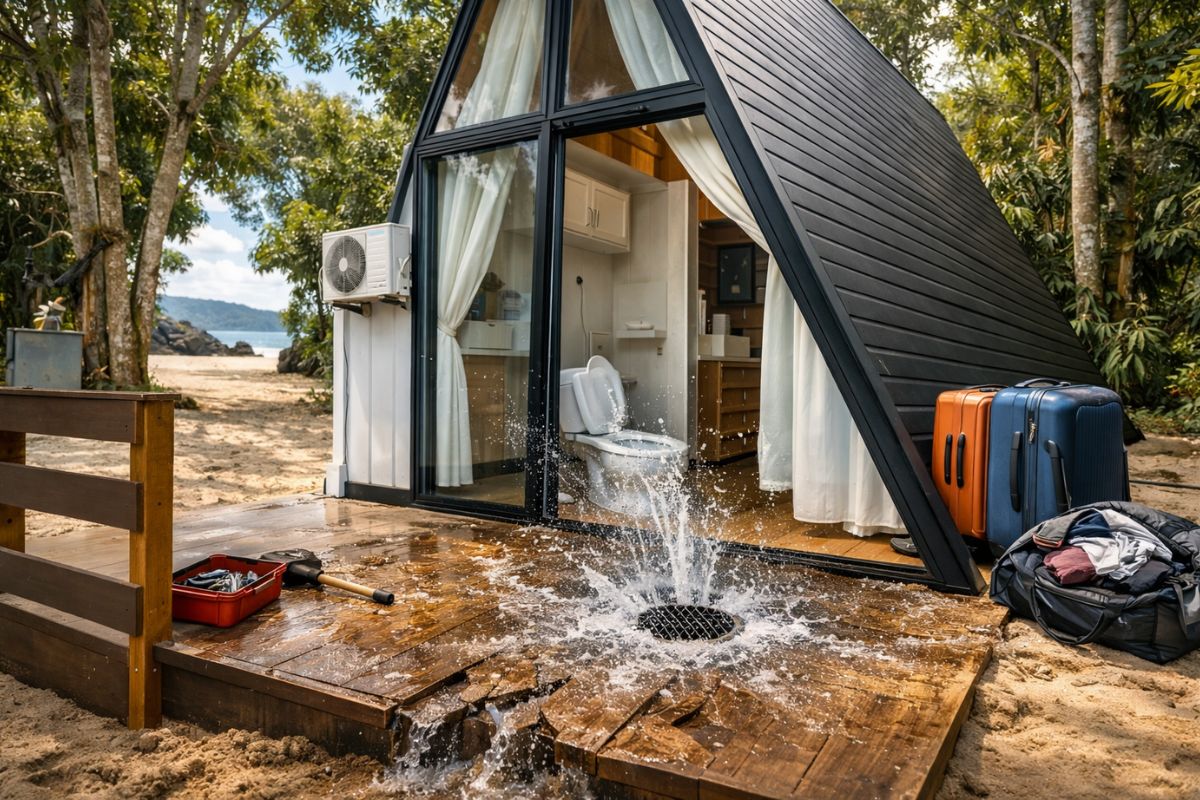
Couple finishes building PVC chalet on the beach on the last day, with air conditioning and curtains, but discovers the bathroom drain is inverted: water escapes from the drain, risking breaking the floor, and the rush continues before the trip.

Proven Efficiency in Large International Projects
Since 2022, clay and limestone cement has been incorporated into projects for affordable housing, highways, and corporate buildings in different countries. In India, a consortium of local manufacturers is investing in the gradual replacement of Portland in sustainable housing programs. In Switzerland, the material has been used in hospitals and public schools, while in Cuba, it is already part of medium-sized buildings with superior thermal performance — reducing the need for artificial cooling.
According to the United Nations Environment Programme (UNEP), LC3 is one of the most promising innovations for decarbonizing the construction industry, potentially avoiding up to 400 million tons of CO₂ per year if adopted on a large scale.
Sustainable Construction and Cost Savings for the Sector
For construction companies and investors, LC3 offers a rare combination: low cost, high performance, and environmental appeal. As part of the raw material can come from local clays or industrial waste, the dependence on imported raw materials drops drastically.
Reports from the LC3 Project indicate an average savings of 20% to 30% on logistics and energy costs in large-scale projects, in addition to greater productivity on construction sites due to ease of handling and faster curing.
The World Bank supports the dissemination of this technology in emerging countries, highlighting its potential to boost low-carbon economies and reduce the environmental footprint of the sector — responsible for 8% of global greenhouse gas emissions.
Brazil Studies Adoption and Adaptation of LC3 Cement
Researchers from USP and UFMG have already begun studies to adapt LC3 to Brazilian conditions, evaluating the material’s behavior with different types of clay available in the country. The main challenge lies in regulation and certification since ABNT standards have not yet officially covered this type of cement.

Nevertheless, startups and large construction companies are starting to take action. Companies in Minas Gerais and São Paulo are analyzing the feasibility of converting industrial kilns for large-scale production of calcined clay, while the public sector discusses tax incentives for sustainable materials in public works.
The Future of Civil Construction: Economy, Technology, and Sustainability
The advancement of LC3 cement represents more than a technical innovation — it is a milestone in the ecological transition of civil construction. By combining structural performance with low environmental impact, the material proves that it is possible to build entire cities without repeating the mistakes of the past.
At a time when the planet is seeking alternatives to reduce emissions and optimize resources, clay and limestone cement emerges as a symbol of a new constructive era, where efficiency, sustainability, and economy finally walk hand in hand.
If Portland shaped the 20th century, LC3 is ready to build the 21st century — with less carbon, more innovation, and the promise of forever changing the way the world builds.









Nao vejo hora de experimentar
Tenho interesse, pois pretendo fabricar tijolos algo desse tipo, ecológico!